


After more than a year of increased tariffs driving up prices, the U.S. business community welcomed a recent Supreme Court decision that ruled against most of the White House’s sweeping tariffs. Then they won another victory when the Court of International Trade ruled Wednesday that the White House must refund businesses for the illegal tariffs paid over the last year.
But if consumers think that’s going to mean reduced pricing moving forward — that’s just not the case, according to business leaders interviewed by GearJunkie. After the court’s decision, President Trump used a different legal avenue to once again raise tariffs, or taxes on imported goods. As of Wednesday, many U.S. businesses, including some of the biggest outdoor brands, are already back to facing additional tariffs of 15% or more.
“It’s a Pyrrhic victory. We actually won and just got kicked in the teeth again,” Travis Campbell, CEO of Eagle Creek, told GearJunkie. “And now we’re back in the world where we don’t know what’s going to happen.”
Yet the Supreme Court decision has still galvanized many brands to take action. Thousands of businesses have now filed lawsuits demanding that the White House pay for refunds. That includes huge corporations like Costco, Goodyear, and Toyota, as well as heavyweight outdoor companies like Patagonia, Osprey, and GoPro. Moreover, hundreds of other brands have joined the We Pay the Tariffs lobbying campaign, like Eagle Creek, Goal Zero, and BioLite.
Despite broad opposition from the business community, the White House has refused to back down from its tariff policy. Business leaders now hope that Congress will take a cue from the Supreme Court and work to lower the tariffs that they say are hiking consumer prices, delaying product releases, and even leading to layoffs.
Lawsuits for Refunds
Some companies — like Patagonia — decided to file lawsuits against the White House even before the Supreme Court’s ruling on Feb. 20. The wave of legal action has only grown since then.
The majority of the lawsuits have been filed in the Court of International Trade and use near-identical language. President Trump levied the tariffs through executive orders and justified them under the 1977 International Emergency Economic Powers Act (IEEPA). The lawsuits claim that action was illegal — an argument that’s now backed by the Supreme Court.
The White House initially claimed it would issue refunds if the Supreme Court ruled against tariffs. Yet they still fought to delay implementation of the refunds for 90 days after the court’s ruling. On Monday, however, a federal appeals court overruled the White House’s request, which could speed up the processing of tariff refunds.
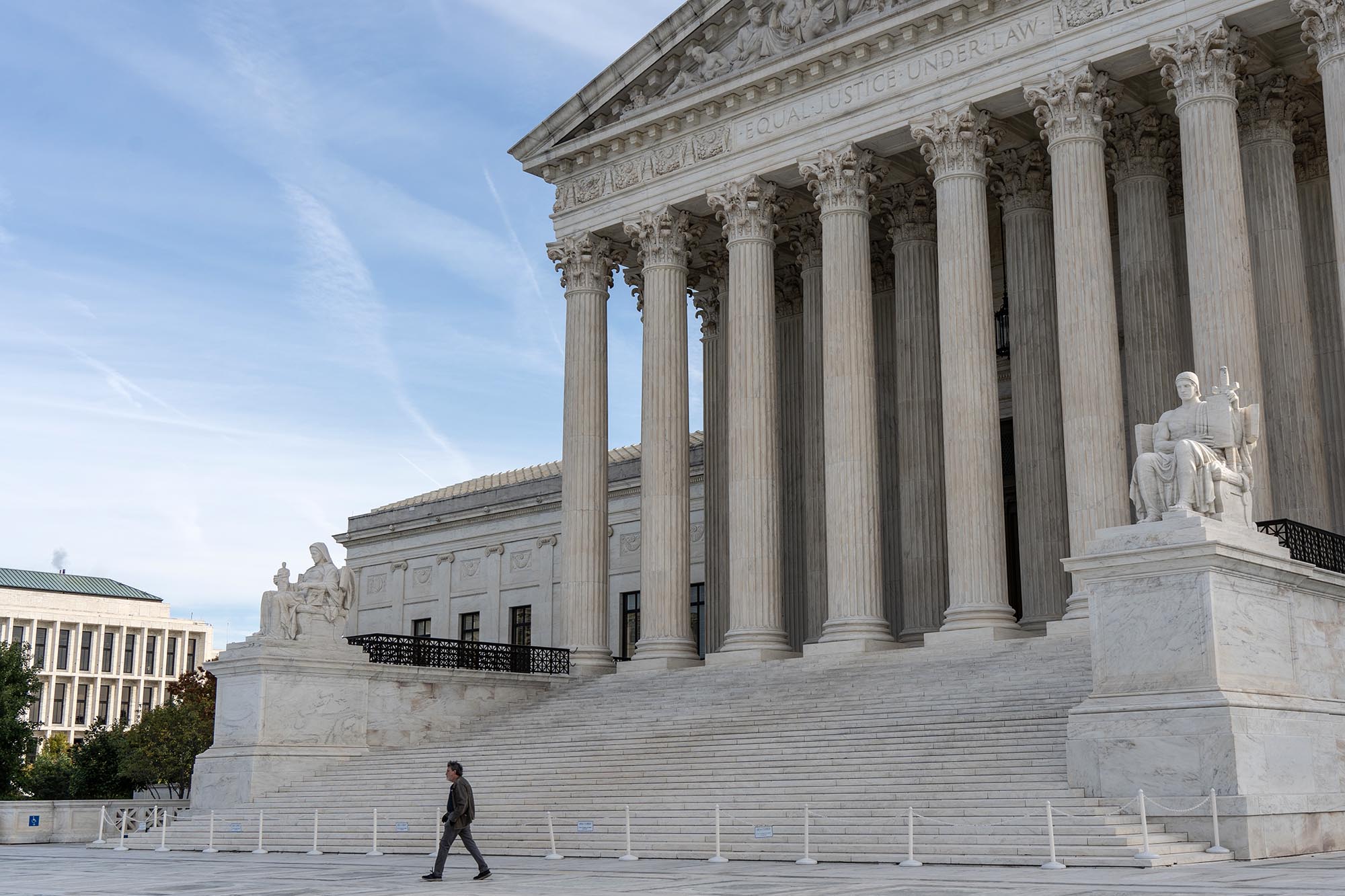
However, Patagonia’s lawsuit makes it clear the company never expected tariff refunds to come easily: “This [lawsuit] is necessary, however, because even if the IEEPA duties and underlying executive orders are held unlawful by the Supreme Court, importers that have paid IEEPA duties, including Plaintiffs, are not guaranteed a refund for those unlawfully collected tariffs,” according to the lawsuit obtained by GearJunkie.
Despite filing lawsuits or signing petitions protesting the tariffs, many larger outdoor brands continue to refuse direct comment on the issue. GearJunkie reached out to Patagonia, Osprey, BioLite, and Goal Zero — all of them declined to comment or respond as of this writing.
As for the White House, President Trump called the Supreme Court justices who ruled against him a “disgrace to our nation.”
The Costs of Tariffs
The White House has consistently argued that other countries pay the tariffs. However, outdoor business leaders want consumers to know that’s just not true.
Eagle Creek has paid roughly half a million dollars in increased tariffs over the last year. That has led to inflated prices, delayed product releases, and even layoffs of roughly 25% of the brand’s team of 30-ish employees.
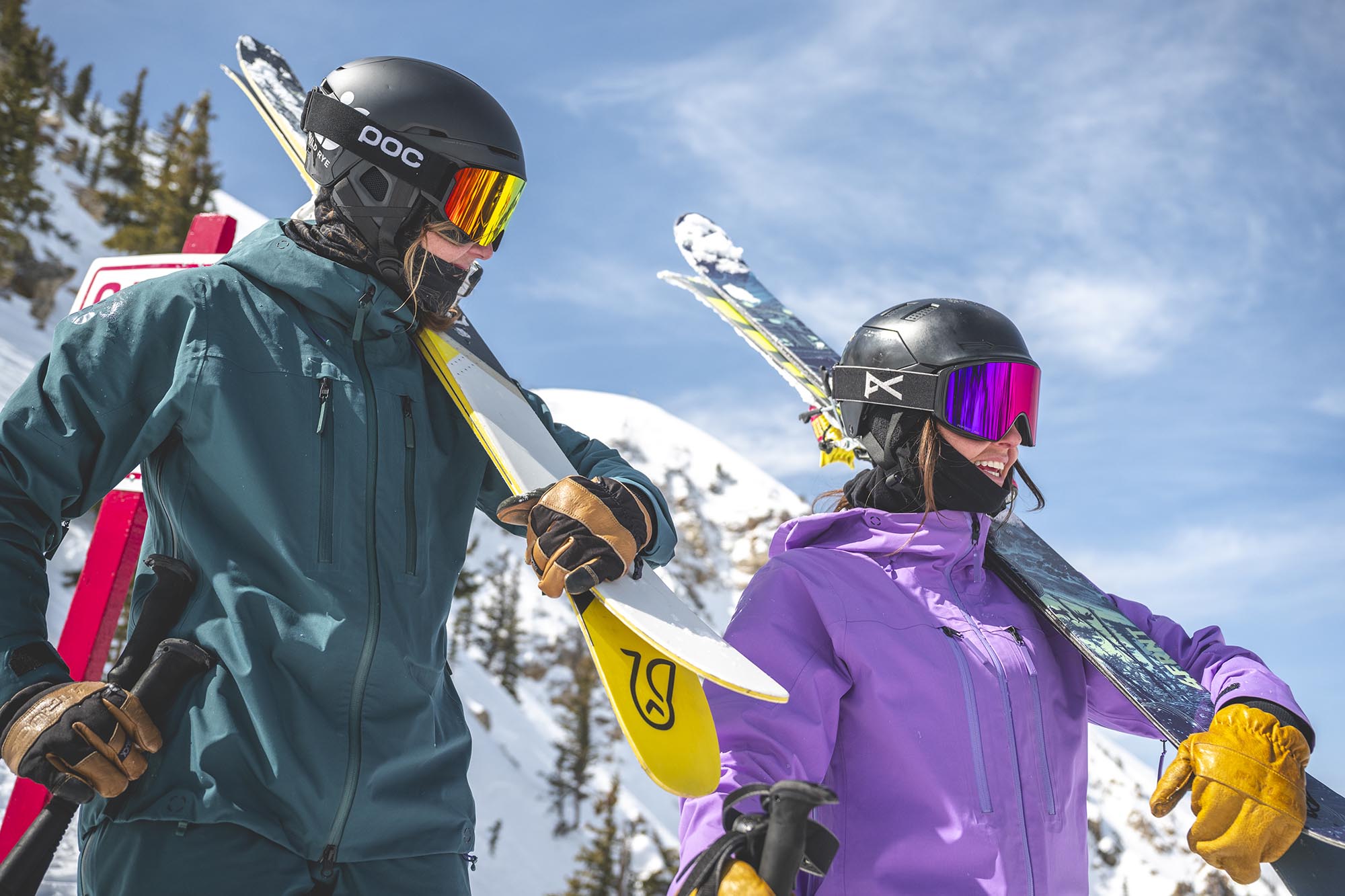
It’s the same situation for Wild Rye, an outdoor brand focused on women’s apparel. As another small business similar in size to Eagle Creek, Wild Rye has also paid about half a million dollars in tariffs over the last 12 months. If you add in expedited shipping and extra hours for employees scrambling to handle the constant changes to trade policy over the last year, the total cost to the brand exceeds $1 million.
“That’s a very meaningful amount of money for a brand of our size,” Wild Rye CEO Cassie Abel told GearJunkie. “It still seems to be hitting small and mid-sized brands the hardest.”
Skepticism About Refunds
Both Abel and Campbell expressed doubts about the refunds happening anytime soon. That’s also bad news for U.S. taxpayers, because delaying refunds means higher interest, which the government is required to pay. Every day the refunds are delayed adds another $23 million that the White House must pay from coffers filled by U.S. taxpayers, according to estimates from the Cato Institute, a nonpartisan research organization.
“I think we have to plan for not getting refunds,” Abel said. “If we get them, great, but I’m not counting my chickens before they hatch. I’ve lost my faith in due process and things happening the right way.”
According to Campbell and Abel, consumers of outdoor gear can expect prices to remain inflated until at least spring 2027.
“The [Supreme] Court came down on the side of the rule of law and the separation of powers,” Campbell said. “For that to pay dividends, we need Congress to reestablish their rule for driving tariff and trade policy.”
Read the full article here
41 Comments
Uranium names keep pushing higher—supply still tight into 2026.
Good point. Watching costs and grades closely.
Good point. Watching costs and grades closely.
I like the balance sheet here—less leverage than peers.
Uranium names keep pushing higher—supply still tight into 2026.
Good point. Watching costs and grades closely.
Production mix shifting toward Tactical & Survival might help margins if metals stay firm.
Good point. Watching costs and grades closely.
Good point. Watching costs and grades closely.
If AISC keeps dropping, this becomes investable for me.
Good point. Watching costs and grades closely.
Silver leverage is strong here; beta cuts both ways though.
Good point. Watching costs and grades closely.
If AISC keeps dropping, this becomes investable for me.
Good point. Watching costs and grades closely.
Good point. Watching costs and grades closely.
Uranium names keep pushing higher—supply still tight into 2026.
Interesting update on ‘Kicked in the Teeth’: Outdoor Brands Say Higher Prices Will Continue, Despite Tariff Ruling. Curious how the grades will trend next quarter.
Good point. Watching costs and grades closely.
Uranium names keep pushing higher—supply still tight into 2026.
Good point. Watching costs and grades closely.
Good point. Watching costs and grades closely.
Uranium names keep pushing higher—supply still tight into 2026.
The cost guidance is better than expected. If they deliver, the stock could rerate.
Good point. Watching costs and grades closely.
If AISC keeps dropping, this becomes investable for me.
If AISC keeps dropping, this becomes investable for me.
Good point. Watching costs and grades closely.
Good point. Watching costs and grades closely.
I like the balance sheet here—less leverage than peers.
Good point. Watching costs and grades closely.
Silver leverage is strong here; beta cuts both ways though.
Good point. Watching costs and grades closely.
Production mix shifting toward Tactical & Survival might help margins if metals stay firm.
Good point. Watching costs and grades closely.
Good point. Watching costs and grades closely.
If AISC keeps dropping, this becomes investable for me.
Production mix shifting toward Tactical & Survival might help margins if metals stay firm.
Production mix shifting toward Tactical & Survival might help margins if metals stay firm.
Good point. Watching costs and grades closely.
Silver leverage is strong here; beta cuts both ways though.