

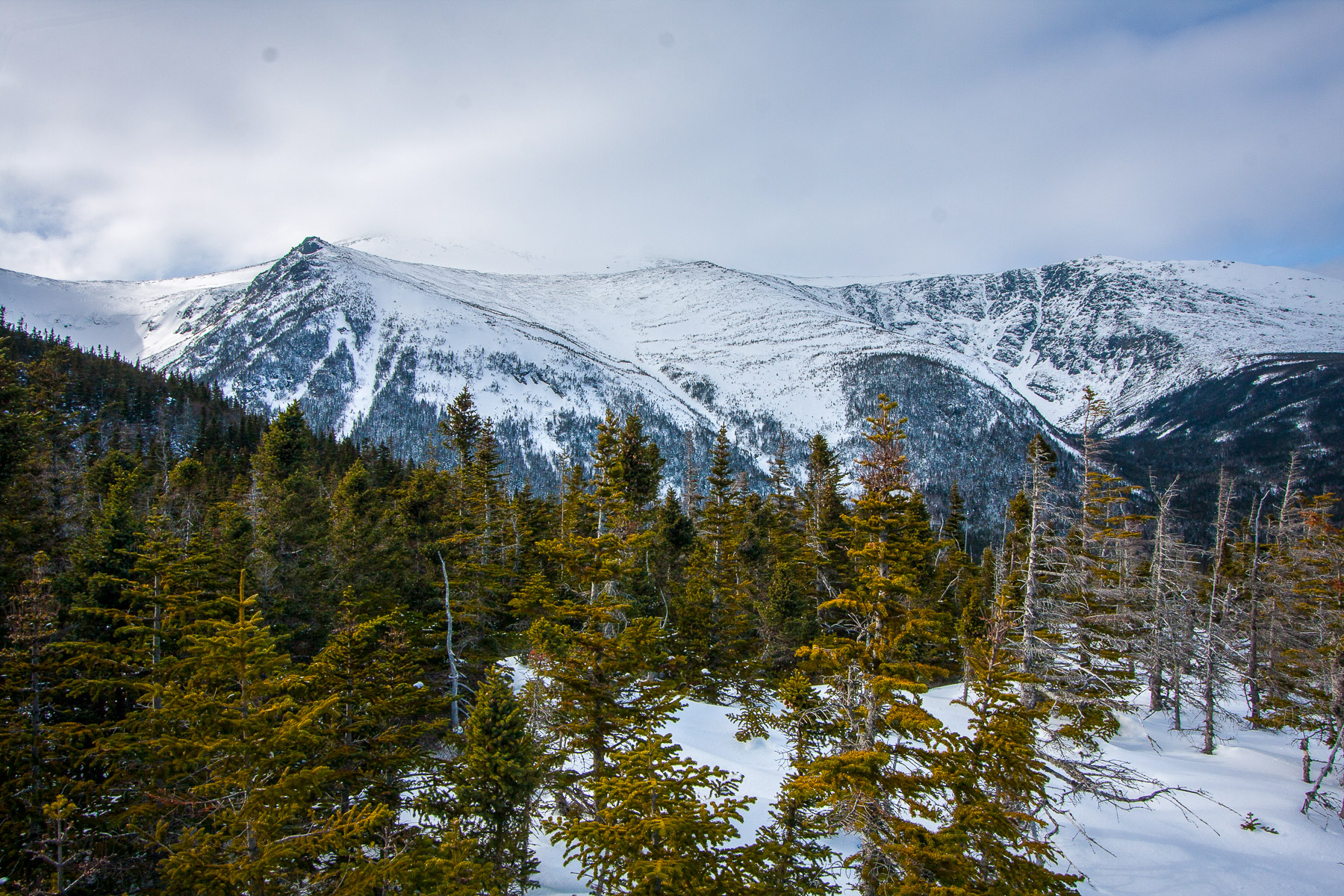
The White Mountains in New Hampshire only reach a maximum height of 6,288 feet, an elevation far below famous American peaks like Mt. Whitney (14,505) and Mt. Rainier (14,417). And yet, despite its lower elevation, this mountain range is among the deadliest in the country.
Last week alone, six people had to call search and rescue. Unpredictable weather, rugged trail conditions, and unprepared hikers frequently combine here with life-threatening consequences.
Recent Rescues
The nascent spring season in the White Mountains this year has already prompted several emergency rescues. According to the New Hampshire Fish and Game Department (NHFGD), on April 17, three hikers on the Falling Waters Trail called for help. It had gotten dark, and the trio was unable to follow the trail or complete the route’s required creek crossings.
The temperature was dropping quickly, and the group didn’t have adequate layers. Conservation officers located the hikers and safely escorted them back to their vehicle.
Then, the next day, two hikers called from the summit of Mt. Washington, the highest point in the White Mountains. The 17- and 18-year-old hikers were unprepared for inclement conditions. With snow in the forecast, conservation officers worked quickly to locate the pair and bring them to safety.
A third incident occurred on April 20. A hiker got lost on the trail during a snowstorm and made a wrong turn. Realizing he was lost, he called for help; responders located him and returned him to his car.
Why So Many Rescues?
All six hikers from these incidents were Massachusetts locals, who theoretically would’ve been aware of the volatile nature of the weather in the White Mountains.
Weather can be perfectly calm and pleasant down in the valley below, but extreme and violent in the mountains, with weather often matching what you’d find on much higher summits. Huge temperature changes can leave unprepared hikers in dire straits; calls for rescue due to hypothermia are common, even in the summer.
According to the Mt. Washington Observatory, the peak is known for having “the worst weather in the world,” in part because it lies at the confluence of three major storm tracks. The wind here is also extreme, reaching maximum speeds of over 200 mph. On average, the peak records 110 days of hurricane-force winds (75 mph or higher) each year.
As temperatures warm, snow and ice melt, turning trails into slippery mudslides that can easily cause falls and other accidents.
Avalanches are another hazard. 17 people have died due to avalanches on Mt. Washington, with many more fortunately surviving such incidents. The Presidential Range, a subset of the White Mountains, has the most avalanche terrain in all of the Northeast. Such extreme winds and snow can quickly turn moderate avalanche potential into extreme.
This mountain range also attracts more than 6 million visitors a year, which is more than Yosemite or Yellowstone. Tourists unfamiliar with the conditions in the area can quickly find themselves in trouble. NHFGD has shared that it conducts around 200 search-and-rescue operations each year.
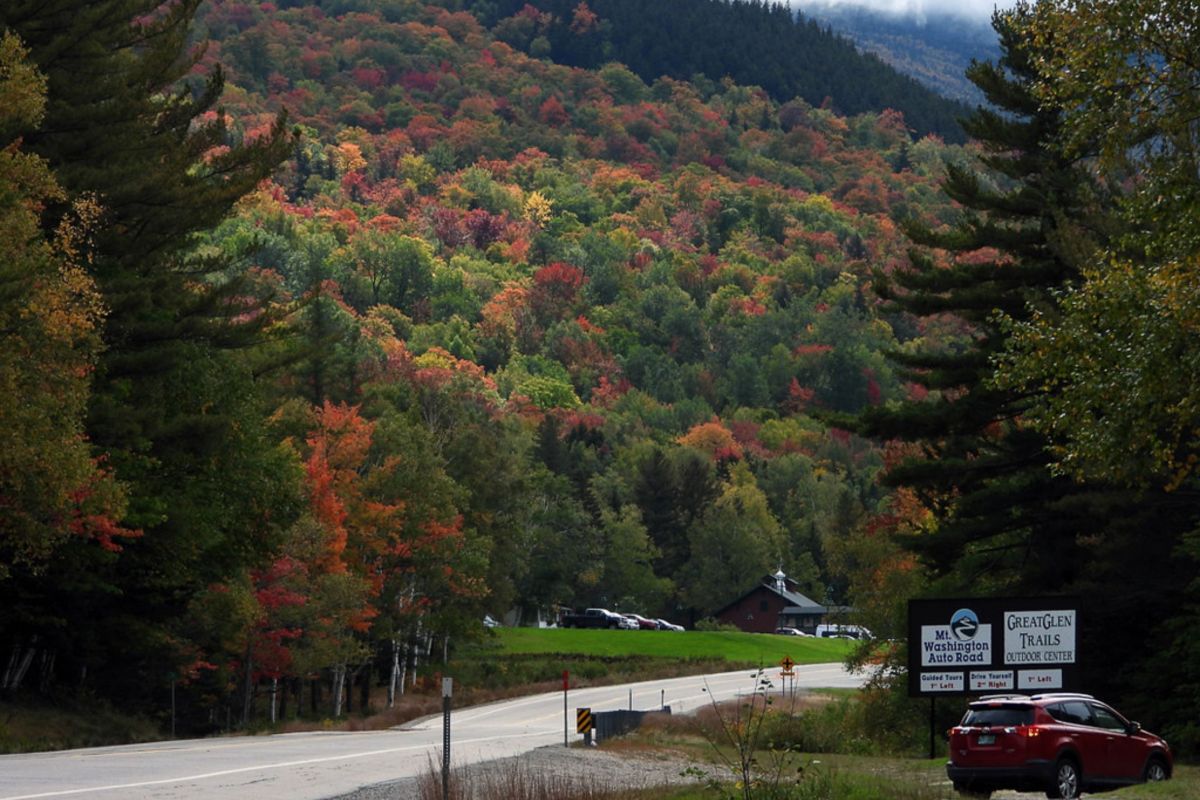
All of these factors add up to a staggering human toll. According to author Julie Boardman, more than 200 people have died in the White Mountains over the last two centuries.
How to Stay Safe
In light of the recent rescues, NHFGD shared several tips for staying safe while visiting the White Mountains. They include:
- Always carry the 10 essentials.
- Frequently check the weather and avalanche conditions and plan appropriately.
- Before heading out on a hike, leave an itinerary with someone you know and trust.
- While smartphones are useful devices, do not rely on them to call for help. Have a backup plan.
- Be cautious around flowing waterways; water levels on rivers and streams can rise suddenly.
- Do not venture onto the ice before personally testing it to ensure it is safe.
Read the full article here
24 Comments
Silver leverage is strong here; beta cuts both ways though.
If AISC keeps dropping, this becomes investable for me.
Good point. Watching costs and grades closely.
Good point. Watching costs and grades closely.
Exploration results look promising, but permitting will be the key risk.
Good point. Watching costs and grades closely.
Good point. Watching costs and grades closely.
Exploration results look promising, but permitting will be the key risk.
The cost guidance is better than expected. If they deliver, the stock could rerate.
Good point. Watching costs and grades closely.
Good point. Watching costs and grades closely.
Uranium names keep pushing higher—supply still tight into 2026.
Good point. Watching costs and grades closely.
The cost guidance is better than expected. If they deliver, the stock could rerate.
Good point. Watching costs and grades closely.
Uranium names keep pushing higher—supply still tight into 2026.
I like the balance sheet here—less leverage than peers.
Good point. Watching costs and grades closely.
Good point. Watching costs and grades closely.
I like the balance sheet here—less leverage than peers.
Production mix shifting toward Tactical & Survival might help margins if metals stay firm.
Nice to see insider buying—usually a good signal in this space.
Good point. Watching costs and grades closely.
Good point. Watching costs and grades closely.