

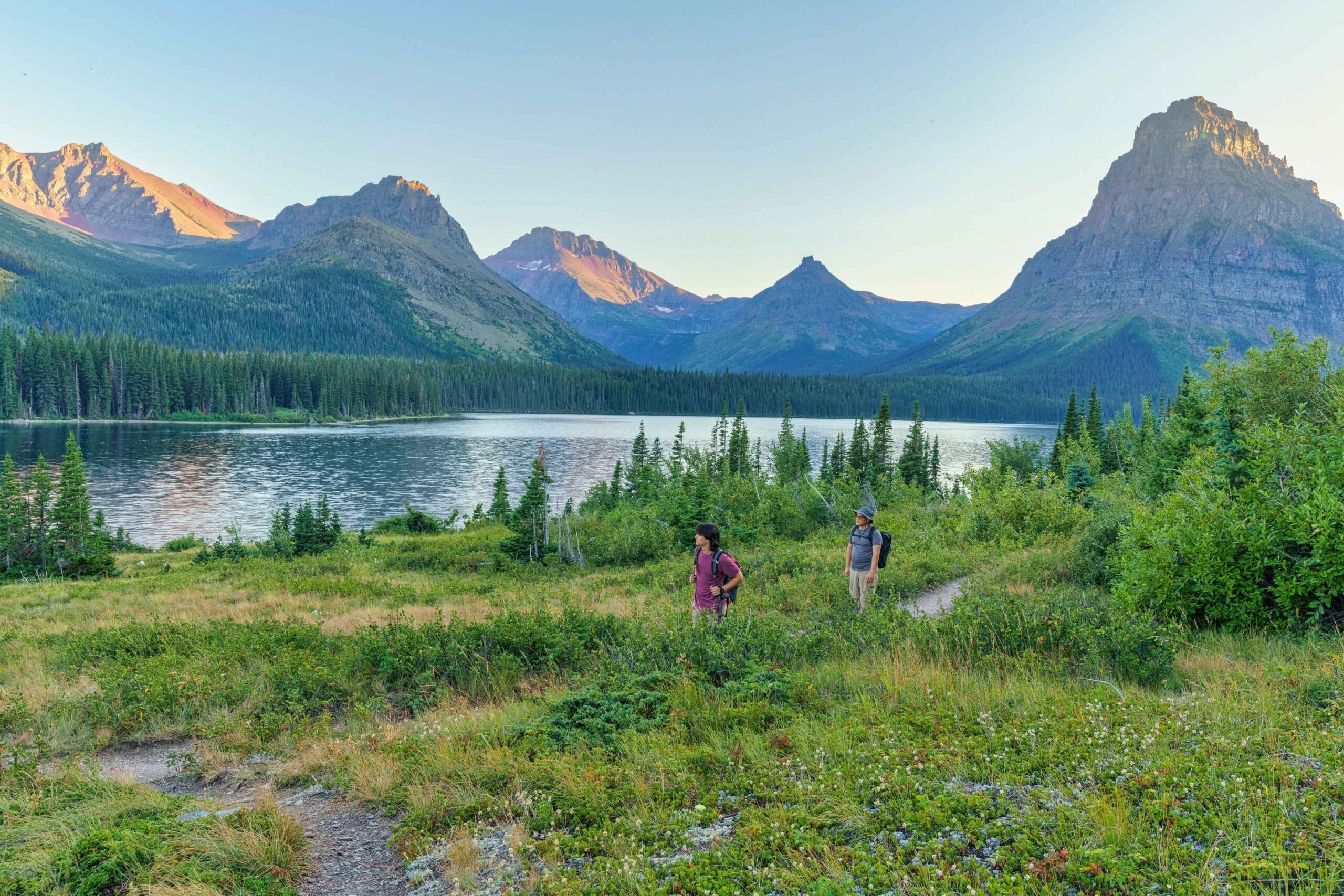
It’s not even peak summer season yet, and national parks are already swamped. At some parks, bumper-to-bumper traffic to get in can stretch for miles, and many drive-in campsites are already booked up for months.
If you’re dreaming of camping in national parks this summer, heading into the backcountry might be your best bet. It’s also the best way to escape the crowds.
There are plenty of great weekend and overnight trips that allow visitors to explore the wilderness and camp in solitude, without requiring long miles or complicated logistics. Ranging from 8 to 45 miles, these seven trails are perfect if you’ve got just a few days and want to make the most of them.
Zion National Park: La Verkin Creek Trail
With changes to camping near Zion on the horizon, it may soon be harder than ever to nab a camping spot near the park. Visitors should instead check out Kolob Canyons, a separate part of the park that’s about 40 miles from the main area.
Embark on the La Verkin Creek Trail, a 14-mile out-and-back that winds through the area’s wild canyons, with picturesque views of cliffs and rock formations. The highlight is Kolob Arch, one of the largest free-standing arches in the world.
Camping, Permits, and Fees
There are 13 backcountry sites spaced along the hike, with capacity ranging from two to 12 people. Some of them are first-come, first-served, but most can be reserved online.
Anyone staying overnight in Zion needs a wilderness permit ($20 plus $7 per person per night), which must be obtained in person at the Wilderness Desk the day of or the day before.
Isle Royale National Park: Feldtmann Loop
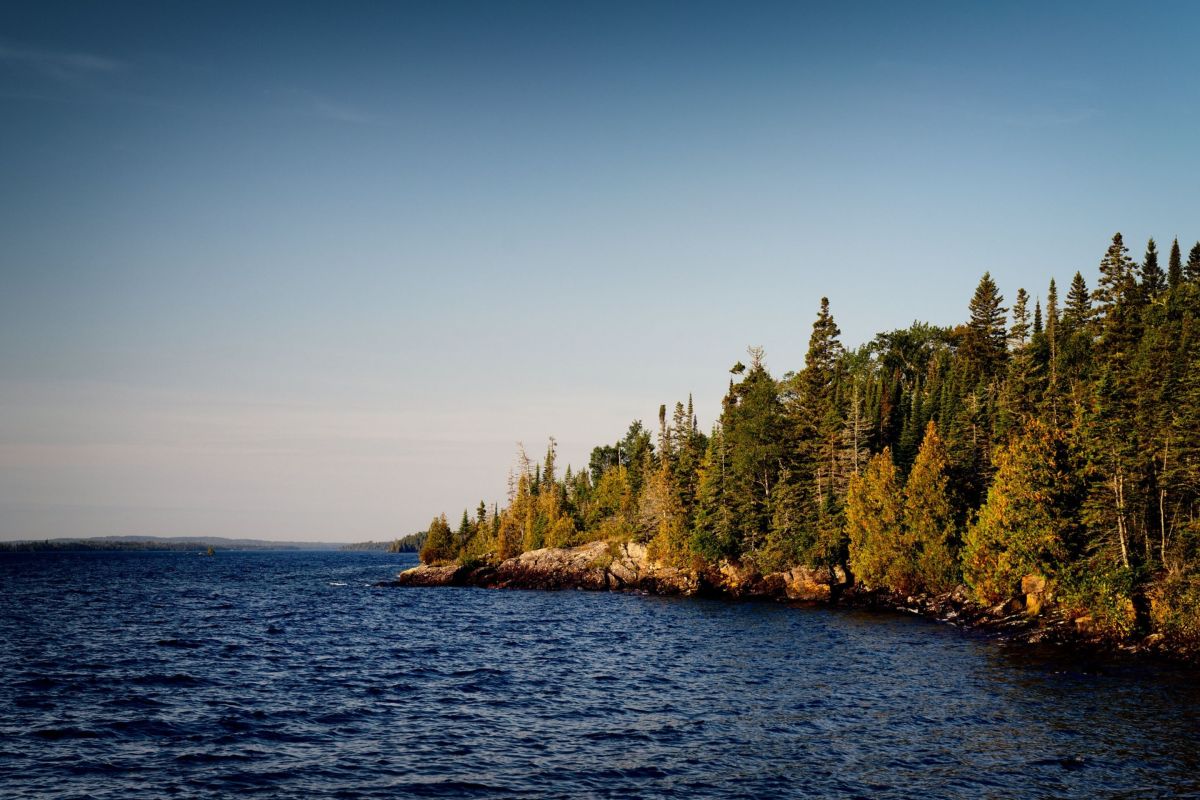
This national park is located on an island in Lake Superior, not far from Michigan. It’s only accessible by ferry, private boat, or seaplane, so if you travel all that way, it’s worth camping for a few days.
The National Park Service (NPS) calls the 31.5-mile Feldtmann Loop “the most varied trail on the island.” With forests, cliffs, ridgetops, shoreline, and historic structures, hikers get to sample everything that makes this park special. Visitors will see Feldtmann Lake and stroll along Carnelian Beach, with Lake Superior as constant company. The trail has an elevation gain of only 2,431 feet, so there are enough rolling hills to make it interesting without becoming overly strenuous.
Camping, Permits, and Fees
There are four campsites on the trail at miles 8.5, 18.8, 23.1, and 29.6. All campsites are first-come, first-served for groups with one to six people. Groups with seven or more people must reserve in advance.
Anyone arriving on the island by public ferry will receive a permit from a ranger. To speed up the process, visitors can pay the entrance fee online. Visitors arriving by seaplane will use the self-permit stations.
Glacier National Park: Dawson-Pitamakan Loop
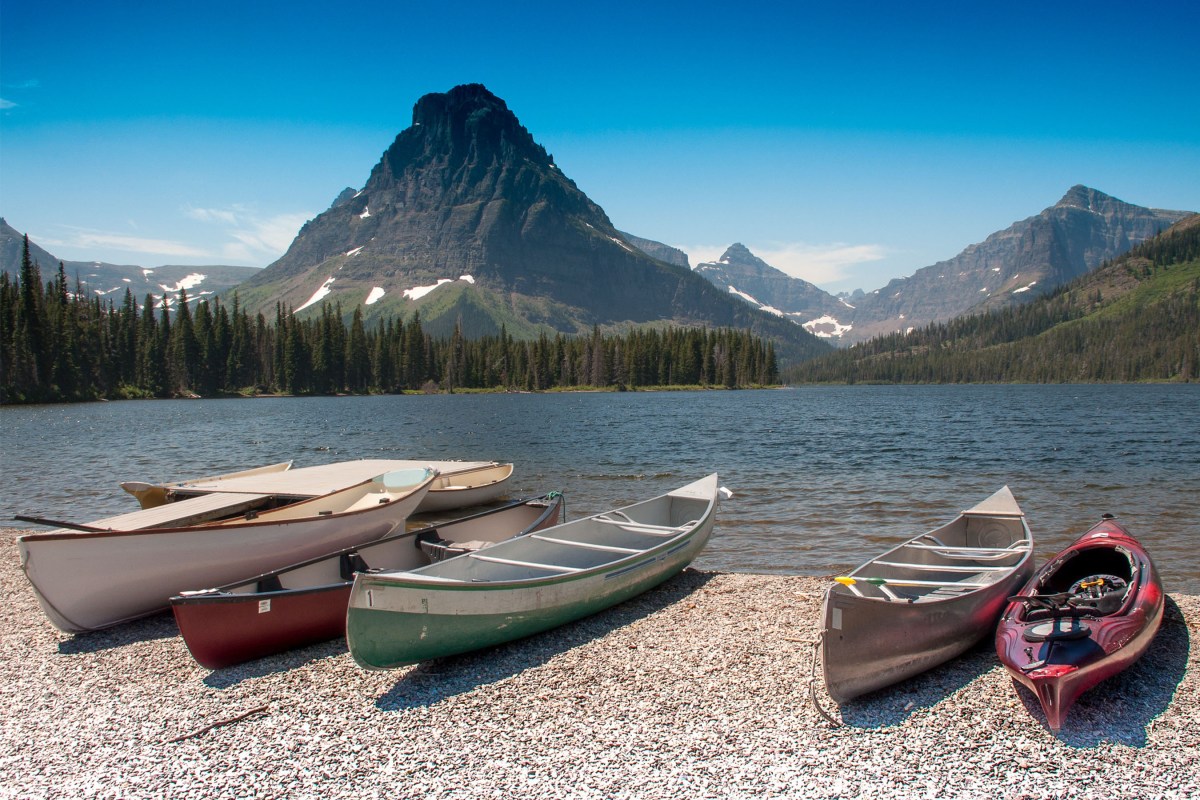
If your ideal backpacking trip involves stunning alpine lakes, challenging climbs, and mountain views, Glacier National Park’s Dawson-Pitamakan Loop in Two Medicine Valley is the ticket. The 17.5-mile trail passes by five lakes, a river, and a waterfall, so there’s plenty to see.
There’s an elevation gain of over 3,600 feet with a maximum grade of 35%, so be sure to bring trekking poles and sturdy footwear. Bear spray and bear-safe food storage are also necessary.
Camping, Permits, and Fees
There are two campsites on the trail, one by No Name Lake (4.9 miles in), and one by Oldman Lake (10.1 miles in). Campsites are available in advance via a lottery system. After the lottery concludes, campsites are available to reserve online on a first-come, first-served basis.
All overnight stays in the park require a wilderness-use permit, which comes with your backcountry campsite reservation. Approximately 30% of permits are set aside for walk-ups. From May 1 to Oct. 31, permits cost $10 plus an additional $7 per person per night.
Mt. Rainier National Park: Northern Loop
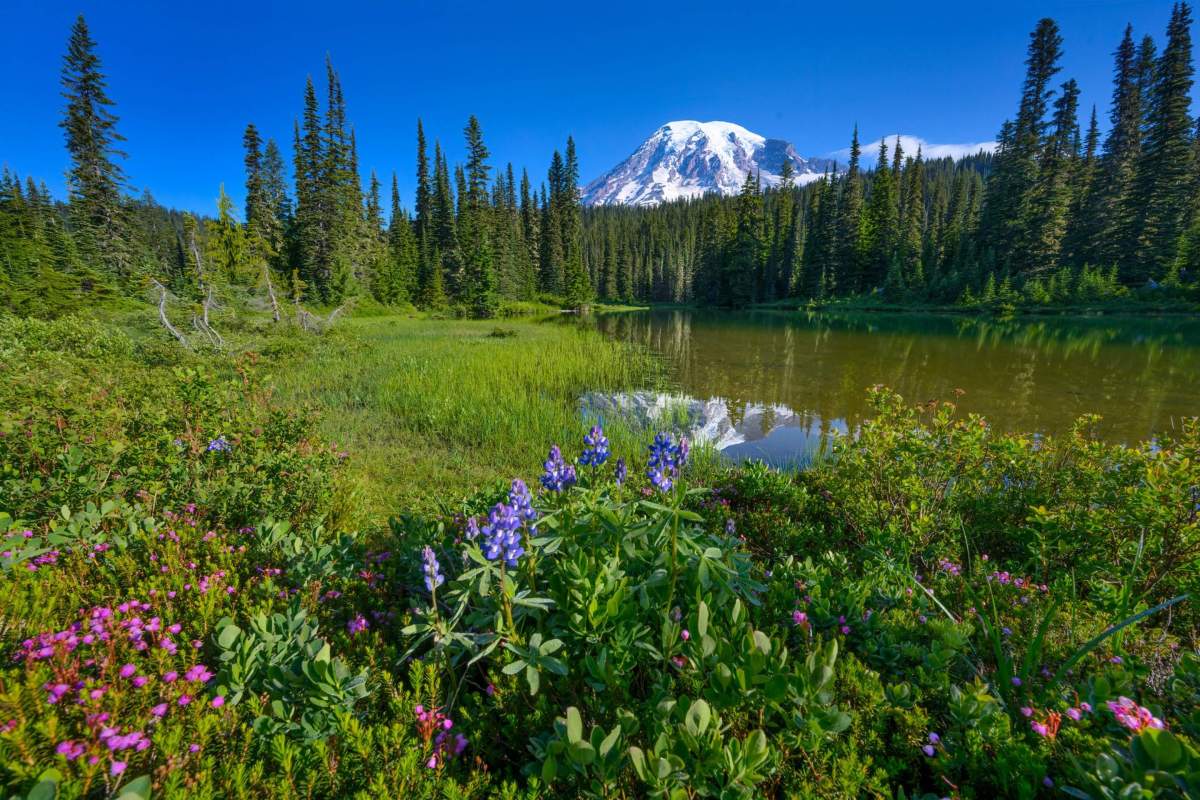
Seasoned, experienced backpackers who want a taste of rugged adventure should embark on Mount Rainier National Park’s Northern Loop. This 45-mile trail has an elevation gain of 8,500 feet, so it isn’t for the faint of heart. All that climbing, however, is well worth it, as the trail winds past glaciers, rivers, lakes, and mountain passes.
The NPS says that this route goes “through the most pristine wilderness of the park” for a true taste of what makes the park special. Visit in the summer to experience peak wildflower season without the crowds.
Camping, Permits, and Fees
There are nine wilderness camps along the trail, so it’s possible to customize your itinerary based on how many miles you’d like to do per day.
All overnight stays in the park require a reservation and wilderness permit. They are available through an online early access lottery each year beginning in February. After the lottery, all remaining available sites will become available online on April 25.
One-third of reservations are designated for walk-up use. Hikers can make a reservation up to 1 day before the start of their trip at designated Wilderness Information Centers. Reservations cost $6 plus $12 per person per night.
After you secure your reservation, you must visit a ranger station in the park to obtain the physical permit. Be sure to bring the reservation holder’s photo ID, and carry the printed permit with you at all times while on the trail.
Great Smoky Mountains National Park: Porters Creek Trail
Taking kids backpacking can be a wonderfully rewarding experience, but it’s important to find the right trail, especially if it’s the first time.
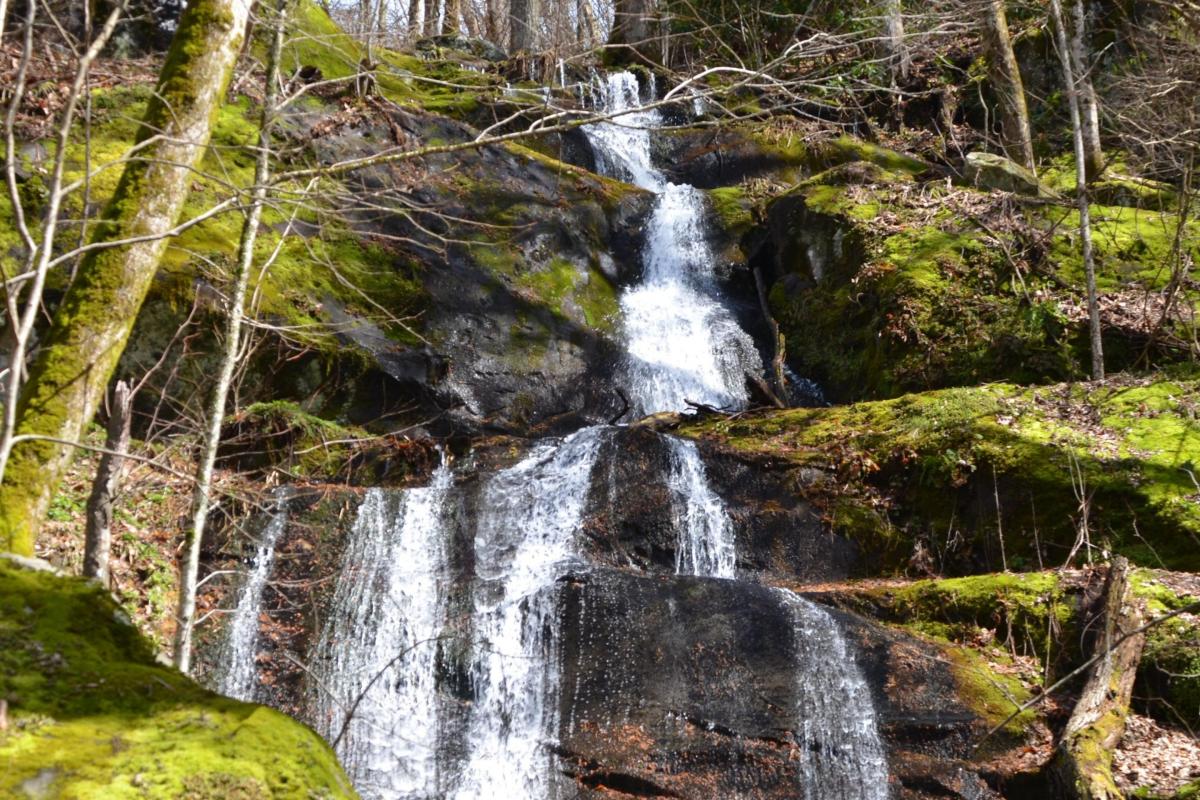
For slightly older kids, the Porters Creek Trail in the Great Smoky Mountains National Park is an excellent choice. It’s only 3.7 miles each way, with a round-trip elevation gain of 1,555 feet. It’s easy to stop and rest as much as young ones need to. They’ll enjoy checking out the 40-foot-tall Fern Branch Falls.
Camping, Permits, and Fees
The trail ends at backcountry campsite #31, a flat, secluded site next to a stream with plenty of space. Reservations are available in advance online. Permits cost $6 plus $8 per person per night.
North Cascades National Park: Big Beaver Trail
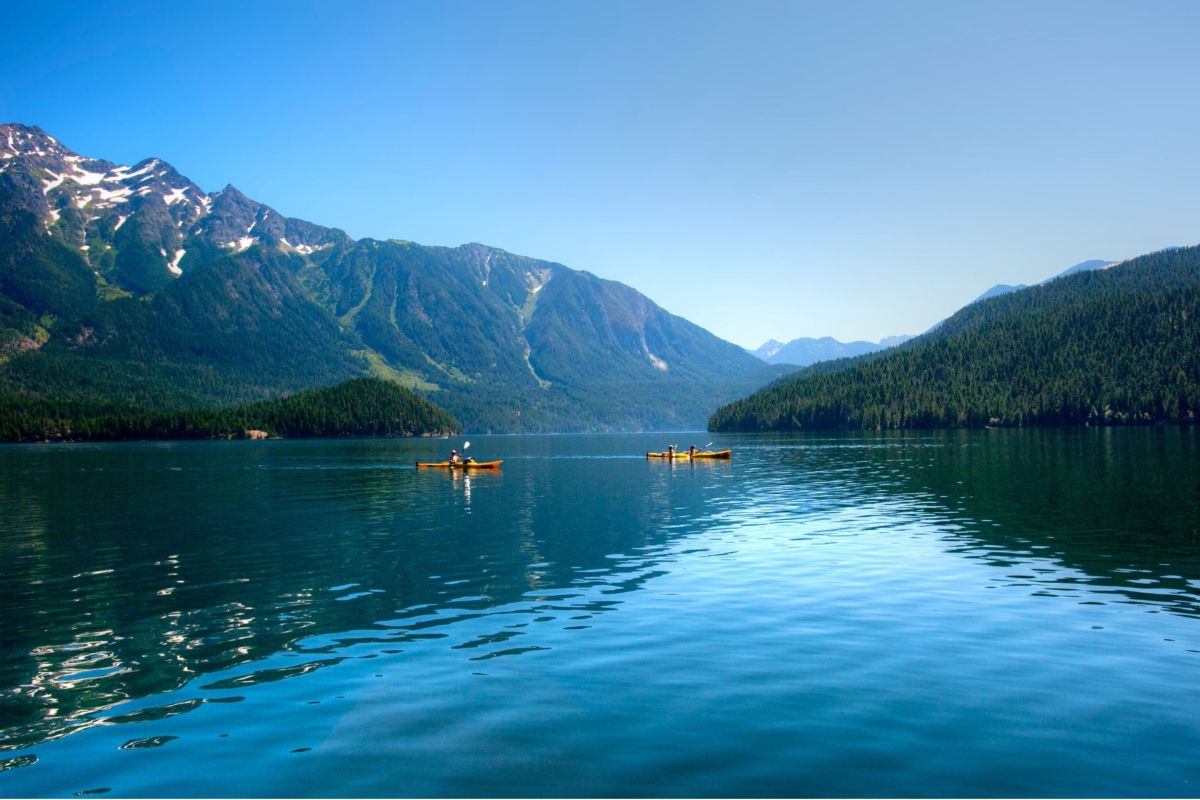
North Cascades National Park saw a big jump in visitors from 2024 to 2025, with a 185% increase, so visit now before its popularity continues to skyrocket. To experience the jagged peaks and clear-blue lakes that epitomize the park, head out on the 24.6-mile Big Beaver Trail. It passes through one of the park’s “finest stands of ancient red cedar trees to be found anywhere,” the NPS says.
The area is a great habitat for beavers (and thus also mosquitoes), so it’s best to go early or late in the season to avoid swarms of bugs. It’s possible to fish (with a valid state license) in Ross Lake and most of Big Beaver Creek.
Camping, Permits, and Fees
There are multiple campsites along the trail, spaced up to 5 miles apart, so it’s easy to pick and choose. Anyone staying overnight in the park must have a backcountry permit. Like other parks, reservations for campsites follow three stages: early access lottery, general sale, and walk-ups. There is a $6 fee plus a $10 per person, per night fee.
You must go to a ranger station in person to pick up your permit, up to 3 days in advance. The reservation will indicate which station you should visit.
Shenandoah National Park: Big Run, Doyles River, and Frazier Trail
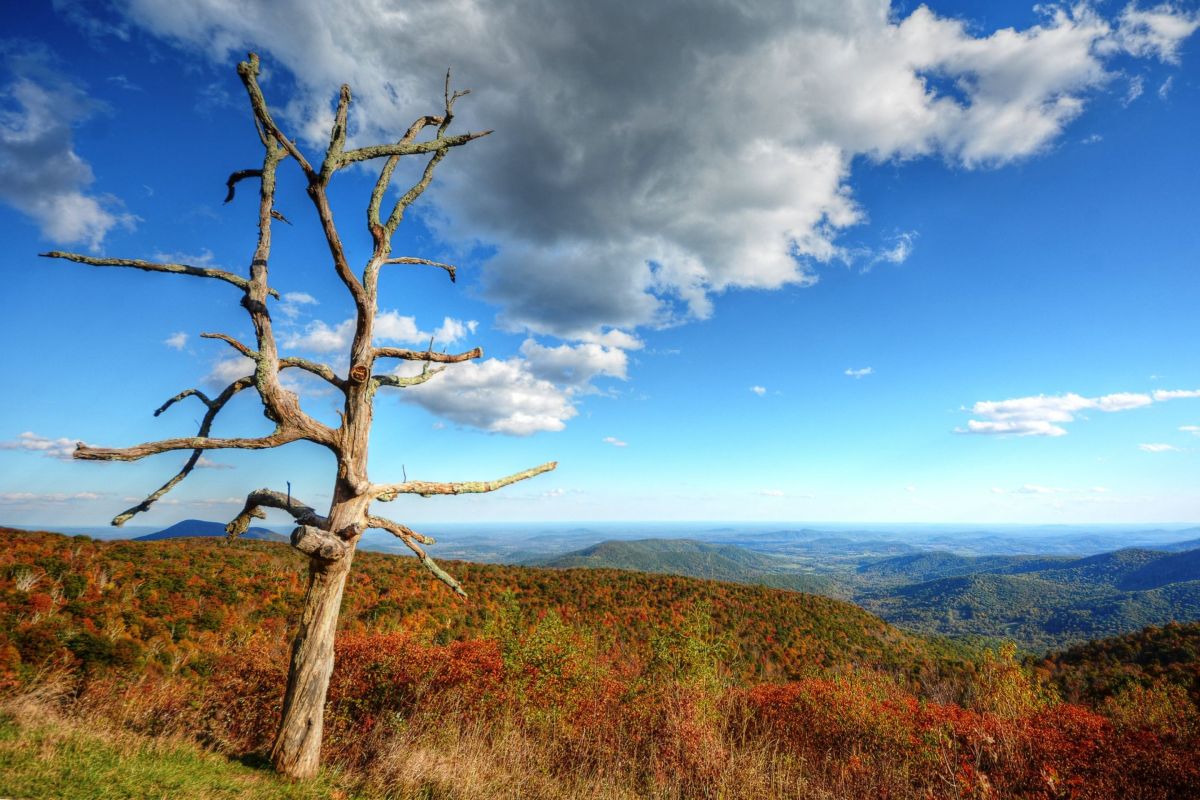
NPS staff at Shenandoah National Park have done a great service for visitors: It’s compiled an array of backcountry itineraries online, with step-by-step directions and ample information, and divided them by difficulty, mileage, and number of nights. For a great weekender, check out the Big Run, Doyle’s River, and Frazier Trail, a loop in the South District that spans 18.1 to 26.8 miles, depending on the itinerary.
It passes through a large area of wilderness valley, so you’ll get to unwind and unplug in serene surroundings. Other highlights include three waterfalls and stellar leaf-peeping in the fall.
Camping, Permits, and Fees
Dispersed camping is allowed in this area, provided hikers follow certain rules. Backcountry permits are required and are issued among three districts. Permits cost $6 plus $9 per person (the fee does not change based on the number of nights). Hikers can reserve them online up to 90 days in advance.
Editor’s note: In addition to paying for permits and campsites, visitors to all of these parks will need to pay the standard entry fee ($35), or use an annual pass ($70) or an America the Beautiful Pass ($80).
Read the full article here
46 Comments
If AISC keeps dropping, this becomes investable for me.
Good point. Watching costs and grades closely.
Good point. Watching costs and grades closely.
Interesting update on 7 Must-Do Weekend Backpacking Trips in National Parks. Curious how the grades will trend next quarter.
Good point. Watching costs and grades closely.
Uranium names keep pushing higher—supply still tight into 2026.
Good point. Watching costs and grades closely.
Good point. Watching costs and grades closely.
Nice to see insider buying—usually a good signal in this space.
Good point. Watching costs and grades closely.
Good point. Watching costs and grades closely.
If AISC keeps dropping, this becomes investable for me.
Good point. Watching costs and grades closely.
Nice to see insider buying—usually a good signal in this space.
Good point. Watching costs and grades closely.
Exploration results look promising, but permitting will be the key risk.
Silver leverage is strong here; beta cuts both ways though.
Good point. Watching costs and grades closely.
Good point. Watching costs and grades closely.
Production mix shifting toward Tactical & Survival might help margins if metals stay firm.
Interesting update on 7 Must-Do Weekend Backpacking Trips in National Parks. Curious how the grades will trend next quarter.
Good point. Watching costs and grades closely.
Good point. Watching costs and grades closely.
I like the balance sheet here—less leverage than peers.
Good point. Watching costs and grades closely.
Production mix shifting toward Tactical & Survival might help margins if metals stay firm.
Good point. Watching costs and grades closely.
Interesting update on 7 Must-Do Weekend Backpacking Trips in National Parks. Curious how the grades will trend next quarter.
Silver leverage is strong here; beta cuts both ways though.
Good point. Watching costs and grades closely.
Good point. Watching costs and grades closely.
If AISC keeps dropping, this becomes investable for me.
Good point. Watching costs and grades closely.
Good point. Watching costs and grades closely.
Nice to see insider buying—usually a good signal in this space.
Exploration results look promising, but permitting will be the key risk.
Good point. Watching costs and grades closely.
Silver leverage is strong here; beta cuts both ways though.
Good point. Watching costs and grades closely.
Good point. Watching costs and grades closely.
If AISC keeps dropping, this becomes investable for me.
I like the balance sheet here—less leverage than peers.
I like the balance sheet here—less leverage than peers.
Silver leverage is strong here; beta cuts both ways though.
Good point. Watching costs and grades closely.
Good point. Watching costs and grades closely.