

America’s national parks are beloved and receive hundreds of millions of visitors a year. While they certainly deserve all the attention they get, don’t forget that state parks can deliver a wow factor, too. And there are usually some cool ones within driving distance of the most popular national parks.
If you’re headed to popular parks like Zion or Yosemite, fill out your itinerary with visits to the nearby state parks that have equally stunning trails and vistas. They’re also a great chance to escape the crowds, they’re typically cheaper to access, and some even allow dogs.
We talked to locals to get tips on how best to round out your trip and fully experience these areas’ natural beauty.
Near Yosemite National Park
Calaveras State Park
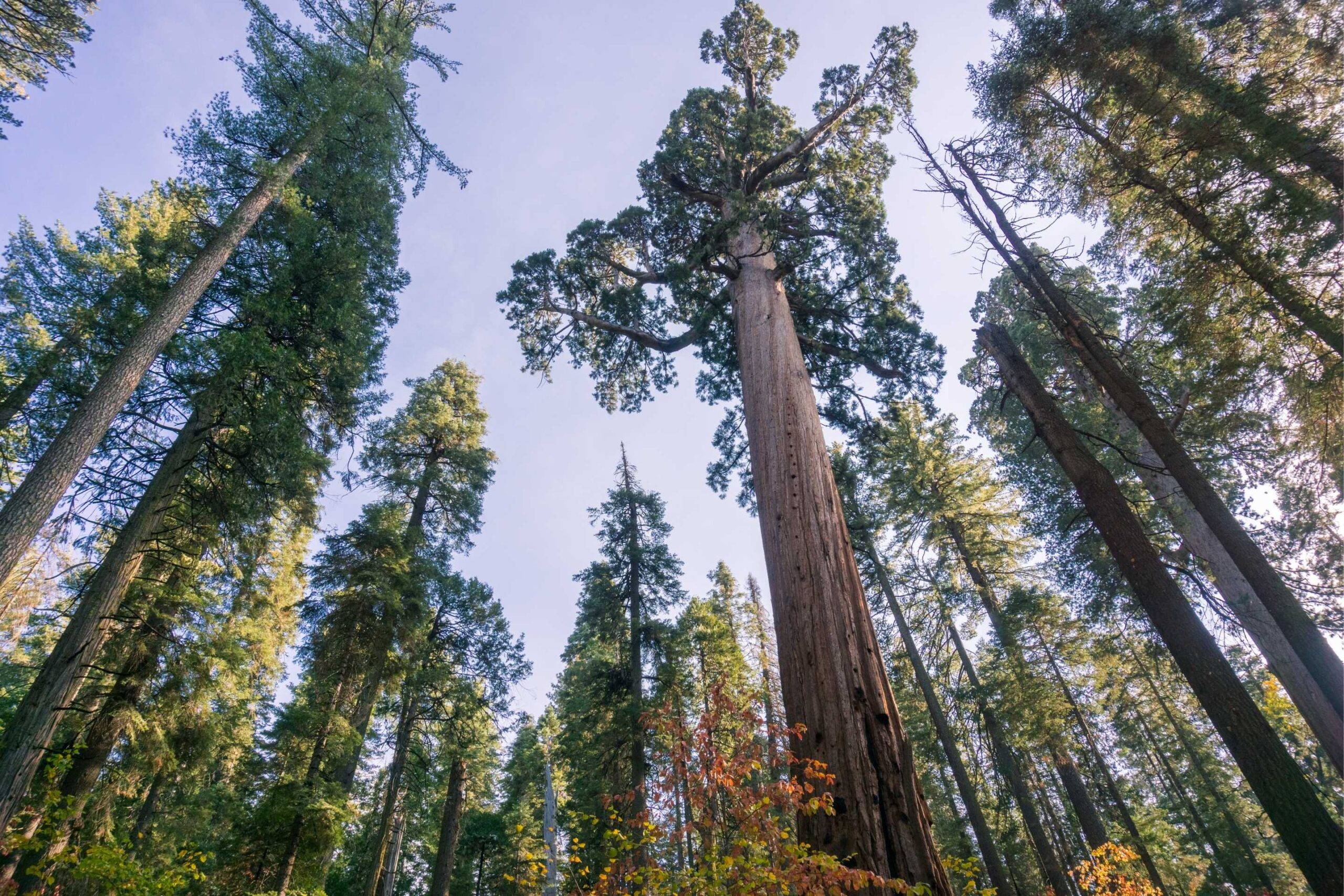
After you’ve had your fill of beauty at Yosemite, Calaveras Big Trees State Park is a worthwhile day trip just 80 miles north.
As the name suggests, this park is home to conifers and giant sequoias that reach heights of over 200 feet. There are volcanic formations and natural meadows to stroll among. Hike the 5-mile South Grove Trail to see the park’s biggest trees and wander along a creek. If you’d like to spend a few days here, reserve a stay at Oak Hollow Campground in advance.
For the history buffs out there, there’s also Bodie State Historic Park about an hour northeast of Yosemite. Here you’ll visit a former mining camp from the 1870s, now preserved as a ghost town.
Walk through the old streets and take a stroll through the museum to learn about the Gold Rush era in California. Of the 2,000 structures that once stood in this mining camp, only about 10% are left. The remains of this ghost town are being kept in a state of “arrested decay” for you to wander, explore, and enjoy.
Cost: California State Parks charge a $8-10 vehicle day-use fee, or you can purchase the Golden Poppy annual pass for $125. Campsites at Calaveras State Park cost $35 a night.
Near Yellowstone National Park
Buffalo Bill State Park
To add some extra fishing, boating, or paddling to your trip to Yellowstone, head to nearby Buffalo Bill State Park, which is home to a large reservoir. Named for Colonel William F. “Buffalo Bill” Cody, who spent many years guiding and sponsoring hunting parties in this area, the land in this state park was once owned by Buffalo Bill. The U.S. government acquired it from him in order to create the reservoir.
The area is well-known for its high concentration of walleye, lake trout, and rainbow trout. Call 1-877-996-7275 to make a reservation at the Lake Shore or North Fork Campgrounds.
Cost: Out-of-state residents must pay a $12 daily fee per vehicle at Wyoming state parks. Anglers must purchase a fishing license, which costs $14 a day for non-residents.
First Peoples Buffalo Jump State Park
No animal is more often associated with the American West than the buffalo. First Peoples Buffalo Jump State Park in Montana is a fantastic place to learn all about it.
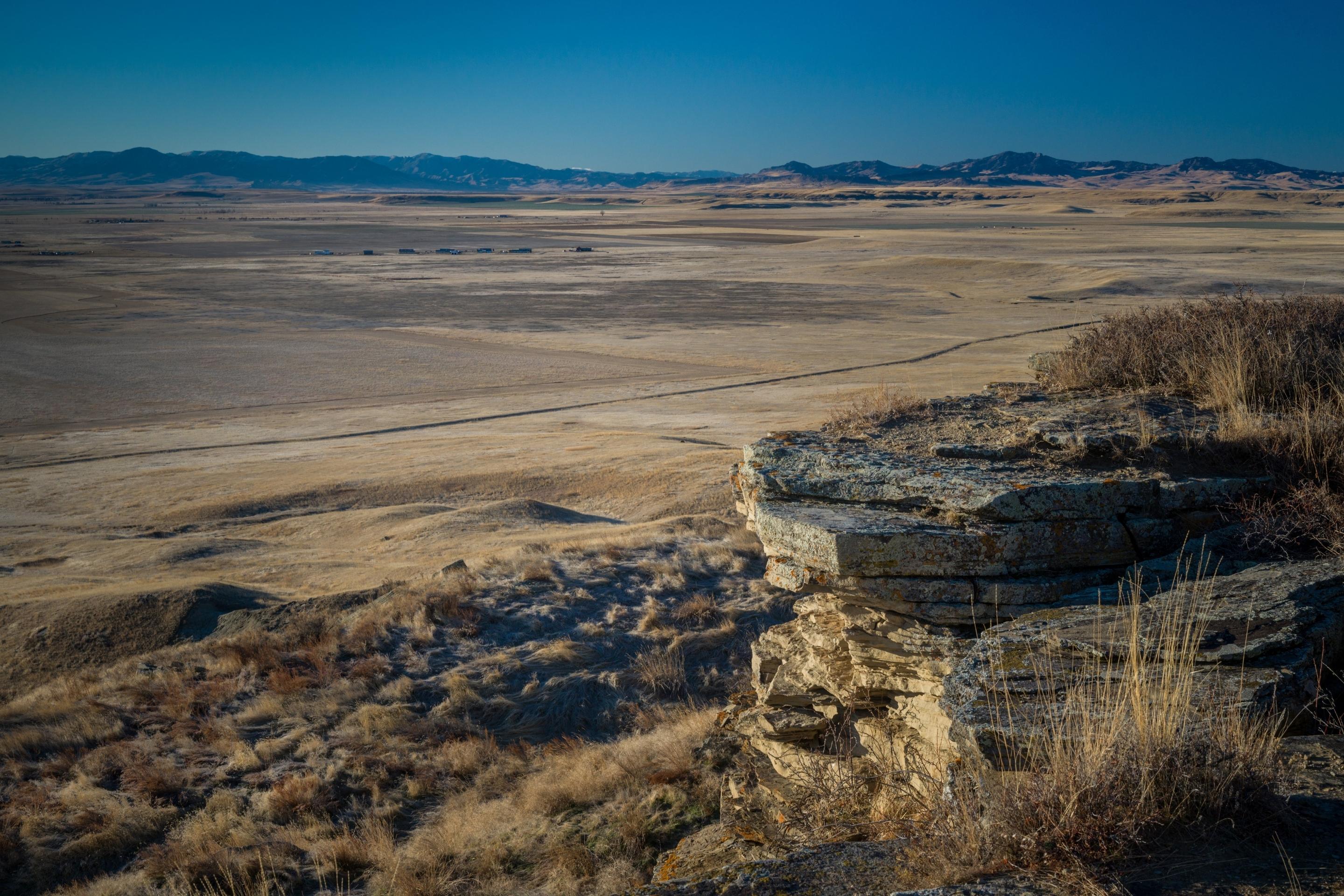
For centuries, Native Americans stampeded buffalo over a cliff in this area, the largest buffalo jump site in the country. An educational center at the park tells visitors all about this important history.
The park also offers terrific vistas of the Rocky Mountain Front and the Missouri River Valley. Campsites are $10 per night.
Earthquake Lake Visitor’s Center
While not technically a state park, GJ Hunt & Fish Editor Rachelle Schrute, who used to guide wilderness trips in Yellowstone, said we had to include the Earthquake Lake Visitors Center.
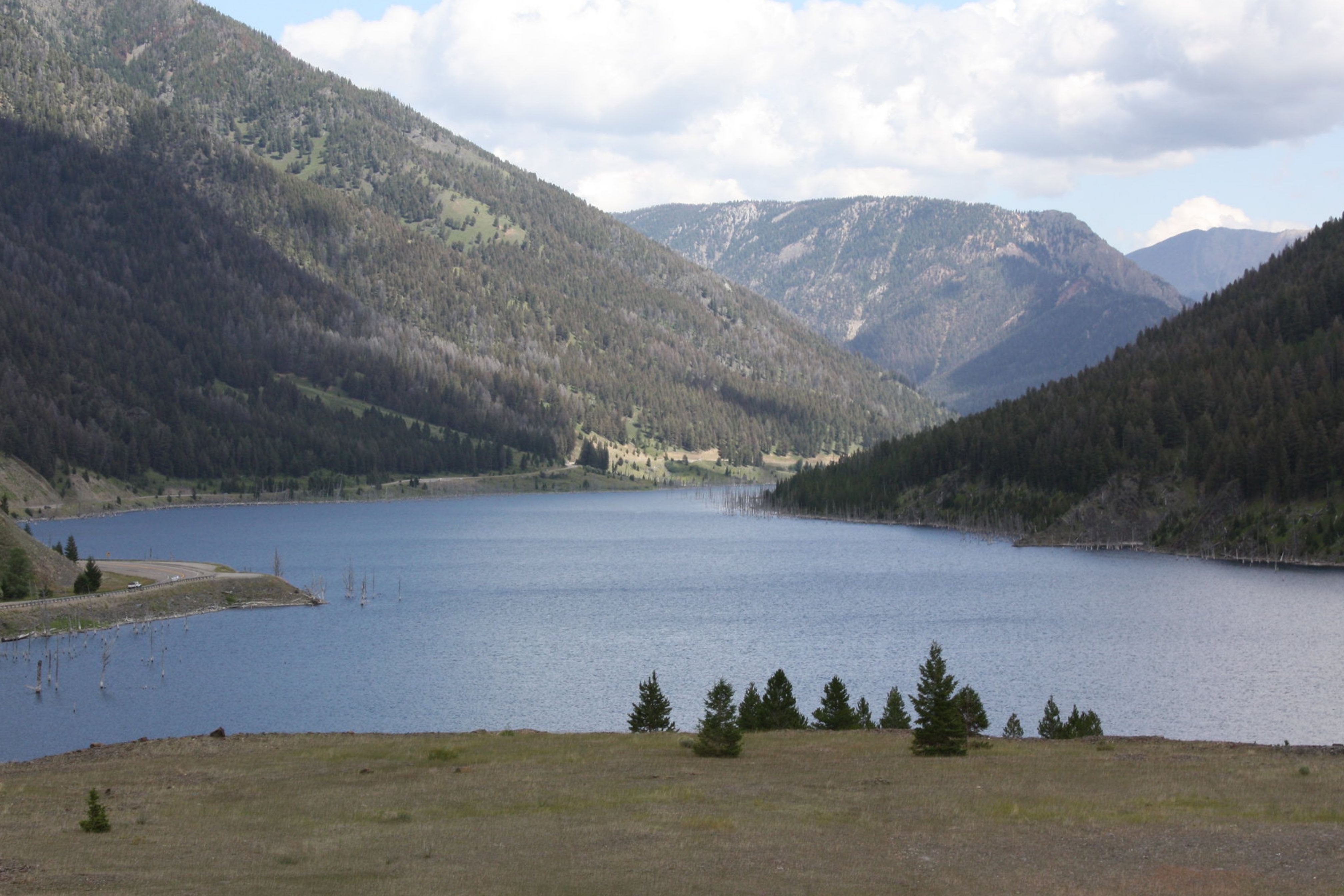
Managed by the U.S. Forest Service, this visitor center tells the almost unbelievable story of a devastating 1959 earthquake that produced a massive lake. A 7.5 Richter scale event sent 80 million tons of rock careening down a narrow canyon, where it blocked the path of the Madison River. Earthquake Lake was formed as a result.
Just 27 miles from Yellowstone’s west entrance, this is an easy add-on for almost any Yellowstone National Park adventure.
Cost: Montana state parks charge non-residents an $8 day-use vehicle fee
Near Zion National Park
Snow Canyon State Park
If you didn’t score a permit to hike the famous Angel’s Landing trail in Zion, don’t worry. There are plenty of other five-star hikes nearby.
Visit Snow Canyon State Park, less than an hour away, for a striking landscape shaped by sandstone cliffs and lava flows. Located at the intersection of the Mojave Desert, Great Basin Desert, and Colorado Plateau, a diverse array of wildlife lives here, including rare species such as the gila monster, desert tortoise, and peregrine falcon. Try the 4-mile Whiterocks Trail for sweeping views and a bit of rock scrambling fun.
Coral Pink Sand Dunes State Park
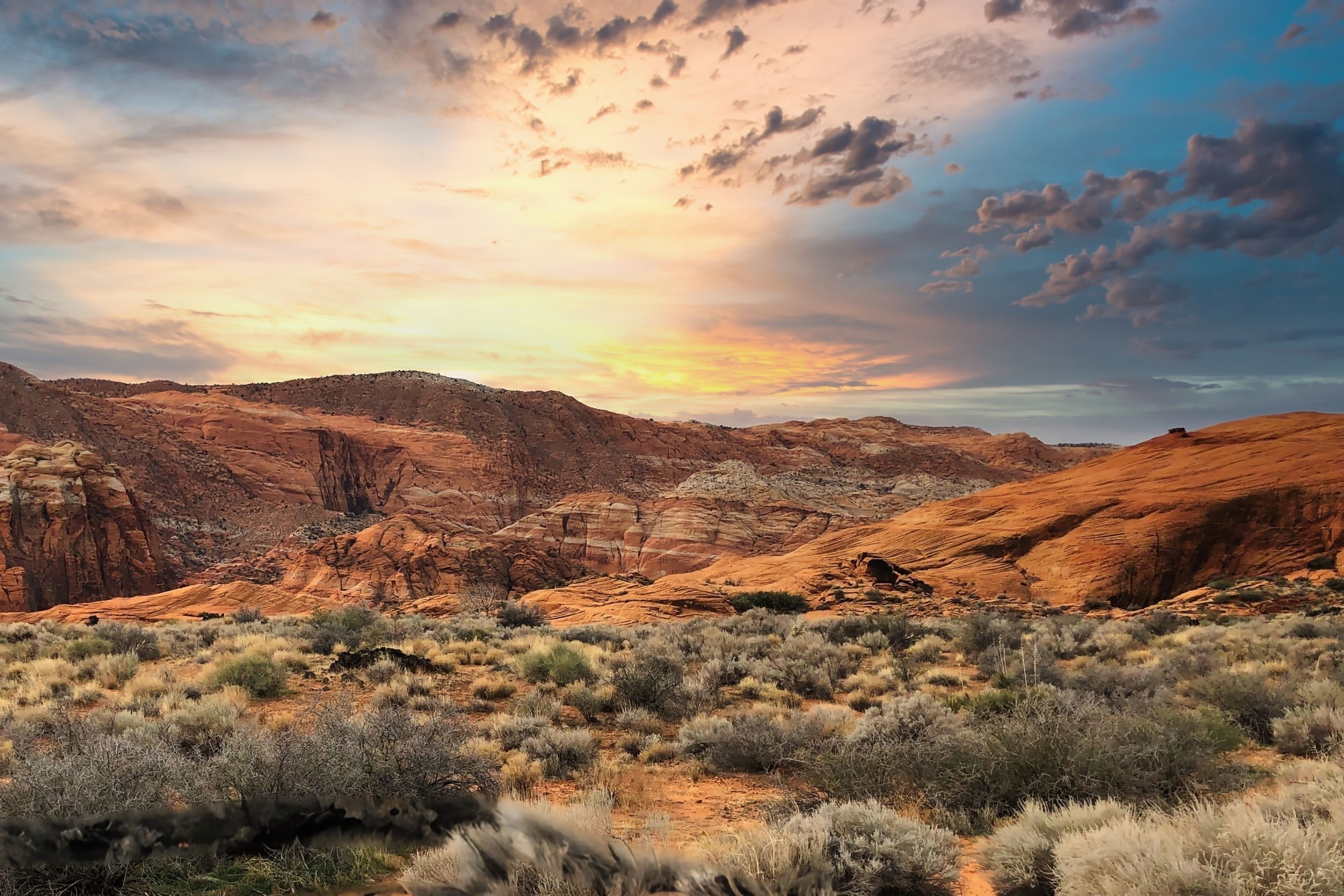
Coral Pink Sand Dunes State Park offers a different but equally picturesque environment. There are no real “established” trails here, since wind can move the dunes. It’s much more of a choose-your-own-adventure vibe among the colorful sand.
At sunset, the golden hour light makes the dunes and surrounding rocks light up in almost neon shades of pink. Bring your dog and wander among the coral-colored dunes, exploring their peaks and ridges.
Quail Creek State Park
Anglers should be sure to check out Quail Creek State Park, whose massive reservoir has large populations of fish. At 120 feet, its lower levels are cold enough to sustain stocked rainbow trout, bullhead catfish, and crappie. The upper levels of the lake offer some of the warmest water in the state, sustaining largemouth bass and bluegill.
Cost: The day-use vehicle fee for out-of-state visitors is $20. A 3-day fishing license for non-residents costs $44.
Near Grand Canyon National Park
Slide Rock State Park
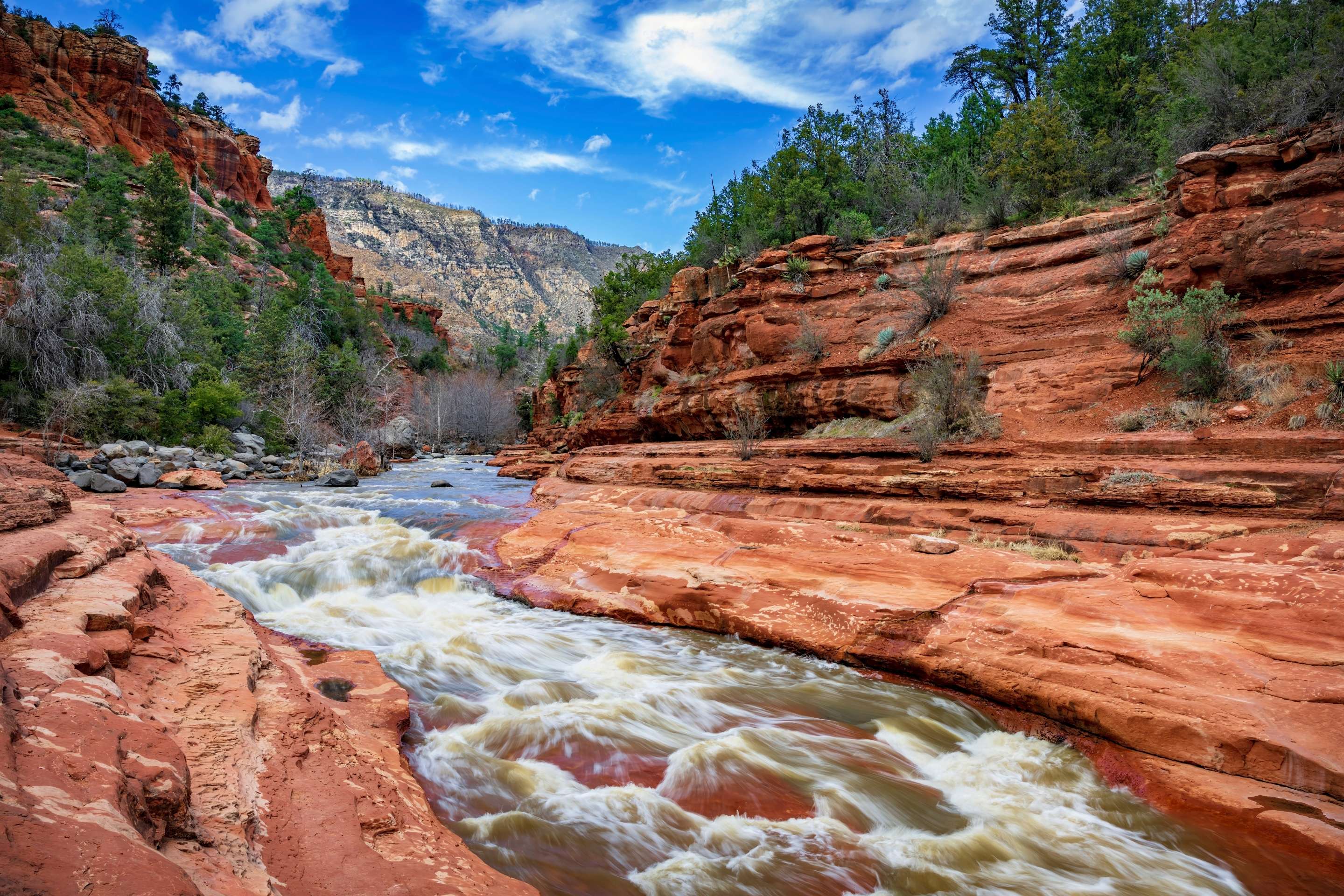
Since much of the Grand Canyon will be closed this year due to wildfire damage, it’s a great idea to fill up your itinerary with visits to other nearby parks. About 2 hours away is Slide Rock State Park, the site of an early 1900s homestead. In addition to its visiting its namesake rock slide, you can swim and cool off in Oak Creek.
This park was originally a 43-acre apple farm that serves as a historically preserved example of agricultural development in central Arizona.
Red Rock State Park
Not far from the South Rim is Red Rock State Park, home to hoodoos and other unique rock formations shaped by time and wind. Its rich riparian habitat makes it a great place to see desert plants and animals and learn about their ecology. Every morning at 10 o’clock, a park ranger leads a guided nature walk, discussing the area’s geology, wildlife, history, archaeology, and plant life.
For a true taste of everything the park has to offer, check out the 2.5-mile Eagle Creek Trail. For those hiking with little ones, the 0.64-mile Kisva Trail is kid-friendly.
Cost: Entrance to Arizona state parks for adults costs $10 and $5 for youth. Children under 6 years old are free.
Near Rocky Mountain National Park
State Forest State Park
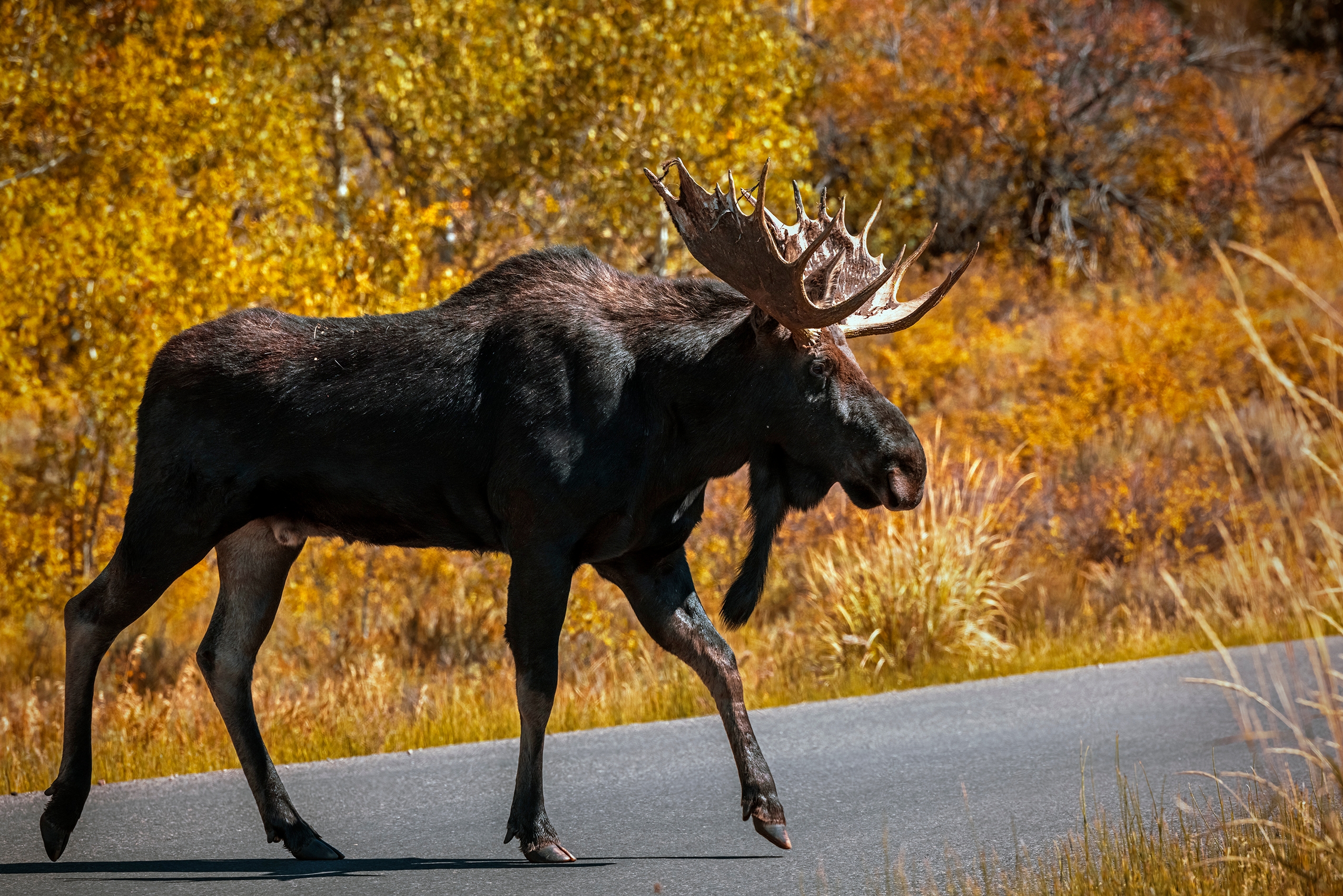
If you didn’t get your fill of rugged mountains or moose viewing in Rocky Mountain National Park, head over to State Forest State Park.
This 70,000-acre area has 136 miles of trails, 228 campsites, and 14 picnic areas — so there’s something for everyone.
The 3.7-mile American Lakes Trail takes hikers through forests and meadows before they arrive at a massive basin overlooking the lakes. This hike has over 1,500 feet of elevation change, so be sure to bring sturdy hiking boots and trekking poles. For a relaxing walk or evening stroll, check out the 0.6-mile Lady Loop Trail.
Boyd Lake State Park
Boyd Lake State Park, meanwhile, is all about water recreation. It lies on the westernmost edge of the plains, within sight of the iconic Longs Peak.
With 1,700 surface acres of water, there’s plenty of room for boaters, water skiers, kayakers, paddle boarders, and more. It even has a beach for relaxing, catching some rays, and cracking open a drink. There are also 140 campsites that you can reserve online.
Cost: A daily vehicle pass to Colorado state parks costs $10. A yearlong vehicle pass costs $80. Campsites at Boyd Lake are $41 per night.
Read the full article here
28 Comments
Interesting update on Add On to Your National Park Trip: Under-the-Radar State Parks You Shouldn’t Miss. Curious how the grades will trend next quarter.
Good point. Watching costs and grades closely.
Uranium names keep pushing higher—supply still tight into 2026.
Exploration results look promising, but permitting will be the key risk.
Good point. Watching costs and grades closely.
Good point. Watching costs and grades closely.
Exploration results look promising, but permitting will be the key risk.
Good point. Watching costs and grades closely.
If AISC keeps dropping, this becomes investable for me.
Good point. Watching costs and grades closely.
Good point. Watching costs and grades closely.
Uranium names keep pushing higher—supply still tight into 2026.
Nice to see insider buying—usually a good signal in this space.
Good point. Watching costs and grades closely.
Silver leverage is strong here; beta cuts both ways though.
Good point. Watching costs and grades closely.
Production mix shifting toward Tactical & Survival might help margins if metals stay firm.
Good point. Watching costs and grades closely.
Exploration results look promising, but permitting will be the key risk.
Good point. Watching costs and grades closely.
Uranium names keep pushing higher—supply still tight into 2026.
Good point. Watching costs and grades closely.
Good point. Watching costs and grades closely.
Interesting update on Add On to Your National Park Trip: Under-the-Radar State Parks You Shouldn’t Miss. Curious how the grades will trend next quarter.
Good point. Watching costs and grades closely.
Good point. Watching costs and grades closely.
Silver leverage is strong here; beta cuts both ways though.
I like the balance sheet here—less leverage than peers.