

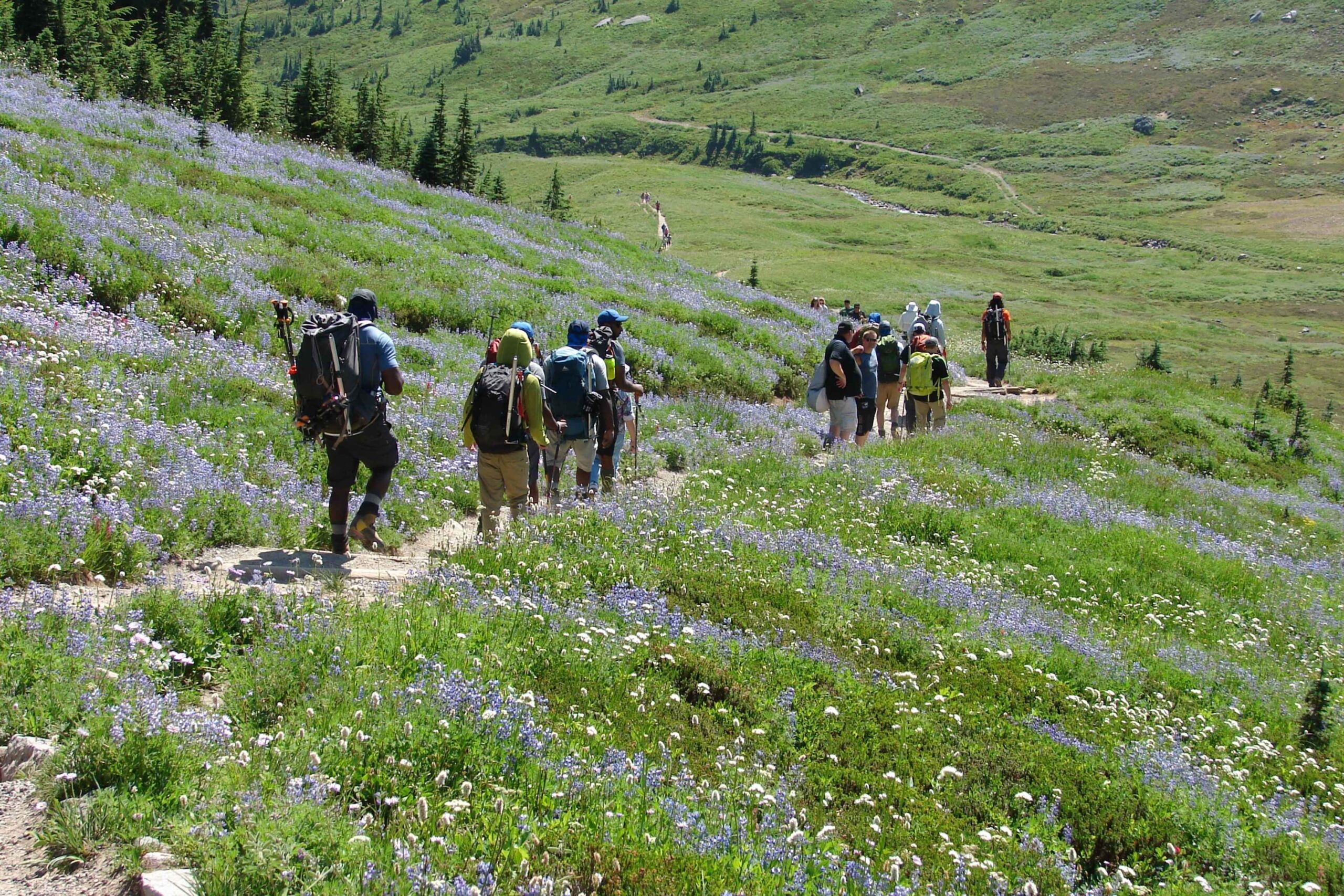
Wildflowers are one of nature’s most beautiful — and fleeting — treasures. One week, they carpet a meadow in a sea of colorful blooms; the next, they might all be gone. Seeing them takes timing, planning, and a little luck.
If you’re looking to photograph a super bloom this spring or take in some striking vistas, multiple national parks offer top-tier wildflower viewing. Here’s everything you need to know about when and where to visit, and events to help you appreciate these gems.
Great Smoky Mountains National Park
America’s most-visited national park is also the richest in wildflowers. Over 1,500 kinds of flowering plants call the park home. Spring ephemerals (which appear in late winter and die off by early summer) are some of the stars of the show, and are usually best seen from February through April.
“The peak of spring wildflower blooming usually occurs in mid- to late-April at lower elevations in the park, and a few weeks later on the highest peaks,” according to the National Park Service (NPS).
It’s not all over come summer, though. Pink and white mountain laurel blooms in May and June, and striking orange-red flame azaleas come to dominate high-elevation landscapes in June and July.
Don’t miss: Each spring, the park hosts a Spring Wildflower Pilgrimage, with professionally guided walks and other programming. If you want to learn more about the flora and fauna of the Great Smokies, this is the place to do it.
More information: This handy pocket guide contains everything you need to know to identify wildflowers, plus suggested hikes.
Mt. Rainier National Park
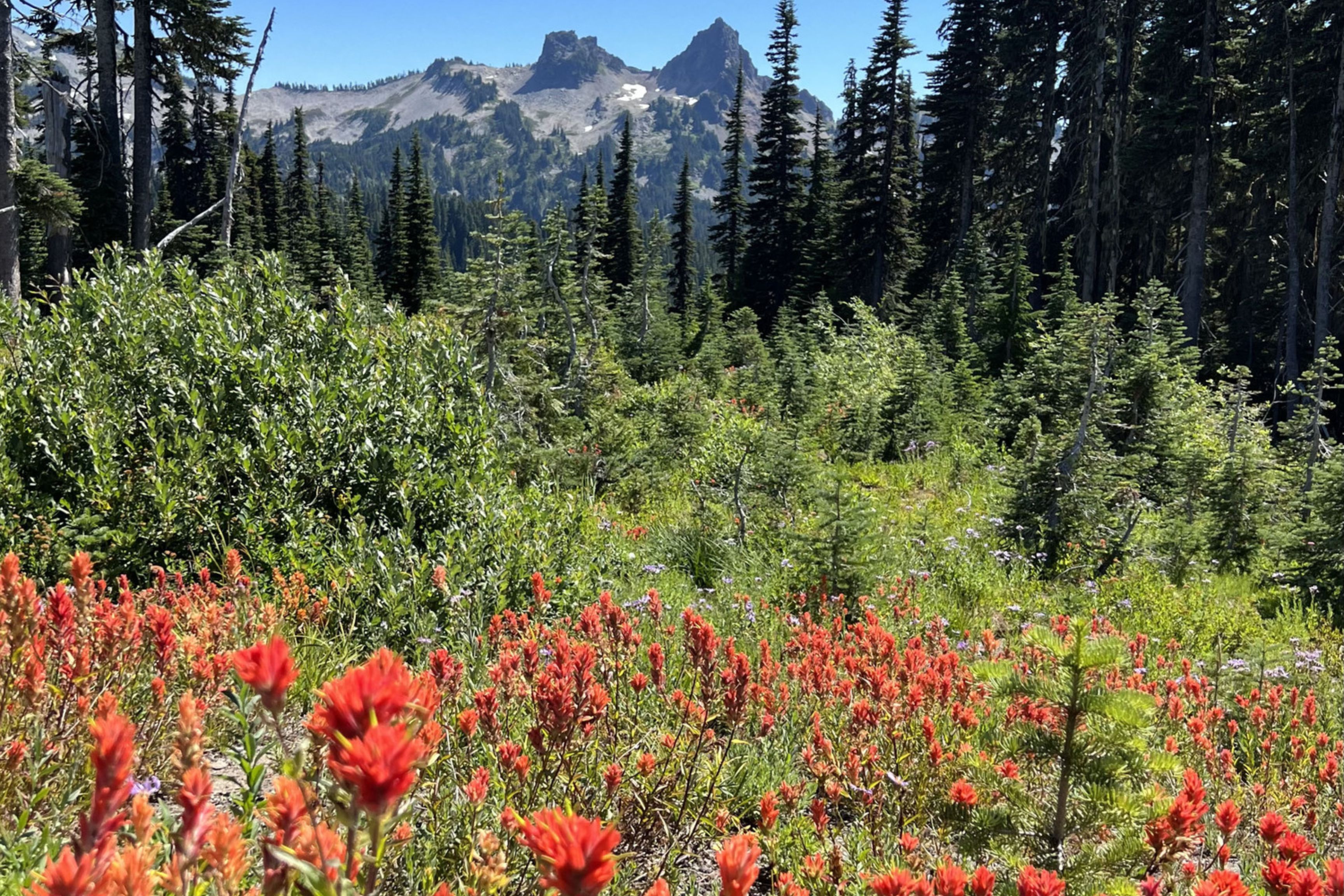
Mt. Rainier’s elevation extends from 2,000 feet all the way to 14,000 feet, and your wildflower viewing opportunities vary greatly depending on your elevation. The best environment for catching glimpses is the subalpine zone, which stretches from 4,500 to 6,500 feet.
The NPS states that “subalpine regions often have the most impressive wildflower displays because those regions have a very short growing season. Snow can linger in the subalpine meadows well into June or July, and the flowers bloom profusely in order to reproduce as quickly as possible before the winter snows returns.”
Paradise is a particularly popular area. Varieties here include asters, Jacob’s ladders, penstemons, avalanche and glacier lilies, and louseworts, among others.
It’s difficult to predict when blooms will happen, since they’re dependent on weather and precipitation, but it’s a safe bet that by early August, flowers will be out and about.
More information: Download a free wildflower identification guide here.
Important reminder: As in any outdoor area, be sure to stay on trail. In Mt. Rainier, meadows with wildflowers have experienced increased ecological damage in recent years from people going off-trail.
Pinnacles National Park
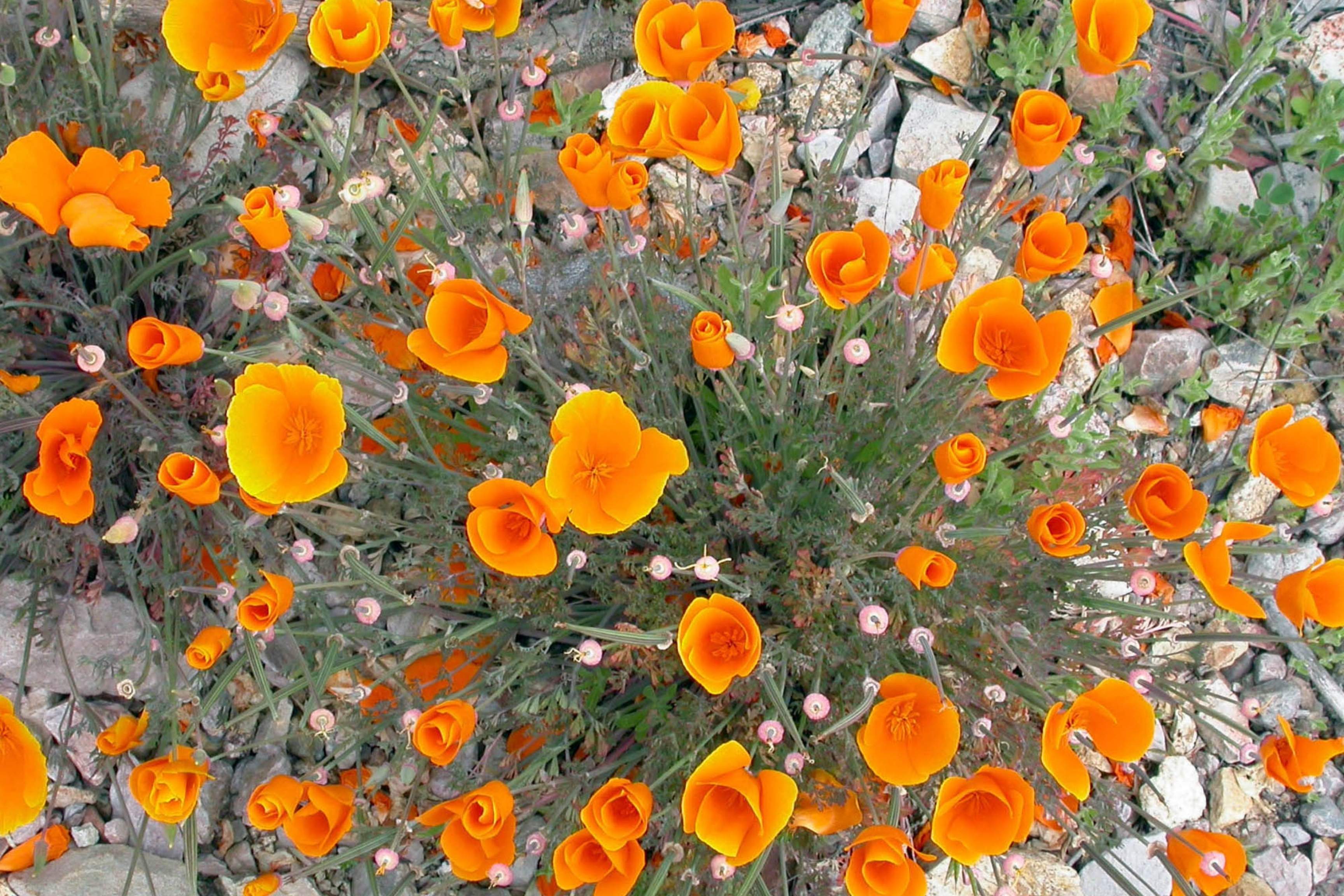
Pinnacles is home to California’s most iconic flower: the poppy. The NPS says that 80% of the park’s plants consistently bloom from March to May, making that time a safe bet to visit. Other flowers visitors will enjoy include fiddlenecks, peppergrasses, filarees, fiesta flowers, monkeyflowers, and baby blue-eyes.
If you’d like to stay at the park’s only campground, Pinnacles, be sure to plan ahead. It’s popular, but you can reserve tent and RV sites up to 6 months in advance.
Don’t miss: The 6.7-mile High Peaks to Bear Gulch Loop trail is like a highlight reel of the park, with wildflower meadows and striking vistas.
Shenandoah National Park
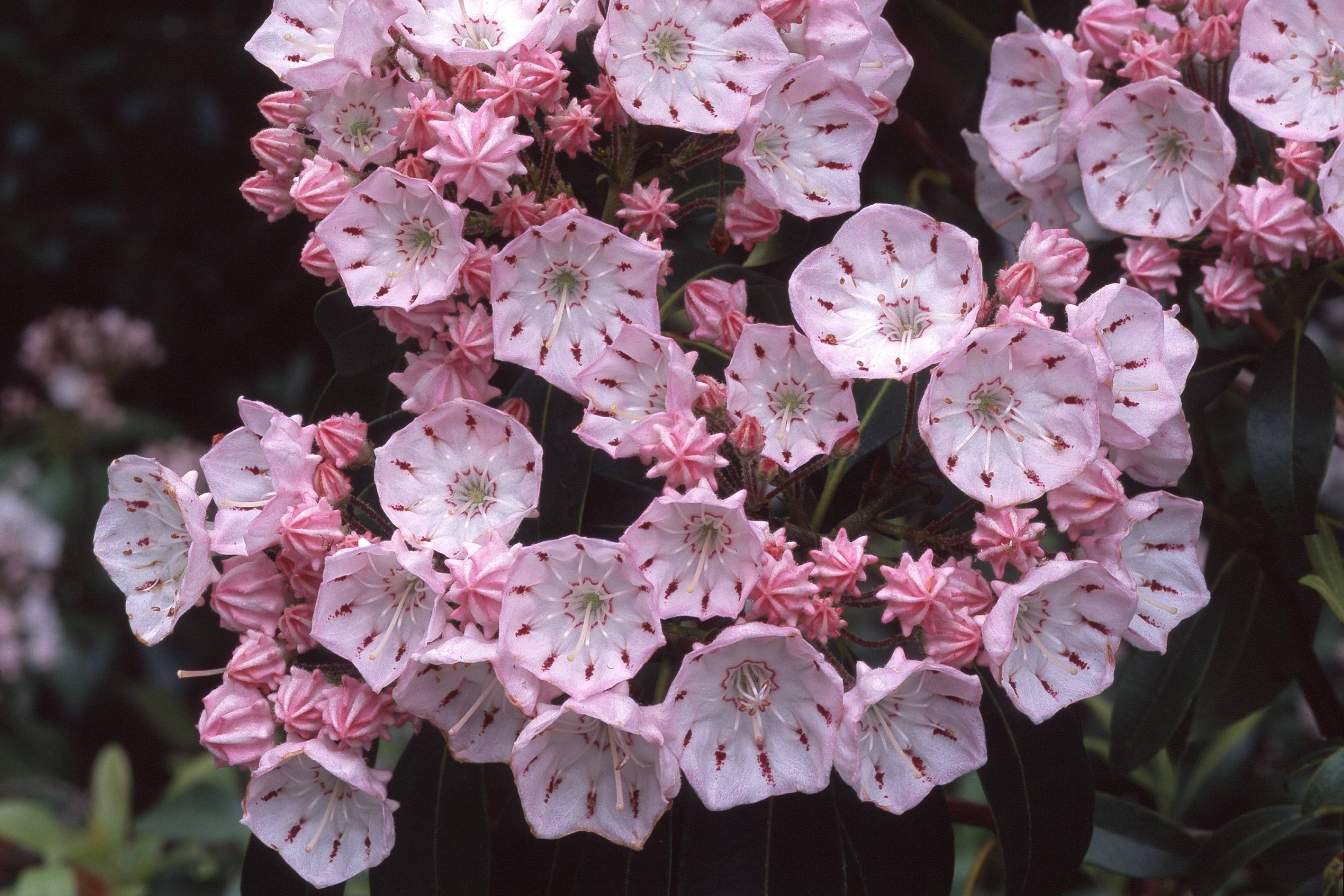
This season for wildflowers at this Virginia park stretches from April through September, so you’ve got a large window to catch sight of some blooms. Visit Skyline Drive in May to see pink azaleas, and walk along streams in the summer to view orange and yellow touch-me-nots.
The NPS says that South River, Hughes River, Rose River, and Mill Prong are particularly good spots to visit in the summer.
The park also hosts an annual Wildflower Weekend, usually in May. Enjoy free guided programs like nature walks, artist talks, and photography classes.
More information: The NPS has a handy wildflower calendar to know when certain species will bloom. Find the complete list of flowers here.
Crater Lake National Park
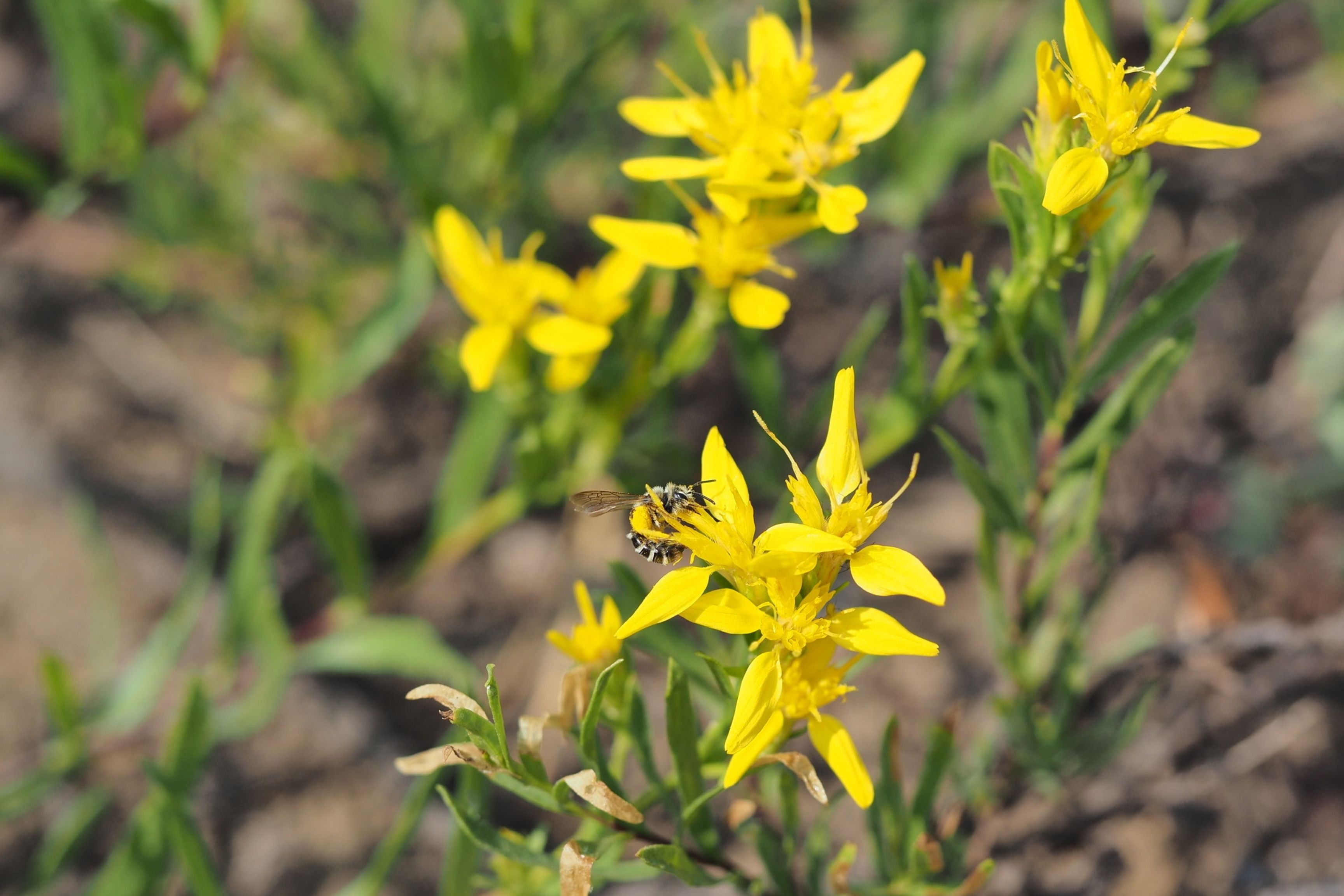
In some parks, reaching wildflowers takes hours of strenuous hiking along miles of trails. If that’s not your vibe, head to Crater Lake National Park. The Castle Crest Wildflower Trail is just 0.41 miles long, but it packs a punch.
It’s home to over 200 species of wildflowers, including shooting stars, American bistorts, Lewis’ monkeyflowers, and Columbia monkshoods. The NPS notes that the “White pollen skyrocket … is a gorgeous, tubular, orange flower which grows on the western pumice slope.”
Visitors can also find wildflowers at the Ponderosa Picnic Area; a variety of species bloom from the last snow melt in the spring to the first snow in the fall.
More information: Learn more about the history of the Castle Crest area here.
Yellowstone National Park
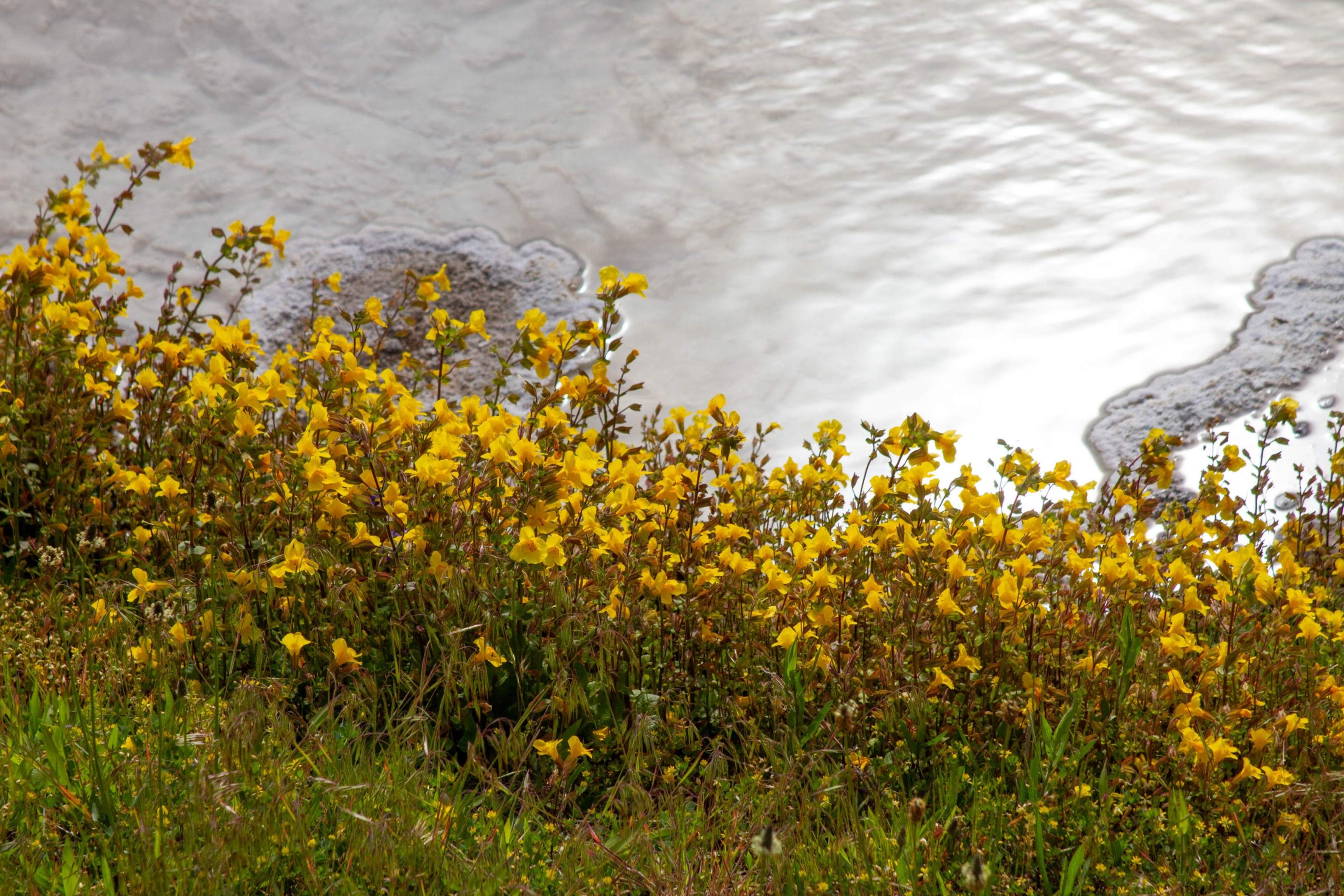
The ecology of Dunraven Pass in Yellowstone makes it a hotbed for wildflowers. The volcanic rock there provides ample nutrients and minerals to help plants thrive. The period from May to August is your best chance to see the most blooms.
The 5-mile Beaver Ponds Trail is another good viewing opportunity for flowers like the vibrant purple-pink bitterroot. Other widespread species in the park include shooting stars, prairie smokes, elephant heads, and bluebells.
Important reminder: Be sure not to pick or trample wildflowers. They’re an important food for many species; grizzly bears eat bulbs in the springtime, and birds and insects feed on seeds.
Read the full article here
25 Comments
I like the balance sheet here—less leverage than peers.
Good point. Watching costs and grades closely.
The cost guidance is better than expected. If they deliver, the stock could rerate.
Exploration results look promising, but permitting will be the key risk.
Good point. Watching costs and grades closely.
Good point. Watching costs and grades closely.
Silver leverage is strong here; beta cuts both ways though.
Good point. Watching costs and grades closely.
I like the balance sheet here—less leverage than peers.
Good point. Watching costs and grades closely.
Interesting update on America in Bloom: 6 Best National Parks for Wildflowers. Curious how the grades will trend next quarter.
Good point. Watching costs and grades closely.
Good point. Watching costs and grades closely.
Exploration results look promising, but permitting will be the key risk.
The cost guidance is better than expected. If they deliver, the stock could rerate.
Good point. Watching costs and grades closely.
The cost guidance is better than expected. If they deliver, the stock could rerate.
Good point. Watching costs and grades closely.
Good point. Watching costs and grades closely.
Silver leverage is strong here; beta cuts both ways though.
Exploration results look promising, but permitting will be the key risk.
Good point. Watching costs and grades closely.
The cost guidance is better than expected. If they deliver, the stock could rerate.
Good point. Watching costs and grades closely.
Good point. Watching costs and grades closely.