

On the heels of what many are calling the West’s worst winter on record, many skiers and riders are concerned about the future of their sports. According to climate scientists, average annual precipitation rates are decreasing west of the Rocky Mountains. Additionally, as weather patterns become more extreme with climate change, high-tide years could be followed by more frequent and significant drought years, like this one.
Powder days are no longer guaranteed in every season. But Augustus Doriko is trying to change that.
“The American West and regions throughout the globe don’t have enough water,” Doriko told GearJunkie. “And the only way you can make more water in the interior of the country is by making it precipitate more.”
Doriko’s company, Rainmaker, could offer a solution. It is the first commercial cloud-seeding operation using satellite remote sensing to provably deliver precipitation to clients nationwide. It is already operational in Utah, Idaho, Oregon, and Colorado. In April, Rainmaker won the pitch competition at Progression 2026, a conference for breakthrough climate technologies. And next season will be its second year partnering with Utah’s Snowbird Ski Resort to enhance the resort’s winter storms.
“People have engineered spectacular solutions to spectacular problems in the past, and I think that cloud seeding is one example of a technology that proves you don’t have to be resigned to a worse future,” Doriko said.
Cloud Seeding: How Does It Work?
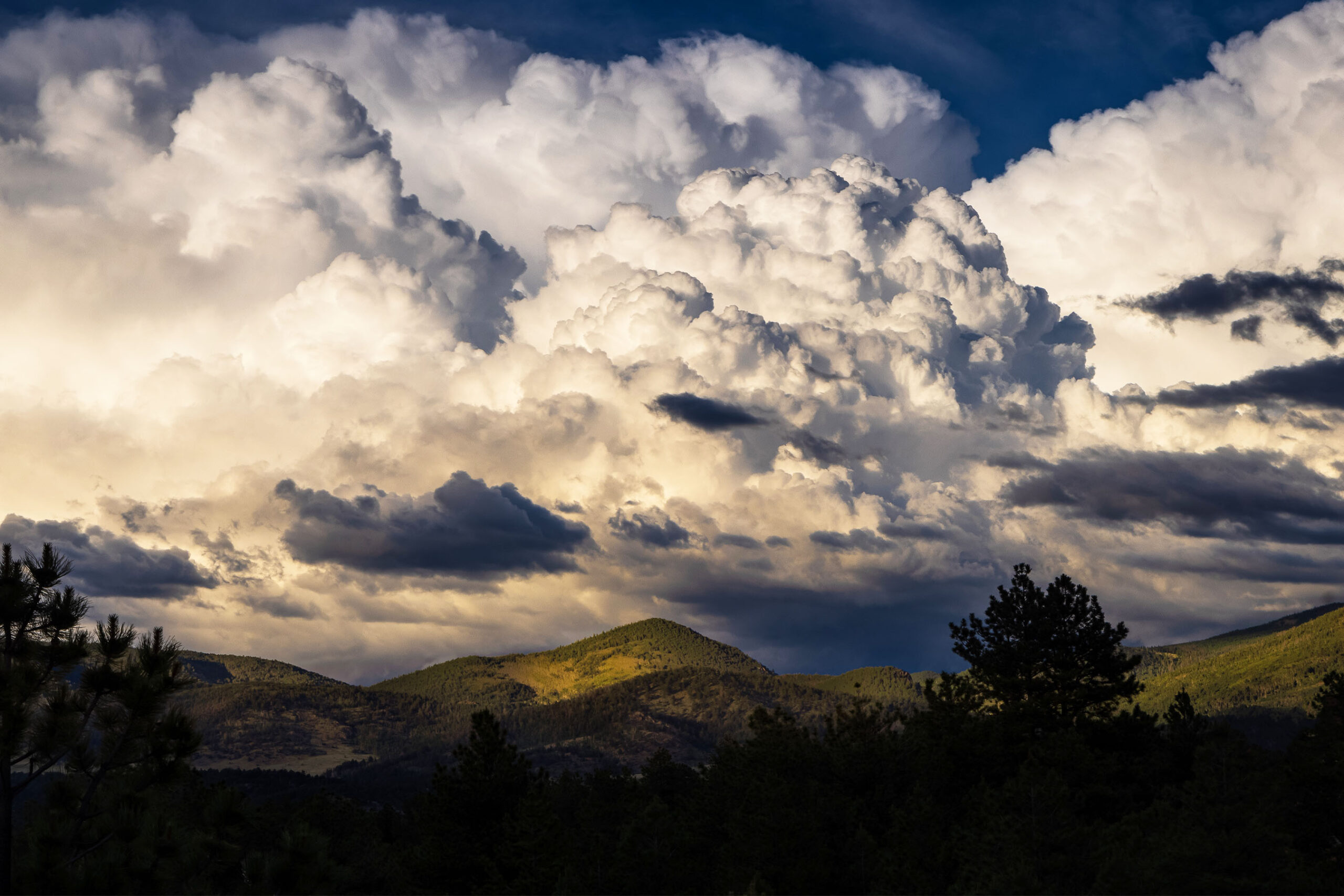
Doriko was clear that cloud seeding cannot create clouds. You can’t cloud-seed in bluebird clear skies. “We rely on existing clouds with lots of water in them,” he clarified.
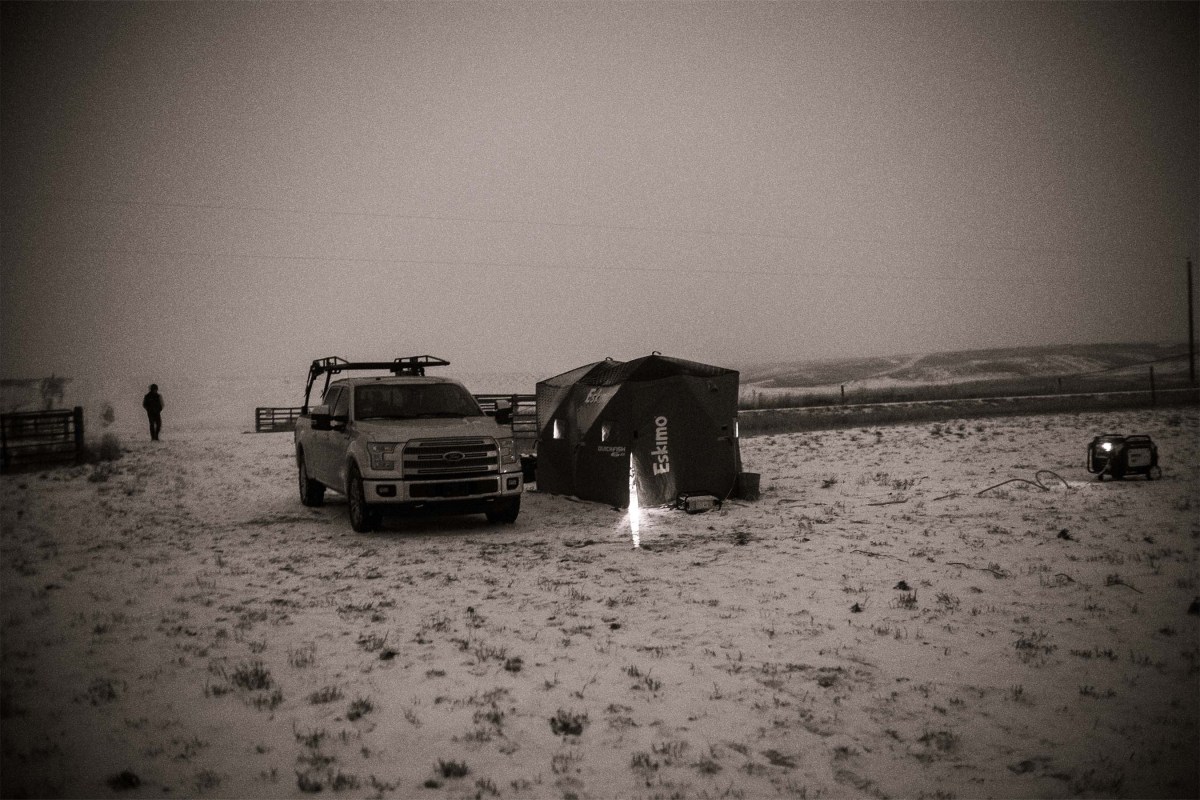
Typically, Rainmaker deploys anywhere from 2 to 16 UAVs at a time. The drones ascend into the clouds and release a small amount of silver iodide aerosol. That chemical compound has a crystal structure nearly identical to that of ice.
The water in the cloud then freezes onto the silver iodide molecules, forming snowflakes, which eventually start falling. Rainmaker’s proprietary forecasting and “nowcasting” platform enables it to identify optimal weather windows for planning these operations.
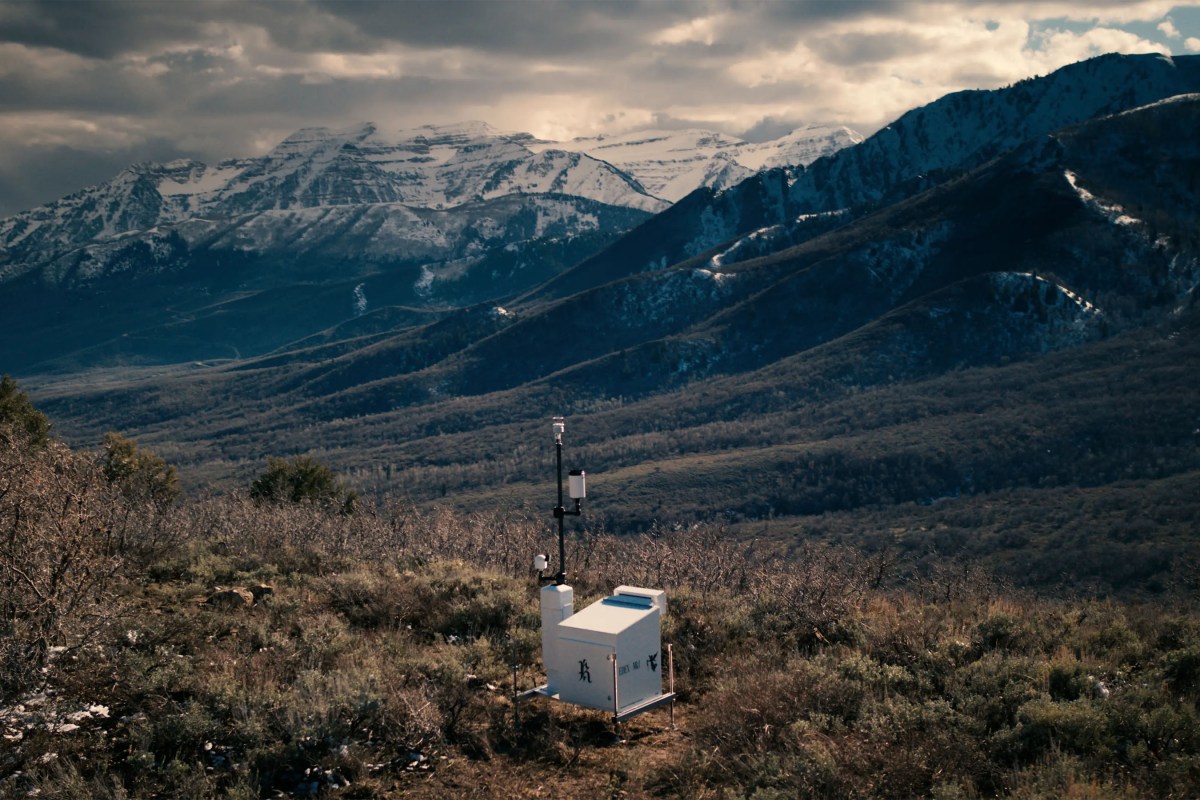
The key to Rainmaker’s magic is in the radar and satellite monitors. A 2017 study demonstrated how radar and satellite data can be used to validate the impact of cloud seeding. Rainmaker has taken that research, expanded upon it, and applied it to its operations.
“The remote sensing is the most important part so that we can actually prove the precipitation is man-made,” he said.
Conventional cloud seeding covers a few hundred square miles at a time. Doriko said Rainmaker has dialed that down to about 10,000 square acres. That allows them to partner with independent clients like Snowbird, as well as municipalities and state agencies that want to target specific areas with enhanced precipitation.
And yes, Doriko added, silver iodide has been proven to be safe for humans, animals, and the environment. Rainmaker deploys it in such small quantities that it’s almost negligible, he said.
Rainmaker: Cloud-Seeding You Can Verify
Cloud seeding isn’t a new technology; it was invented by General Electric in 1946. As Doriko explains, the reason people haven’t commercialized it at scale is that no one could prove it worked.
“If you fly a plane into a cloud, sprinkle some magic beans, and then it snows, who’s to say the snow is man-made?” he asked.
However, advances in radar algorithms, combined with weather modeling and the use of custom-designed unmanned aerial vehicles (UAVs), now allow Doriko to prove his cloud-seeding works. It’s the first time these technologies have been used in combination, enabling Doriko to essentially commodify the weather.
“The fact that we can repeatedly, reliably prove that the precipitation is man-made, that’s a pretty enormous breakthrough for us,” he said.
Doriko explained that a single cloud seeding operation can produce tens to hundreds of acre-feet of water. With 1 acre-foot equaling roughly 325,851 gallons, that’s no drop in the bucket. If Doriko’s claims are true, his technology could help offset drought years in communities across the West and around the world. And, importantly for skiers and riders, he said, “We can create more powder days throughout the season.”
As a snowboarder himself, Doriko said that’s in his direct personal interest.
Partnering With Snowbird
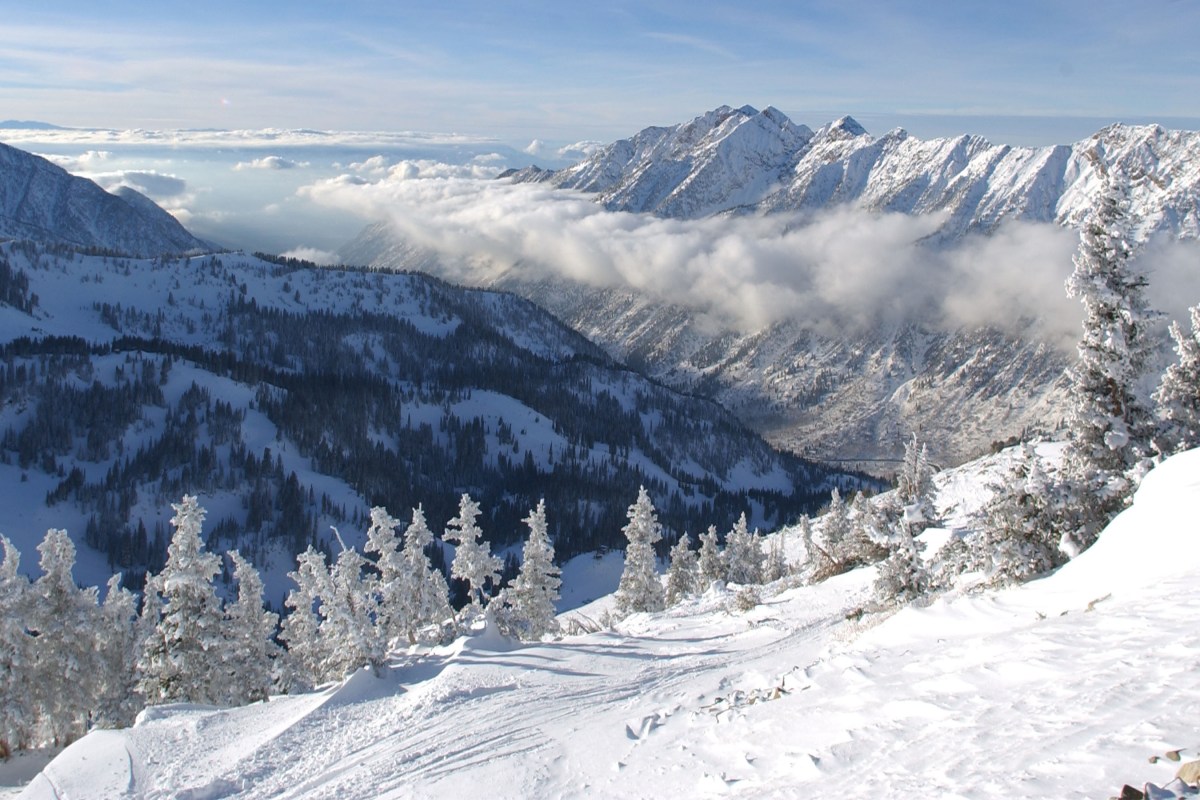
Because of its geographic location in Little Cottonwood Canyon, Bluebird resort is naturally one of the snowiest places on Earth, due to something called “lake effect.” As storms pass over Utah from the west, they pick up moisture over the Great Salt Lake, intensify, and then dump powder on the Wasatch. According to Dave Fields, president and CEO of Bluebird, the lake effect can add 10-20% to the area’s winter snowfall.
But with climate change, the Great Salt Lake is shrinking, which could have devastating effects on the region’s snowpack, threatening Snowbird’s business, and the well-being of the state at large. It’s one of the main reasons the resort has been involved in cloud seeding operations for decades.
“It’s always been something that we believed helped magnify storms and get more out of every storm,” Fields told GearJunkie.
Previously, Snowbird’s cloud-seeding operators relied on ground-based distributors using static mobile stations or on fixed-wing distributors using manned aircraft. Rainmaker’s combination of unmanned drone delivery and both radar and satellite monitors takes that to the next level. It closely monitors the weather, identifies the best time to strike, and then deploys its UAVs to seed the clouds. From Snowbird’s perspective, it’s a useful tool that’s only getting more advanced with time.
“I don’t think it’s the silver bullet, but it’s one of the arrows in the quiver,” Fields said. “We’re maximizing the science to the best of what current technology gives us … at the end of the day, whatever number that cloud seeding can produce, is helpful — whether it’s 5% or 7% or 10%.”
Considering Snowbird averages 500 inches a year, he points out that amounts to a lot of snow.
If you have more questions about Rainmaker, check out the company’s website, specifically its Frequently Asked Questions page, which covers everything from the science to the ethics of its business model.
Read the full article here
26 Comments
Exploration results look promising, but permitting will be the key risk.
Good point. Watching costs and grades closely.
Exploration results look promising, but permitting will be the key risk.
Good point. Watching costs and grades closely.
Production mix shifting toward Tactical & Survival might help margins if metals stay firm.
Good point. Watching costs and grades closely.
Nice to see insider buying—usually a good signal in this space.
Silver leverage is strong here; beta cuts both ways though.
If AISC keeps dropping, this becomes investable for me.
Good point. Watching costs and grades closely.
Good point. Watching costs and grades closely.
Exploration results look promising, but permitting will be the key risk.
Good point. Watching costs and grades closely.
Production mix shifting toward Tactical & Survival might help margins if metals stay firm.
Good point. Watching costs and grades closely.
Good point. Watching costs and grades closely.
Silver leverage is strong here; beta cuts both ways though.
Exploration results look promising, but permitting will be the key risk.
Good point. Watching costs and grades closely.
Good point. Watching costs and grades closely.
Uranium names keep pushing higher—supply still tight into 2026.
Good point. Watching costs and grades closely.
Good point. Watching costs and grades closely.
Exploration results look promising, but permitting will be the key risk.
Good point. Watching costs and grades closely.
Good point. Watching costs and grades closely.