

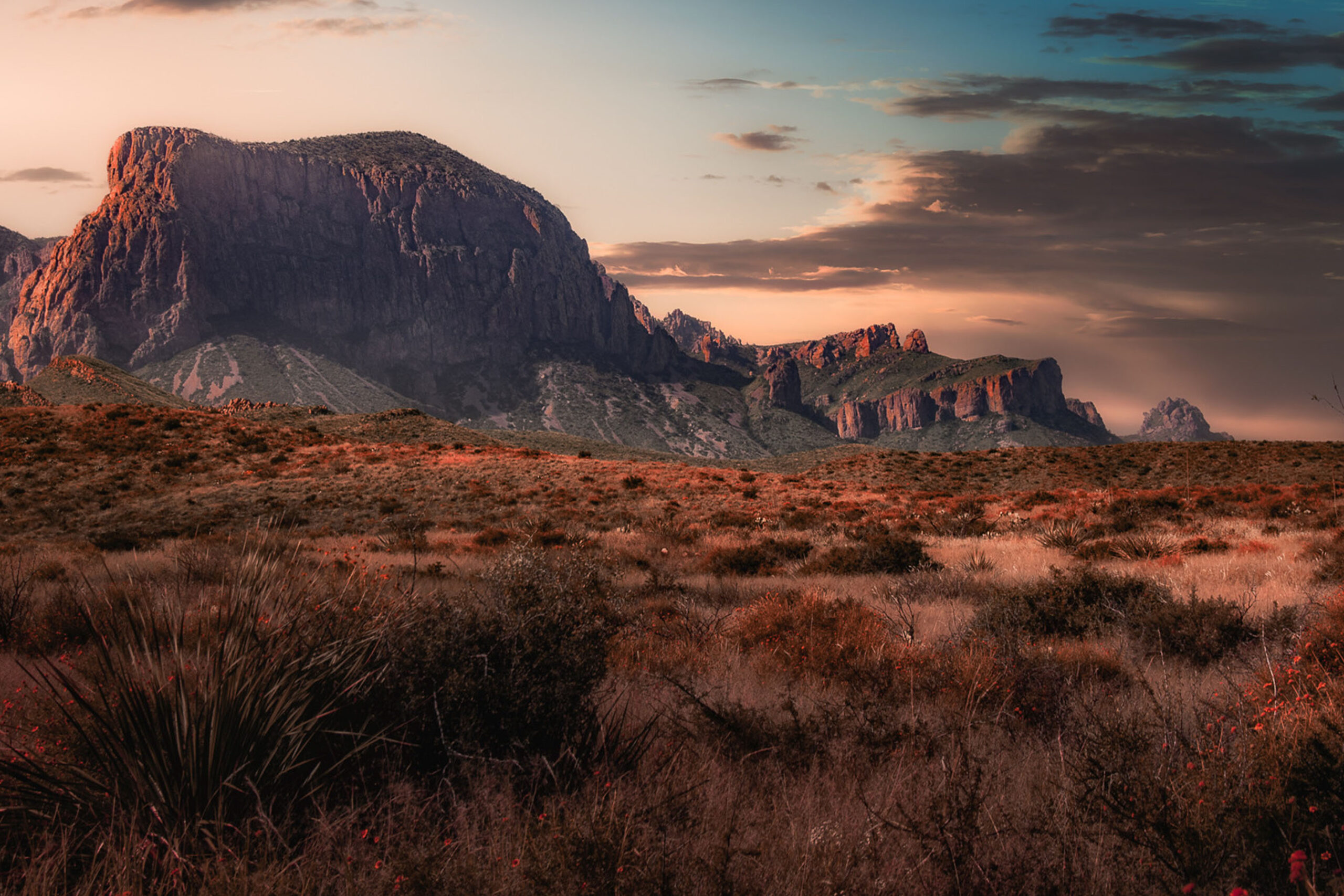
Last month, the Department of Homeland Security (DHS) announced plans to build a border wall in state and national parks in Texas, sparking outcry from public lands advocates and locals. In a quiet modification of online plans for the wall, the agency reversed course, eliminating the physical barrier and instead opting only for surveillance technology.
The Original Plan
In February, then-DHS Secretary Kristi Noem announced that the agency would waive 28 environmental and historic preservation laws to build a “Smart Wall” (a physical barrier with surveillance technology) in Big Bend National Park and Big Bend Ranch State Park in Texas.
Noem claimed that the Big Bend Sector was “an area of high illegal entry where illegal aliens regularly attempt to enter the United States and smuggle illicit drugs.”
Multiple public lands advocacy groups, including the National Parks Conservation Association and Center for Western Priorities, criticized the move, citing concerns over impacts to wildlife and the landscape. An online petition against the wall gathered over 76,000 signatures.
The Change
DHS and Customs and Border Protection (CBP) did not make a public announcement regarding the change in policy. The shift is only visible in the alterations made to the Smart Wall map on CBP’s website.
The map below shows the original plan, with green denoting a physical structure and orange denoting surveillance technology.
Compare that map to the March 2025 map below. CBP has removed plans for any physical barriers in Big Bend National Park and some of Big Bend Ranch State Park, though a small section remains in place in the state park.
The exact reason for the reversal is unclear. It’s worth noting that the Rio Grande River is already a natural barrier on the border in this area. It’s also extremely remote, desolate terrain, which may have been a factor.
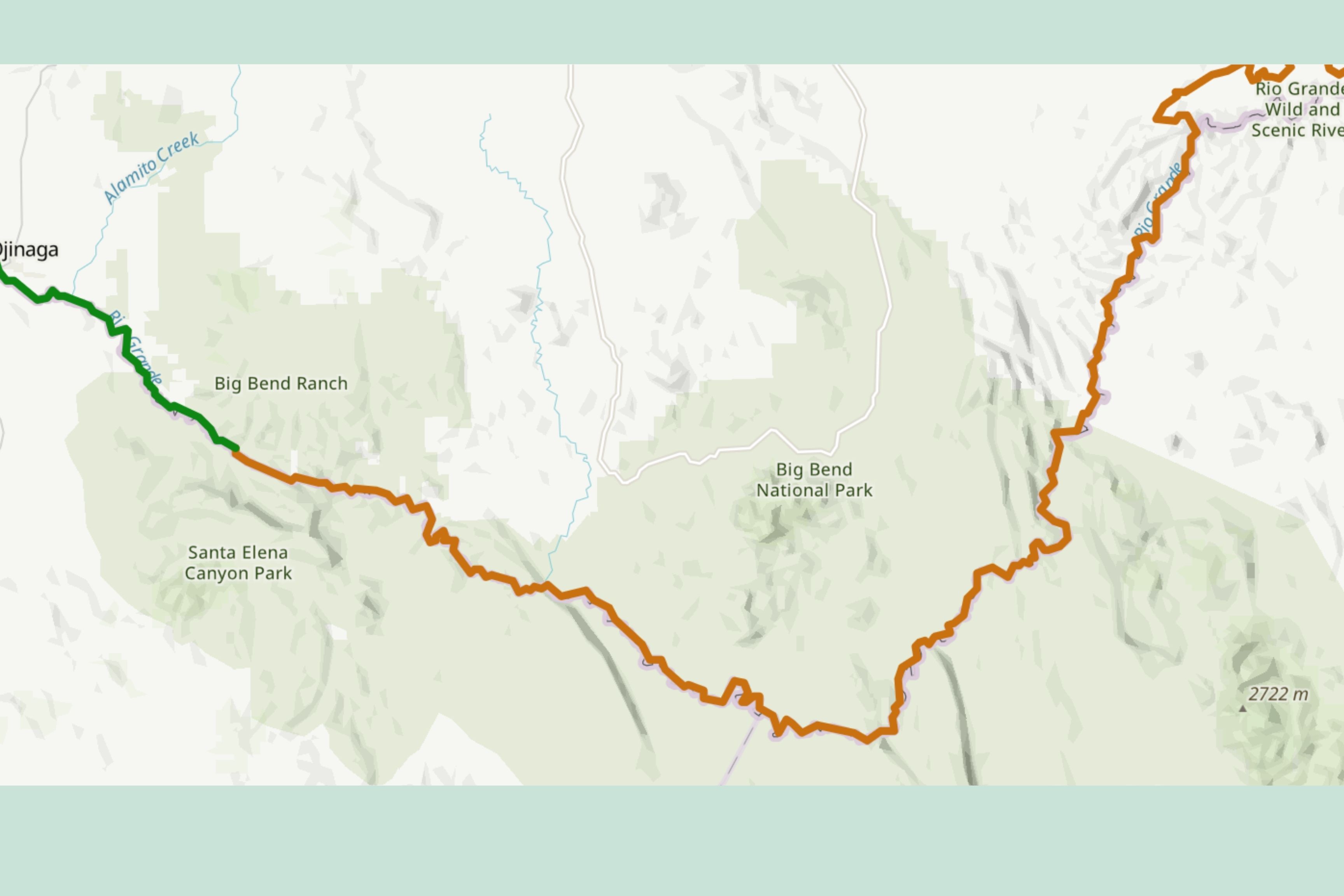
The CBP previously stated that “approximately 535 miles of the U.S.-Mexico border without barrier will be covered by detection technology due to unfavorable terrain or remoteness of location.”
When it comes to the technology that CBP will install here, the agency’s FAQ section on the Smart Wall describes using “detection technology, lighting, and cameras.”
GJ reached out to CBP for comment about the news, but did not hear back by the time of publication.
Read the full article here
23 Comments
Uranium names keep pushing higher—supply still tight into 2026.
Exploration results look promising, but permitting will be the key risk.
Good point. Watching costs and grades closely.
Good point. Watching costs and grades closely.
Uranium names keep pushing higher—supply still tight into 2026.
If AISC keeps dropping, this becomes investable for me.
Good point. Watching costs and grades closely.
Good point. Watching costs and grades closely.
Nice to see insider buying—usually a good signal in this space.
Exploration results look promising, but permitting will be the key risk.
Good point. Watching costs and grades closely.
Good point. Watching costs and grades closely.
If AISC keeps dropping, this becomes investable for me.
The cost guidance is better than expected. If they deliver, the stock could rerate.
I like the balance sheet here—less leverage than peers.
Production mix shifting toward Tactical & Survival might help margins if metals stay firm.
Good point. Watching costs and grades closely.
Good point. Watching costs and grades closely.
Uranium names keep pushing higher—supply still tight into 2026.
The cost guidance is better than expected. If they deliver, the stock could rerate.
Good point. Watching costs and grades closely.
I like the balance sheet here—less leverage than peers.
Good point. Watching costs and grades closely.