

The federal government is taking another look at a rule meant to keep agricultural drainage systems from drying wetlands Americans have already paid to protect. On July 24, the U.S. Fish and Wildlife Service opened a 14-day public comment period on its drain tile setback rule for federally protected wetlands in the Prairie Pothole Region. The comment period closes Aug. 7.
The notice asks whether the 2024 rule has worked and how the agency should calculate future setbacks. A separate entry in the federal regulatory agenda goes further, stating that the Fish and Wildlife Service plans to withdraw the rule and has determined that withdrawal is necessary. The agency hasn’t published that withdrawal yet.
Protecting America’s Duck Factory
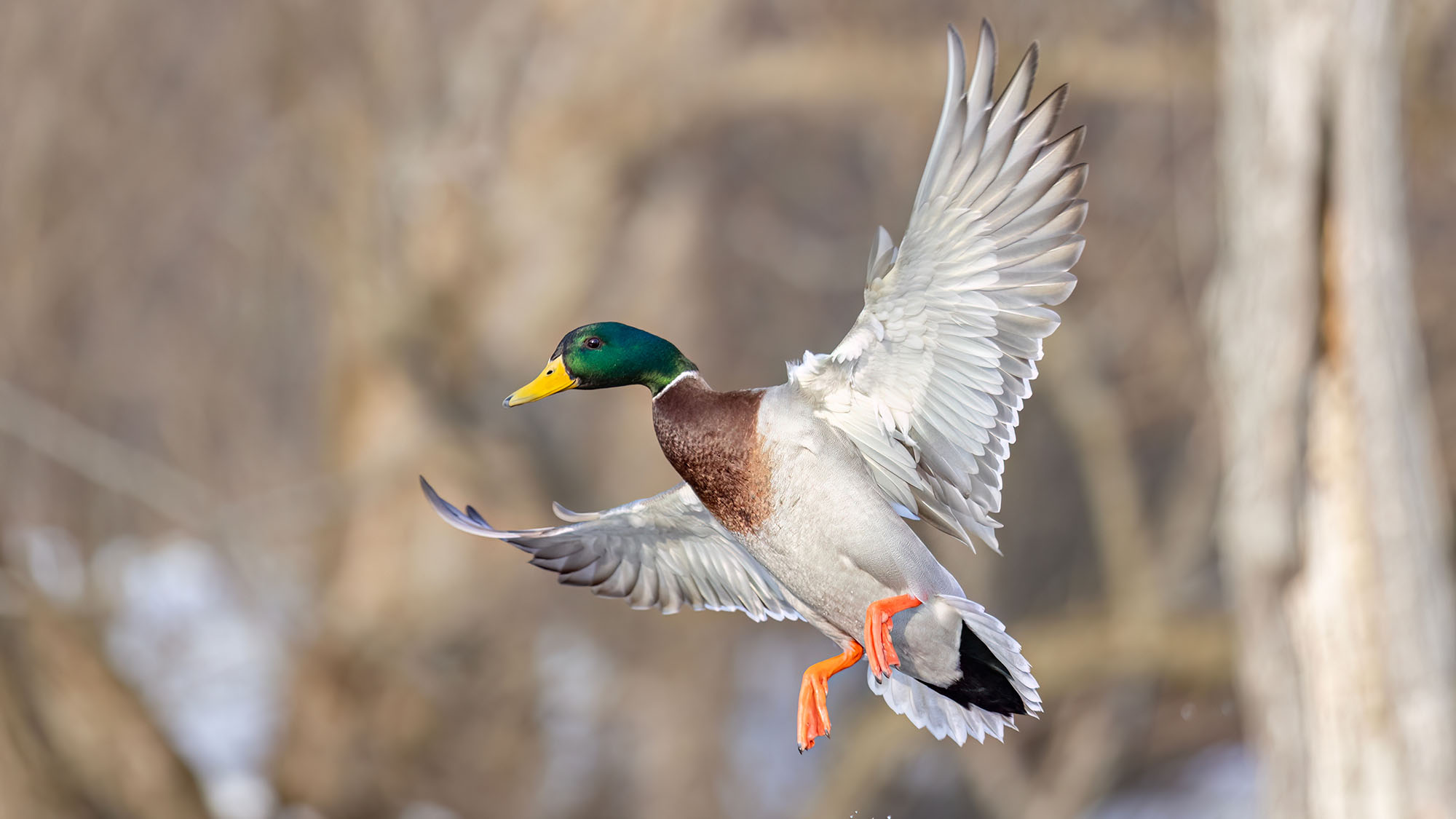
The Prairie Pothole Region stretches across Montana, North Dakota, South Dakota, Minnesota, Iowa, and parts of Canada. Its shallow wetlands provide habitat for more than 60% of North America’s breeding duck population and produce an estimated 50-75% of the continent’s primary duck species.
Since 1958, the federal Small Wetlands Acquisition Program has used money from Federal Duck Stamp sales to purchase permanent wetland easements from willing landowners. The land remains privately owned, but the easements prohibit activities that drain or damage protected wetlands. Those protections are now at the center of the dispute.
What the Drain Tile Rule Does
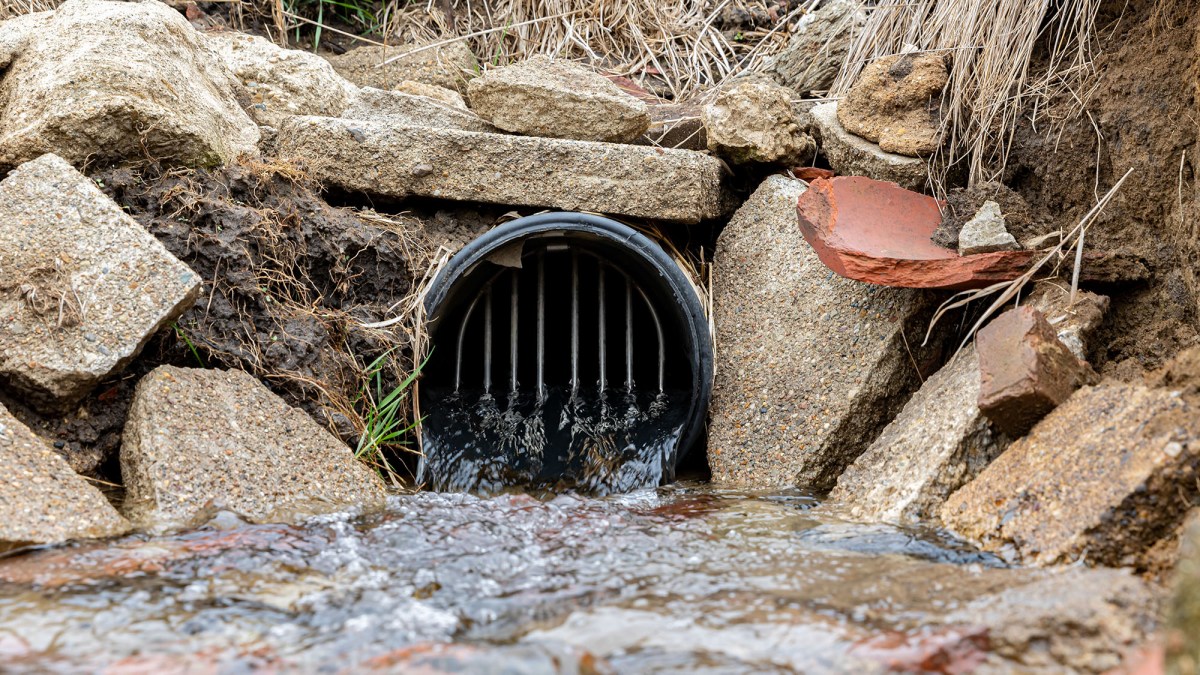
Drain tile consists of perforated underground pipes used to remove water from agricultural ground. A tile system doesn’t need to run directly through a wetland to damage it. Nearby pipes can lower groundwater or intercept water before it reaches a protected basin.
The 2024 rule allows landowners to ask the Fish and Wildlife Service for a site-specific setback before installing tile near an easement wetland. The agency calculates the distance using factors including soil, topography, pipe size, and pipe depth.
Landowners who follow the approved plan receive legal protection if the tile still drains the wetland, provided the system hasn’t been modified or expanded. The rule was intended to protect the easement while giving landowners clearer guidance and liability protection.
Why the Agency Is Reconsidering It
The Fish and Wildlife Service says some landowners believe the setbacks restrict property beyond the wetland areas covered by their original agreements. Many older easements didn’t include specific setback distances at the time of purchase, and some landowners argue that modern calculations limit the use of surrounding land without additional compensation.
The current information request asks the public whether the rule has worked, how setbacks should be calculated, and what changes the agency should consider.
Ducks Unlimited is urging the agency to retain the rule and its longstanding standard that drain tile shouldn’t affect protected wetlands. The organization argues that weakening the rule could allow water to be pulled from wetlands that hunters and conservationists have already paid to preserve.
Comments are open through 11:59 p.m. EDT on Aug. 7, 2026.
Comments can be submitted online here, but there have been issues with the comment collection page. If you have trouble, go to Regulations.gov and search for docket FWS-HQ-NWRS-2026-2641. The Fish and Wildlife Service corrected the docket number on July 28 after publishing the wrong one in its original notice. The agency encourages commenters to include specific experiences, locations, dates, scientific information, or other supporting material.
Read the full article here
33 Comments
Exploration results look promising, but permitting will be the key risk.
If AISC keeps dropping, this becomes investable for me.
Good point. Watching costs and grades closely.
Good point. Watching costs and grades closely.
Uranium names keep pushing higher—supply still tight into 2026.
Good point. Watching costs and grades closely.
Uranium names keep pushing higher—supply still tight into 2026.
Exploration results look promising, but permitting will be the key risk.
Good point. Watching costs and grades closely.
Good point. Watching costs and grades closely.
Nice to see insider buying—usually a good signal in this space.
Good point. Watching costs and grades closely.
Exploration results look promising, but permitting will be the key risk.
Good point. Watching costs and grades closely.
Good point. Watching costs and grades closely.
Nice to see insider buying—usually a good signal in this space.
The cost guidance is better than expected. If they deliver, the stock could rerate.
Good point. Watching costs and grades closely.
I like the balance sheet here—less leverage than peers.
Production mix shifting toward Tactical & Survival might help margins if metals stay firm.
Good point. Watching costs and grades closely.
Uranium names keep pushing higher—supply still tight into 2026.
Good point. Watching costs and grades closely.
Good point. Watching costs and grades closely.
I like the balance sheet here—less leverage than peers.
Production mix shifting toward Tactical & Survival might help margins if metals stay firm.
The cost guidance is better than expected. If they deliver, the stock could rerate.
Uranium names keep pushing higher—supply still tight into 2026.
I like the balance sheet here—less leverage than peers.
If AISC keeps dropping, this becomes investable for me.
I like the balance sheet here—less leverage than peers.
Good point. Watching costs and grades closely.
Good point. Watching costs and grades closely.