

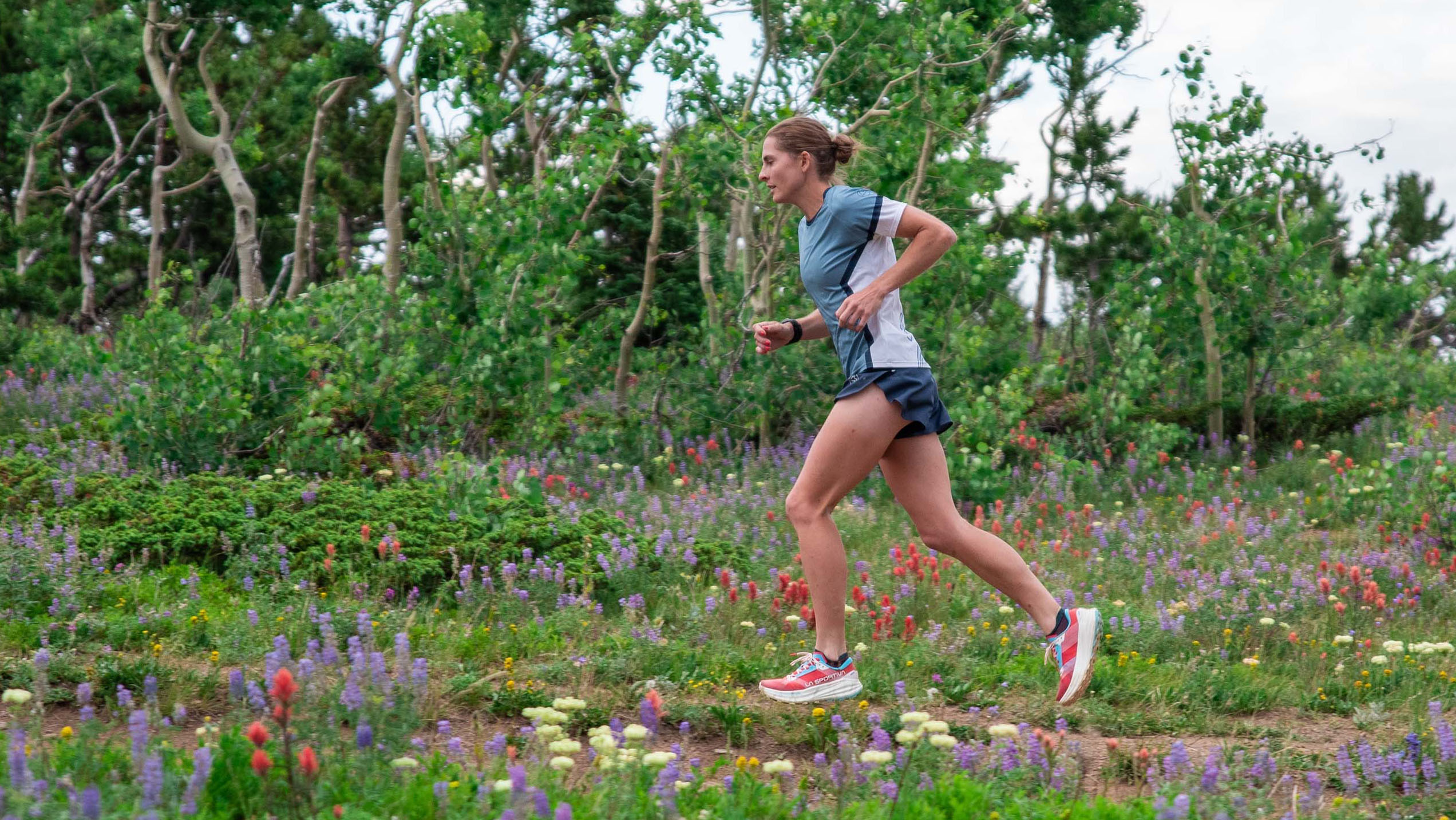
For the last month, the World Cup has captivated audiences all around the world. Even folks who aren’t normally soccer fans have been obsessed. We all know someone who stopped work in the middle of the day to watch a game between two countries that they may or may not be able to pick out on a map. (I have never done this while working at GearJunkie.)
With the tournament concluding last week, there’s now a soccer ball–shaped void in many of our lives. The best way to fill it, and my next great obsession, is watching elite athletes pursue fastest known times (FKTs). I’m not a runner, and I’ll never attempt to set a record on a long-distance trail. And yet, I’ve become deeply invested in the human drama of the FKT.
Fortunately for those missing the drama of the World Cup, a wildly competitive FKT attempt is playing out right now on the Pacific Crest Trail.
How I Got Into FKTs
GearJunkie often covers FKTs. I have written several articles about athletes setting records on major routes like the John Muir Trail or Appalachian Trail (AT). These athletes typically have some kind of tracker or device that provides live online updates not only to their team, but also to the public.
Like any good journalist, when someone is pursuing a major FKT, I frequently check and monitor their tracker. If they break the record, I can then quickly break the news.
How to Follow Along
The best resource to keep up with all the news in the world of high-stakes trail running is the website Fastest Known Time. It has a section on the homepage dedicated to in-progress FKTs. Click “track their progress,” and then click the athlete’s tracking site to follow along.
For the last few weeks, I’ve been tracking Aurélien Sanchez as he attempts to be the fastest man to ever complete the entire 2,650-mile Pacific Crest Trail (PCT) with support. The record he’s trying to beat? A blisteringly fast 46 days, 12 hours, and 50 minutes, set by Karel Sabbe in 2023.
Initially, I just checked Sanchez’s tracker periodically, but I then quickly became engrossed in the drama of it all. The online tracker shows the athlete’s location in comparison with the FKT record they’re trying to beat.
Sanchez has consistently toyed with Sabbe’s record. One day, he’s just half an hour behind. The next, he’s 6 hours ahead. A few days later, and he’s fallen slightly behind the pace yet again. Two different-colored dots continually dance back and forth. It’s a neck-and-neck race that is simply too close to call, but only one athlete is actually on the track.
As Sanchez approaches the finish, it’s truly turning into a nail-biter. The 2,650-mile race is coming down to just the last few miles. He’s gone 95% of the way, and he’s just barely hanging on to the lead. Whether or not he ends up breaking it, I’ll be tuning in.
And imagine all the effort and work it’s taken to get to this point. Sanchez has traversed a trail in 45 days that takes most people 6 months. The stakes are high: How heartbreaking would it be for Sanchez to get so, so close to the FKT, and then fall at the last hurdle? It’s the inherent drama of the last lap of a 10,000m race at the Olympics, but then magnified several times over.
It’s Interactive, Too
Unlike other sports, folks at home can really get in on the action. When Will Peterson took on the AT FKT in April, he regularly posted updates on his Instagram. He shared his highs and lows (including contracting a severe stomach bug that rendered him immobile for several days).
When he posted that he had to quit, you could feel the weight of failure hanging heavy on him. Social media allows FKT athletes to really share the struggle and fight their efforts require. Even if you’re not a runner like me, their expressions of vulnerability and humanity draw you in.
And there are already signs that these endeavors are captivating the larger public. Some tracking pages allow people to publicly comment and show their support for the athlete.
When Bob Stewart was in the midst of setting the FKT on the Benton MacKaye Trail (a 290-mile trail in the southeastern U.S.), his update page was full of encouraging comments. Folks left remarks like, “Bob is getting close to setting a time that will be hard to beat. Gez, he is moving.” People from around the world can come together to cheer on someone doing a near-impossible task, which is really what sports is all about.
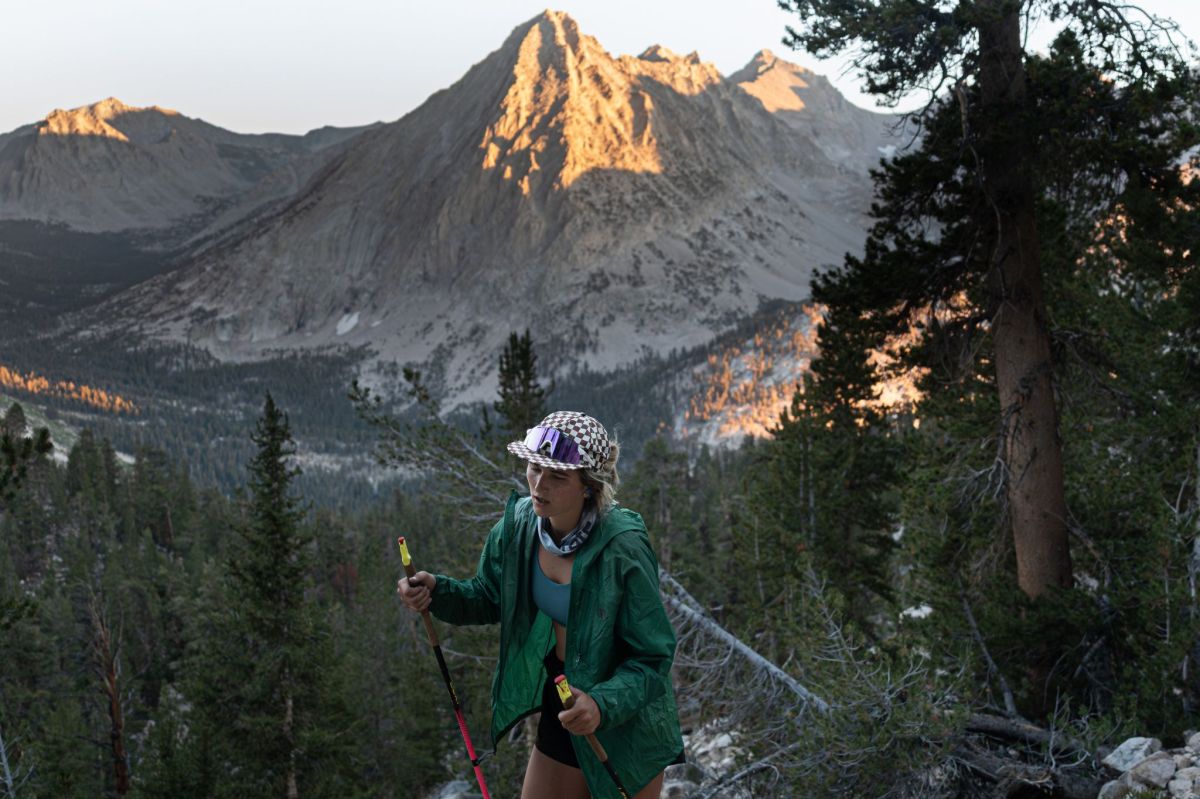
Many athletes use their FKT attempts to fundraise for nonprofits and charities that are close to their hearts. After she was assaulted during a routine run, Lizzy Fowler took on the FKT of the John Muir Trail, in part, to raise money for organizations that support survivors of domestic violence.
I know lots of backpackers who scoff at the idea of an FKT. To them, the whole point is to enjoy being outdoors and be present in nature, not just try to speed through it. It’s hard to argue, however, with an athlete pursuing something so much bigger than themselves. Even if they fail — as Fowler did — they have still succeeded by raising thousands of dollars for important causes.
FKTs really have all the things we love about sports: They’re a public test of private will. They force athletes to plumb the depths of their mental and physical capacities to accomplish something that’s almost impossible. They connect us to each other and can serve a larger social purpose. Until the next time that the world comes together to kick a soccer ball around a pitch, I’ll get my fix from the world of FKTs.
Read the full article here
36 Comments
Exploration results look promising, but permitting will be the key risk.
Good point. Watching costs and grades closely.
Good point. Watching costs and grades closely.
Nice to see insider buying—usually a good signal in this space.
Good point. Watching costs and grades closely.
Good point. Watching costs and grades closely.
Nice to see insider buying—usually a good signal in this space.
Good point. Watching costs and grades closely.
If AISC keeps dropping, this becomes investable for me.
Good point. Watching costs and grades closely.
If AISC keeps dropping, this becomes investable for me.
Good point. Watching costs and grades closely.
Uranium names keep pushing higher—supply still tight into 2026.
Good point. Watching costs and grades closely.
Good point. Watching costs and grades closely.
The cost guidance is better than expected. If they deliver, the stock could rerate.
Exploration results look promising, but permitting will be the key risk.
Good point. Watching costs and grades closely.
Silver leverage is strong here; beta cuts both ways though.
Good point. Watching costs and grades closely.
Good point. Watching costs and grades closely.
I like the balance sheet here—less leverage than peers.
Good point. Watching costs and grades closely.
I like the balance sheet here—less leverage than peers.
Interesting update on FKTs Are the Next Great Spectator Sport, and a Nail-Biter Is Happening Now. Curious how the grades will trend next quarter.
Good point. Watching costs and grades closely.
If AISC keeps dropping, this becomes investable for me.
Good point. Watching costs and grades closely.
I like the balance sheet here—less leverage than peers.
Nice to see insider buying—usually a good signal in this space.
Interesting update on FKTs Are the Next Great Spectator Sport, and a Nail-Biter Is Happening Now. Curious how the grades will trend next quarter.
Production mix shifting toward Tactical & Survival might help margins if metals stay firm.
Good point. Watching costs and grades closely.
Nice to see insider buying—usually a good signal in this space.
Good point. Watching costs and grades closely.
Good point. Watching costs and grades closely.