

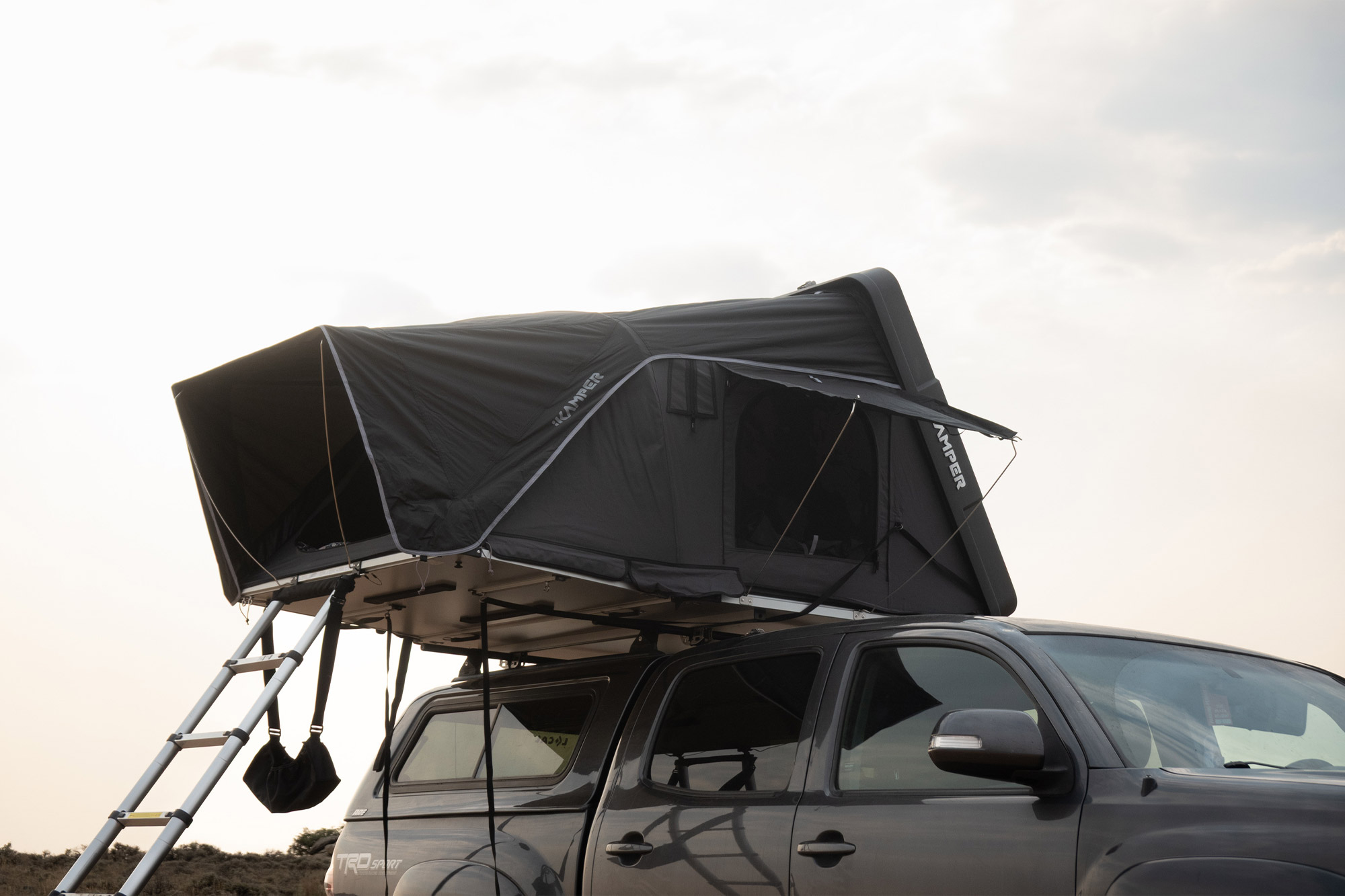
It’s dawn at the apple orchard with birds chattering overhead. I’m waking up 6 feet off the ground with dewy grass below. It was one of the best nights of sleep I’ve ever had while camping. Listen, I’ve spent plenty of nights on the ground. From backpacking across Scotland to cowboy camping in Moab, I’ve learned to accept thin sleeping pads. Uneven campsites. And restless nights.
That changed the first night I slept in the new iKamper Skycamp 4.0 Trio.
iKamper recently upgraded its Skycamp series from its 3.0 line to the current 4.0. Updates include a taller headspace in the tent, enlarged windows, a greater sleeping footprint, reinforced fabrics, and more.
After 2 months with the Skycamp 4.0 Trio on road trips, backcountry camping weekends, and rough Colorado dirt roads, I came away impressed. It set up in just a few minutes and stayed rock-solid on my truck. It delivered the kind of comfort that made getting out of bed each morning the hardest part about camping.
In short: The iKamper Skycamp 4.0 Trio ($4,500) is an expedition-grade rooftop tent that stands out for its quick setup and all-weather design. This model was released in March 2026, and is an upgraded version from the 3.0 predecessor. With a larger sleeping footprint and three extended sizes, the 4.0 is made for families and pet owners. It’s for users who value extra space and durability. In testing, it took about 4 minutes to set up. The biggest tradeoff is the steep price tag. But for overlanders and families, I think it’s one of the most spacious, durable RTTs available.
Check out more rooftop tents in our GearJunkie Best Rooftop Tents buyer’s guide.
Dimensions open
113 ⅜” x 49 ⅝” x 49″
Dimensions closed
68 ⅛” x 52 ⅜” x 13 ½″
Sleeping footprint
67 ⅜” x 82 ⅝”
Peak internal height
49”
Weight
160 lbs. (includes ladder and mattress)
Static weight capacity
900 lbs
Pros
- Fast setup in under 5 minutes
- Sleek, low-profile design for travel and storage
- Available in multiple sizes to accommodate couples, families, and pets
- Integrated LED interior lighting with adjustable brightness and color temperature
- Mounting brackets are easy to tighten with included and extended wrench
Cons
- Ladder must remain deployed overnight, limiting security options for solo campers
- Closing the tent can be difficult for shorter users
- Awning support rods are easy to confuse during setup, especially in low light
- Steep pricetag
iKamper Skycamp 4.0 Trio Review
Years ago, I owned a rooftop tent that had seen better days. By the time I retired it, the hard shell was literally delaminating, and the logo was so faded you couldn’t even tell who the manufacturer was. Since then, I’ve been eager to see just how far rooftop tent design has come.
I tested the iKamper Skycamp 4.0 Trio throughout the summer in Colorado’s Gunnison–Crested Butte region and the surrounding mountains. It saw clear nights, gusty afternoons, and days blanketed by wildfire smoke. The tent was mounted to my 2015 Toyota Tacoma on a Yakima crossbar system and accompanied me on weekend camping trips, road trips across the state, and countless miles of rough backcountry roads.
Installation
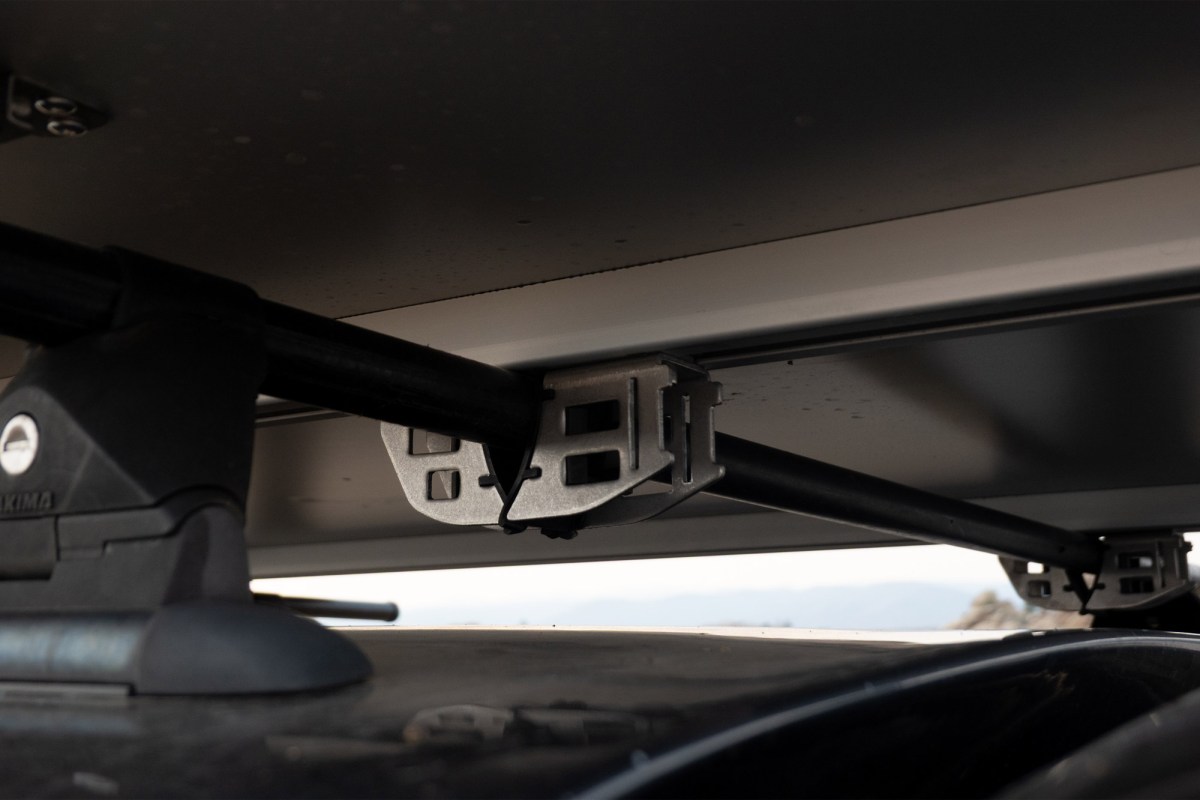
The Skycamp 4.0 arrived on a pallet. Although it weighs 160 pounds, I was able to unpack it and prepare it for installation on my own. Lifting it onto the truck, however, required some help. At 5’3″, I wasn’t about to wrestle a rooftop tent overhead by myself, so I recruited two taller friends.
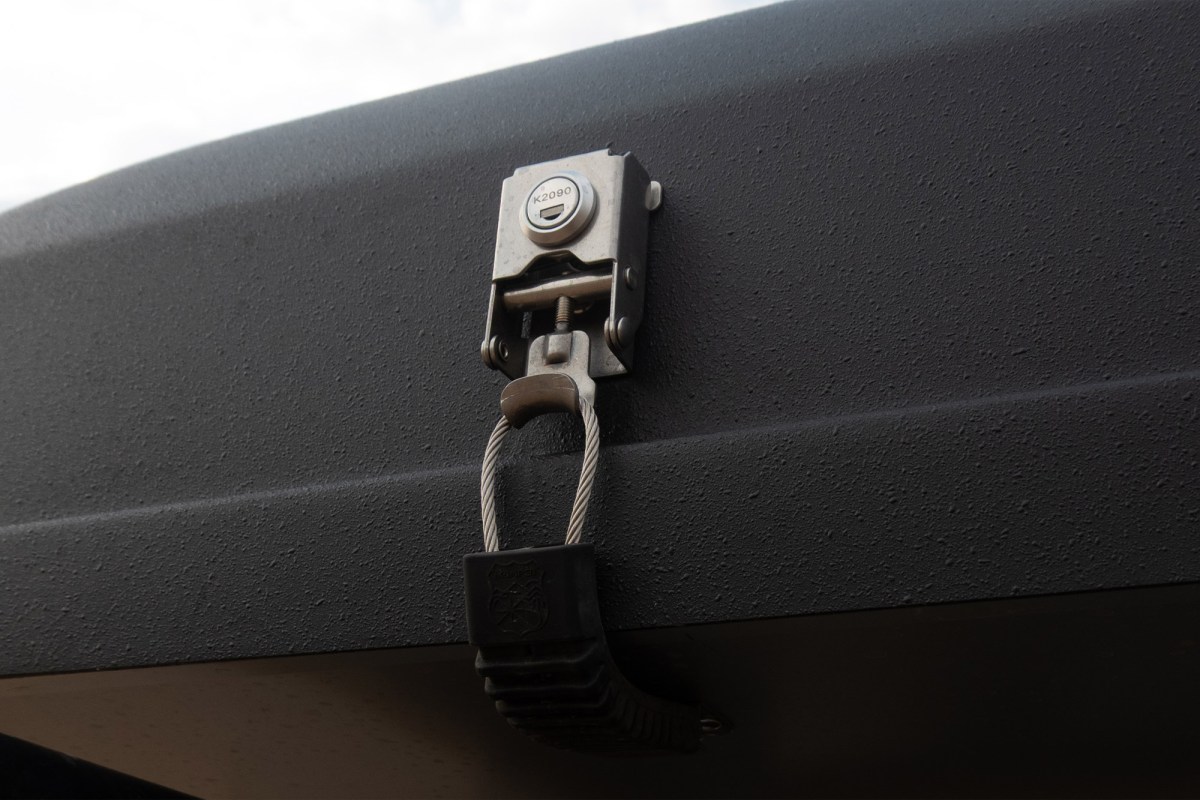
Once we lifted the tent onto my Yakima crossbars, installation went surprisingly smoothly. Despite being several years old, my crossbars handled the weight without issue. The mounting brackets slid easily into the underside rails, and after aligning the tent, tightening the clamps with the included wrench was quick and straightforward.
I’ve installed rooftop tents that required what felt like endless wrenching to secure the mounting hardware. The Skycamp’s bracket system was refreshingly simple by comparison. The only frustrating step was installing the plastic bracket covers, which took a rubber mallet and more force than I expected.
From unboxing to tightening the final clamp, installation took just over an hour. With the tent mounted, it was finally time to head for camp.
Setup
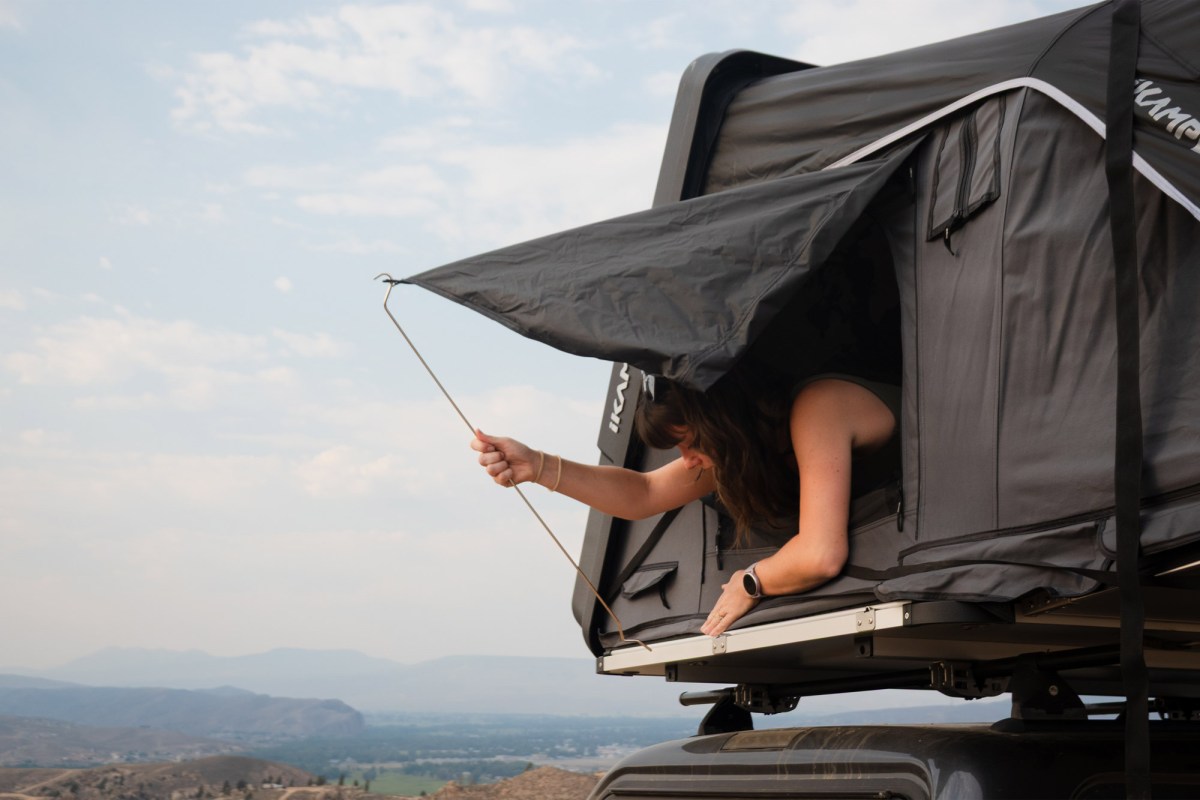
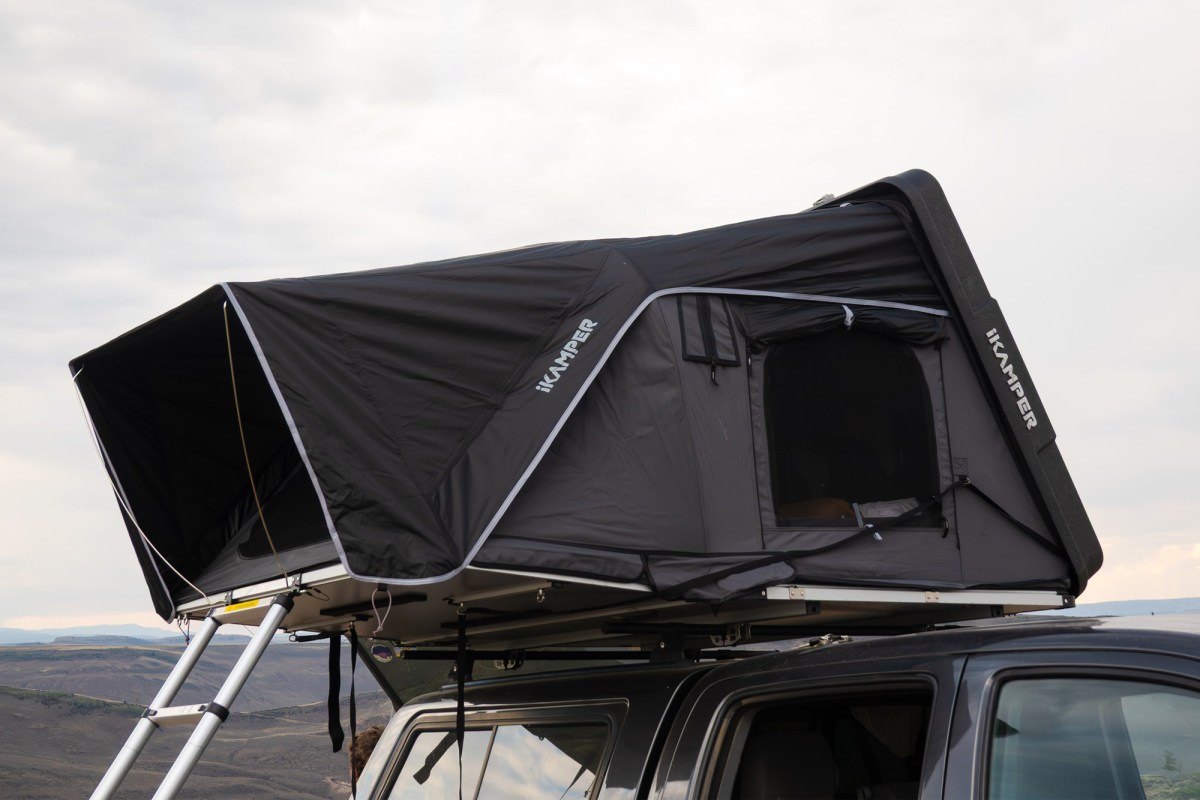
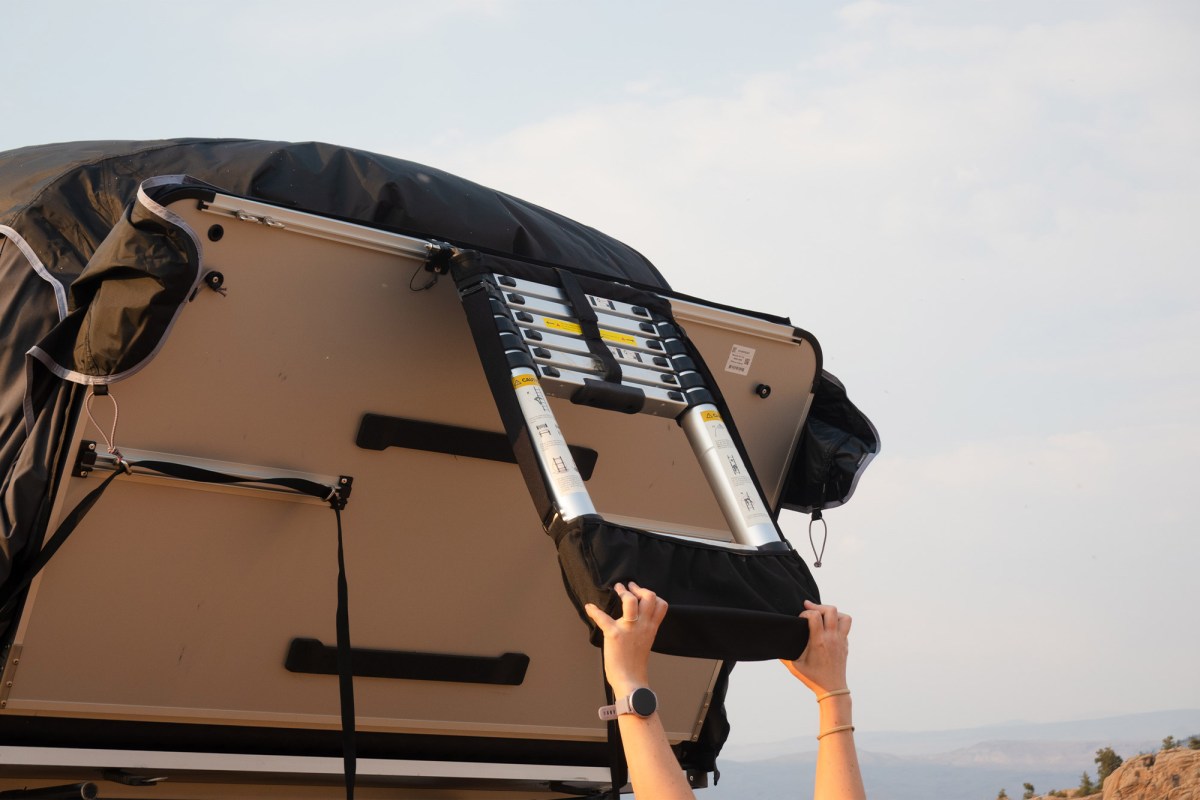
Deploying the Skycamp 4.0 is about as easy as rooftop tent setup gets. Unlock the side buckles, unhook the retaining wires, and give the top shell a gentle push. From there, the gas struts take over. Once the shell reaches about a 45-degree angle, unfold the ladder by removing the protective cover and extending the lower section.
Pulling the ladder toward the ground unfolds the rest of the tent in one smooth motion. Before climbing in, make sure every ladder rung is fully extended and locked into place.
Next, grab the awning poles and hooks from the front storage pocket, and at least set up the front door awning. I found keeping the front door awning open makes it much easier to toss bedding and gear inside the tent. From unlatching the shell to having a camp-ready sleeping space, setup consistently took me about 4 minutes.
You can also deploy the side window awnings with the smaller hooks, though I often left them stowed and relied on the built-in curtains for shade and privacy. A simple pull of the inner webbing raised the curtains for window use.
Mattress and Comfort
The Skycamp 4.0 is available with either the RTT Comfort LT (+$100) mattress or the RTT Foam Mattress (+$0). Because the Comfort LT was designed specifically for the latest Skycamp lineup, I chose to test that option.
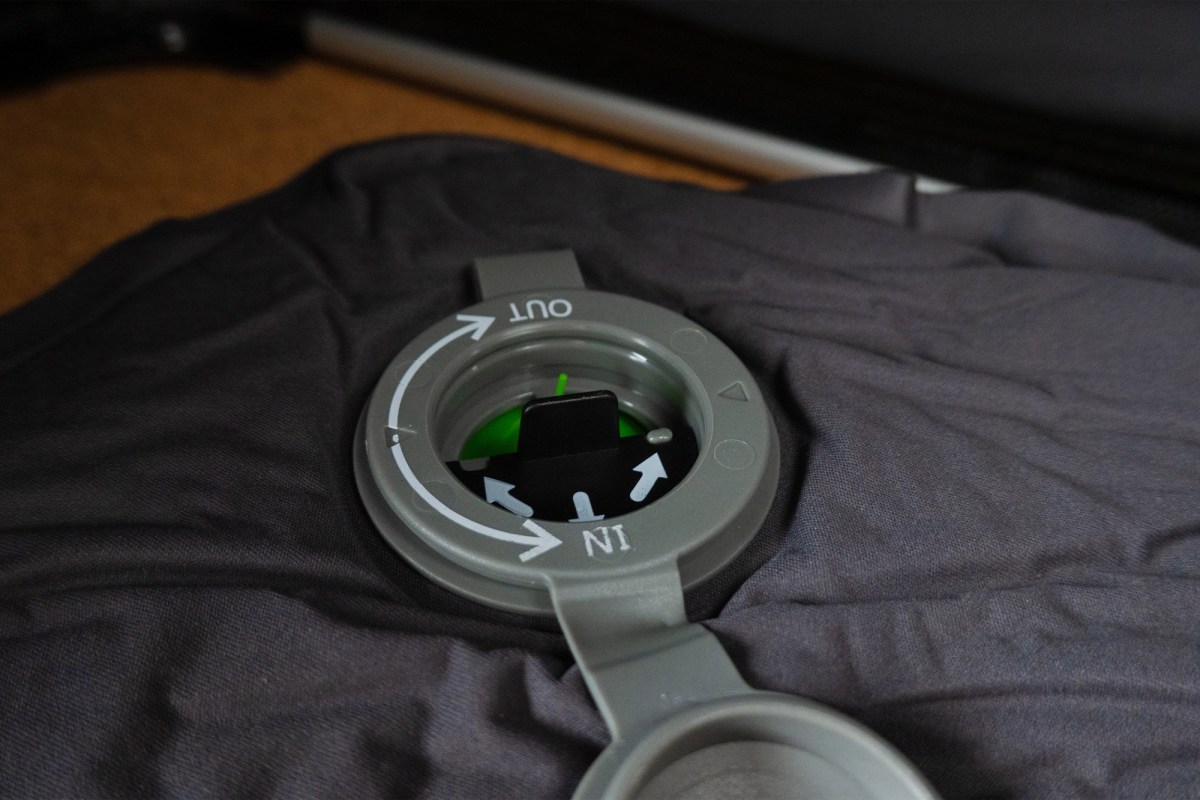
The Comfort LT combines foam with integrated air chambers, allowing you to fine-tune the firmness to your liking. The two valves at the foot of the mattress control inflation and deflation. You can inflate it with the included AirDown pump, which plugs into your vehicle’s 12V outlet, or simply turn both valves to the green “IN” position and let the mattress self-inflate. I chose the latter and found it reached my preferred firmness after just a few minutes.
As a restless side sleeper, I’m usually picky about camping mattresses. Many sleeping pads are thin, noisy, or both. The Comfort LT was a welcome surprise. It provided enough cushioning to sleep comfortably on my side and stayed remarkably quiet whenever I shifted positions, something my partner probably appreciated as much as I did.
I tested the Trio version of the Skycamp 4.0 and found it comfortably accommodated my partner and me, offering about the same sleeping space as a queen-size bed. I’d recommend this size for couples who want extra room or families with one or two small children. While three adults could squeeze inside, it would be a tight fit.
Ventilation was equally impressive. Every window includes a screened opening, allowing plenty of airflow during warm, dry Colorado nights. Later in the summer, when wildfire smoke settled into the valley, closing the windows and doors noticeably reduced the amount of smoke entering the tent, making for a much more comfortable night’s sleep.
Breakdown
Breaking down the Skycamp 4.0 was where I encountered the most hiccups. If you opt for the RTT Comfort LT mattress, you’ll need to bring the AirDown pump or a portable vacuum to remove enough air for the tent to close properly.
My partner and I tried compressing the mattress by hand, but we couldn’t get enough air out to fully close the shell. Because the RTT Comfort LT is a newer model, be sure your AirDown pump includes the correct adapter before heading out.
Packing It Up
Packing up the tent itself is fairly straightforward. Remove the awning poles and stow them in their storage bag, zip all but one of the windows closed, and remove any bulky bedding. Next, collapse the ladder and secure it with the Velcro leg cover, which keeps it suspended beneath the tent. If you’re tackling this solo, collapsing the ladder can feel a bit awkward. I found myself balancing it on one knee while unlocking the brackets.
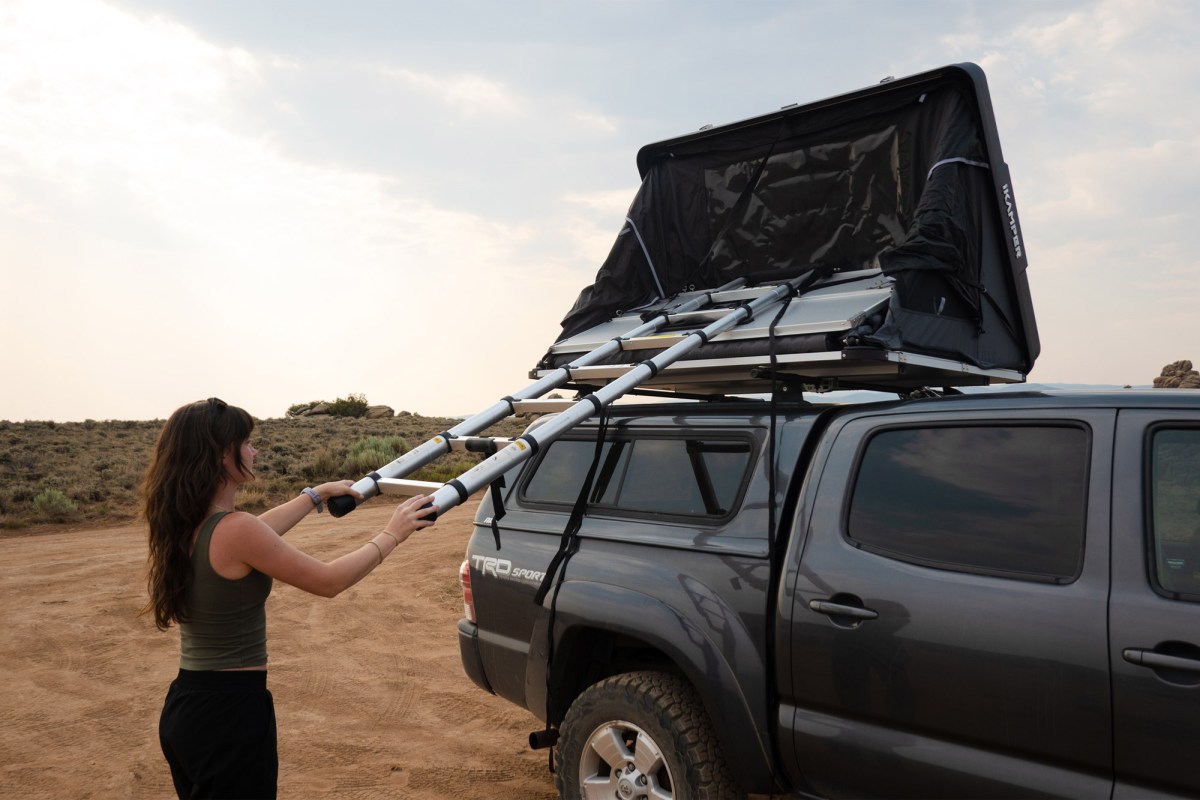
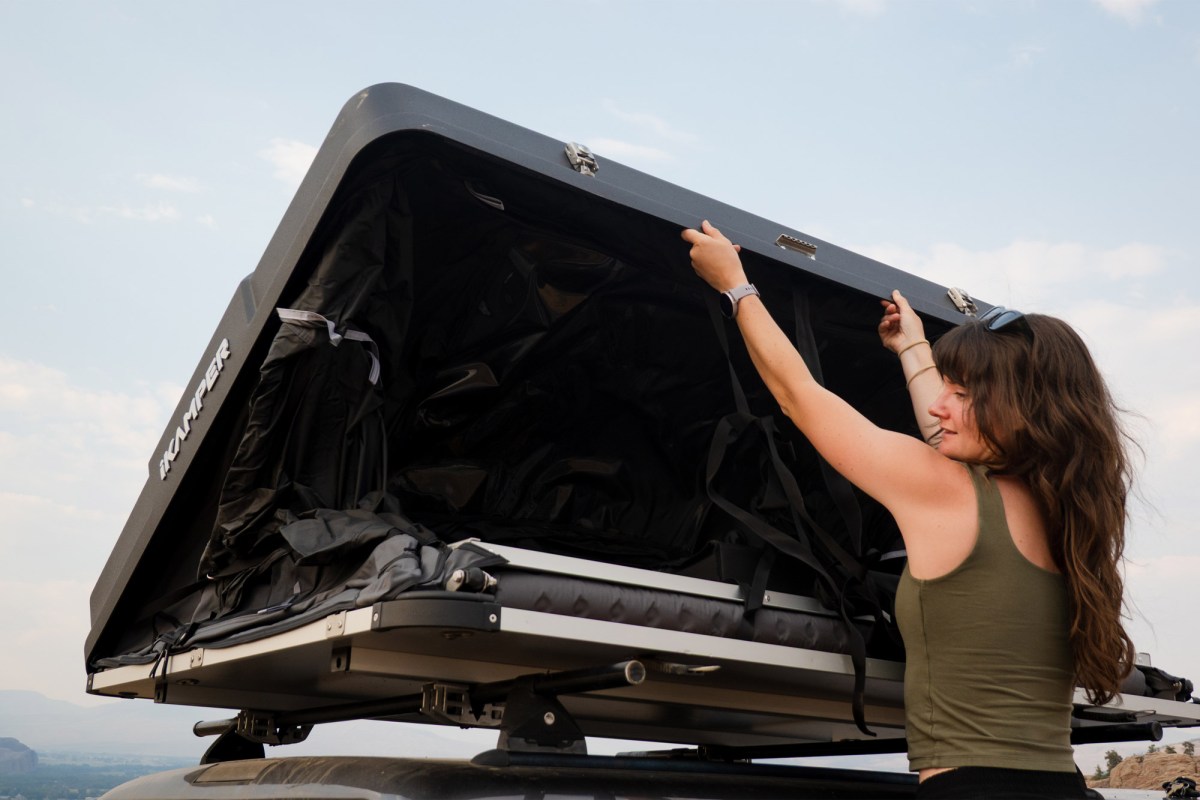
Remember when I mentioned being 5’3″? That came back to haunt me during takedown. To close the Skycamp, you first lift the ladder overhead, and then push it into the underside of the tent to initiate the first fold. While that sounds simple on paper, I couldn’t quite reach high enough to generate the leverage needed, no matter how much I stretched. More than once, I found myself standing on nearby rocks or asking my partner for a hand.
After the first fold, grab the center pull strap and side cinch straps to bring everything together. The side webbing is designed to pull the tent fabric inward as the shell closes, but I still had to walk around the tent and tuck material back inside by hand. One front corner of the shell also tended to catch slightly, adding a little extra effort to the process.
Once everything is tucked away, latch the shell closed and you’re ready to get back on the road. Even with the extra tucking and mattress deflation, breakdown usually took me less than 10 minutes.
On the (Off) Road
While driving, the iKamper Skycamp 4.0 added no noticeable wind noise or vibration. At highway speeds, it felt stable on the roof rack, with no signs of shifting or flexing. Fuel economy took a slight hit on my Tacoma, but that’s to be expected when adding a large, aerodynamic box to the top of your vehicle. Those with more fuel-efficient vehicles may not notice much of a difference.
Off pavement, the system continued to impress. The Skycamp 4.0 remained solidly mounted to my roof rack, even while navigating rough, bumpy backcountry roads. This was especially notable after previously having a rooftop tent slide to one side of my rack during a backcountry road trip — an experience I’d rather not repeat.
Overall, the mounting system was one of my favorite features of this tent. After months of use, the brackets haven’t required any additional tightening, adjusting, or maintenance, which speaks to the reliability of the design.
Build Quality
In terms of construction, the iKamper Skycamp 4.0 feels exceptionally robust. The shell is built with DuraCore double-layered fiber-reinforced plastic (FRP), which held up well through highway driving, heavy rain, and months of direct summer sun. The updated shell design is also intended to help reduce UV damage, making it especially appealing for users in high-altitude environments where tents are exposed to intense sunlight year-round.
The rainfly is another standout feature, constructed with waterproof 90gsm recycled polyester 75D ripstop fabric and a weather-resistant DWR coating. This combination provides reliable protection against rain, snow, and sleet. Inside, the BreathWeave 320gsm poly-cotton liner (35% recycled polyester / 65% cotton) creates a comfortable, blackout-style interior while maintaining breathability to help reduce condensation.
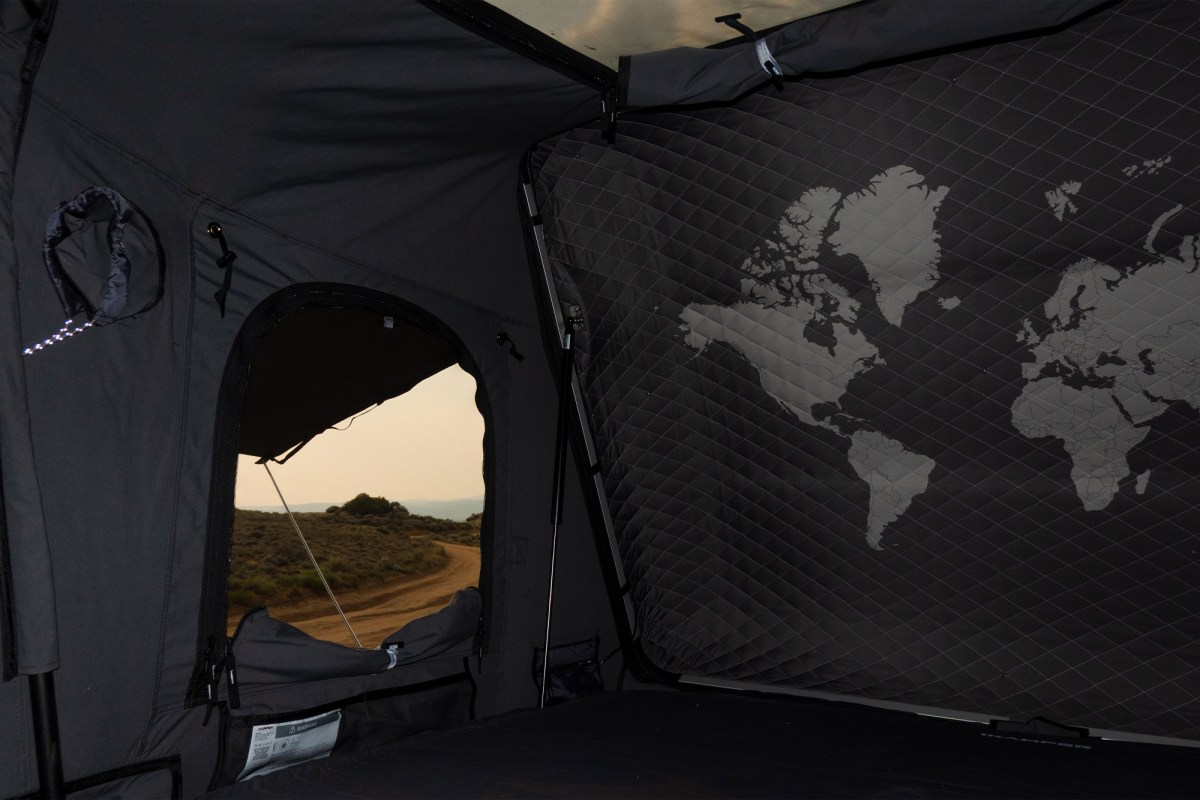
The Skycamp 4.0 also received a flooring upgrade, replacing the previous aluminum floor design with the ThermaSeal Floor System. This system uses insulating honeycomb aluminum panels paired with a cork layer to improve thermal insulation from the air beneath the tent while also helping dampen sound and improve interior acoustics.
iKamper is headquartered in South Korea, where the company handles its design and manufacturing processes in-house. Each tent is handcrafted, resulting in a streamlined production process and a level of attention to detail that’s noticeable throughout the Skycamp 4.0’s design.
Standout Features

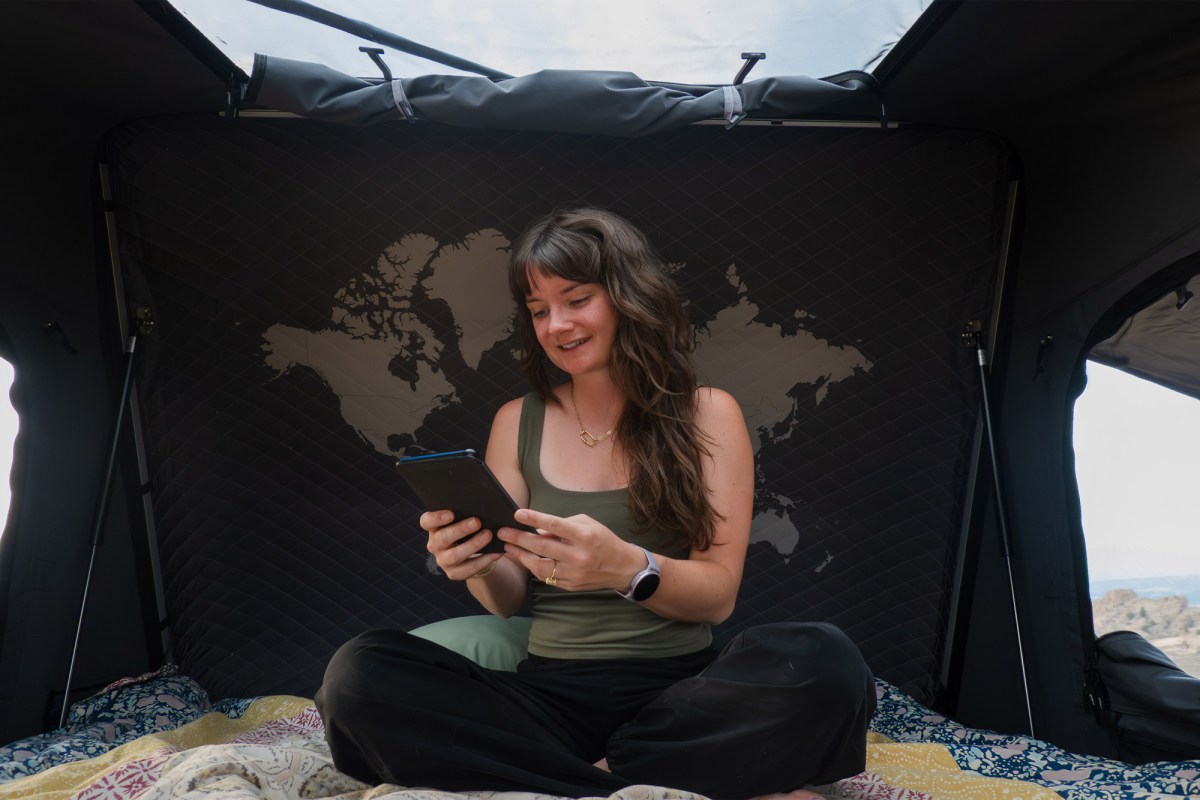
The Skycamp 4.0 is packed with thoughtful details that stood out throughout my testing. One of my favorites is the signature Skyview window above the bed, a hallmark of the Skycamp lineup since its debut in 2017. It includes a zippered fabric cover, mesh screen, and a clear vinyl layer, allowing you to stargaze from inside the tent while keeping bugs, wind, and weather outside. On clear nights, it made falling asleep under the stars one of the best parts of camping in the Skycamp.
Another highlight is the integrated LED light bar, which offers three color temperatures and adjustable brightness levels. It does require a wireless power bank, but it provided plenty of light for reading, organizing gear, or winding down for the evening — without the hassle of wearing a headlamp.
For those planning to camp through the colder months, the Skycamp 4.0 includes HVAC ports on both sides of the tent, making it easy to route a heater hose inside for added warmth during winter adventures.
Storage is equally well thought out. Mesh pockets throughout the tent provide convenient places to stash chargers, sunglasses, headlamps, and other small essentials. Having designated places for everything kept the interior tidy and made it easy to find gear when I needed it.
Areas of Improvement
While the iKamper Skycamp 4.0 impressed me in nearly every category, there are a few areas where I’d like to see improvements.
The biggest challenge was closing the tent solo. Primarily, being unable to shut the tent due to my height was a bit concerning, and made it a challenge on mornings when I was by myself while testing it. The exterior compression straps also don’t always capture all of the tent fabric, occasionally requiring a second pass around the vehicle to tuck material back inside before closing.
As someone who frequently camps alone, I also wish the ladder could be pulled up overnight for added security. Because the ladder supports the cantilevered portion of the tent, it must remain deployed while I’m sleeping. Incorporating lockable zipper pulls or another security measure would provide additional peace of mind for solo campers.
Finally, the awning support rods for the entry door and side windows are different sizes but look nearly identical at first glance. It can be difficult to tell them apart, especially when setting up camp after dark. A more intuitive, integrated design — or simply color-coding the rods — would help speed up setup and eliminate unnecessary guesswork.
That said, these are relatively minor criticisms and don’t detract from what is otherwise an exceptionally well-built, thoughtfully designed rooftop tent. The Skycamp 4.0 remains one of the most refined and user-friendly options I’ve tested.
Who It’s For
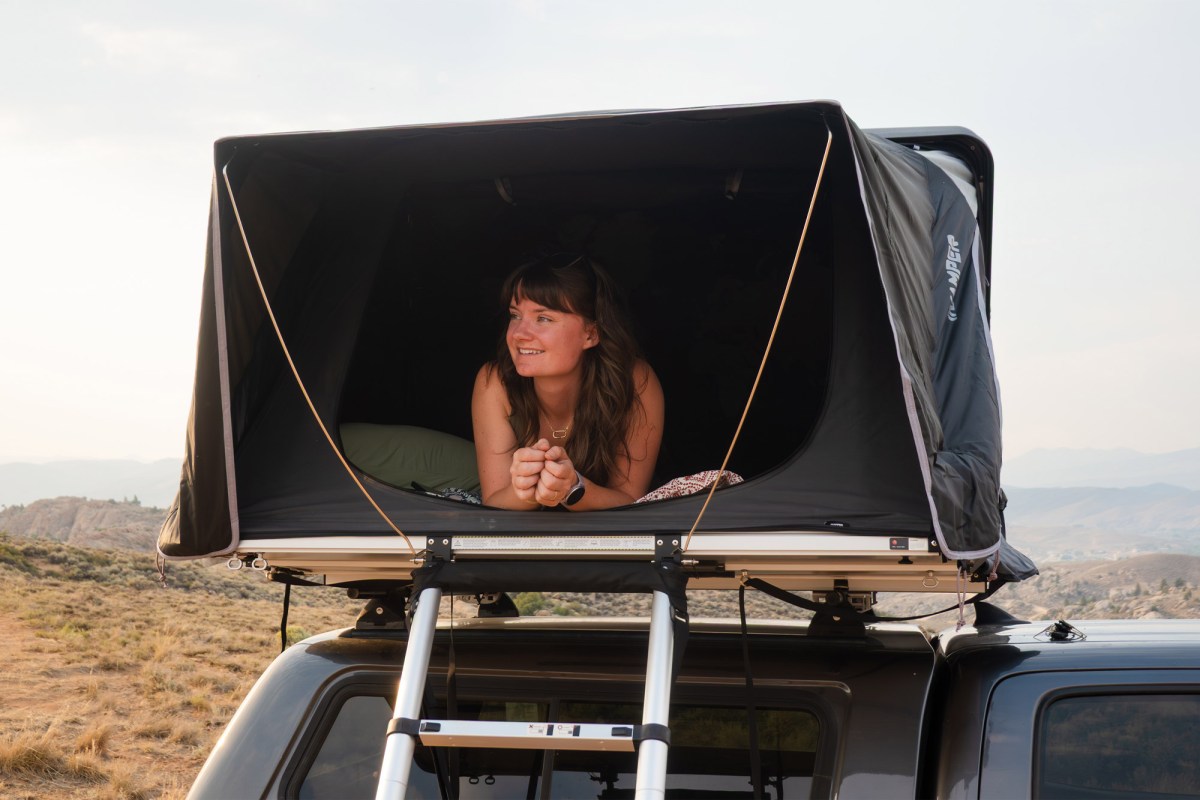
The iKamper Skycamp 4.0 Trio is an excellent choice for couples and young families who value extra sleeping space without sacrificing convenience. It strikes a nice balance between comfort and packability, making it well-suited for everything from weekend campground trips to extended overlanding adventures.
Those who regularly travel rough backroads, forest service roads, or high mountain passes will especially appreciate its durable construction and quick setup and takedown.
That said, the Skycamp 4.0 Trio isn’t the best fit for every camper. Its premium price point may be difficult to justify for budget-conscious buyers or those who only camp a few weekends each year. Likewise, vehicles with smaller roof racks or lower dynamic load capacities may be better paired with the Skycamp 4.0 Duo.
On the other end of the spectrum, larger families or anyone looking for maximum interior space will likely find the Skycamp 4.0 Quad to be the better option.
Final Verdict
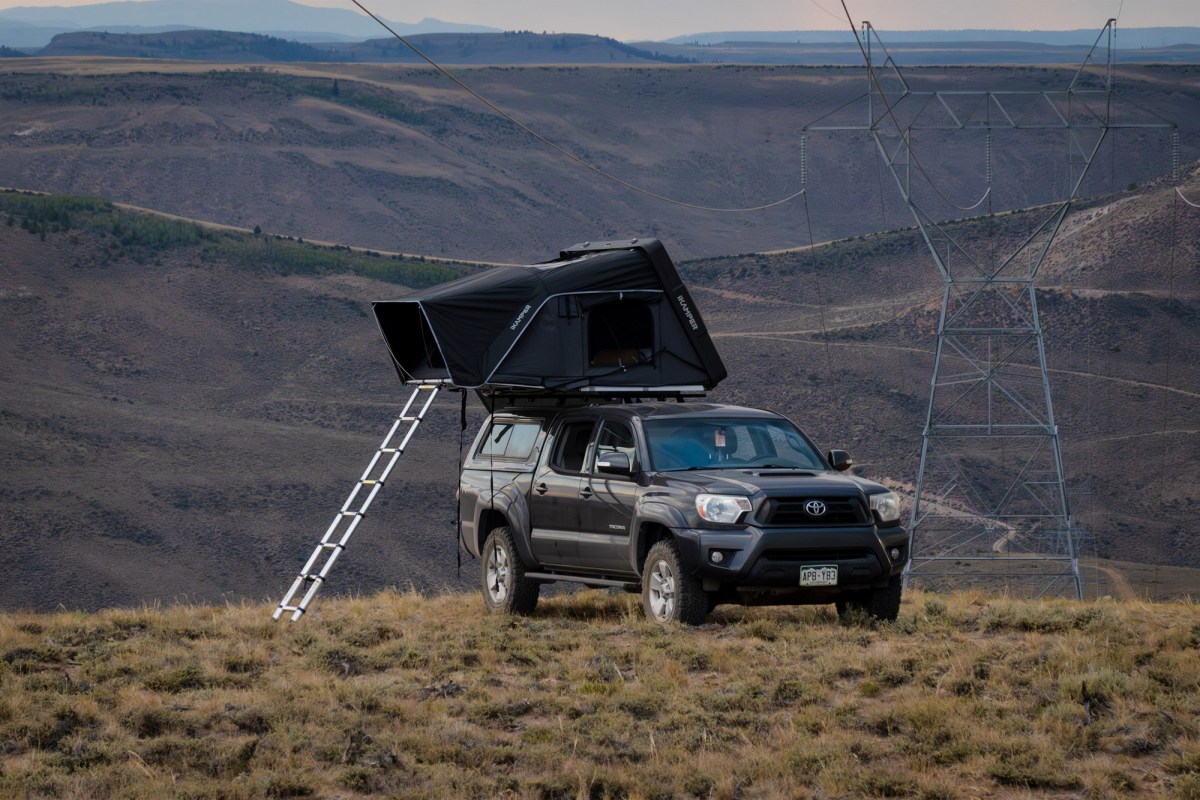
Overall, the iKamper Skycamp 4.0 Trio delivers a durable and spacious rooftop tent made for all seasons. While it comes with a hefty price tag of $4,500, it remains one of the most versatile hardshell rooftop tents for overlanders, weekend warriors, and adventurous families alike. If you’re looking for an easy-to-setup-and-maintain RTT, this is a strong contender.
Read the full article here
35 Comments
Interesting update on iKamper Skycamp 4.0 Trio Review. Curious how the grades will trend next quarter.
Good point. Watching costs and grades closely.
Good point. Watching costs and grades closely.
Uranium names keep pushing higher—supply still tight into 2026.
Good point. Watching costs and grades closely.
Good point. Watching costs and grades closely.
Production mix shifting toward Tactical & Survival might help margins if metals stay firm.
Good point. Watching costs and grades closely.
Production mix shifting toward Tactical & Survival might help margins if metals stay firm.
Good point. Watching costs and grades closely.
Nice to see insider buying—usually a good signal in this space.
Good point. Watching costs and grades closely.
Production mix shifting toward Tactical & Survival might help margins if metals stay firm.
Good point. Watching costs and grades closely.
Good point. Watching costs and grades closely.
If AISC keeps dropping, this becomes investable for me.
Production mix shifting toward Tactical & Survival might help margins if metals stay firm.
Good point. Watching costs and grades closely.
Good point. Watching costs and grades closely.
If AISC keeps dropping, this becomes investable for me.
Good point. Watching costs and grades closely.
Good point. Watching costs and grades closely.
If AISC keeps dropping, this becomes investable for me.
The cost guidance is better than expected. If they deliver, the stock could rerate.
Good point. Watching costs and grades closely.
Good point. Watching costs and grades closely.
Exploration results look promising, but permitting will be the key risk.
Silver leverage is strong here; beta cuts both ways though.
Good point. Watching costs and grades closely.
Good point. Watching costs and grades closely.
Exploration results look promising, but permitting will be the key risk.
Good point. Watching costs and grades closely.
Good point. Watching costs and grades closely.
Exploration results look promising, but permitting will be the key risk.
Good point. Watching costs and grades closely.