

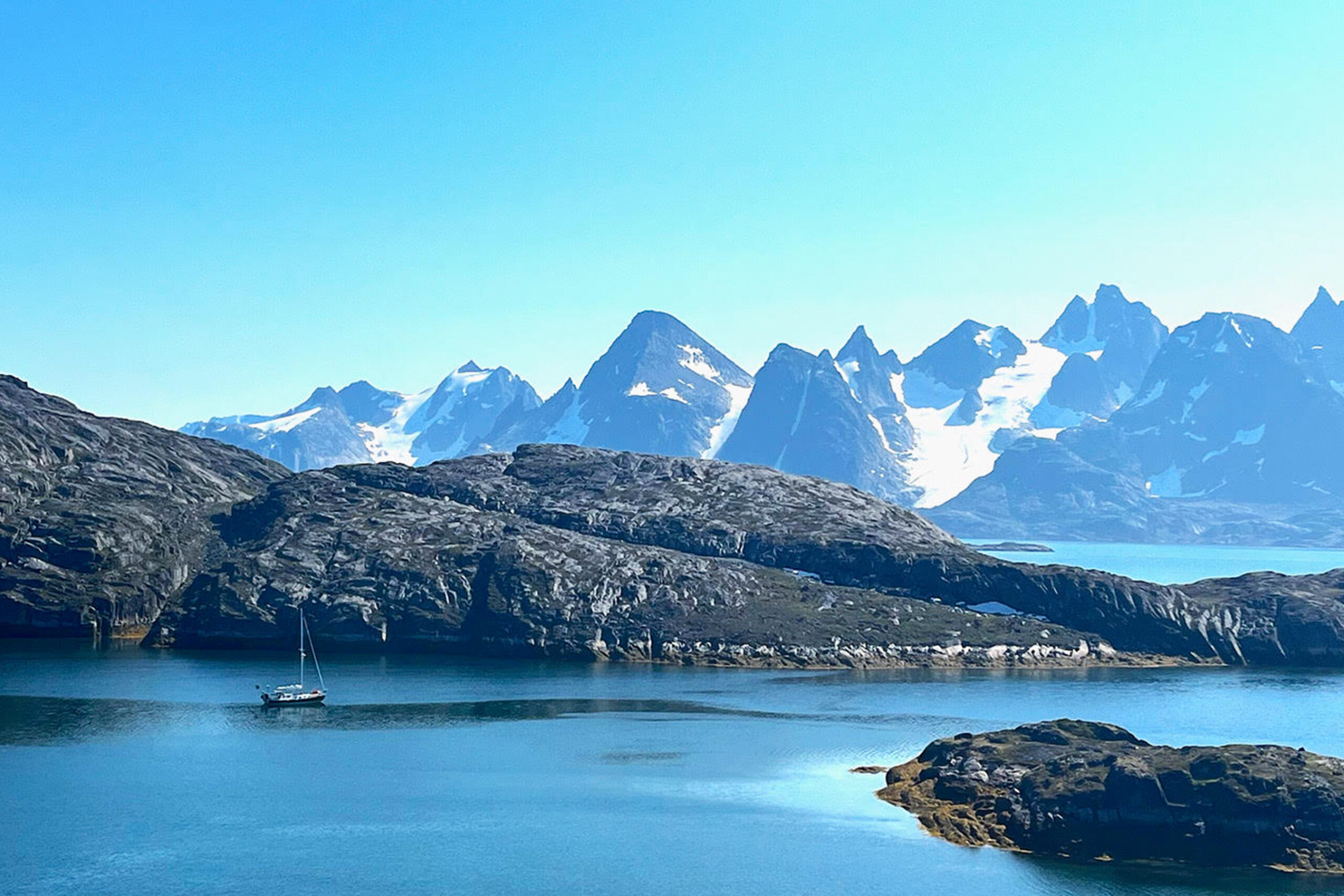
Lonnie Dupre is a renowned Arctic explorer who can’t get enough of Greenland. He and his expedition partner, Pascale Marceau, are currently halfway through their latest adventure to the far north, but this time, they’re working out of their comfort zones.
Dupre’s first expedition to Greenland was in 1997, when he and John Hoelscher became the first people to circumnavigate the country by kayak and dogsled. Then, in 2022, he returned with Marceau to travel by dogsled again, documenting how climate change was affecting Inuit communities.
But ever since that first expedition, a thought has been growing in the back of his mind. His heroes — past explorers like Robert Peary, Ernest Shackleton, and Robert Falcon Scott — had all been sailors. Their expeditions had depended on boats. Dupre wanted to experience that. He wanted to sail his own boat to and around Greenland.
There were two big problems, though. Dupre didn’t have a boat and had no sailing experience whatsoever. Sure, he’d pulled sleds from Canada to the North Pole (twice), made the first solo winter ascent of Alaska’s Mount Denali, and completed the first west-to-east winter crossing of the Northwest Passage by dogsled. But sailing was a totally foreign enterprise to him.
“One day Lonnie just said, ‘I’m going to get a boat,’” Marceau recalled when the two spoke with GearJunkie. “And I was like, ‘What? What’s going on?’”
Marceau is a scientist, but has an impressive resume as a cold-weather explorer herself. And, like Dupre, she had no experience with sailboats at all. But her curiosity got the better of her. She agreed to the challenge and jumped in with both feet alongside Dupre.
It’s been a steep learning curve, they both said. Not just because they basically had to learn how to build a boat from the inside out, but in the gear department as well. Planning for an Arctic sailing expedition is completely different from planning for an Arctic dog sledding expedition, kayak trip, high alpine mountaineering, or anything else they’re used to.
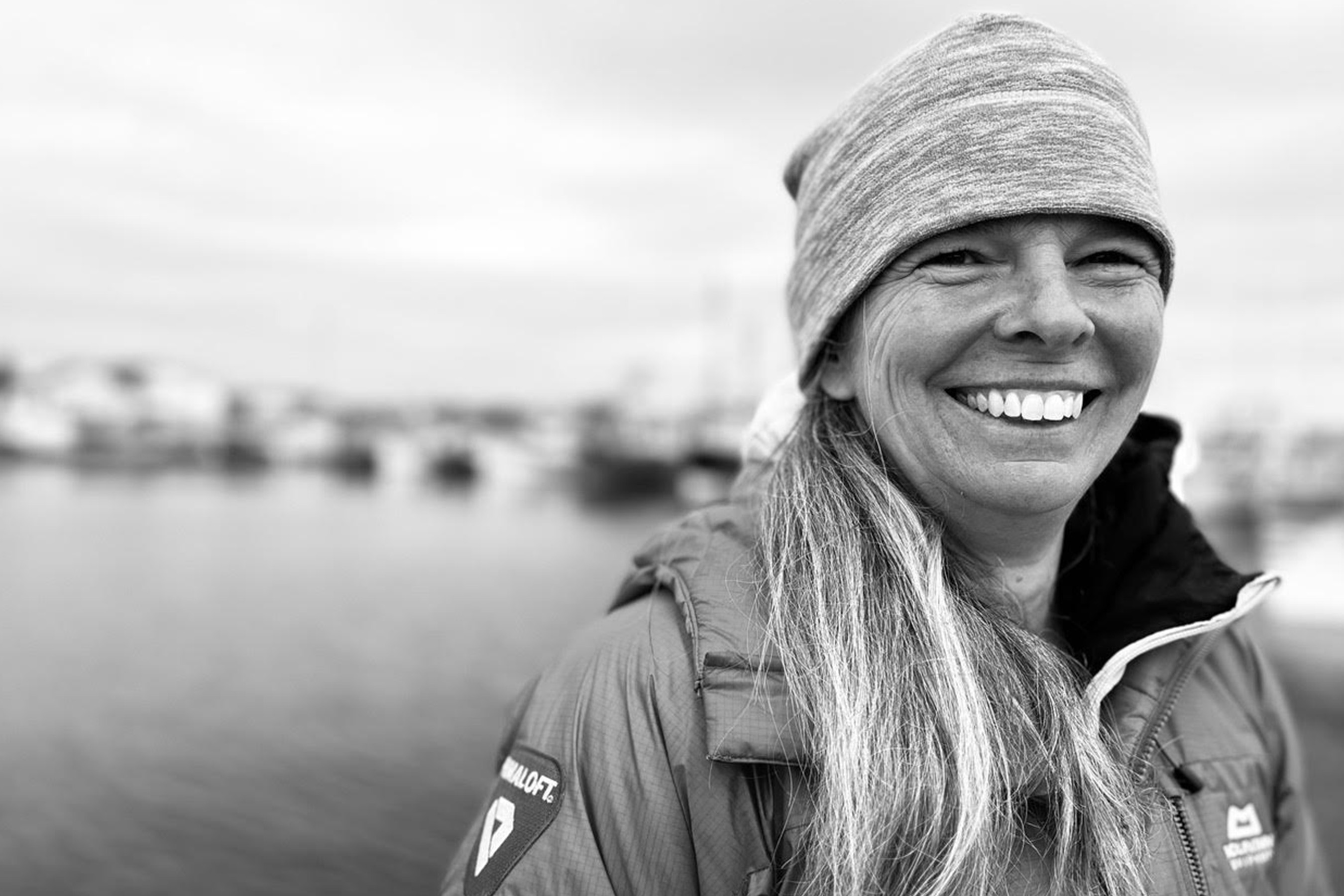
GearJunkie caught up with Dupre and Marceau midway through their Greenland sailing adventure. They told us about their mission, the challenges they’ve faced, a tiny wood stove they couldn’t have done without, and other gear that’s made a difference along the way.
Sailing to Greenland: The Mission
This quest to visit Greenland by boat isn’t just for fun. Dupre and Marceau are working with the organization Sea-Watch to gather scientific data on marine life, glacial recession, and the impacts of climate change. They’re reporting on auk populations, following a map given to them by Sea-Watch’s founder, to see how the birds’ colony numbers and locations have changed since the ’80s.
“It’s like a treasure hunt,” Marceau said.
They’re also recording observations of marine mammals as they make their way — belugas, orcas, narwhals, and other whales.
They departed on their boat, Nord Hus, from Grand Marais on Lake Superior on March 31, 2025. There was ice in the water, and cold lake spray froze to the decks and rigging. They navigated the Great Lakes to the St. Lawrence River, where they finally set sail on the open ocean. Dupre and Marceau rotated long shifts at the helm with their crewmates, keeping watch and doing everything they could to stay dry and warm. Luckily, they were well-equipped to handle the conditions.
Preparing for an Arctic Sailboat Expedition
Normally, when Dupre and Marceau prepare for an expedition, they’re heading into dry, cold environments, like Arctic tundras and high alpine peaks. They have to be very conscious of pack space, limit their luxury items, and identify which gear will be most useful while incurring the lightest weight penalty.
On a boat, though, none of those considerations really applies. They could bring luxuries like a pressure cooker, and they didn’t have to sleep in the tight quarters of a nylon tent.
Mostly, Dupre said he was concerned with moisture management during this trip.
“Hypothermia is the thing we try to avoid at all costs. And on an Arctic sailing adventure, hypothermia is right there all the time … I had to really concentrate on staying dry,” he said. Between the high humidity, ocean spray, and near-constant rain, that wasn’t an easy task. As a result, two technologies made all the difference on their trip. The first was a simple stove.
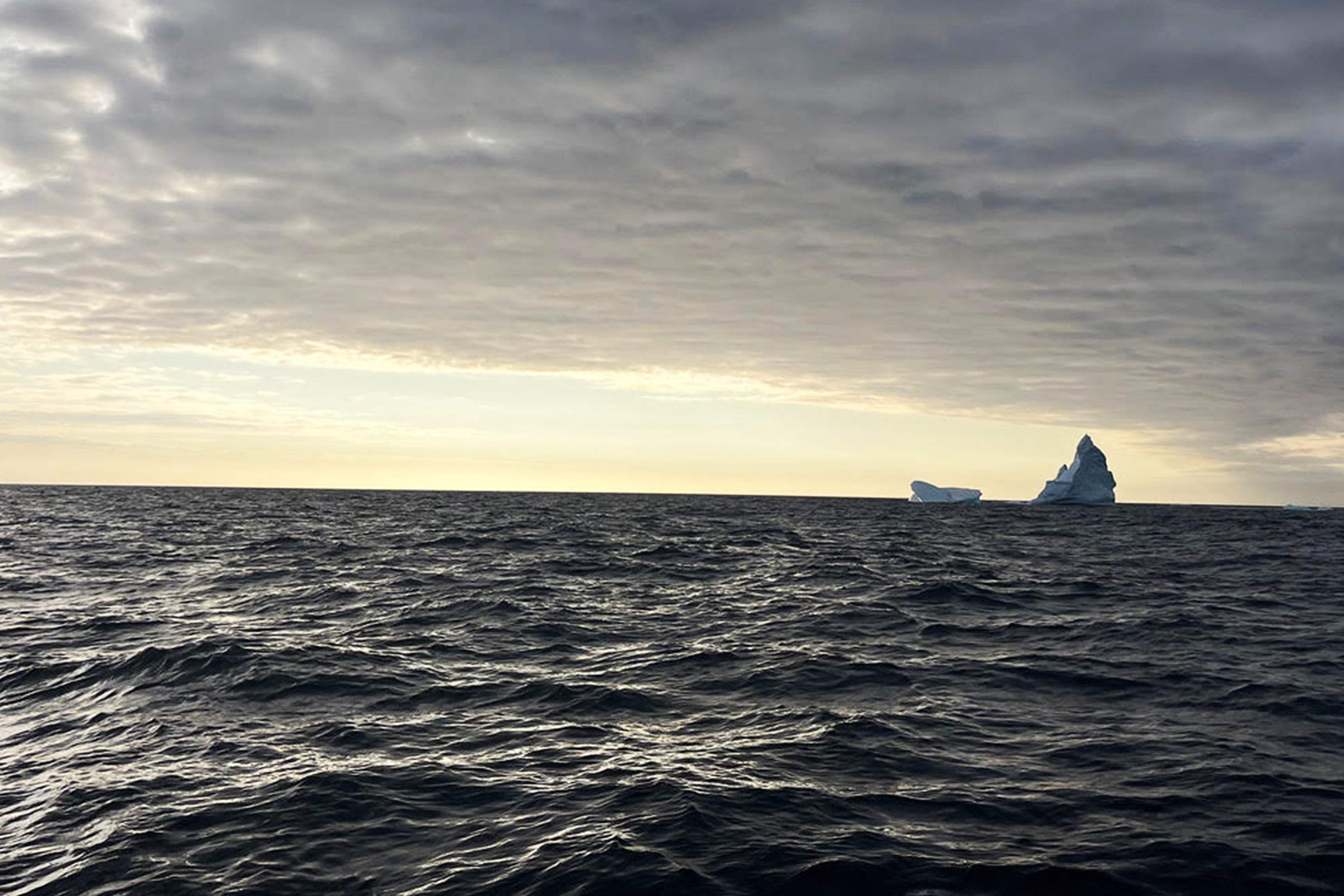
“I made sure we put a wood stove on the boat,” Dupre said. It wasn’t easy to install, he assured me. But both explorers agreed it was the most important piece of gear they brought. “Radiant heat is good at warming your bones after you’ve been on deck for four or five hours doing your shift. But it also helped pull the humidity and the moisture out of the boat.”
That was particularly important as they were constantly drying their clothes below deck. Things may never have fully dried if it hadn’t been for that stove. Issues like mold and mildew could have easily become problems.
The second technology that made a difference was PrimaLoft synthetic insulation. Dupre has been a PrimaLoft-sponsored athlete for 25 years. So the synthetic insulation was in almost all of their clothing, including boots and blankets. In the cold, wet environment of the open ocean, where they had to stand still on deck for hours at a time, synthetic insulation was a lifesaver.
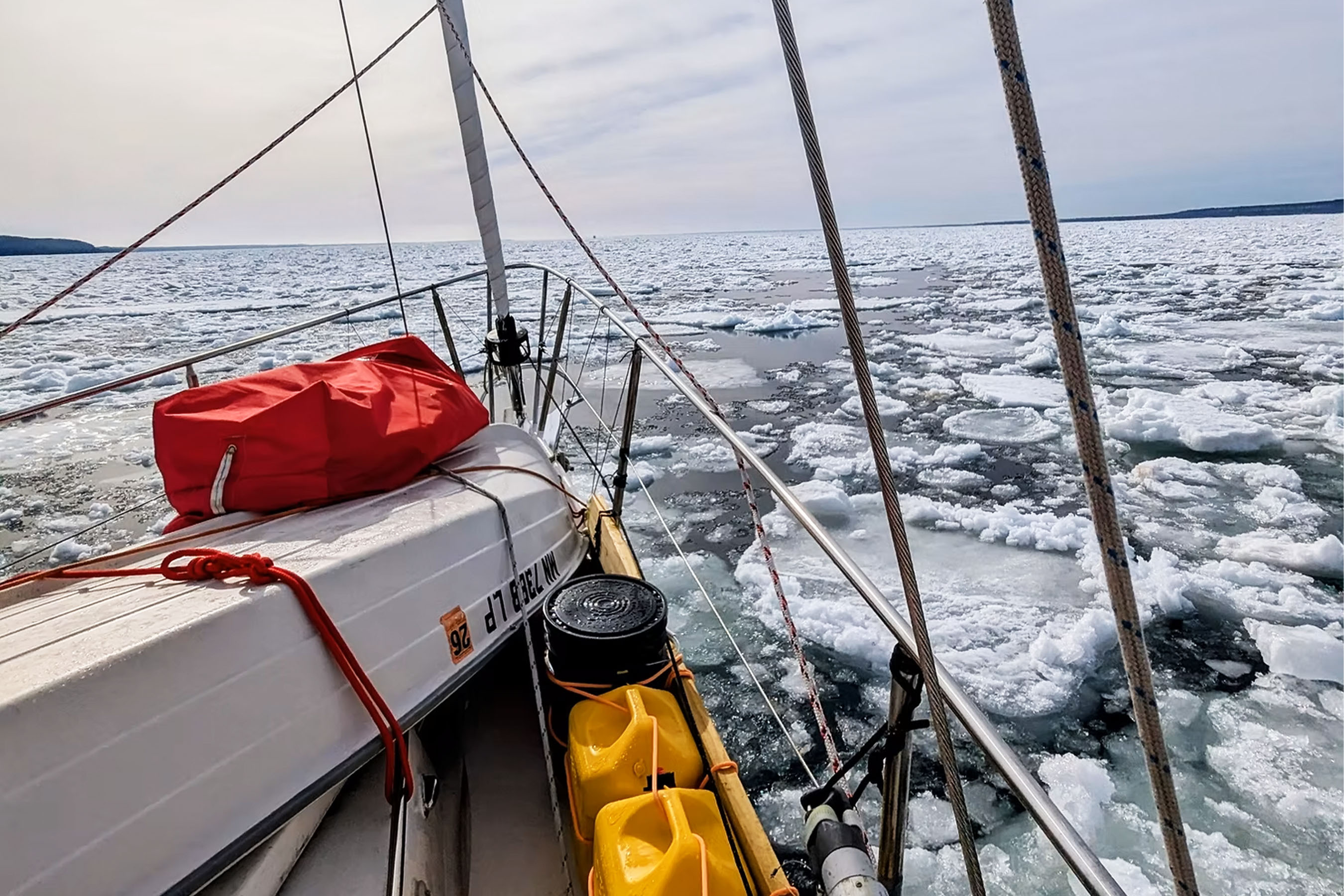
“The level of moisture was so high, it felt like you could never dry,” Marceau said. Thanks to the synthetic insulation, though, their clothing could still keep them warm even when it was wet.
Here were some of the pieces of PrimaLoft-insulated gear they never would have brought on their other expeditions, but were essential on the boat:
- Patagonia Nano Puff Vest: Dupre said that, as he gets older, it’s harder to maintain his core temperature. His insulated vest was one of his most-used items.
- Black Label PrimaLoft Banded Boots: These rubber boots kept Dupre’s feet warm and dry the entire trip. Marceau is getting herself a pair for their return trip.
- Mountain Equipment Alpamayo Jacket : Marceau said she wore this on deck almost every day under her waterproof shell. (Mountain Equipment no longer makes the Alpamayo jacket for women, but you can find more synthetic insulated jacket options on GearJunkie’s guide to the Best Synthetic Insulated Jackets.)
- Rab Photon Insulated Pants: On the coldest days, or when he wanted to lounge cozily below deck, these pants never left Dupre’s legs.
- Helly Hansen Sailwear Crew Jacket: Regular raingear wasn’t going to be enough for this trip. Marceau wore Helly Hansen sailing outerwear during her shifts.
- Grundén’s Waders: Dupre still had an old pair of Grundén waders from his days working on a fishing boat, and said they still worked for this Arctic sailing expedition.
- L.L.Bean Ultraplush PrimaLoft blanket: This item would never have made it onto a dogsled or high alpine mission, but having an insulated blanket for long shifts on deck was a huge benefit.
The Sailboat: Nord Hus
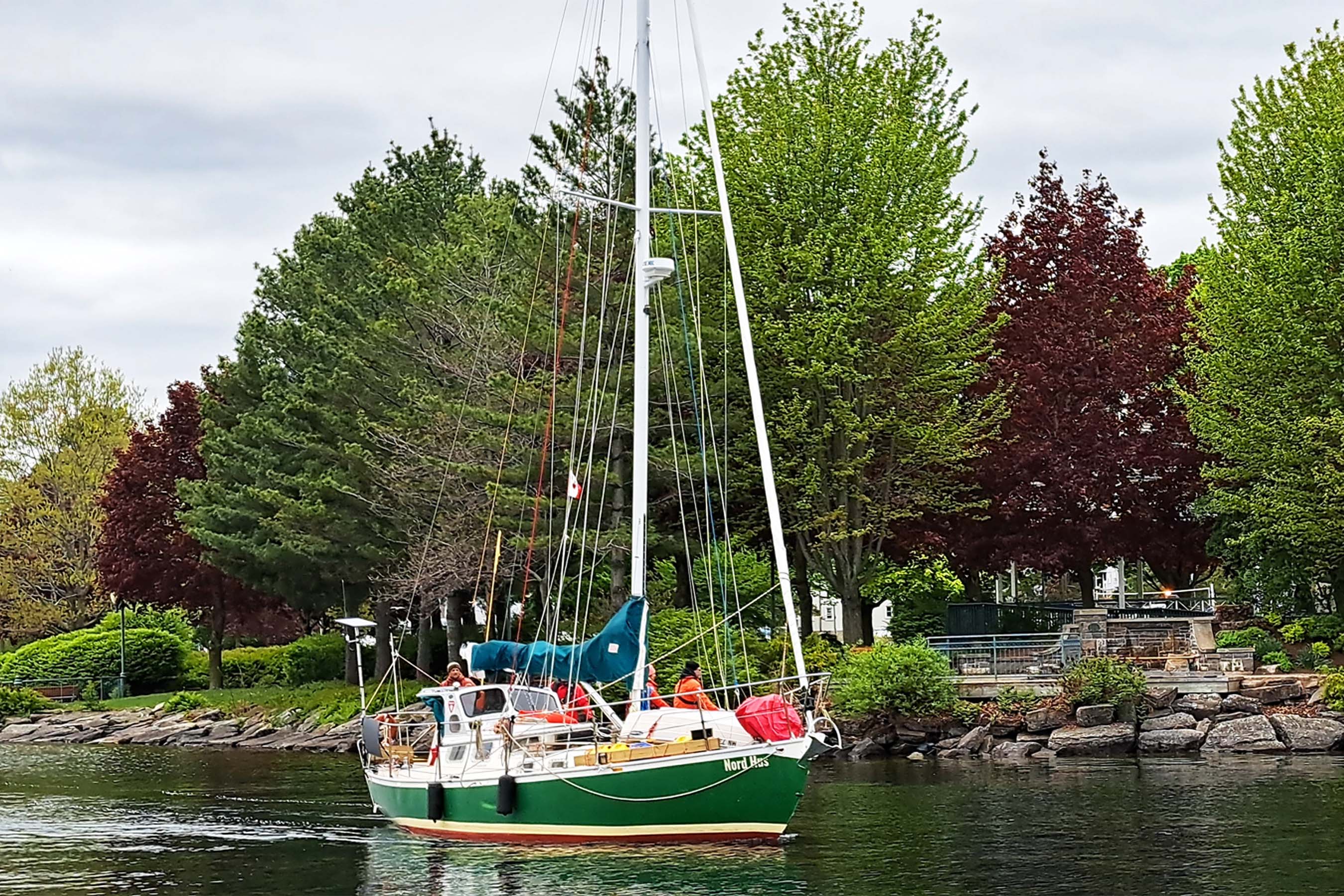
The largest single piece of gear was — obviously — their boat, Nord Hus, a Brent Swain–designed, 36-foot Bluewater sloop built in 1999.
Purchased in the fall of 2021, Dupre chose it because it was small enough to be crewed by just one or two people, but could accommodate up to four. It was a workhorse that could navigate among the shores and icebergs of Greenland, and, most importantly, it was already insulated for Arctic travel.
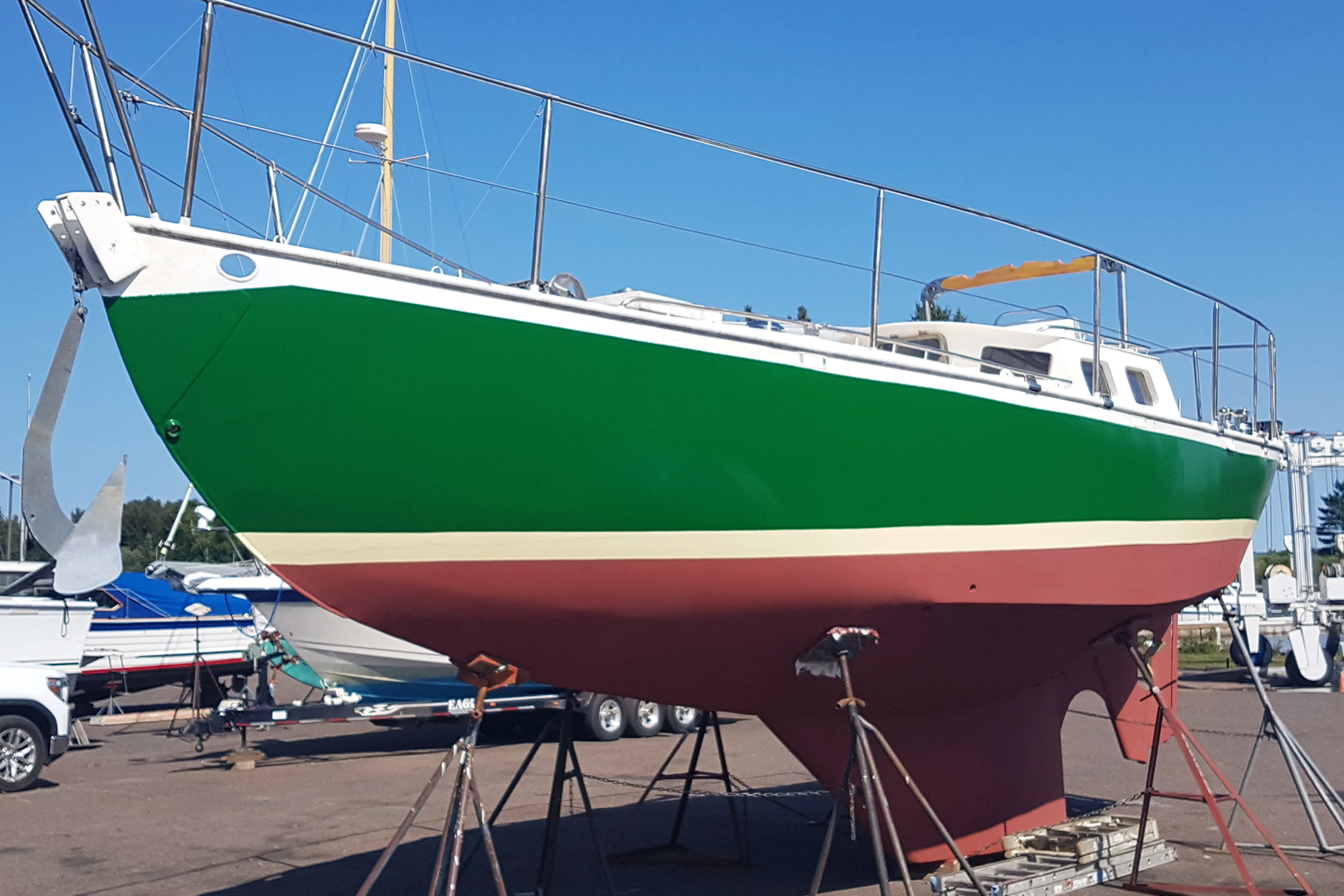
After getting it to Grand Marais from Seattle, they got to work. They started by resurfacing the boat and renaming her Nord Hus, meaning “North House.” They then replaced the original mast with a lighter, custom-built one, installed a custom aluminum dodger with tinted glass windows, ran new rigging, fixed new sails, upgraded all the electrical components, added a compost toilet and new galley and lee cloths, and Dupre figured out how to install that wood stove they used so much.
All in, the rebuild took them 3 years and cost around $160,000. By the time they finally pushed off in March, 2025, they’d become intimately familiar with their new vessel.
“We rebuilt almost all of it. Every inch, every wire. So we know that boat,” Pascale said.
Embarking on Part II
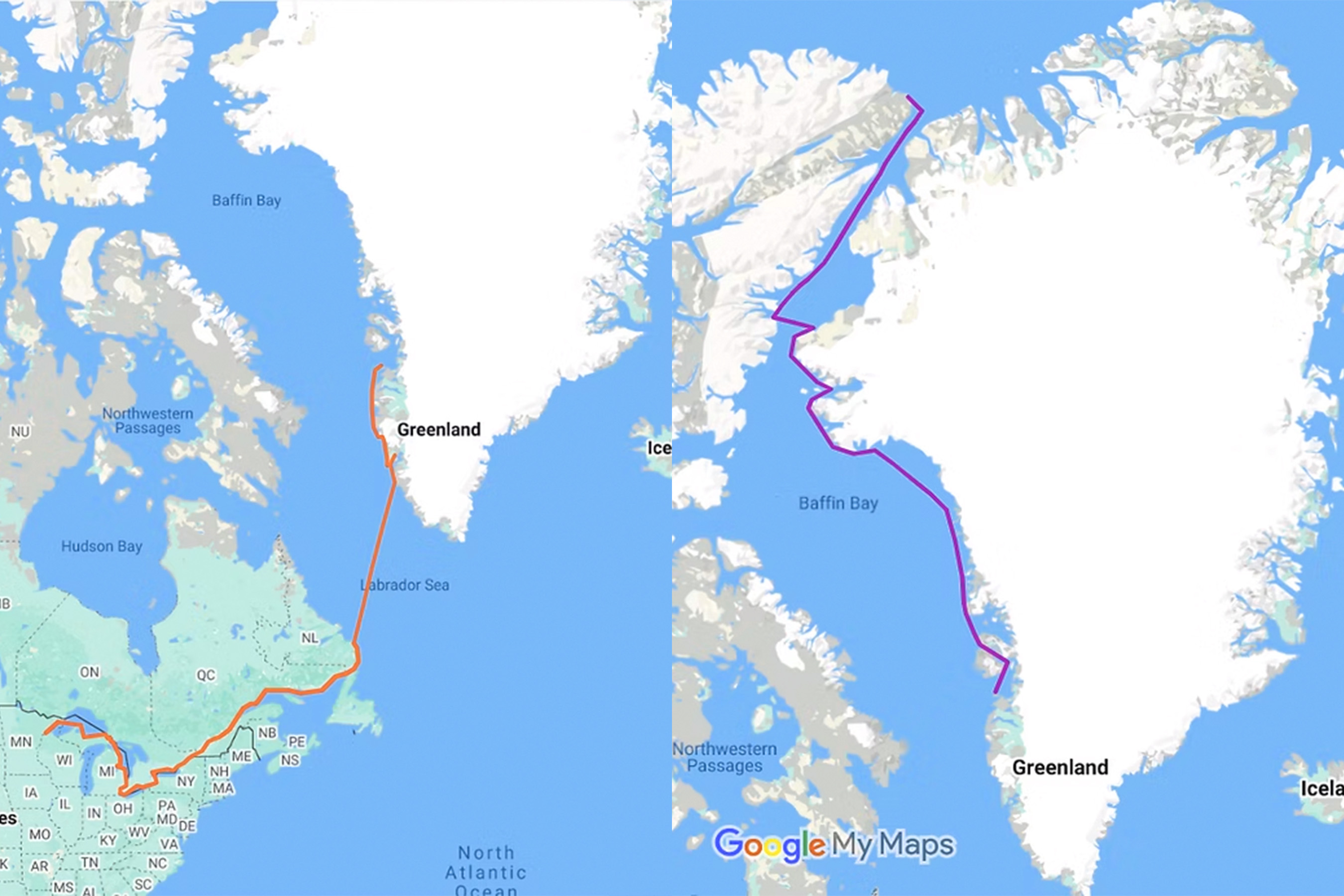
This Greenland sailing expedition comprises two parts. The first leg of Dupre and Marceau’s journey was mostly about getting to Greenland, safely navigating the Great Lakes, managing ice flows and ocean conditions, and figuring out a way to store their vessel in a country where “recreational sailing” isn’t a thing.
“You haven’t hauled a boat [out of water] until you’ve hauled one out in Greenland,” Marceau said. “They don’t have the facilities, and it’s not something they do.”
Currently, Nord Hus is stored in the village of Aasiaat in Disko Bay, on Greenland’s southwest coast. When they return, the plan is to sail up the coast to the high Arctic, making as many scientific and environmental observations as possible, and even collecting DNA samples for analysis.
It’s been nearly 30 years since Dupre’s first visit to these areas, and he’s surprised by what he’s seen so far.
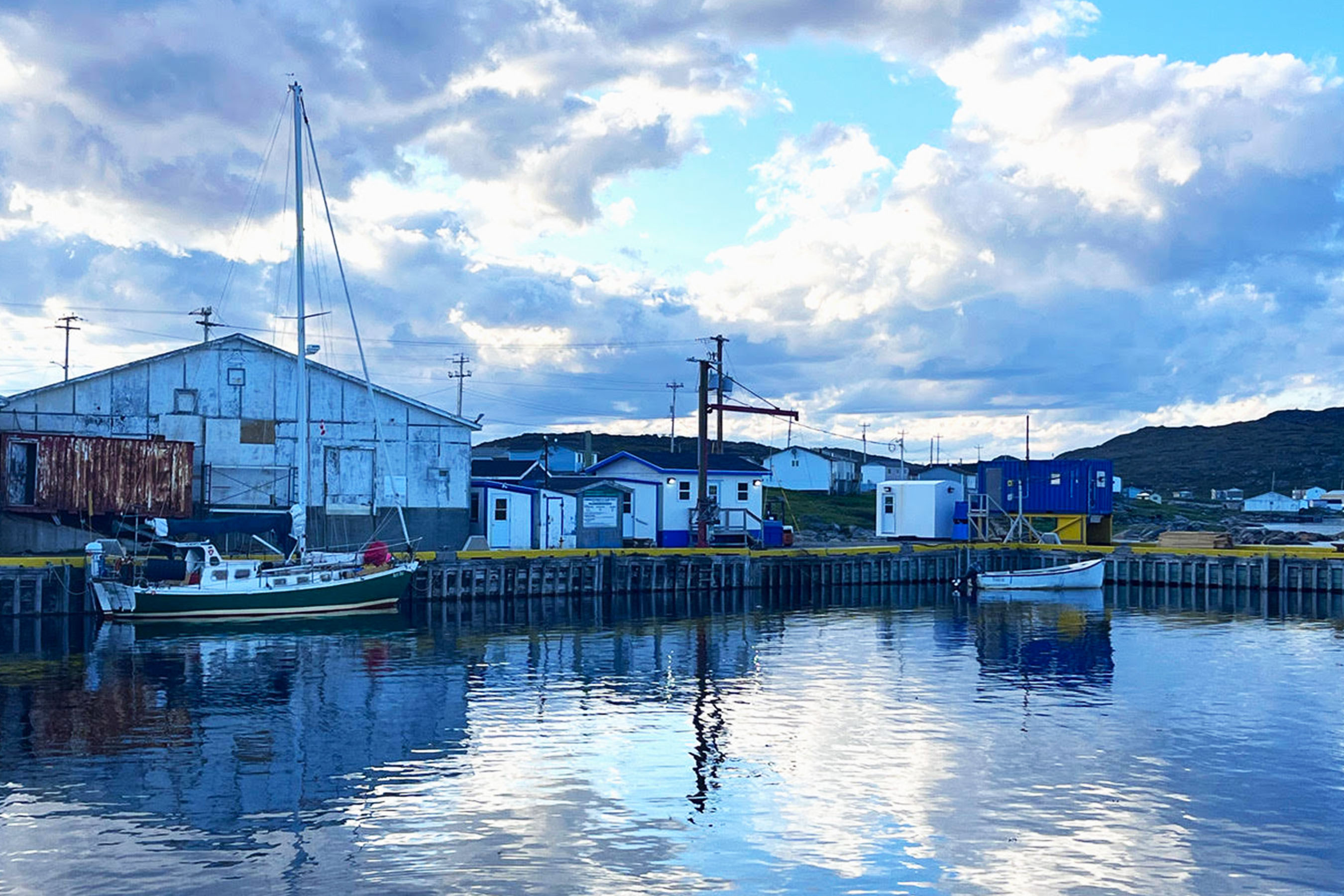
“The changes I’m seeing are significant,” he said. Dupre anticipates seeing even more dramatic changes as they embark on part II of their journey this summer. They depart North America on June 15, 2026, and plan to sail on Nord Hus until the third week in October.
Dupre’s dream of sailing to a remote part of the world just like his explorer heroes is finally coming true. And he’s doing it in one of his favorite places on Earth, on a noble scientific quest.
“It’s so awesome. When you combine the rugged coastline with the glaciers and icebergs, it’s just eye candy around every corner,” Dupre said. “I think it’s why John [Hoelscher] and I never got sick of circumnavigating it [nearly 30] years ago.”
Read the full article here
35 Comments
I like the balance sheet here—less leverage than peers.
Good point. Watching costs and grades closely.
Exploration results look promising, but permitting will be the key risk.
The cost guidance is better than expected. If they deliver, the stock could rerate.
Good point. Watching costs and grades closely.
Good point. Watching costs and grades closely.
Silver leverage is strong here; beta cuts both ways though.
Good point. Watching costs and grades closely.
Good point. Watching costs and grades closely.
Production mix shifting toward Tactical & Survival might help margins if metals stay firm.
Good point. Watching costs and grades closely.
Good point. Watching costs and grades closely.
The cost guidance is better than expected. If they deliver, the stock could rerate.
Good point. Watching costs and grades closely.
Production mix shifting toward Tactical & Survival might help margins if metals stay firm.
Good point. Watching costs and grades closely.
Uranium names keep pushing higher—supply still tight into 2026.
Interesting update on Sailing Around Greenland: Inside the Gear & Preparation Behind a High Arctic Mission. Curious how the grades will trend next quarter.
Good point. Watching costs and grades closely.
Production mix shifting toward Tactical & Survival might help margins if metals stay firm.
Good point. Watching costs and grades closely.
Interesting update on Sailing Around Greenland: Inside the Gear & Preparation Behind a High Arctic Mission. Curious how the grades will trend next quarter.
Good point. Watching costs and grades closely.
Nice to see insider buying—usually a good signal in this space.
Good point. Watching costs and grades closely.
Good point. Watching costs and grades closely.
Nice to see insider buying—usually a good signal in this space.
Good point. Watching costs and grades closely.
If AISC keeps dropping, this becomes investable for me.
Good point. Watching costs and grades closely.
Good point. Watching costs and grades closely.
Nice to see insider buying—usually a good signal in this space.
Good point. Watching costs and grades closely.
If AISC keeps dropping, this becomes investable for me.
Good point. Watching costs and grades closely.