

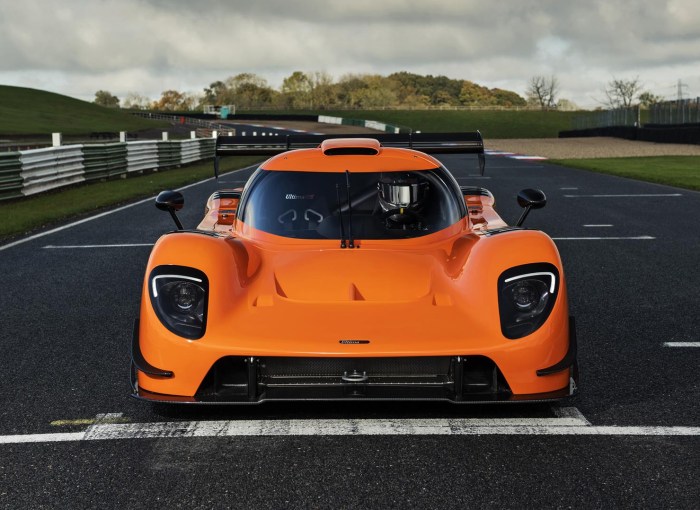
If you’re an automotive enthusiast, you probably love supercars and other rare and expensive vehicles. But if you’ve spent more than a few minutes looking at auction results or classic car listings, you know that few of us can afford to actually buy (let alone run and maintain) such ultra-exclusive über-rides. There could be an answer, though, if you’re willing to turn a few wrenches and are ok with exotic looks without an exotic badge. It’s called a kit car, and it’s so named because you build it from a kit.
Building a kit car from the ground up, adding each component yourself instead of showing up at a dealer with a big pile of cash, can be extremely satisfying. A way to spend weekends and evenings by yourself or with your kids. But unlike overseeding and dethatching the lawn, the end result is something you can be stoked to drive to your local cars-and-coffee event. If you’re thinking of joining the kit cars club, we’ve got some inspiration for you.
Kit Cars Offer Affordable Exclusivity
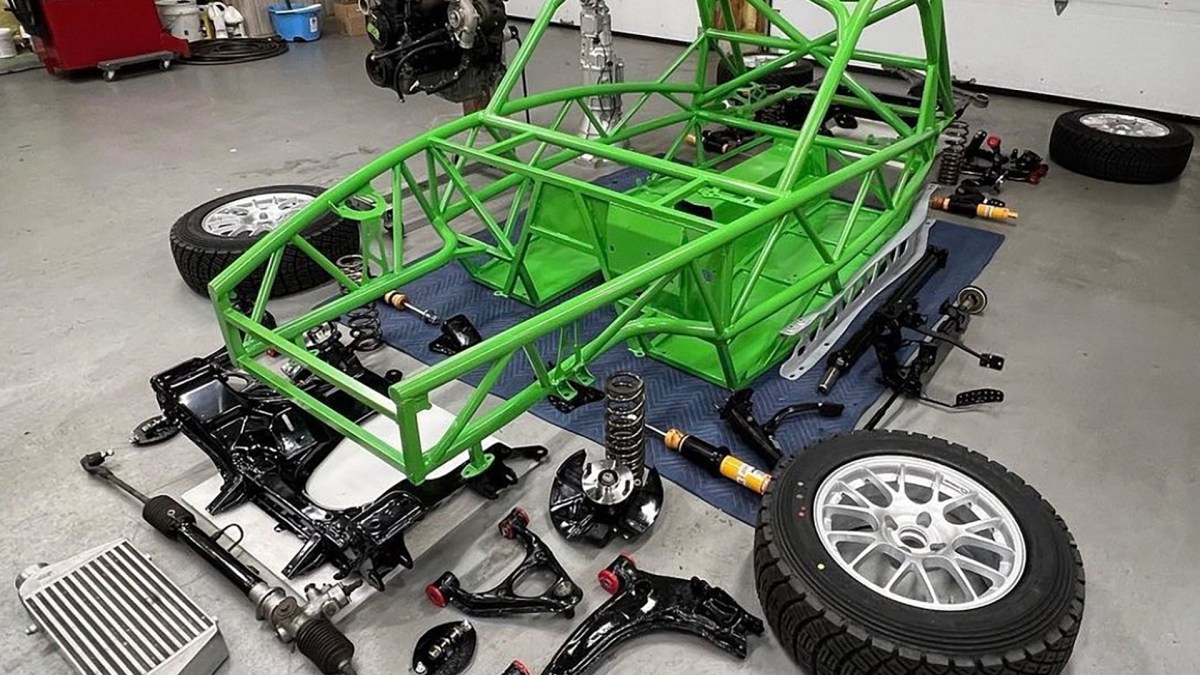
First things first: building a kit car isn’t easy. You’re doing the work of a factory full of robots and experts by yourself. This makes it more like a complete, nuts-and-bolts restoration than basic repair or maintenance. Fortunately, plenty of DIY car kits are available to help the job go as smoothly as possible, and most kit car companies offer support when you’re really stuck, plus a community of owners who have been there and done that.
If you want to build a kit car — whether it’s a replica of your favorite muscle car, a race car, or even a dune buggy — you can probably find a replica kit/component car to fit your desires.
Kit cars are sold as a set of parts the buyer assembles into a functioning vehicle. This can range from a box of tubing and parts to a car that just needs an engine, with examples of almost everything in between. Many of these builders will do most of the work for you if you only want to do the last part. These cars are usually built around a “donor” engine, transmission, and sometimes a chassis from a regular production vehicle to help make finding parts easier down the road. That lets you pick your own engine too, if you want more power or something wild.
When assembled right, kit cars can be head-turning machines that cost a fraction of the price of a genuine exotic. Plus, if you’re working on a budget, you’ll also appreciate the lower running costs and reliability that come with using parts from a Mazda, Chevy, Ford, or other mass-produced car. Plus, when you build it yourself, the customization options are endless.
Broadly speaking, kit car designs fall into two categories. Replicas emulate famous supercars such as Lamborghinis, Ford GT40s, and Shelby Cobras. Originals, on the other hand, offer a truly unique look and feel all their own.
Buying a DIY Kit Car
When buying a kit car, be sure to do your homework. Many DIY kit car companies are long-established, international car manufacturers with substantial full-time staff, help lines, and other perks.
Others, however, are one-person backyard body-kit operations with patchy reputations. Be sure to do your research before dropping your coin on one of these homemade beauties. A long history and pictures of many finished cars are all good signs.
Also, remember that many kit cars rely on a “donor” car for at least the engine and running gear. Buying a crashed vehicle with a totaled body can work and save you a lot of money—provided the essential mechanical components you need aren’t damaged. Lastly, kit car registration can vary from state to state. Your builder can help, but you might want to talk to other local kit car owners or your DMV before you get started.
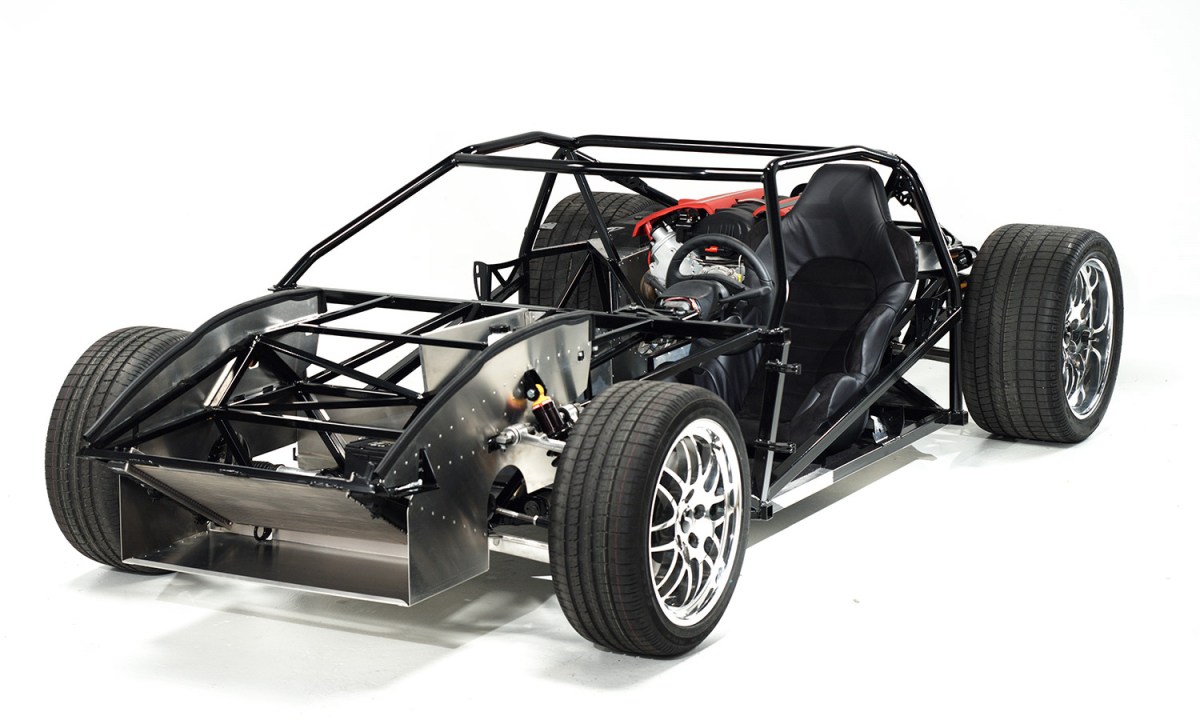
You can buy a full kit all at once, or even buy a mostly assembled or turnkey car. You can also spread your investment over time, as most kit cars can be built in stages. If you want big power but can’t afford the performance upgrades today, you can start with a stock motor and upgrade later as finances allow.
Almost all DIY kit car manufacturers will provide or sell you an assembly manual before you buy. This allows you to know what you’re getting into before you write them a big check.
Below are a few kit cars from manufacturers that are worth considering and that are impressive values or incredible cars.
16 Best Kit Cars
With so many flavors to choose from, which kit car do you want in your garage?
LB Specialist Cars STR
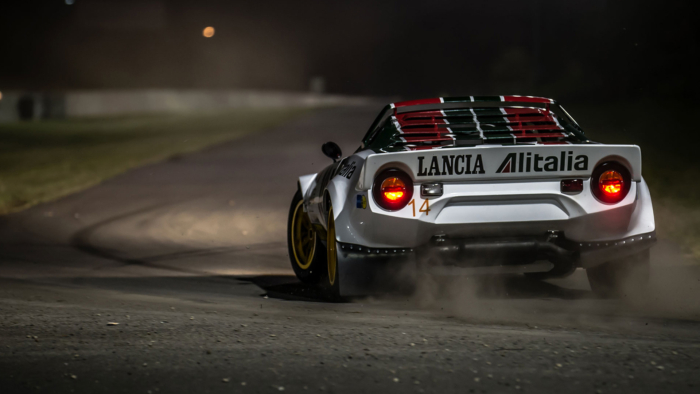
The Lancia Stratos dominated the World Rally Championships in the mid-1970s and is among the most gorgeously aggressive auto designs of all time. Because it was an ultra-special car built specifically to go racing, however, Lancia only ever built around 490 copies. Stunning and rare, demand for the handful of remaining cars is very high. Today, an original Stratos can easily fetch over $400,000.
For a less-stress Stratos, try the mechanically and aesthetically convincing British-made STR. The STR is available as a built car, but can only be imported into the United States as a kit, or as a “turn-key minus” sans engine and transmission, so you can register it as a kit at home.
The STR offers better interior space and dependability than the original Stratos, while still being plenty peppy. You can put a lot of different engines in the STR, but an Alfa Romeo V6 is a common option. Combined with the car’s light weight, this thing isn’t slow!
If you build the STR yourself, the kit and needed components will cost you around $35,000. An already-built STR will set you back around $65,000.
Though not the cheapest replica car out there, this one is definitely worth its weight in gold if you want a replica from the golden age of Rally Racing.
Exomotive Exocet
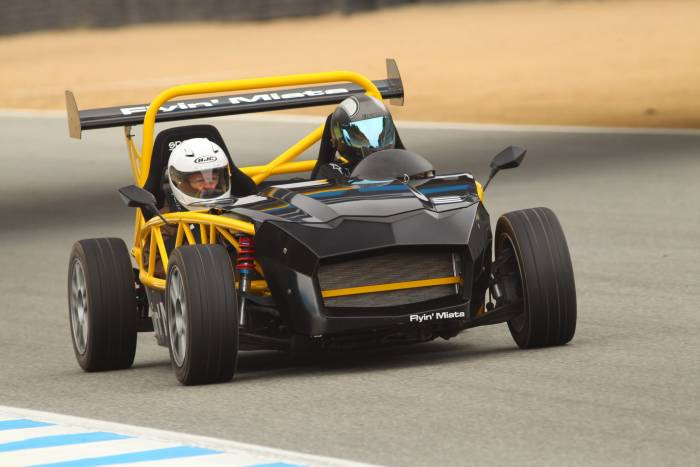
The Exocet is a complete, lightweight sports car chassis and body designed to use 1990-2005 Mazda Miata running gear. This keeps costs down and offers a huge number of aftermarket upgrade options.
Exomotive has modified the car over the years to eliminate weak points, improve stiffness, and reduce weight using the latest CAD software and extensive Finite Element Analysis (FEA). Each Exocet includes hand-laid composite body panels available in 188 gel coat colors. That means no paint and a consistent, quality, high-gloss finish.
Enthusiasts looking for an exciting and inexpensive kit car will get a kick out of one of these. There are three Exomotive Exocet models on offer — Base, Sport, and Race/Off-Road — with prices ranging from $8,999 to $9,999, excluding the Miata donor car that you’ll need to get your kit car in action.
Peregryn GT
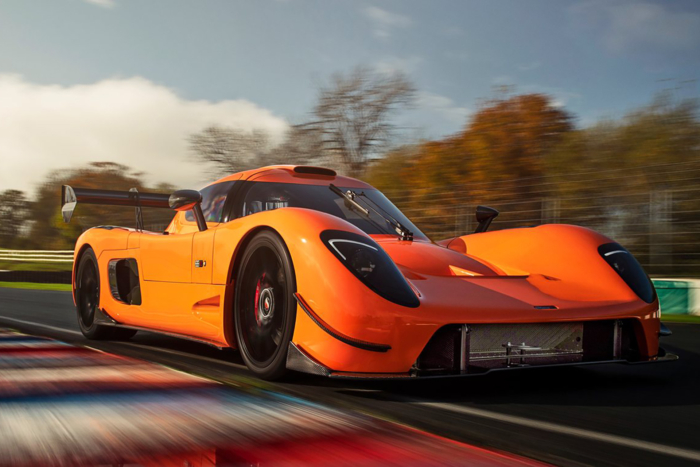
This car might be more familiar to you as the Ultima GTR. That’s the name it started life with before a big change to the company last year. Ultima Sports Ltd. was the UK brand that launched it and sold the car assembled or as a kit, depending on the market.
Now Ultima’s tooling and IP have been bought and brought to the USA. It’s now called Peregryn, and the new owners plan to start building the GT-R and GT-S in early 2027. The primary focus will be on selling turnkey cars, with either the 700+ horsepower GT-R or the 550-horsepower and slightly more streetable GT-S available from $195,000. But it will also sell the two as what it calls “turnkey minus,” which is a version of the car without an engine or transmission. You don’t have to build it from boxes of parts; you can install whatever engine you want and register it as a kit in your state.
Factory Five Roadster
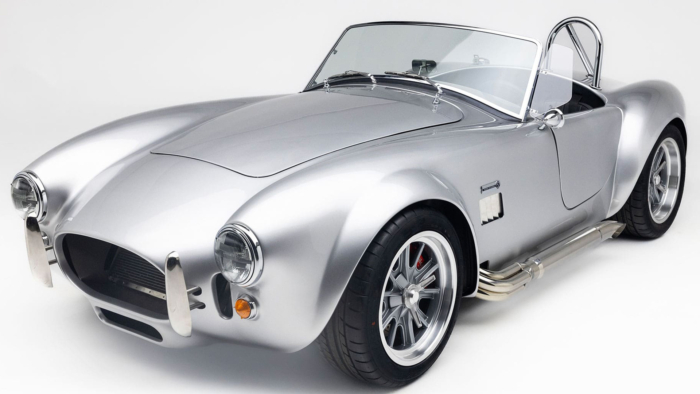
The Shelby Cobra is one of America’s most replicated cars and a favorite kit car to build. Factory Five is one of the leaders in Cobra replicas and makes one of the best Cobra replicas out there, with four different variants, including the Mk4 Roadster, which it calls the “world’s best-selling, best-engineered, and best-performing replica of all time.” With a starting price of $14,990, it might be one of the cheapest, too.
If you want something more modern, Factory Five offers the Mk5 as a hardtop coupe with more space for larger drivers and passengers. It’s an all-new chassis, not the classic-based one in the other cars. Factory Five also offers the smaller Mk4 289 and the track-only Mk4-R Challenge model.
Real Shelby Cobras have sold for more than $5 million, but luckily for you, a Factory Five Mk4 Roadster is considerably more affordable. You can build your own with a $14,990 Factory Five base kit, a 1987-2004 Ford Mustang donor car, and some wheels, tires, paint, patience, and elbow grease. With the Mk5, you don’t even need a donor car. Everything is in the crate; you only need the engine, transmission, rear end, wheels and tires, and paint.
Caterham Seven
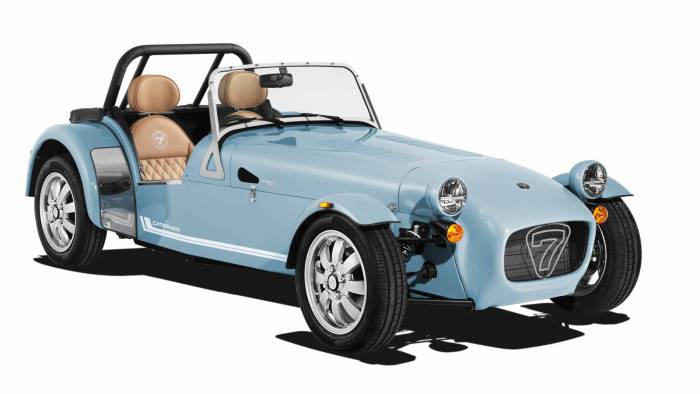
This entry-level Caterham DIY kit car is anything but basic. If you’re looking for a lightweight model that delivers a spirited ride, the basic Seven S delivers a fun, compact package.
This agile little kit car is great on the road or on the track, with a quick enough 0-60 mph time of around 6.9 seconds. Though not as flashy as some of the other replica models on the market, the Caterham 170 should be decidedly exhilarating to drive.
And if you want a little more spice in your Lotus Super 7 replica, there are now seven different Sevens to choose from. You’ll need to source your own engine, but the 2.0L four-cylinder Caterham recommends makes around 160 horsepower. Different variants add carbon fiber panels, a larger chassis for more interior space, and even trackday options like a fire system and roll cage. Sadly, the mega 310 horsepower Seven 620 (and the adorable 660cc 84 hp Seven 170) are not available in the US.
Beck Spyder
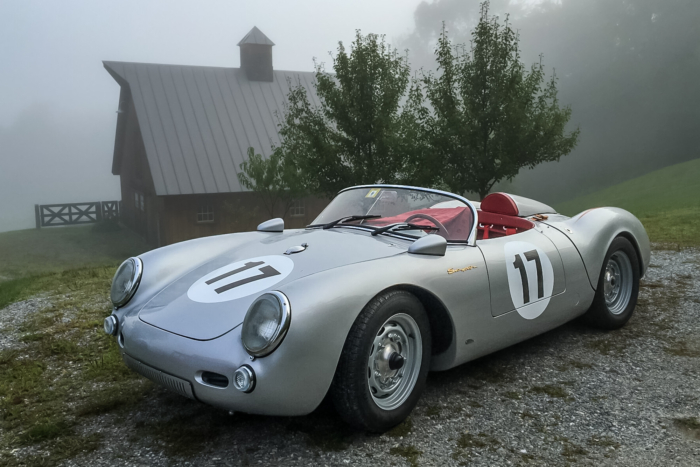
Special Edition Inc. makes the Beck Spyder, and other kit cars, in its 30,000-square-foot facility in Northern Indiana.
The Beck Spyder recaptures that 1950s Porsche 550 style, turning what was an unattainable car into one you can actually drive. The tube frame and fiberglass body open-top machine weighs very little (around 1,300 pounds), and the standard car is set up around an air-cooled Volkswagen flat-four. It uses almost exactly the same engine the real car would have had from the Porsche factory, with plenty of oomph for a car this light. That combination means you’ll want to be seen in this beautiful machine, but you’ll also want to take some spirited canyon and track drives.
About $45,000 will get you a factory-built Beck Spyder with all the bells and whistles, minus an engine and transmission, but you can get the basic kit for just $20,000. The Beck Spyder is usually powered by an air-cooled VW motor, but you can also get it prepared to fit a Subaru boxer engine. Or to really transform the experience, you can get an EV-ready car instead.
And if you don’t like the 550 body, the Beck Speedster delivers the look of a Porsche 356 Speedster for about the same price. The company also has a coupe.
RCR D-Type
Race Car Replicas (RCR) from Michigan specializes in recreating a wide range of some seriously epic vintage racers. It’s hard to pick from a list that includes takes on the original Ford GT, Lola T70, and even a vintage open-wheel formula car, but we might have to go with the D-Type as our favorite.
Like the original, the RCR D-Type has an aluminum monocoque chassis with bolt-on steel subframes. Unlike the real car, which won Le Mans three years in a row, the body of the RCR is fiberglass. Cleverly, this kit car uses an original Jaguar XK-series engine. The straight-six, not to be confused with the XK cars, was built from 1949 to 1992. That makes them plentiful, so the engine is an inexpensive and authentic way to build your classic car. You can get it with a vintage four-speed manual or a more modern and durable Tremec five-speed.
You can choose from three designs for your right-hand-drive kit car: a plain version, a version with rounded headrests, or a version with an iconic fin behind the driver. Kit pricing starts at around $46,600, which doesn’t include the powertrain but does include access to a support line.
DF Goblin
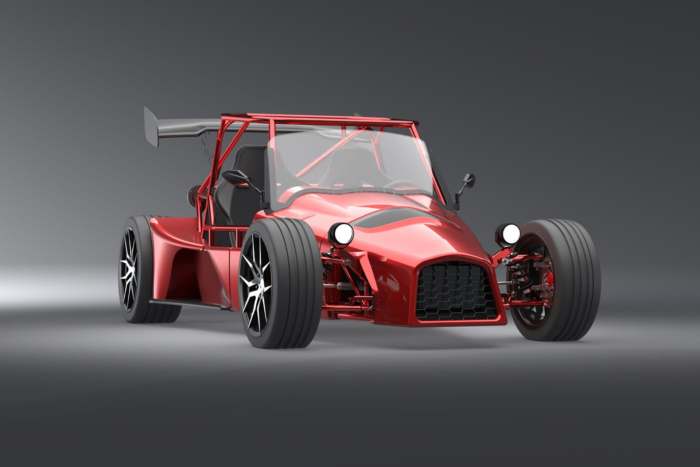
The first DF Goblin was a high-performance, mid-engine car based around a 2005-2010 Chevrolet Cobalt donor car. It was heavy on the DIY, had a tubular chassis, minimal bodywork, and a very low starting price.
But there aren’t as many Cobalts left as there used to be, and some buyers wanted more performance, so DF released the Goblin V2. Instead of Chevy bones, this one takes a Mk7 Volkswagen Golf. That’s the model sold in the US from 2015-2021, and you can get the Golf with a 170-horsepower 1.8L turbo-four or step up to the Golf GTI for up to 242 horsepower, a dual-clutch DSG transmission, and an engine that’s easy to upgrade to vastly more power.
The new model is a little bit more expensive, and the new panels aren’t quite as pretty, but the V2 starts from just $12,590 if you don’t need panels or lights. Add a few dollars more (and an extra weekend) if you want it road legal.
Backdraft RT4
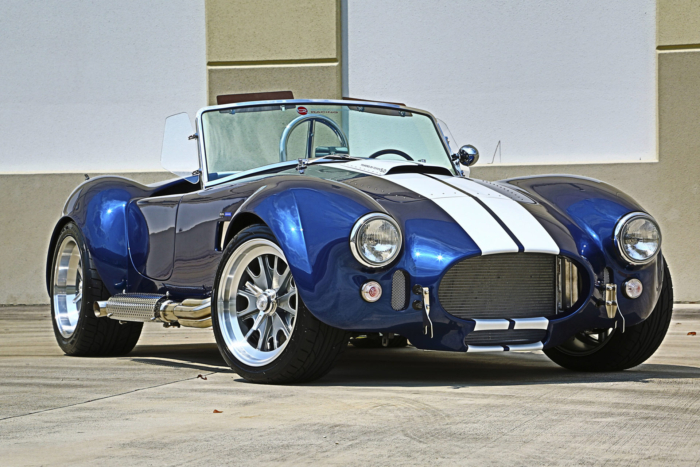
Yes, it’s another Cobra replica, but the Cobra might be the most replicated car of all time, and that means you have choices. If you’re in the market for a race-proven, high-performance sports car, look no further than this sleek Cobra roadster replica DIY kit car from Backdraft Racing. Its eye-catching ’60s styling is matched with modern suspension to create a very fun package for all the senses. It’s now available with a cabin and seats better suited for larger and taller drivers.
The kit comes as a “turnkey-minus rolling chassis” so you can build your personal dream car with the powertrain of your choice. When mated with a modern engine, the compact and lightweight RT4 is sure to become your go-to weekend fun machine.
Pricing for the RT4 starts at $66,900, with lots of options for personal customization, and excludes the drivetrain.
MNR Sportscars VortX RT Miata
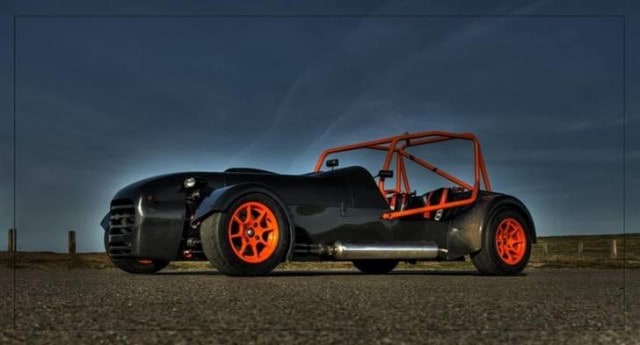
The MNR Sportscars VortX RT Miata kit car is a replica of the famously sporty Lotus 7. Yes, that’s a lot like the Caterham, but this one uses more parts from a donor car than the competition. To keep it budget-friendly, all the running gear comes from a 1990-1997 Mazda Miata donor car.
Don’t be fooled into thinking that this kit car is slow or unexciting. The VortX RT is a track day supercar killer that is street-legal and ready for open-air motoring enjoyment.
The complete kit, without required donor Miata parts, will cost you a little over $12,000, and usable donor Miatas can be found for a few thousand dollars.
Aldino K/O
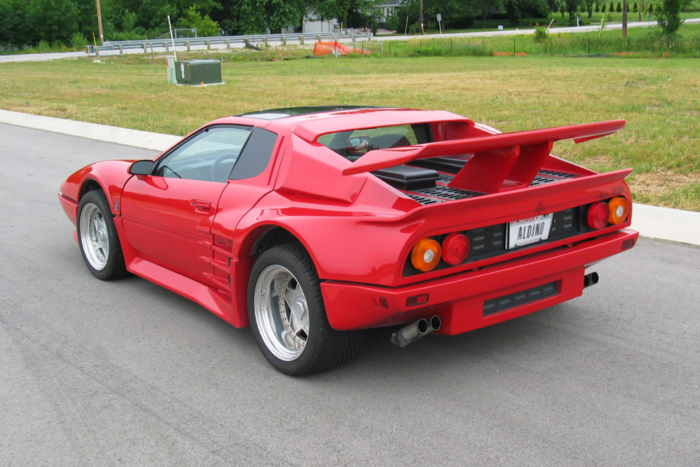
No kit car list would be complete without a Pontiac Fiero-based vehicle; it’s the original faux-Ferrari base machine. Instead of using just one car as its inspiration, Adino Car Company has combined themes from multiple Italian icons, including the Ferrari Testarossa, Lamborghini Countach, and Miura, to create the Aldino K/O kit car. Love it or hate it, it’s impossible to ignore.
Aldino offers completed car builds starting at about $36,000, and DIY kits starting at about $9,000. It will take you 40-150 hours to build one of these, depending on your mechanical knowledge and if you can still find a solid Fiero to start from, which is likely to be more of a challenge than you might think.
Superlite SL-C
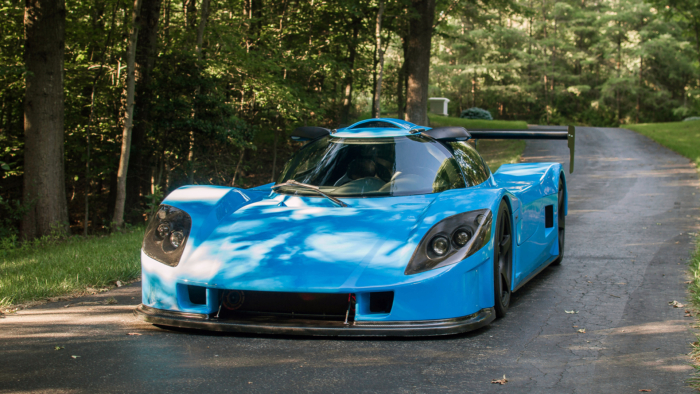
The Superlite SL-C comes from the sister company of Race Car Replicas that’s already on this list. Its SL-C was designed from scratch to be a race car, and it has brought home race wins and even a championship in National Auto Sport Association events, so it’s more than just a looker.
It’s a fully modern design, and Superlight is proud of its welds and panel finishes as well as the strength of the chassis itself. The race-winning car wasn’t a collection of special one-off racecar parts; everything that made it fast (except for driver skill and a good setup) is available as part of your own kit.
The full kit is $50,999, but you can also buy it in stages starting at $ 9,995 to spread the costs over time. The company says with an engine and drivetrain, a finished car will run around $75,000, but you can go higher if you want more power. Chevy, Ford, Dodge, and even Lexus V8s can all go in the back.
Superformance Corvette Grand Sport
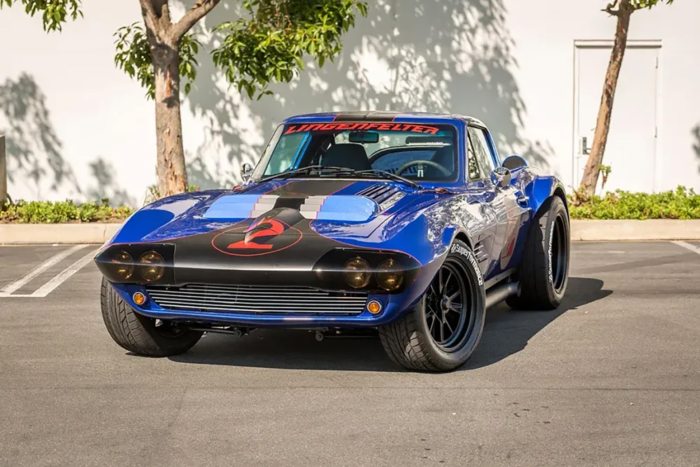
In 1962, a special lightweight version of the Chevrolet Corvette was created specifically to try to win its class at the 24 Hours of Le Mans. Corvette engineer Zora Arkus Duntov planned to build 125 of the cars to make them race-legal, but his bosses at GM found out and stopped the project. Only five were ever made, and getting one is just about impossible
Enter Superformance, a South African company that got its start building Ford GT40 and Shelby Cobra recreations. Superformance built its own version of the Grand Sport, including a wider body, lightweight construction, and ultra-cool covered headlights.
This car is light on the kit side of the equation. All you’ll need to install are the engine and transmission. It’s also expensive, starting from $220,000. But it’s based on an extremely rare car and, unlike most inspired vehicles on this list, it’s officially licensed by GM as a continuation of the original. It looks fast, mean, and ready to conquer the 24 Hours of your neighborhood.
40/41 Willys Coupe
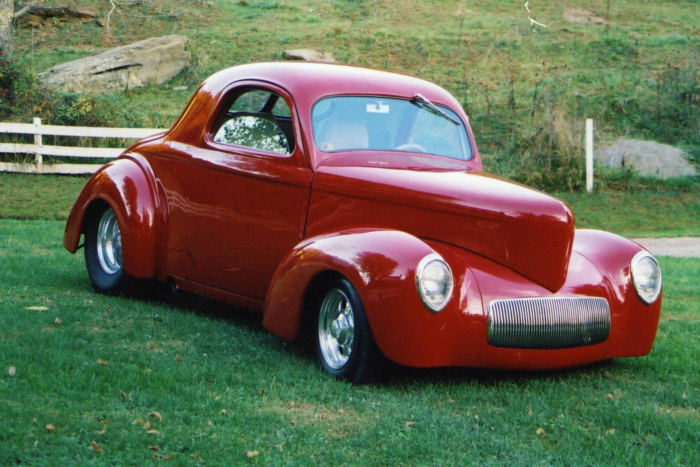
Antique & Collectible Autos specializes in classic Ford, Chevy, and Willys kit cars and trucks, offering some of the more unique old-school classic kit cars on the market. This 40/41 Willys Coupe replica will certainly turn heads.
It’s based on the 1937-1942 Willys Coupe, the car made by the same company that would soon become famous for the Jeep. This is a fiberglass body, and it’s made by people who really know that material. What do we mean? It uses woven fibers in high-stress areas, while many lesser kits use only cheaper, weaker chop strands. It’s so well aligned and built that you won’t need to do any fiberglass work when you go to put it together.
You can use a vintage Willys frame if you can find one, or AC Autos can build you one from the original design. Their frame is set up for a stock suspension or the Mustang II front suspension, which has been commonly used in hot rods since the 1970s. More extreme performance options are also available.
The starting price for a rolling chassis with a body is about $17,000. Interior, paint, and drivetrain will drive up that price considerably, but by how much depends on what you decide to put in it. If you like the idea but not the car, they also have a handful of different ’32 Ford options, a Willys truck, and even an early Corvette package.
Speedway Motors 1927 Track-T Roadster
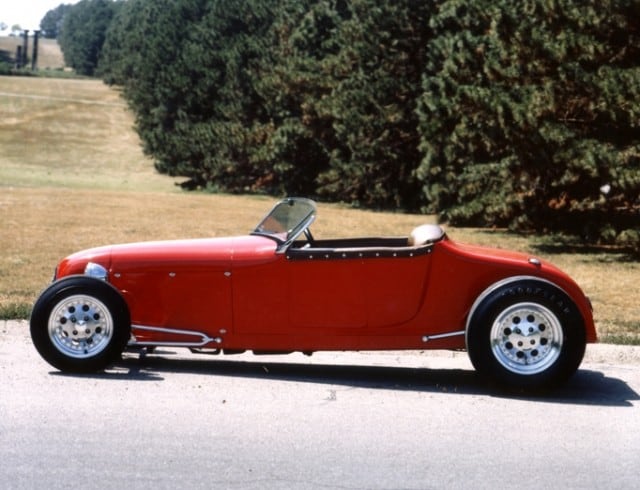
Looking for more of a hot rod? The Speedway Motors 1927 Track-T Roadster kit car is a classic-looking, fun machine that is sure to turn heads.
The basic kit includes a reproduction Ford Model T Roadster body and a rigid tube steel chassis. The chassis is built to accommodate a traditional spring-over-tube axle front suspension with radius rods, and a solid rear axle with quarter-elliptic springs.
Speedway Motors suggests either a Ford 2300cc four-cylinder or a 60-degree Chevy V6 engine, which has been sold for decades in 2.8, 3.1, and 3.4L sizes, and both have lots of aftermarket performance support. As inexpensive replica cars go, this roadster offers heaps of cool customization. And it starts at under $6,000.
Tornado Sports Cars Ford GT40 Replica
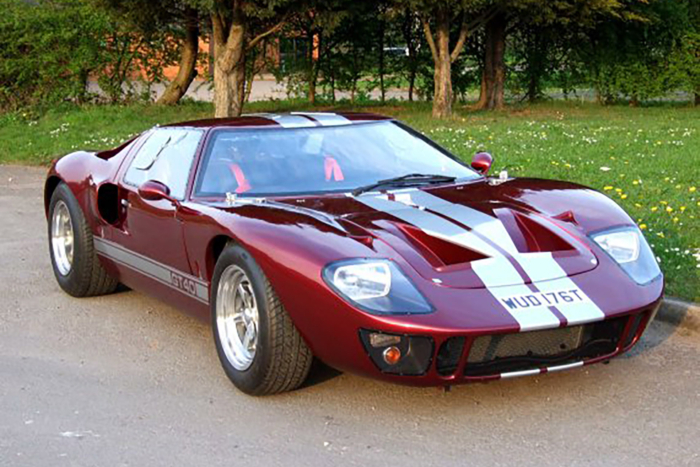
With a U.K. base and a stateside sales operation, Tornado Sports Cars (TSC) has produced stunning Ford GT40 replicas for more than 40 years.
Only around 100 copies of the original GT40 were ever made, and survivors easily fetch seven figures. The TSC GT40 is quite the value, with the “basic component package” starting at around $11,000.
Powered by a Ford or Rover V8, TSC’s version is also available as a turnkey car built to exact customer specifications. Turnkey cars come with modern conveniences like air conditioning, a central locking system, and safety options like a six-point roll cage.
Read the full article here
36 Comments
Nice to see insider buying—usually a good signal in this space.
Good point. Watching costs and grades closely.
Good point. Watching costs and grades closely.
The cost guidance is better than expected. If they deliver, the stock could rerate.
Good point. Watching costs and grades closely.
Nice to see insider buying—usually a good signal in this space.
Good point. Watching costs and grades closely.
Good point. Watching costs and grades closely.
Nice to see insider buying—usually a good signal in this space.
Good point. Watching costs and grades closely.
Good point. Watching costs and grades closely.
Interesting update on The 16 Best Kit Cars in 2026: Make Your DIY Automotive Dreams A Reality. Curious how the grades will trend next quarter.
Good point. Watching costs and grades closely.
Good point. Watching costs and grades closely.
Nice to see insider buying—usually a good signal in this space.
Good point. Watching costs and grades closely.
Good point. Watching costs and grades closely.
The cost guidance is better than expected. If they deliver, the stock could rerate.
Good point. Watching costs and grades closely.
The cost guidance is better than expected. If they deliver, the stock could rerate.
I like the balance sheet here—less leverage than peers.
Good point. Watching costs and grades closely.
Good point. Watching costs and grades closely.
Interesting update on The 16 Best Kit Cars in 2026: Make Your DIY Automotive Dreams A Reality. Curious how the grades will trend next quarter.
I like the balance sheet here—less leverage than peers.
Production mix shifting toward Tactical & Survival might help margins if metals stay firm.
Good point. Watching costs and grades closely.
Good point. Watching costs and grades closely.
Exploration results look promising, but permitting will be the key risk.
Silver leverage is strong here; beta cuts both ways though.
Good point. Watching costs and grades closely.
Silver leverage is strong here; beta cuts both ways though.
Good point. Watching costs and grades closely.
Interesting update on The 16 Best Kit Cars in 2026: Make Your DIY Automotive Dreams A Reality. Curious how the grades will trend next quarter.
Good point. Watching costs and grades closely.
Good point. Watching costs and grades closely.