

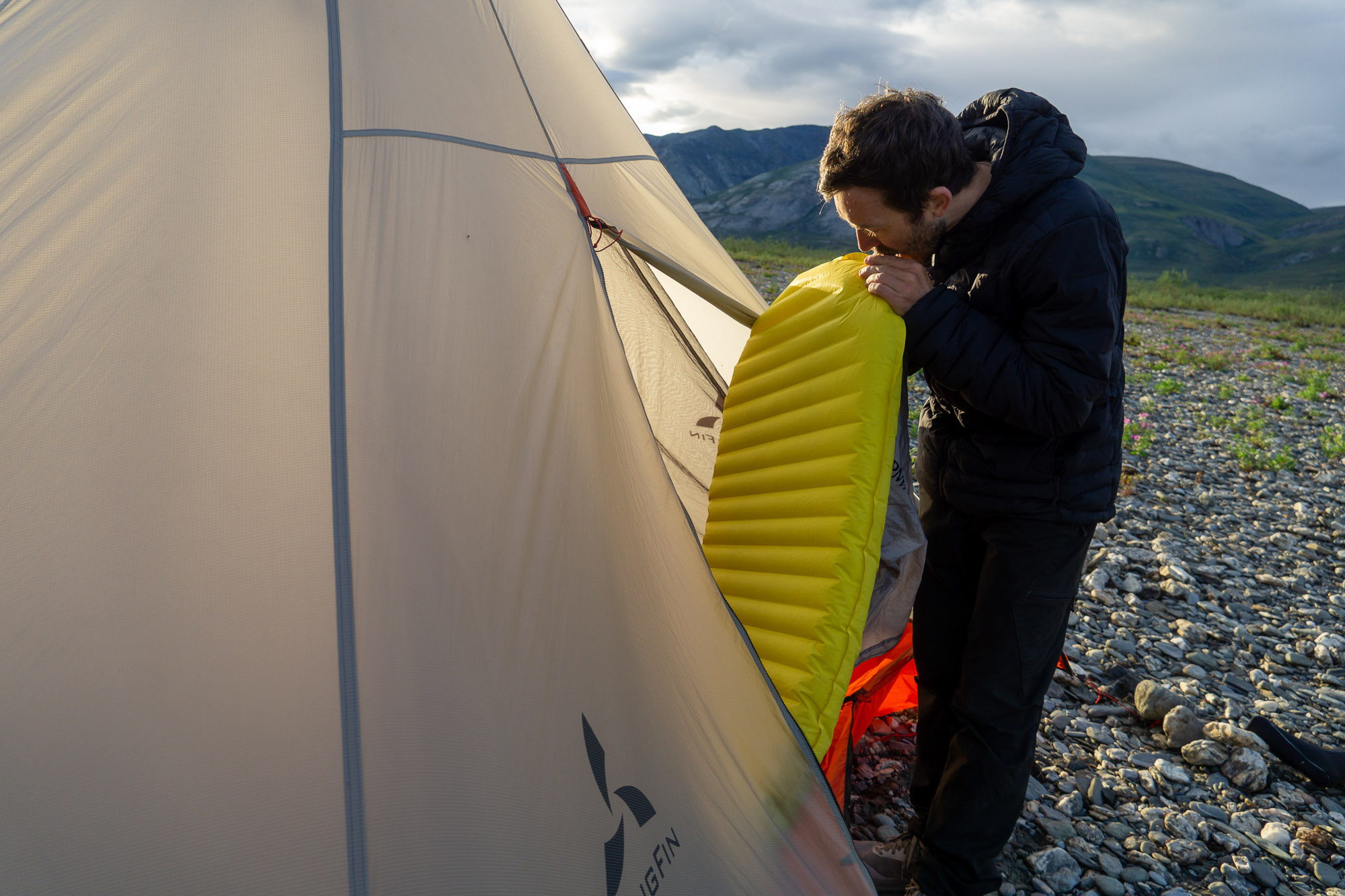
Backcountry sleep comfort starts from the ground up. And the best backpacking sleeping pads ensure that your nights under the stars are restful, not restless. In our latest testing cycle, testers Chris Carter and Nick Belcaster navigated the 100+ miles of rugged terrain in the North Cascades, completed a late-season traverse of the Colorado Trail, and logged over 90 nights on these pads.
If you are looking for a legacy-grade pad to last a decade of high-alpine use, the Therm-a-Rest NeoAir XLite NXT is our premier recommendation. Just beginning your outdoor journey? The Klymit Static V is a resilient, high-utility entry point. For those seeking the best balance of ease-of-use and warmth for three-seasons, the Sea to Summit Pursuit represents the perfect middle ground.
We have scrutinized baffle architectures and thermal resistance for more than 12 years, putting over 80 industry-leading models through rigorous field trials. Our cumulative experience ensures that the following selections are the most reliable, high-performance pads on the market today.
Editor’s Note: We updated our Backpacking Sleeping Pads guide on May 6, 2026 to rework our Buyer’s Guide and ensure you know the ins and outs before your next purchase.
The Best Backpacking Sleeping Pads of 2026
Best Overall Backpacking Sleeping Pad
9.7/10 RATING
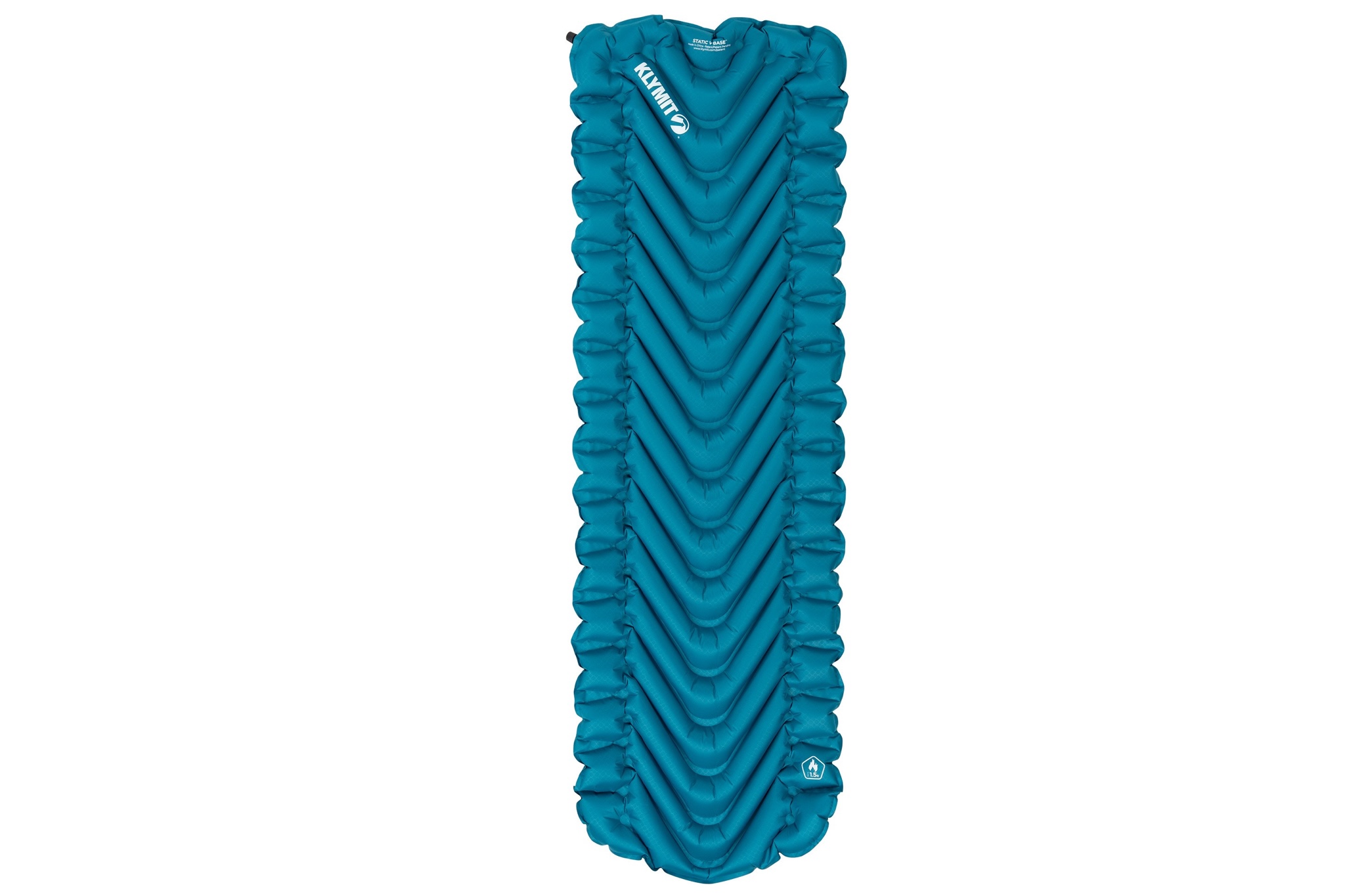
Best Budget Backpacking Sleeping Pad
6.5/10 RATING
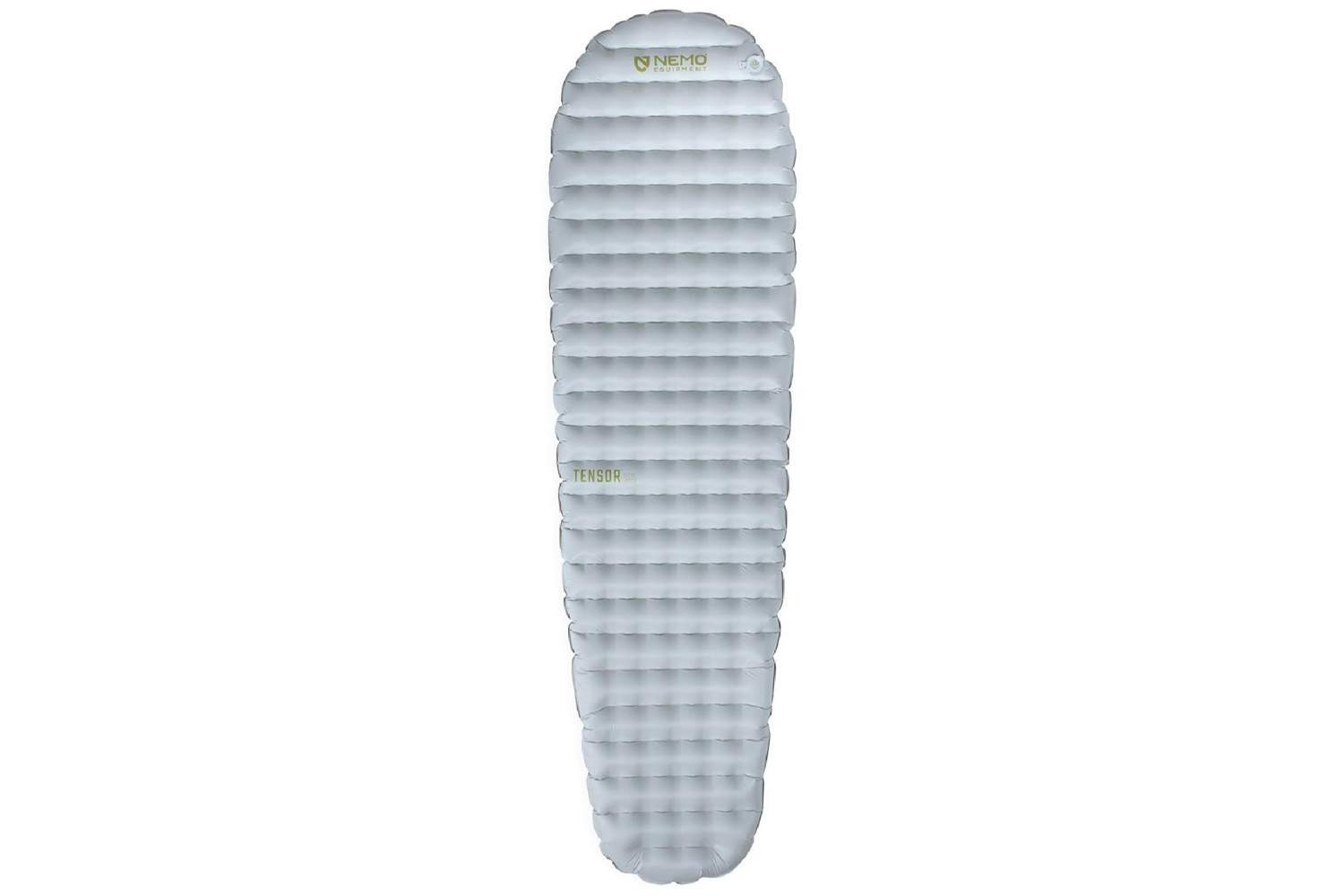
Best Ultralight Backpacking Sleeping Pad
8.4/10 RATING
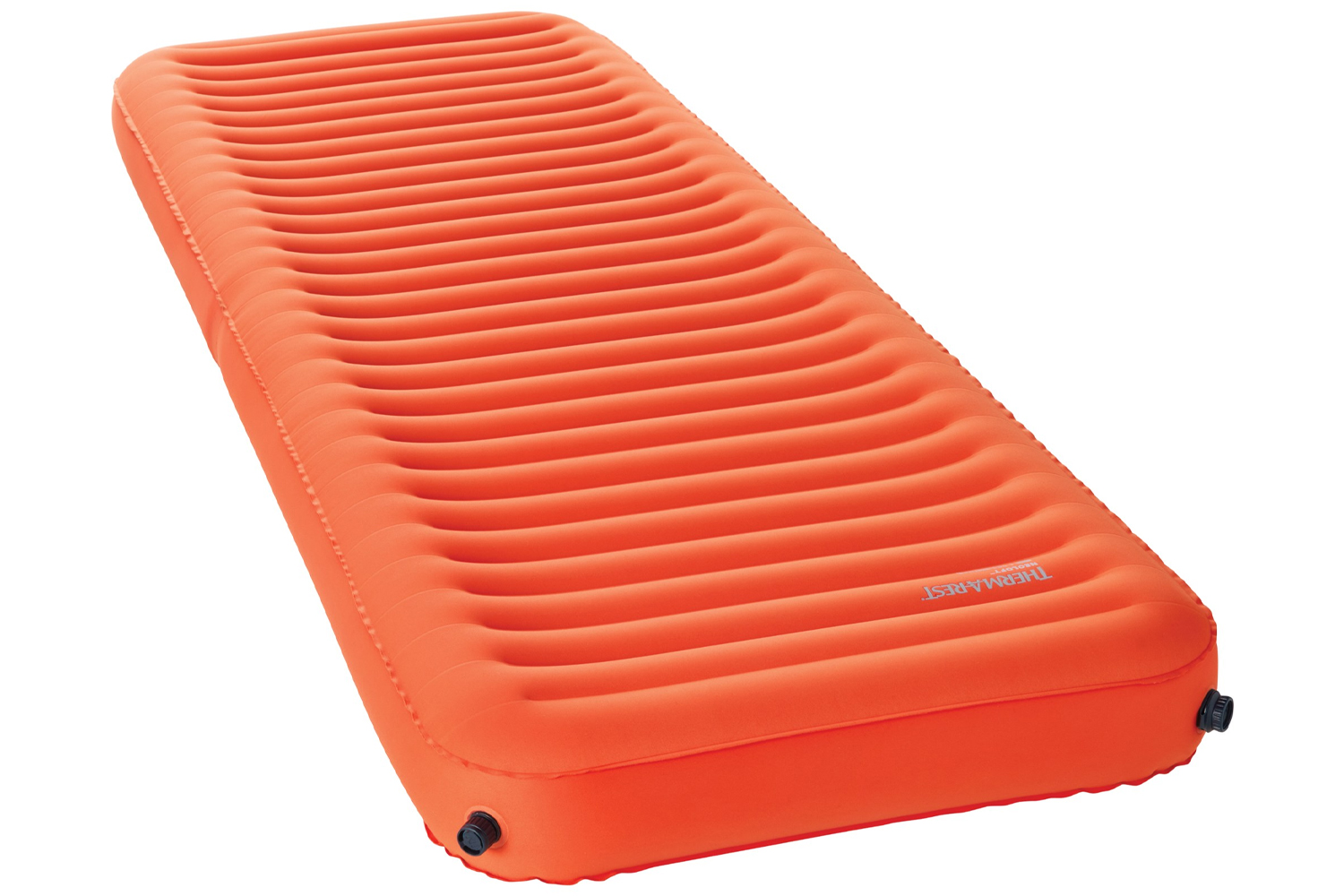
Best Backpacking Sleeping Pad For Side Sleepers
8.4/10 RATING
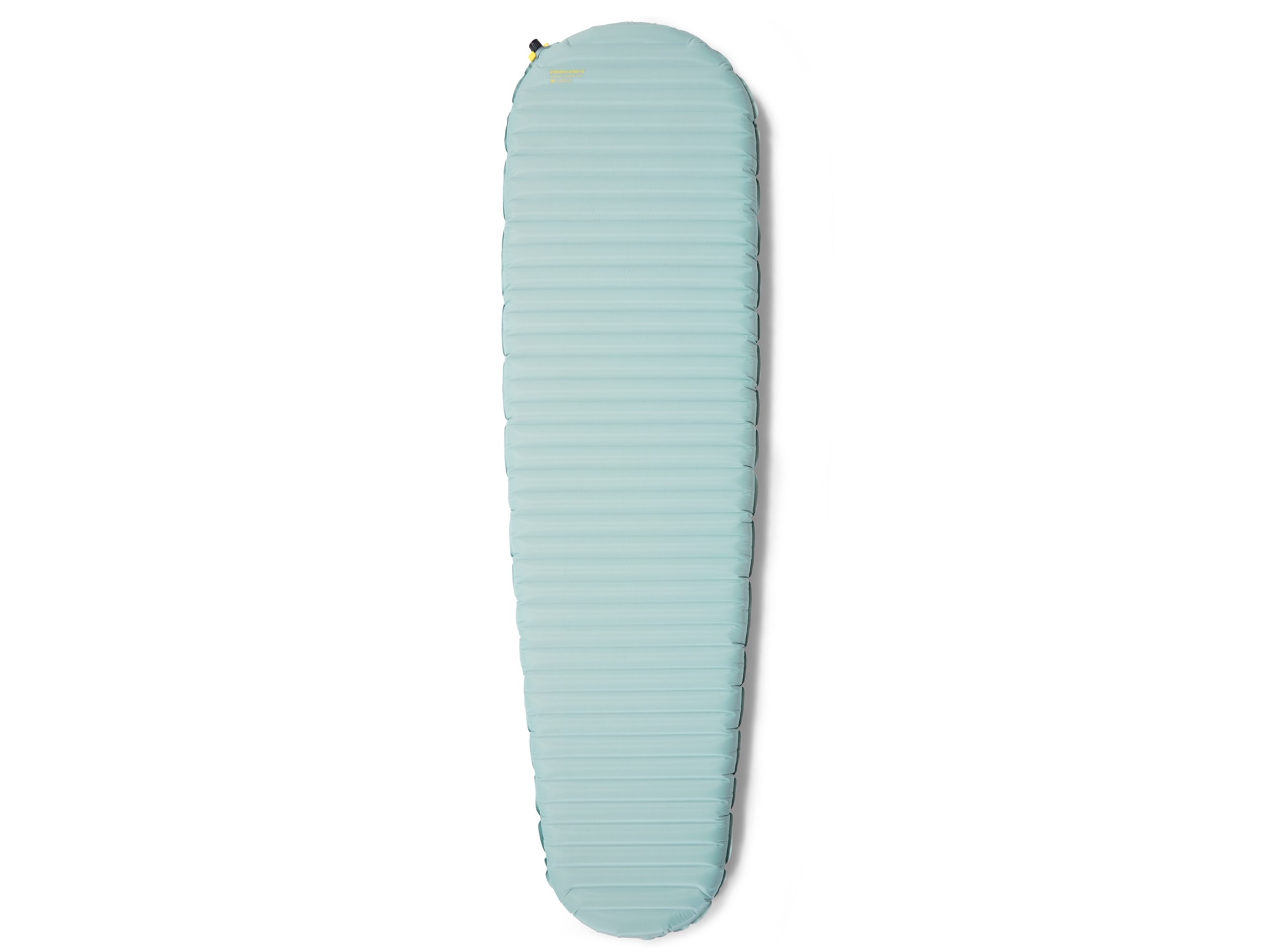
Best Sleeping Pad for Cold Weather
8.5/10 RATING
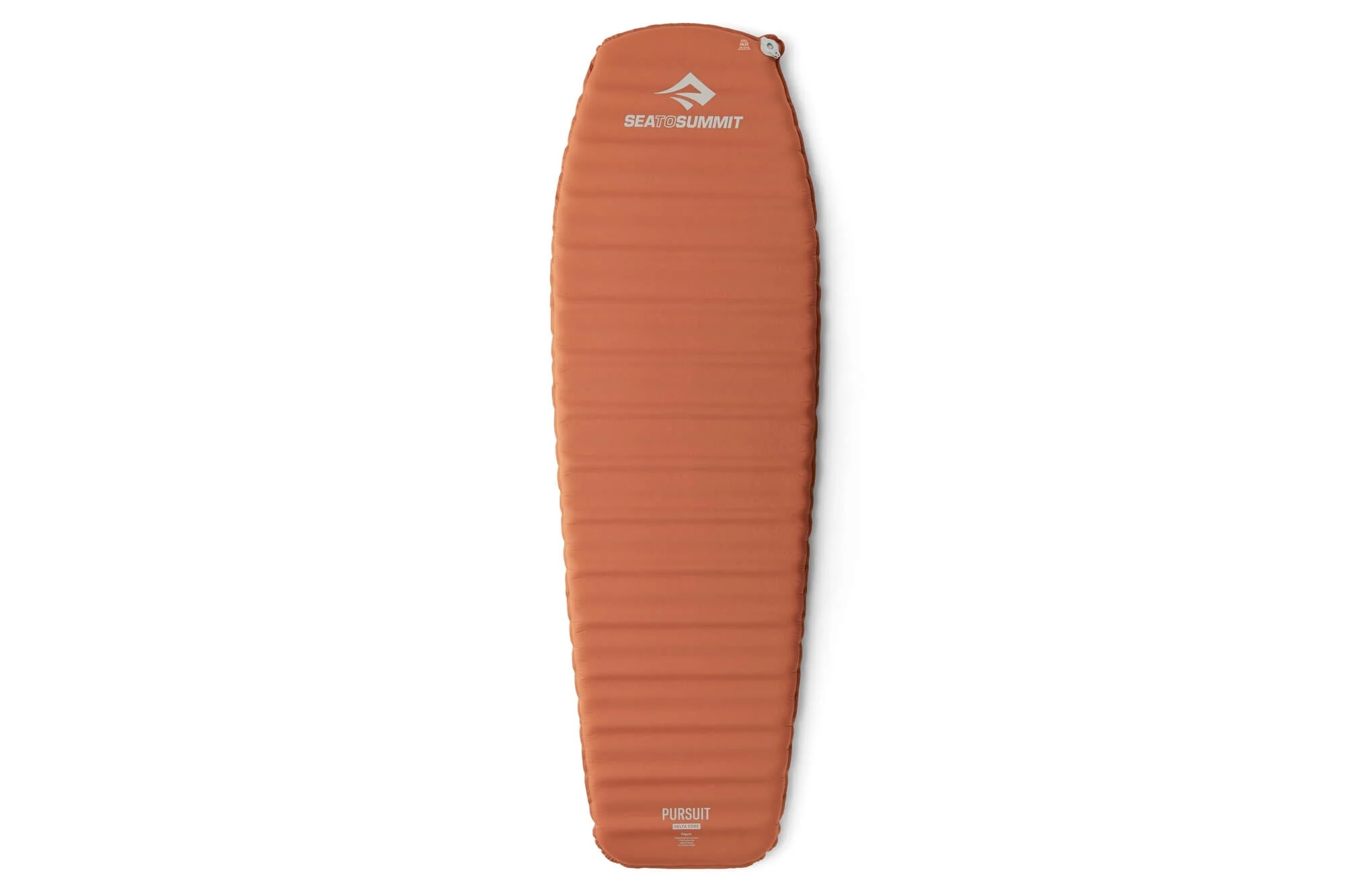
Best Self-Inflating Sleeping Pad
7.9/10 RATING
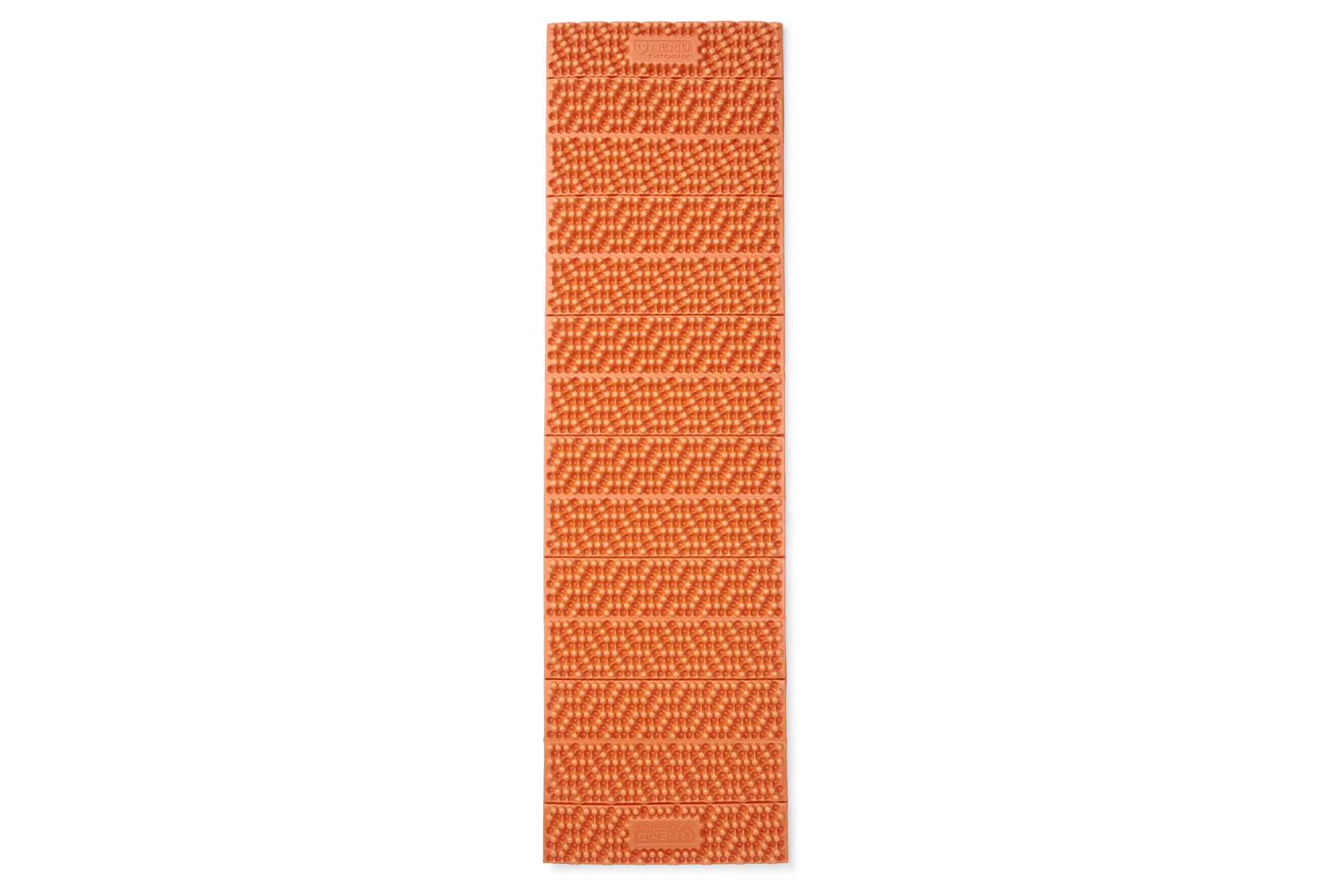
Most Durable Backpacking Sleeping Pad
6.1/10 RATING
See more picks
Lengths Available
Short (66″), Regular (72″), Large (77″)
Width
Regular (20″), Wide (25″)
Packed Size
4.1″ x 9″ (regular)
Shell Fabric
30D ripstop HT nylon
Insulation Type
ThermaCapture aluminized foil
Pros
- Super light for its high R-value
- Comfortable and sturdy
- Durable enough for 2,000+ mile thru-hikes
- Update is 6 times quieter than previous model
Cons
- Update adds 1 oz. (but is thicker and warmer)
- Still has some crinkle to it
Read Review: Therm-a-Rest Neo Air XLite NXT Review: A Killer Sleeping Pad Just Got Better (And Quieter)
The Quick & Dirty: The classic backpacking choice for a reason. This pad hits all the important comfort, insulation, and packability metrics, and while it’s not the most durable, it’s a great choice for almost anyone.
The classic pick for thru-hikers or backcountry adventurers who need ultralight simplicity in a durable package, the time-tested NeoAir lineup gets a treasured update with the new Therm-a-Rest NeoAir XLite NXT ($210). Thru-hiker Chris Carter used the previous model alone for all three thru-hikes of the Triple Crown (AT, PCT, and CDT), and while most accrued their fair share of patches along the way, they kept him warm and cozy through all sorts of terrain and climates.
The XLite NXT uses a unique technology called a Triangular Core Matrix, which stacks two layers of triangular baffles to create a super stable surface while trapping as much heat as possible. This is merged with a material called ThermaCapture, which keeps the pad at a featherlight 13 ounces, while still boasting a comparatively stellar R-value of 4.5 (up from 4.2 in the last model).
We recently took the new NXT pad on a winter backpacking trip through the Grand Canyon and were impressed by the comfy 3-inch height (a boost from its previous 2.5 inches) and improved insulation. For side-sleepers who tend to bottom out pads, this is a welcome change.
The WingLock valve used to inflate/deflate the pad is brilliant. A larger opening than previous iterations allows it to inflate fast, and a one-way flap means you can pause between breaths without air escaping. Opening the valve and twisting the wings swiftly deflates the pad — that’s the worst part of each morning.
The biggest con to the XLite used to be how darn loud it was, but the NXT update targeted that directly, reducing noise by 83%. We’ve taken this on several backpacking trips already and even slept in a small cave with three other campers. They all agreed that the noise was next to none, and it didn’t wake anybody up. Nailed it, Therm-a-Rest!
In short, the NeoAir XLite NXT is one of the best lightweight, durable, and streamlined pads you can buy for long treks across the country or sporadic adventures into the mountains where weight and warmth are paramount.
NEMO Tensor Trail Ultralight: A Slightly Comfier (and Cheaper) Pick
Compared to the XLite NXT, the Tensor Trail Ultralight makes a compelling case for itself. It’s 3.5″ thick, making it a slightly deeper cushion than the 3″ on the Therm-a-Rest. The gridded baffle structure on the NEMO is also preferable to those who sleep on their side or toss and turn. The Therm-a-Rest is, however, more insulative with an R-value of 4.5 to the 2.8 provided by the Trail Ultralight. Both weigh the same in the mummy size, so choose the Tensor Trail as a solid alternative if you don’t camp in the shoulder seasons as much.
Exped Ultra 6.5R: Warmer, Slightly Inferior Valves
The new Exped Ultra 6.5R is a solid alternative to the XLite NXT if you need a bit more warmth. The 6.9 R-value on the Swiss pad is a very impressive warmth-to-weight ratio score of 0.54, which is a good bit better than the average 0.34 the Seattle mattress packs on (at an R-value of 4.5). Both mummy shapes are just about the same weight at around 13 ounces, but differ when it comes to baffle construction: the XLite NXT uses a horizontal baffle structure (good for most), while the Ultra 6.5R uses vertical (good for some, especially side sleepers).
Lengths Available
Regular (72″)
Shell Fabric
75D polyester
Pros
- Packs compactly
- Affordable price
- Inflates fairly quickly
- Quiet
Cons
- Not very thick
- Lacking insulation with a low R-value
- Long-term durability concerns
Read Review: The Klymit Static V
The Quick & Dirty: This budget-wise option makes some concessions (namely, thickness and insulation), but for the price, it’s a bargain. Pair it with a thin foam pad for extra warmth.
The Klymit Static V Base ($50) is an incredible value. For less than 50 bucks, you can get a super-packable and quite comfortable backpacking pad. At a little over a pound, it’s not ultralight, but it’s certainly on the light end of the spectrum.
It packs down easily and inflates in just a few breaths. We’ve had one in testing that wore out after 6 months of hard use and stopped holding air, but we’ve had another in testing for more than 18 months with no durability concerns.
For the summertime backpacker on a budget, the infrequent camper, or someone looking to pad out their whole family, Static V is a killer value. It offers a significant boost in comfort over a closed-cell foam pad. While not as light or plush as our pads from Therm-a-Rest or Big Agnes, you can still get a good night’s sleep in warmer conditions.
Since the Static V isn’t as thick as some of its competitors, you’ll be able to inflate it more quickly. Your tent mates won’t need to worry about noise, as we could toss and turn in silence all night while testing.
If you sleep cold or camp during the fall or winter, you may want to consider a pad with a higher warmth rating. The Static also comes in a long and wide version if you need a little more wiggle room. They weigh and cost a bit more, but they’re a little more comfortable and still clock in under or around $100.
NEMO Switchback: The Trusty Foam Alternative
You’ll pay the same amount for the Klymit Static V Base as you will for the NEMO Switchback, with the notable difference between the air and foam constructions. The foam will have the edge in long-term durability and ease of repair, while the air pad has the nose in comfort. Weight between the two has you saving 4 ounces by going with the Switchback, but in bulk the Klymit is certainly more. Our take: you’re still saving money by buying both and using them together.
Sea to Summit Pursuit: A Bump Up to Self-Inflation
The Sea to Summit Pursuit is a budget-minded pad that offers the upgrade to some air support. The Static V Base is technically thicker at 2.5″ (to the 2″ of the Pursuit), but the structure uses more empty space, which negates the added thickness. Packed size certainly goes to the Static as well, which is a snug 3″ x 8″ compared to the 5.5″ x 11.4″ Pursuit rolled up. The Pursuit however has double the R-value at 3, making it the choice when you need more warmth.
Weight
8.5 oz. (regular mummy), 8.3 oz. without the stuff sack
Lengths Available
Regular mummy (72″) and short mummy (63″)
Shell Fabric
10D CORDURA nylon ripstop
Insulation Type
Aluminized film
Pros
- The lightest inflatable sleeping pad available
- Impressive durability
- Comfortable 3-inch thickness
- Relatively quiet
- Effective included pump sack
Cons
- Slightly slippery face fabric
- 2.4 R-value limits four-season use
The Quick & Dirty: The choice for lightweight backpackers looking to count ounces. Good comfort in a trim mummy shape, but the low R-value will keep it from the shoulder seasons.
Since the discontinuation of the Therm-a-Rest NeoAir UberLite, we’ve been on the hunt for a pad that focuses on shaving ounces without compromising too much on comfort. Now, the NEMO Tensor Elite ($250) is the lightest inflatable sleeping pad in the lineup at 8.3 ounces, and it has many of the same comfort-centric features found on other pads in the NEMO Tensor line.
The Tensor Elite is 3 inches thick. Even if you like a soft pad and don’t inflate it tightly, you’re not going to feel the ground. NEMO’s baffle construction distributes weight evenly, and while not totally silent, the 10D shell material is much quieter than the crinkly Therm-a-Rest pads from a few years back.
This pad has an R-value of 2.4, which is plenty for the summer and shoulder seasons. We’d recommend a pad with a higher R-value, such as the NEMO Tensor Extreme, for winter backpacking.
Inflation and deflation are a breeze with the two-stage valve that allows you to adjust the firmness of the pad by pushing on the valve. NEMO includes a pump sack, but we suspect the type of backpacker that’s into this pad will be leaving the pump sack at home.
The Therm-a-Rest UberLite that once held our top ultralight accolade was 2.5” thick, weighed 0.3 ounces more, and had an R-value of 2. Spec-wise, the Tensor Elite bests the UberLite in every way. A lot of the weight savings comes from the Tensor’s 10D nylon shell material, whereas the UberLite uses a slightly thicker and arguably more durable 15D nylon.
That being said, one tester used the Tensor Elite for over 100 nights on the Appalachian Trail. While he took care not to damage the pad, 100 nights without getting a hole and deflating is still mighty impressive for an 8.3-ounce pad.
The Tensor Elite is expensive, and there are warmer pads out there. Our top pick, the Therm-a-Rest NeoAir XLite NXT, is a better choice if you want one pad to use year-round. But for those who want to be so fast and light that they’re willing to cut off the handle of their toothbrush, the Tensor Elite is the way to go.
NEMO Tensor Trail Ultralight: An All-Around Cousin
The NEMO Tensor Trail Ultralight is, despite the name, actually heavier than the Tensor Elite at 13 ounces in the most compact mummy size (compared to the Elite’s 8.5 ounces). It’s best thought of as a 0.5″ thicker version with more durable materials that is also available in rectangular shapes (and a long option). The 20D top and 40D nylon used in the Ultralight version won’t need the kid gloves that the 10D CORDURA of the Elite warrants. Consider the Trail Ultralight if you need something a little more even-keeled for your backpacking; you’ll also save $60.
Sea to Summit Ultralight XR Insulated: $100 Saved, Similar Results
The Ultralight XR Insulated does a lot of what the Tensor Elite does, just for a good bit less in price. The welter-weight champ is still the Elite at 8.5 ounces, while the Ultralight XR is a little under double that at 14.6 ounces. But both pads are about the same thickness (3″ to 2.6″), and both provide a stable grid-style baffle structure, with similar R-values of 2.4 to 3.6 — both ideal for warmer nights overall. The 30/40D nylon used in the Ultralight XR will be significantly more durable than the 10D CORDURA in the Tensor Elite, however, making it a tougher alternative to the ultralight champ.
Packed Size
5.7” x 9.5”
Shell Fabric
50D poly knit (top), 75D poly knit (bottom)
Insulated Type
ThermaCapture aluminized foil
Pros
- 4.6” of soft loft
- 4.7 R-value for year-round comfort
- Quiet
- Very soft and stretchy fabric
- TwinLock valves are easy to use
Cons
- Rolling off this sleeping pad hits different
- Heavier than most backpacking pads
- No short size offered
The Quick & Dirty: Impressive comfort courtesy of a thick build with vertical sidewalls. Not the lightest or smallest option, but good for short trips where extra comfort is desired.
The Therm-a-Rest NeoLoft ($240) emphasizes warmth and comfort while barely compromising weight savings. If you’ve been intrigued by the superior packability of the NeoAir XLite but need the cushion and comfort of a larger, thicker pad, the NeoLoft is twice as thick, has a 4.7 R-value, and weighs only 12 ounces more. That’s adding the equivalent of a beer can to your ultralight kit, and if it means better sleep in the backcountry, then it’s well worth the extra weight.
The brand has been the king of sleeping pads for a long time now, but it isn’t a stranger to innovation. The NeoLoft is constructed from a soft, stretchy knit fabric that’s quiet, comfortable, and body-conforming. It’s 50 denier on the top and 75 on the bottom, adding some durability compared to the NeoAir’s 30-D ripstop nylon. It’s also a main culprit contributing to the added weight. We found it to be very comfortable, with one tester describing it as supple and gel-like.
This pad is a whopping 4.6 inches thick: that’s an inch and a half more than the NeoAir, and an inch thicker than the Exped Dura 8R (the warmest pad in our guide). It’s only available in the rectangular shape, eschewing the weight savings of the mummy design, but that only makes it more comfortable.
If you’re a larger person, a pad this thick is going to feel awesome compared to the typical ultralight fare. The only complaint we have comfort-wise is that you don’t roll off this pad — you fall off. 4.6” is kind of a long way down, something serious toss-and-turners should consider.
Inflation with the included pump sack takes around a minute. There’s a lot of pad here to inflate, but using the pump sack won’t leave you breathless, and it will keep moisture out of the pad. A two-valve system borrowed from the brand’s camping mattresses allows for fast inflation and deflation. If you’re OK with the extra weight, we recommend the Flextail Tiny Pump 2X to speed up the process.
Comfort and weight savings are always going to be a compromise, but at least with the Therm-a-Rest NeoLoft, you’re compromising less. If you’re just not getting the sleep you need on an ultralight pad, the NeoLoft is the way to go.
Exped Mega Mat Ultra: Another solid comfort camping option
Both the Mega Mat Ultra and NeoLoft sport vertical sidewalls, making them equal in maximizing sleeping area. Insulation ability, too, is matched at ~4.5 R-value, but the way these pads retain heat differs: the NeoLoft uses aluminized layers to reflect heat, while the Mega Mat Ultra uses synthetic fill. This comes out to the Exped pad weighing 2 pounds to the Therm-a-Rest’s 1 pound 9 ounces, making it slightly less ideal for backpacking.
NEMO Tensor Trail Ultralight: A more backpack-able alternative
The rectangular cut of the Tensor Trail Ultralight provides a slightly smaller sleeping area (72″ vs. 73″ long, and 20″ to 22″ wide), but a good bit of weight savings, making it a solid alternative if you want to backpack further with lighter gear. Half a pound is saved by losing the 1.5″ difference in height, but you’ll certainly notice the difference in the amount of cushion. For $50 less, the Tensor Trail Ultralight is the choice if you’re running shy of space in your pack.
Lengths Available
Regular (72″), Large (77″)
Width
Regular (20″), Wide (25″)
Shell Fabric
30D nylon top, 70D nylon bottom
Insulation Type
ThermaCapture aluminized film
Pros
- Impressive 7.3 R-value warmth
- WingLock valve is one of the best we’ve used
- Rugged 70D bottom textile
- Solid pump sack included
- MAX version is ideal for longterm basecamps in cold places
Cons
- Not the absolute warmest pad out there
- Still some crinkle noise while sleeping
The Quick & Dirty: A very warm pad; on directly on snow without worry. There’s still some crinkle sound from the internal aluminized layers, but the trade in insulation is worth it.
The Therm-a-Rest NeoAir XTherm NXT ($230) has an impressive 7.3 R-value, making it among the best winter-ready pads available. Borrowing a bit from the NeoAir XLite, the XTherm adds reflective layers to bounce your body heat back at you, and it’s ready to sleep directly on snow.
We’ve used the XTherm on many cold-weather trips and expeditions, ranging from ski tour overnights to expeditions in the Brooks Range, and it always kept us warm. The 3″ pad thickness is just right for balancing weight and comfort, and the XTherm is offered in five different sizes (choose the mummy shape for cold-weather backpacking, and the rectangular ‘MAX’ for long-term expeditions when sleeping purely on snow).
Feedback from previous versions of the XTherm noted loud crinkling when moving around on the pad, but the most recent version significantly dampens this. The XTherm’s shell material is tough, with a 70D bottom textile mated to a 30D high-tenacity top. Senior Editor Nick Belcaster has used the same XTherm for 1,500 miles and still hasn’t put a hole in it!
A good pump sack is essential in sleeping pads used in below-freezing conditions, as any moisture from your breath will condense inside the pad. The XTherm has a solid option that securely attaches to the WingLock valve and inflates the pad with about 12 bagfuls of air.
The XTherm differentiates itself from the NEMO Tensor Extreme Conditions pad in a few ways, with overall warmth going to the NEMO (8.5 vs. 7.3 R-values). When comparing valves side by side, we prefer the WingLocks on the XTherm for its usability and the fact that the pump sack won’t disengage if inflated too high.
Overall, the NEMO edges out the XTherm in pure warmth, while the XTherm is more durable, lighter, and offered in a broader range of sizes. Both options are solid all-season choices, so consider your needs before deciding.
NEMO Tensor Extreme Conditions: Warmer, But Not Quite Best
The Tensor Extreme Conditions is a very competitive pad compared to the XTherm NXT, and in fact, it’s more insulating overall, with an R-value of 8.5 compared to the XTherm’s 7.3. It’s also more comfortable at 3.5″ thick to the XTherm’s 3″, and that’s laid out in a less trim mummy shape as well. The XTherm’s durability is time-tested, however, and the 70D floor and 30D top materials will outlast the 40D/20D split used on the Tensor. The WingLock valve design is also more dependable, making the XTherm the choice when durability matters, and the Extreme Conditions the option for pure heat.
Sea To Summit Ether Lite XR Pro: More Comfort For Side Sleepers
With a functionally similar ~7.4 R-value, the Sea to Summit Ether Lite XR Pro differentiates itself from the XTherm in its baffle design and thickness. The Air Spring Cells of the Ether Lite distribute weight for side and stomach sleepers better, while the vertical baffles on the XTherm sleep nicer for back sleepers. For weight-matters trips, the lighter XTherm still takes the ride more (as it’s ~4.5 ounces lighter), but the Ether Lite XR Pro would work well for anyone who needs warmth, no matter the weight.
Weight
1 lb., 5.3 oz. (Regular mummy)
Lengths Available
Regular, Large
Shell Material
20D recycled exterior fabric
Insulation Type
Closed-cell foam
Pros
- Comfortable
- Quiet
- Self-inflating
- Durable
Cons
- Only self inflates to ~65-75%
- Doesn’t pack away very small
- Is on heavy end for backpacking sleeping pads
The Quick & Dirty: It’s one of the best self-inflating pads on the market. It has a modern cored-foam construction that provides more comfort than previous designs while remaining lighter. This pad is still on the heavier end of backpacking pads and is bulky.
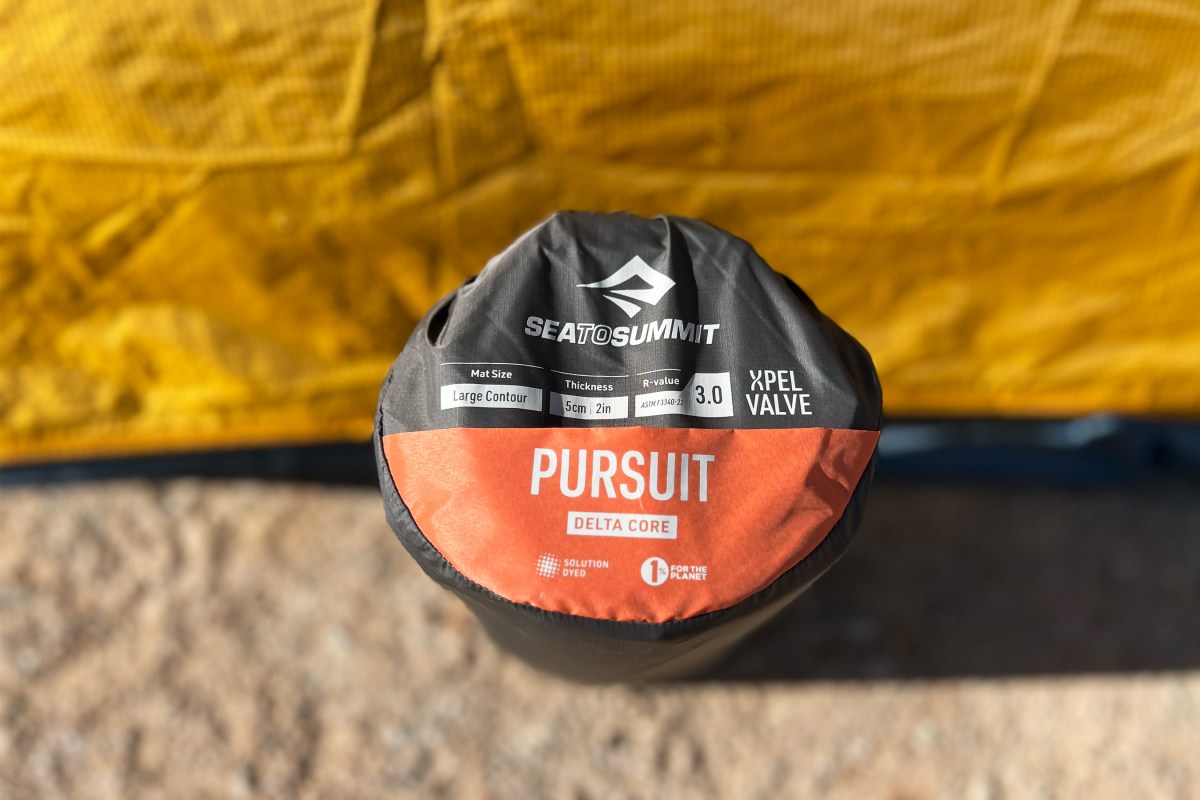
The Sea to Summit Pursuit Sleeping Pad ($149) is a self-inflating backpacking pad that reduces the crinkling of inflatable mattresses and provides a value-heavy option for light sleepers while camping.
GearJunkie Editor Will Brendza took this pad for a spin this spring and summer and found it to be surprisingly comfortable, given his experience with less-than-impressive self-inflating pads. Sea to Summit’s horizontal foam core both increases comfort and reduces the amount of foam used to cut weight. The pad sleeps more comfortably than the 2″ of thickness would lead you to believe, and the foam is to thank here.
The pad itself weighs 1 pound, 5.3 ounces in the regular mummy size, which is heavier than many of the pads we’ve reviewed for backpacking. That said, it isn’t the heaviest and certainly lighter than self-inflating pads of the past.
The ‘XPEL Valve’ is a game-changer for getting a self-inflating pad like the Pursuit down to a good packed size. It can be flipped around to offer one-way deflation and hold your progress as you roll it up. This is well-appreciated and key to getting the Pursuit down to the size of a football for storage.
This pad is quite similar to the NEMO Flyer, another self-inflator with very similar specs. The Pursuit is a bit wider and is available in more sizes. The Flyer, alternatively, weighs a bit less and has a slightly higher R-value (3.3 vs. 3). It really comes down to the valve for us, and we prefer the XPEL valve on the Pursuit for its one-way deflation abilities.
The price can’t quite match the bottom-dollar value of the $65 Klymit Static-V, but the Pursuit is about the best self-inflating backpacking pad out there for the money. If the crinkle keeps you from getting your shuteye in the backcountry, consider adding the Pursuit to your kit.
Big Agnes Rapide SL: $20 and Much More Comfort
The $170 you’ll pay for the Rapide SL is well worth the extra $20 spend, considering it’s a true air pad that’s more than double the thickness at 4.25.” You’ll also save a few ounces (1 pound, 7 ounces in the regular wide size compared to 1 pound, 12 ounces in the similarly sized Pursuit). Insulation warmth, too, is better in the Rapide at an all-season 4.8. If you don’t mind blowing your pad up entirely every night, the Rapide SL might be a better spend.
NEMO Flyer: Another Solid Self-Inflating Option
The Flyer is the NEMO cousin of the Pursuit, and meets it head-on in several metrics. The cored foam design is nearly the same, along with the soft-touch top textiles, and the R-value is only 0.3 apart (with the Flyer being slightly warmer). The Pursuit, however, is offered in a few rectangular sizes, while the Flyer is exclusively mummy-patterned. The valves decide our recommendation: the XPEL valve on the Pursuit can be reversed to capture progress while rolling — essential for self-inflating pads.
Lengths Available
Regular (71″), Short (51″)
Packed Size
5″ x 5.5″ x 20″
Insulation Type
Thermal reflective film
Pros
- Dual-density foam offers plush comfort while still being supportive
- Taller nodes and smaller pack size than other models
- Indestructible
Cons
- Not as comfortable as inflatable pads
- Bulky pack size
Read Review: NEMO Switchback Ultralight Sleeping Pad Review: New Take on Classic Design
The Quick & Dirty: This foam pad is ideal as a sleep system supplement or a system itself for rugged backpackers. No valves or baffles to break, but also less than an inch of cushion.
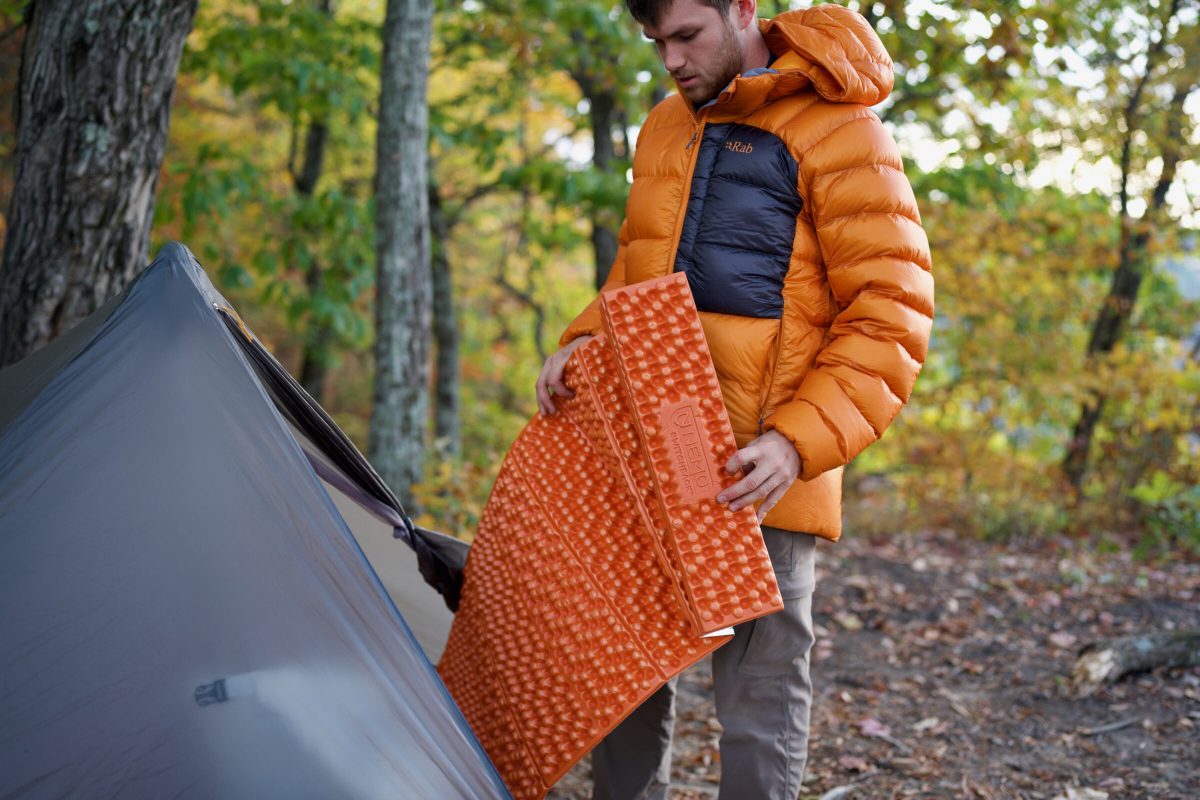
It’s hard to add even more innovation to the simple design and concept of an accordion-style foam pad, but the NEMO Switchback ($50-60 depending on length) continues to impress backpackers and campers with each new design and update.
Their latest iteration offers even greater plushness via taller nodes in a smaller pack size for a cozy, warm pad that will hold up to the wear and tear of weekend use or a months-long thru-hike. Plus, at $55, it’s a nice break for your wallet.
For years, the Therm-a-Rest Z Lite has been the industry’s foam pad standard, without much competition. Now, with the Switchback making a name for itself in the backpacking world, it’s not the only slab of foam seen strapped to hikers’ packs on the trail.
Though it’s 0.5 ounces heavier than the Z Lite and has the same R-value of 2, it’s a tad bit thicker, and we feel like it offers just a little more cushion and comfort. It’s definitely one of the best foam pads we’ve slept on.
A metalized thermal reflective film bounces heat back to your body, while dual-density Axiotomic foam provides a soft layer of comfort, paired with a tougher layer for support. This makes the pad a solid insulator on its own in milder temps, or a great way to add more comfort, protection, and warmth when paired with an inflatable pad on colder adventures.
While we haven’t had the chance to put it through a 2,000+ mile trek yet, it’s shown little wear and tear as we’ve tested it, and a plethora of online comments praise its durability and comfort over the length of a taxing thru-hike. We’d say you don’t have to worry about this falling apart any time soon.
As an ultralight standalone pad for fast and light missions or another addition to your sleep system for freezing expeditions, the NEMO Switchback will have you in a deep, comfortable slumber every night.
Therm-a-Rest Z Lite Sol: Pretty Much The Same Thing
There’s little separating the Z Lite Sol from the Switchback, save for the foam grid pattern. On the NEMO pad, the alternating dimples rise higher compared to the Therm-a-Rest, giving it ever-so-slightly more cushion. In practice, it’s negligible. The dual-density foam on the Switchback is what wins it our award here, but the Z Lite Sol is slightly lighter (at half an ounce).
Gossamer Gear Thinlite: The UL Alternative
The Thinlite pad is lighter, more compact, and costs less than the Switchback, while covering a lot of the same camp uses. The overall cushion is the biggest difference (1/8″ to just under 1″), but if you aren’t sleeping on the Switchback, the Thinlite is a lot easier to wrangle in a backpacking pack, especially the rolled version. Durability is what dings the Gossamer Gear foam, and plan to replace the Thinlite twice as fast as the Switchback.
Other Trail-Worthy Pads We Tested
While the following pads aren’t our editors’ absolute favorites, they’re all good options depending on your specific needs. If none of our award-winning picks pique your interest, check out these field-tested pads.
Lengths Available
Regular (72″)
Material
30/40D nylon with TPU lamination
Insulation Type
Multi-layer TRM reflective insulation
Pros
- Quick inflation
- Comfortable
- Quiet
- Tough (for a lightweight sleeping pad)
Cons
- Heavier compared to a few pads on our list with a similar R-value
The Quick & Dirty: This sleeping pad is a good alternative to the Therm-a-Rest XTherm and is more cushioned, but heavier and not as durable.
Tough, warm, and quiet, the Sea To Summit Ether Lite XR Pro ($229) can’t edge out our top pick spec for spec, but it has a few advantages over the Therm-a-Rest XLite NXT when used in the field. Mainly, it’s much quieter and feels more comfortable to a few of our testers. If your hiking buddies or partner can’t stand the crinkle of the XLite pads, the Ether Lite Pro keeps the noise down while you snooze the night away.
With an R-value of 7.4, the Ether Lite XR Pro is well-suited for winter camping, at least in most lower 48. Other versions of the Ether Lite have elicited some complaints about cold spots due to the way the TMR layers are welded together. Our tester spent a night at 8,000 feet with temps in the upper teens and didn’t experience any cold spots. He also tested the Therm-a-Rest XTherm that night and was asked by his partner to switch to the Ether Lite since it’s so much quieter and doesn’t crinkle when he shifted positions.
Inflation bags are standard in the modern sleeping pad, and the Ether Lite Pro arrives with one built into its stuff sack. The valve can be adjusted from one to two-way operation. This pad is almost 4 inches thick when fully inflated, so there’s plenty of wiggle room for adjustment. You can let out some air for a softer pad and still have plenty of insulated space between you and the ground.
Weight is the only issue we have with the Ether Lite Pro. The regular mummy-shaped version we tested has an R-value of 7.4 and weighs 19.8 ounces. Compare that to the NEMO Tensor Extreme Conditions, with an R-value of 8.5 at just 17 ounces. Or the Therm-a-Rest NeoAir NXT, weighing in at 15.5 ounces with an R-value of 7.3. We may be splitting hairs here, but ounce for ounce, the Ether Lite doesn’t come out on top.
Where are those ounces coming from? Multiple layers of TMR reflective insulation certainly add some weight. But we suspect most of the “heft” can be attributed to the 30-denier nylon used on the top of the pad and the 40-denier on the bottom. You don’t want your pad to pop. Consider that many ultralight tents use 10-denier nylon, as does the Mountain Hardwear Ghost Whisperer down jacket. 40-denier is substantial and durable. And anecdotally, the Ether Lite Pro feels more durable than other pads we tested.
Therm-a-Rest NeoAir XTherm: The Proven Category Winner
The NeoAir XTherm looms large over winter-ready sleeping pads, and while the Ether Lite Pro is competitive, it’s not quite a better pad. The noise is the most notable edge that the Ether Lite Pro has over the XTherm, but otherwise, the Therm-a-Rest is more durable with a 70D bottom textile and has more trustworthy valves that can even be field-repaired. The XTherm is also lighter across all size ranges (due to it being 1″ less cushioned — a consideration). For dependability, go Therm-a-Rest; for added comfort, go Sea to Summit.
Sea to Summit Ether Lite XR Insulated: More Well-Rounded, Less Expensive
The Ether Lite XR Insulated is one step down in the Sea to Summit lineup, and is likely a better pad if you don’t plan on winter camping. The 4.1 R-value is perfect for three-seasons, with the pad still the same thickness at 3.9″, and using the same 30D/40D nylon material. You’ll save around $30 by going this route, and about 3 ounces. The high 7.3 R-value of the Pro version does make it a more versatile all-year pad, however.
Packed Size
58.7″ x 19″ x 1/8″
Pros
- Ultralight and packable
- Incredibly versatile uses
- Budget price
- Rolled and folder versions available
Cons
- No back support
- Lacking in true comfort
- Can be worn down eventually
The Quick & Dirty: The foam pad for ultralight hikers. Highly versatile, but not greatly durable. Thankfully quite cheap, and. agood alternative to the NEMO Switchback.
We know what you’re thinking, but hang tight with us here: the Gossamer Gear Thinlite Pad ($22-32) isn’t so much a through-and-through sleeping pad (though some thru-hikers will make do!) as it is a sleeping pad supplement. We’ve used a Thinlite pad as an adjunct to our sleeping systems since 2018, and it’s undoubtedly saved us numerous inflatable pad punctures in that time.
There’s not much to the Thinlite Pad, as it’s only 1/8″ EVA foam that is available in either a rolled form (great for strapping under a pack lid) or a folded version, which some ultralight backpacks can use for some structure. The sleeping dimensions are longer in the folded version (73.5″ vs. 58.7″), but both are the same width at 19″. After using both versions this summer, we’ve found that both make excellent additions to a backpacking kit.
The main use of the Thinlite is using it to protect your lightweight inflatable backpacking pads. We’ve pulled numerous thorns, goatheads, and cactus spines from the bottom of this pad, and it does a great job as a water break in floorless shelters. Overall durability is about one thru-hike (or many summers of casual use).
In terms of added insulation, Gossamer Gear hasn’t specifically tested the Thinlite, but estimates that it adds approximately an R-value of 0.5, which feels accurate. When added under a 3-season pad like the Therm-a-Rest NeoAir XLite or NEMO Tensor Trail, you’re hedging your bets a bit against rating-challenging conditions.
The added benefit to a simple foam pad like the Thinlite is its adaptability. It works excellently as a quick trail-side seat, a place to park your pack in your vestibule, or even an impromptu splint. If you’re considering adding a foam pad like the NEMO Switchback or Therm-a-Rest ZLite to your gear closet, consider the bulk (and cost) savings on the Thinlite Pads before you make your choice.
Mountain Laurel Designs Goodnight EVA: Near-Identical, But Available in Double Width & Longer Length
The Goodnight EVA pad is a very similar 1/8″ closed-cell foam, but available in a few larger sizes that include a 40″ tent floor pad. The regular-sized version is 20″ x 80″, which is longer than the 59″ you get in the rolled Thinlite (or even 74″ in the folded version). Stock for the Goodnight pad can be a bit tricky sometimes, so we recommend going for the Thinlite for better consistency of stock if you don’t need the extra space.
NEMO Switchback: The Category-Winning Foam Pad
The Switchback is the more classic take on a foam sleeping pad, which still attempts to be comfortable for occasional sleeping (or frequent if you’re tough). As a backup option to an air pad failing, it’s going to be a much more comfortable night on the NEMO. Durability, too, is in the Switchback’s corner, and while both pads will degrade over time, the Thinlite will tear sooner than the thicker pad. The price is about double to jump up to the Switchback, but it will also likely last twice as long.
Weight
1 lb., 1 oz. (Regular Mummy)
Material
20D and 40D GRS-certified & Bluesign-approved nylon
Pros
- Best warmth-to-weight ratio on the market
- Small pack size
- Durable construction despite light weight
- Quick inflation time
- Quiet
Cons
- Extremely difficult to fit into stuff sack
- Slippery material
- Not our favorite valve construction
Read Review: Warmth-to-Weight King: NEMO Tensor Extreme Conditions Sleeping Pad Review
The Quick & Dirty: Almost our best winter camping choice, and even warmer and thicker overall than the XTherm. The stuff sack is a notable ding, however, and the valves aren’t perfect.
The new NEMO Tensor Extreme Conditions ($250) (EC) pad boldly claims to have the best warmth-to-weight ratio on the market. And well — objectively — they’re not wrong. We brought the EC on several chilly fall backpacking trips, overnight climbing excursions in Appalachia, and even a frigid five-day ascent of El Cap in Yosemite to truly test its mettle.
Capitalizing on NEMO’s established sleeping pad tech, Thermal Mirror Insulation, and new Apex baffles churn out serious heat without packing on pounds. For stellar warmth at an ultralight weight, this is quite literally as good as it gets. An 8.5 R-value at an impressively low 17 ounces — with a 3.5-inch stack height — is plenty to blow the pad’s competition out of the water. No existing pad touches these stats. And, in our experience, it’s not all talk.
We were stunned at how well it protected us from cold seeping in from the granite while sleeping on ledges in Yosemite. This is due to a new tech called “Apex Baffles” within the pad, which are four layers of thermal film placed over trapezoidal trusses. These reflect body heat back at the user, guard against radiant heat loss, while also deflecting cold from the ground. This design cuts weight, boosts heat, and is shockingly quiet.
It’s not perfect, however: During our first night with the EC, we quickly realized we very much disliked its stuff sack. You must roll it up with factory precision to stow it easily, and it becomes even more challenging if you decide to add the included pump sack. Considering the EC is designed for use in ungodly temps, this is the last thing you want to fumble with as you try to retain the feeling in your fingers on freezing alpine starts.
Additionally, the fabric is on the slippery side, and the pad is a bit narrow compared to its competitors, resulting in limbs occasionally slipping off at midnight. Also, the valve construction isn’t our favorite. It can be a pain to inflate or top off by mouth. For pure ease of use, we think that the Therm-a-Rest NeoAir XTherm is a better all-around cold-weather pad for most backpackers.
For the ultralight madmen braving arctic temps on hunting excursions or winter thru-hikes, you may have just stumbled across the backcountry bed of your dreams, however. If you’re after warmth over all else, the Tensor Extreme Conditions pad is where it’s at.
Rab Hypersphere Ultra 7.5: A Down-Filled and Quiet Alternative
Using 800 fill-power down instead of the aluminized layers in the Tensor Extreme, the Hypersphere Ultra 7.5 is a more luxe version offered at the same price. The overall R-value winner is still the Tensor, and it’s also a half-inch thicker. The valves on the Hypersphere aren’t as nice to use as the Tensor, however, and the vertical baffle design on the Rab pad won’t work for everyone (save for side sleepers), while the grid-style baffles on the Tensor are more accommodating. Unless you need the down fill, go for the Tensor EC.
Exped Ultra 7R: Slightly Less Warmth, But Also Less Expensive
The Ultra 7R is another down-filled option that uses 700 fill-power down, but it also isn’t quite as warm as the 8.5 R-value of the Tensor Extreme Conditions. The 20D ripstop polyester used in the 7R is also a little lighter than the 40D nylon on the bottom of the Tensor, meaning it also isn’t winning the durability race. $40 seperates the two currently in 2026, but we think the smart spend is to stick with the NEMO pad.
Weight
1 lb., 2 oz. (regular)
Lengths Available
Petite (66″), Regular (72″), Long (78′)
Width
Regular (20″), Wide (25″)
Packed Size
4″ x 7″ (regular)
Material
Nylon double ripstop
Insulation Type
Aluminized film
Pros
- Comfortable
- Great warmth-to-weight ratio
- Compact and easy to carry
The Quick & Dirty: A solid all-around option at a great price, and even slightly warmer than our top pick. The vertical baffles are loved by side sleepers, but may not be everyone’s favorite design.
Big Agnes is no stranger to the sleeping pads scene, and comfort has always been a top priority of the brand’s ethos. The newly re-tooled Rapide SL ($159) is super comfortable due to its supportive offset I-beam construction, 4.8 R-value, and quiet shell material.
We tested this pad on rocky terrain and weren’t at all careful with it. We saw no punctures and experienced no midnight deflation events, though Big Agnes does include a handy repair kit just in case. The kit includes some 3M patches and glue, and we’ve found them to be quite effective in the past. Locating leaks can be tricky, but a well-placed patch can make the pad as good as new.
On the warmth-to-weight spectrum, the Rapide SL has a respectable balance, with a weight of 18 ounces and a 4.8 R-value. Compared to the NEMO Tensor Insulated (15 ounces, R-value 5.4) and the Therm-a-Rest NeoAir XLite NXT (14.5 ounces, R-value 4.5), the Rapide looks pretty competitive. It’s also less expensive.
Big Agnes provides a pump sack to inflate the pad without introducing moisture to the inside, or you can just throw caution to the wind and use your mouth. Either way, it inflates in under a minute. The dual valve system makes it easy to make micro-adjustments and find the firmness to your liking.
One of our testers found the standard 20” x 72” size less than spacious, even for her 5’6” frame, and recommends purchasing a larger (heavier and more expensive) size if you’re a side sleeper or prone to tossing and turning.
If you’re under six feet, the standard size presents an undeniable value thanks to its impressive warmth-to-weight ratio, and while the Rapide SL isn’t on the tippy top of our list, it’s very much worth your consideration if you’re on a budget.
REI Co-op Traverse Insulated Air Pad: A New Comfort-First Backpacking Option
New in 2026, the Traverse Insulated Air Pad is REI’s approach to popular comfort-backpacking scene, and squares up well with the Rapide SL. We haven’t tested the pad long enough yet to provide any solid findings, but a line comparision of specs lends some insight: The Rapide SL is going to be better than the Traverse is most metrics, including R-value (4.8 vs. 4.3), thickness (3.5″ vs. 3″), and weight (1 pound, 2 ounces vs. 1 pound 5 ounces). While the new REI pad is still unproven, we think the Rapide is the safer choice for now.
Therm-a-Rest NeoAir XLite: Category-Leading Backpacking Upgrade
For a bit more spend, you can get the NeoAir XLite which sports just about the same R-value (at 4.5), and is 5 ounces lighter, making it a better backpacking choice. The WingLock valves on the XLite are also more trustworthy in our experience, and the horizontal baffle structure more comfortable for most backpackers. The Rapide SL is a bit thicker at 3.5″ to the XLite’s 3″, but the ultimate choice between these pads will come down to baffle preference. The XLite is a savvy upgrade if it works for you.
Weight
1 lb., 1 oz. (Regular)
Lengths Available
Regular (72″), Long (76″)
Width
Mummy (20″), Regular (20″), Wide (25″)
Shell Material
20D nylon top, 40D nylon bottom
Insulation Type
Thermal Mirror metallized film layers
Pros
- Very comfortable
- Remains quiet when rolling around
- Stable yet plush
Cons
- Not the warmest at 2.8 R-value
Read Review: My Favorite NEMO Sleeping Pad Just Got Warmer, More Sustainable
The Quick & Dirty: This is a good alternative to our top pick, and is a solid, all-around sleeping pad for those who need a bit more comfort.
The NEMO Tensor Trail Ultralight Sleeping Pad ($190) has always been wide, supportive, quiet, and relatively warm. The original Tensor was somewhere between good and great. It was upgraded in 2022, and the results are top-notch. Sharing similar tech with the toasty Tensor EC above, this pad is plush and comfortable.
The pad’s improvements come from the inside out. NEMO redesigned its Spaceframe — what the brand calls the structural baffles inside the pad that give it support and stability — to make both the insulated and uninsulated pads warmer.
The new baffle design still has individual tack points that prevent the pad from feeling like a raft underneath you, and the insulation is still woven between the baffles in a way that keeps it quiet. There’s no pad squeaking or crinkling while rolling around.
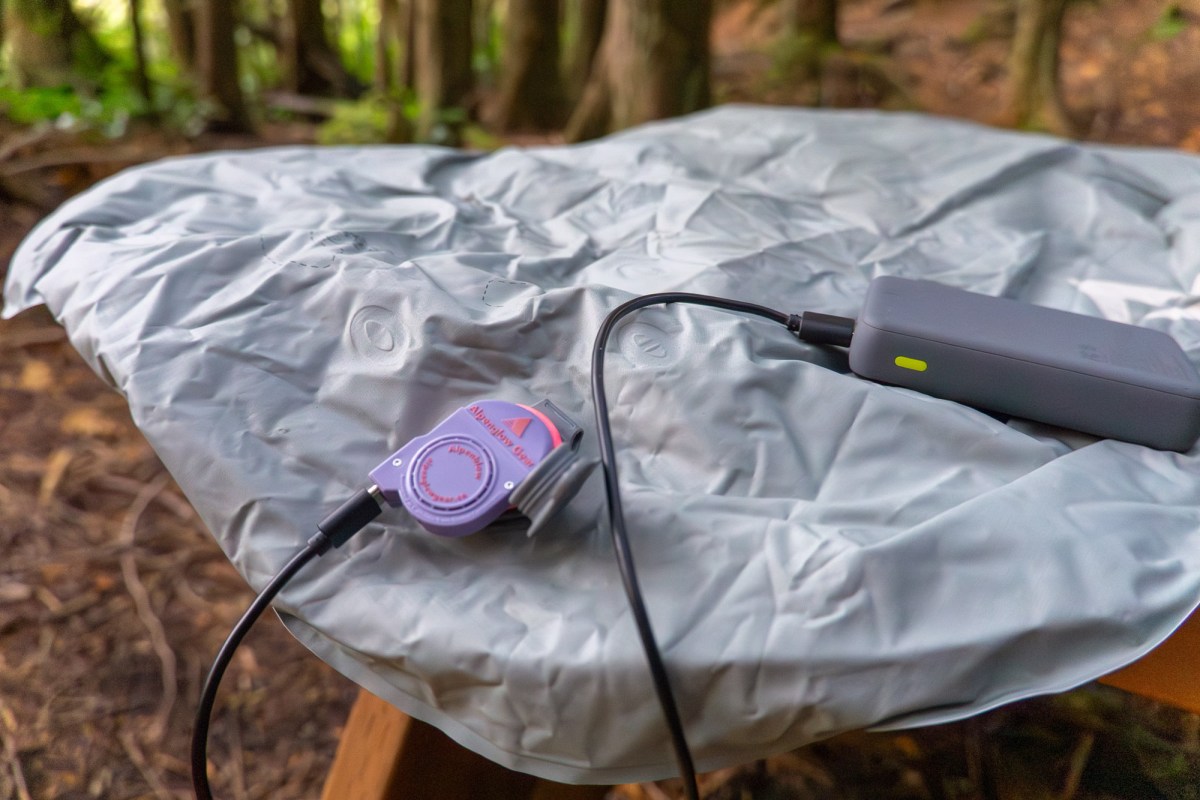
The pad comes with the NEMO Vortex Pump Sack, which inflates all sizes of the pad quickly and efficiently without filling the pad with moisture from your breath.
It’s available in mummy and rectangular shapes, two lengths, and as both insulated and uninsulated options. Though the NEMO Tensor Trail Ultralight pad is light and compact enough to use for backpacking, it’s plenty comfortable and durable for car camping too. The only drawback here is weight.
The larger version of this pad is approaching a pound. All that comfy real estate has to weigh something, though, and it only weighs a few ounces more than the NeoAir XLite. Folks who typically have trouble sleeping in the backcountry should consider the Tensor Trail Ultralight over our top pick.
Therm-a-Rest NeoAir XLite NXT: Better All-Around Pad, But It’s Close
The NeoAir XLite NXT is pretty similar to the Tensor Trail Ultralight, but a few differences in metrics seperate them. Weight isn’t one of them, however, and both pads weigh 13 ounces in the regular mummy shapes. Overall dimensions are also fairly similar, but the Trail Ultralight is half and inch thicker overall. The R-value difference is bigger, and the 4.5 on the XLite makes it a three-season pad, while the 2.8 on the Trail Ultralight will be a bit less insulative. The Therm-a-Rest valves are more robust, but you will pay ~$20 more for them across the offered sizes. Most backpackers should stick with the XLite, unless the horizontal baffles don’t work for you. Then: Tensor Trail Ultralight.
NEMO Tensor Extreme Conditions: A Much Warmer Version For Winter Campers
The Extreme Conditions version of the Tensor differs from this one by adding three more layers of metalized film into the build, and jumps to an R-value of 8.5 because of it. There will be a weight ding of about 7 ounces in the regular mummy shape, but if you’re a fan of the ‘Apex’ gridded baffle design and need an all-season option, the pivot to the Extreme Conditions would make sense. The $70 difference to upgrade doesn’t make the choice easy, however, so ensure you need the insulation power before switching.
Weight
1 lb., 5.5 oz. (Regular)
Lengths Available
Regular (72″) and Long (77″)
Insulation Type
6.7 oz. of 800 FP goose down
Pros
- Easy to pack away
- Comfortable on rocky surfaces
- Down-filled warmth
- Quiet with no internal reflective layers
Cons
- Heavier than other similar pads
The Quick & Dirty: A down-filled pad that is quite warm and notably noiseless. There are better winter options available, but if the crinkle is ruining your sleep, this is the ticket.
The Rab Hypersphere Ultra 7.5 Down Sleeping Pad ($250) sets itself apart from other insulated sleeping pads in one big way: It’s filled with down insulation, just like your favorite puffy. While other 4-season pads lean on aluminized layers to reflect your body heat, the 800 fill-power goose down in the Hypersphere Ultra cranks the R-value up to 7.3. It also moves away from the typical crinkle you might expect.
At 1 pound, 5.5 ounces, this pad is out of the running for the best warmth-to-weight option out there (we think the Therm-a-Rest XTherm or NEMO Tensor Extreme Conditions are better options), but it’s not far off from the title. GearJunkie contributor Mary Andino took this pad along while hiking Minnesota’s Superior Hiking Trail, as well as all the way to France. Throughout her testing, temperatures dipped down to the low 40s, but the Hypersphere Ultra was warm throughout it all.
Inflation on this pad is a standard affair, with a single valve that controls your air both in and out. Interestingly, you’ll need to allow your pad to ‘loft’ just like your sleeping bag to get the down inside to be fully functional and trap your warmth. A quick shake gets things moved around enough to ‘puff’ up the down, reported Andino. “However, if you tend to crash the moment you get to camp or if you set up your sleep system right before bedtime, you may want to consider a different pad,” she said.
The 7.3 R-value makes this pad just as warm as the Therm-a-Rest XTherm, and functionally the same as the 7.4 R-value Sea to Summit Ether Lite Pro XR. Both of those pads use an aluminized layer, however, making them notably louder during testing. The XTherm is half a pound lighter, and the Ether Lite is both cheaper and uses more durable mattress materials.
Still, the warmth provided by this down-filled pad is undeniable. And if the crinkle of sleeping pads is ruining your backcountry slumber, it might be the ticket.
Therm-a-Rest NeoAir XTherm NXT: Winter Efficiency vs. Winter Comfort
The down insulation of the Hypersphere makes it a notably quieter pad than the NeoAir XTherm NXT, which uses aluminized internal layers for insulation. There’s a weight penalty for the privledge, and that almost doubles the weight to 1 pound, 13.6 ounces in the regular size. The XTherm remains the top pick for cold weather because of its efficiency on winter trips, but if you’re not as worried about weight (such as on a boat trip), the added comfort could be worth the added bulk.
Rab Hypersphere 9.5: An Even Warmer Version
The 9.5 is the warmest version of the Hypersphere pad, and while the fill-power is lesser at 650, there’s 2.5 more ounces of it compared to the Ultra 7.5. The 9.5 R-value is one of the highest we’ve seen in backpacking pads, and the 4″ thickness will keep you a bit higher off the snow compared to the Ultra 7.5. The expedition-worthy 9.5 version is worth it for deep expeditions to very cold places, and it’s even the same price as the 7.5. It may be far too warm, however, for summer use, making this a single season sleeping pad.
Backpacking Sleeping Pad Comparison Chart
| Backpacking Sleeping Pad | Price | Weight | Warmth-to-Weight Ratio | Thickness | Who It’s For |
|---|---|---|---|---|---|
| Therm-a-Rest NeoAir XLite |
$200-240 | 13 oz. | 0.34 (Three season) | 3″ | All-season backpackers who need an option to cover most weekends but winter |
| Klymit Static V | $50 | 1 lb., 2.6 oz. | 0.06 (Summer only) | 2.5″ | Beginner or budget campers |
| NEMO Tensor Elite | $250 | 8.3 oz. | 0.28 (Summer only) | 3″ | Ultralight backpackers or thru hikers who need to watch their pack weight, and are willing to compromise on durability |
| Therm-a-Rest NeoLoft | $240 | 1 lb., 9 oz. | 0.18 (Summer only) | 4.6″ | Comfort campers who aren’t going out long, but for fun |
| Therm-a-Rest NeoAir XTherm |
$240 | 15.5 oz. | 0.47 (All season) | 3″ | Winter campers and climbers who need maximum winter sleeping pad efficiency |
| Sea to Summit Pursuit | $149 | 1 lb., 5.3 oz. | 0.14 (Summer only) | 2″ | Camping cot sleepers and river users |
| NEMO Switchback | $50-60 | 14.5 oz. | 0.13 (Summer only) | 0.9″ | Anyone wanting to add a backup pad to their sleep system, or hardy backpackers with young backs |
| Sea to Summit Ether Lite XR Pro |
$229 | 1 lb., 3.8 oz. | 0.37 (All season) | 3.9” | All-season backpackers who need an option to cover most weekends but not winter |
| Gossamer Gear Thinlite | $22-32 | 3 oz. | 0.16 (Summer only) | 0.125″ | Any and every backpacker looking for a multi-use item that adds protection and warmth to a sleep system |
| NEMO Tensor E.C. | $250 | 1 lb., 1 oz. | 0.50 (All season, top overall ratio) | 3.5″ | Side sleepers who camp in the snow |
| Big Agnes Rapide SL | $159 | 1 lb., 2 oz. | 0.26 (Three season) | 3.5″ | Bargain-hunters who want a lot of pad for less than comparable options |
| NEMO Tensor Trail | $180 | 13.9 oz. | 0.20 (Three season) | 3″ | Side sleepers who don’t camp in the snow |
| Rab Hypersphere Ultra 7.5 | $250 | 1 lb., 5.5 oz. | 0.33 (All season) | 3″ | Expedition backpackers who sleep softly |
How We Tested the Best Backpacking Sleeping Pads
Our Testing Process and Testing Grounds
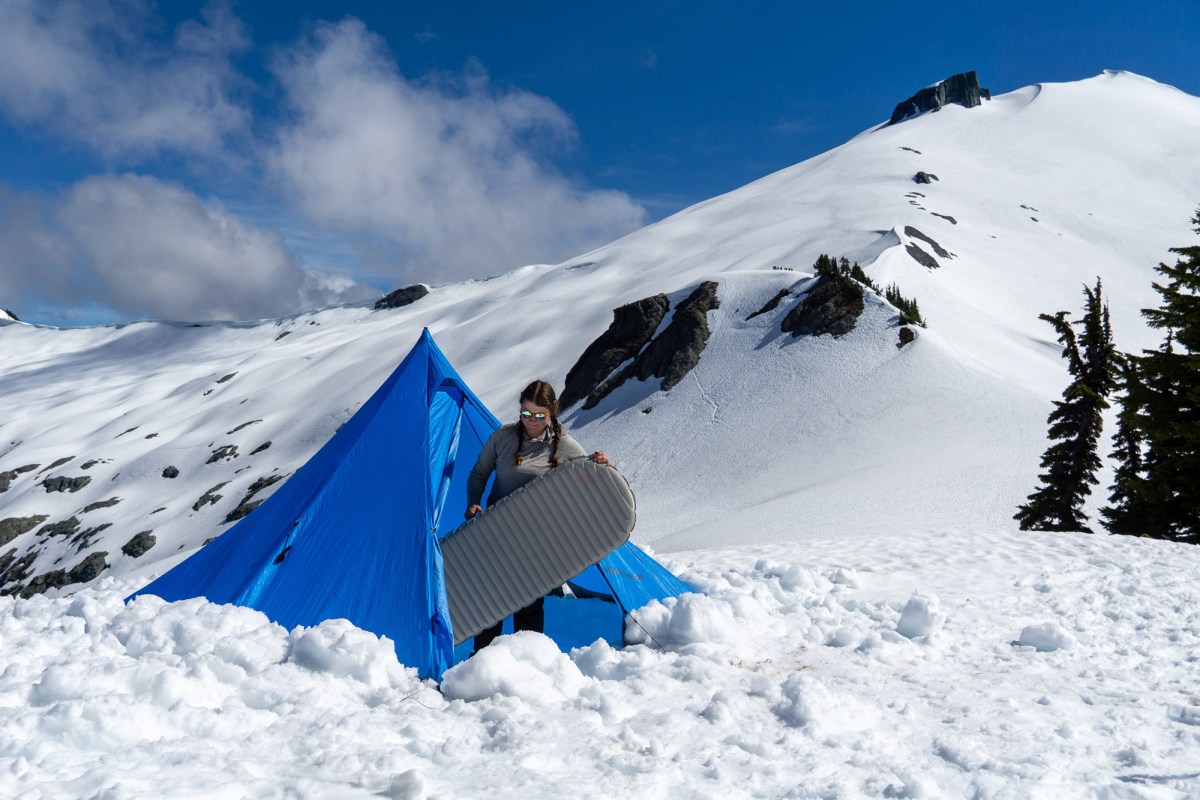
Our Testing Grounds: In our previous season of field testing, our gear team logged over 575 trail miles to bring you these insights. Our primary testing corridors included:
- The Arizona Trail: For evaluating puncture resistance against desert floor debris and heat-related pressure fluctuations.
- The North Cascades, Washington: For humidity and moisture-management testing.
- The Brooks Range, Alaska: For sub-freezing thermal resistance and high-altitude performance.
Comparative Technical Analysis
Beyond the trail, we move pads into a controlled environment for side-by-side comparison:
- Relative Warmth: While we don’t utilize a laboratory hot plate, we deploy temperature data loggers to monitor heat retention night-to-night, validating how various R-value ratings perform in real-world transitions.
- Dimensions & Volume: We manually measure cushion height, packed volume, and effective sleeping space to ensure manufacturer specs align with actual field utility.
- Durability Monitoring: We specifically hunt for catastrophic failures, including leaking valves, microscopic pinholes, and internal baffle bursts—stresses that only become apparent after months of high-pressure use.
Our sleeping pad ratings explained:
- Comfort: 30% weighted. When considering air pads, we look for at least 3″ of cushion to rate highly, with that number dropping to 2″ for self-inflating pads. Foam pads, generally, don’t rate very highly in this attribute.
- Warmth: 30% weighted. For summer use, we look for an R-value of at least 3 to rate highly, with a value of at least 5 being required for winter camping.
- Packed Size: 20% weighted. Generally, the smaller a pad packs, the higher the rating we assign. Often, the most ultralight pads will rate highly here, but trade some performance in comfort and durability for it.
- Durability: 20% weighted. Before rating these pads, we consider their season-long durability. We look for material damage to the shell, the operation of the valves, and the durability of any stuff sacks.
Our Expert Testers
Current guide manager and senior editor Nick Belcaster leads backpacking pad testing for GearJunkie and has been doing so since 2022. Last season, he tested four new sleeping pads for the upcoming season across the North Cascades.
Thru-hiker and tester Chris Carter took up sleeping pad testing in 2023 and has significant experience sleeping atop various inflatables, having thru-hiked the Pacific Crest Trail, the Continental Divide Trail, and the Appalachian Trail. He knows the importance of consistent Zs on the trail and is meticulous about the portable beds he chooses for the wild.
Contributors Mallory Paige and Austin Beck-Doss led the charge in creating this guide in May 2021, selecting our initial 10 sleeping pads. Seasoned pros in the backpacking realm, both authors have paid their dues on rough backcountry trails and are intimately familiar with the necessity of sound sleep on any demanding adventure. Otherwise, our rotating team of field testers includes GearJunkie contributors and friends, who range from Ian Atkinson, a backpacking and climbing guide, to Mary Andino, GearJunkie Staff Writer and backpacking expert.

Buyer’s Guide: The Best Backpacking Sleeping Pads
Because there are numerous great pads on the market, it can be challenging to make a selection. In this guide, we break down some of the most important considerations for purchasing the perfect sleeping pad.
Building Your Backcountry Bed: Mattress Types & Construction
Selecting the right internal architecture is the most direct way to get good sleep outdoors. To help you navigate the sea of technical specs, our testing team categorized mattresses into three primary designs, evaluating each for its warmth-to-weight ratio, mechanical reliability, and structural loft.
- Air-Only Pads: Lightweight Performance Leaders. Air pads utilize internal baffles and reflective Mylar films to trap heat without bulky foam. When deflated, these typically compress to the size of a one-liter water bottle. The trade-off is that a single puncture or a compromised valve can result in bottoming out against the hard ground. Our benchmark remains the Therm-a-Rest NeoAir XLite, providing a comfortable 3 inches of loft while remaining light enough for the backcountry.
- Self-Inflating Hybrids: The Durability Standard. Self-inflating mattresses sandwich open-cell foam core between airtight textiles. When the valve is opened, the foam’s memory causes it to expand, providing a stable feel that air-only pads lack. These pads offer a critical fail-safe: Even if the pad punctures, the foam core prevents a total sleep failure. The tradeoff is that foam is inherently heavier and less packable, making these better suited for vehicle-supported basecamps.
- Closed-Cell Foam (CCF): Indestructible Simplicity. The original old school technology, CCF pads like the NEMO Switchback are made of dense foam that requires no inflation. They are functionally indestructible and can be thrown directly onto rocky terrain without a second thought. These pads can last for decades and serve as an excellent insurance layer to boost the R-value of an inflatable pad in winter conditions.
Tester’s Insight: “While a high-loft air pad offers the best ‘inches-per-ounce’ ratio, I always carry Tenacious Tape and a small tube of UV-cure adhesive for field repairs. If you’re heading into a high-stakes environment where a leak isn’t an option, the extra bulk of a self-inflating foam core is a price worth paying for the peace of mind.” — Nick Belcaster, Lead Gear Tester
R-Value & Thermal Resistance: Understanding Ground Insulation
In the context of a sleep system, the R-value serves as the objective measurement of a mattress’s thermal resistance: its ability to prevent conductive heat loss from your body to the cold ground. Unlike air temperature, the earth acts as a consistent heat sink, and without a sufficient thermal barrier, even a high-end sleeping bag will fail.
The R-Value Cheatsheet:
To ensure safety and comfort across varying seasons, our team recognizes the ASTM F3340-18 standard to categorize performance tiers:
- Summer/Warm Weather (R 1.0–2.5): Designed for overnight lows that remain above 50°F. These pads offer minimal internal insulation and prioritize weight savings.
- 3-Season/Shoulder Season (R 3.0–5.0): The versatile sweet spot for most backpackers. This range provides enough resistance to handle unexpected frosts and high-altitude chill.
- Winter & Alpine (R 5.0+): Essential for sleeping on snow, frozen turf, or during sustained sub-freezing expeditions. Ratings in this tier, sometimes exceeding R 8.0, are engineered for mission-critical warmth in arctic conditions.
Warmth-to-Weight Ratio
High thermal resistance is achieved through internal radiative barriers. Manufacturers suspend multiple layers of metallic, reflective film within the pad’s air chambers using vertical truss systems. These layers function as a thermal mirror, reflecting radiant body heat back to the sleeper while simultaneously disrupting the convective air currents that move cold air from the bottom of the pad upward.
The warmth-to-weight ratio is likely the single most important metric to consider when comparing sleeping pads for backpacking, where weight is important to keep low, and warmth is needed for unexpected weather changes. This simple calculation is accomplished by dividing the R-value by the weight of the pad, and we’ve run the numbers and come up with three categories to split our recommendations into:
Summer Only
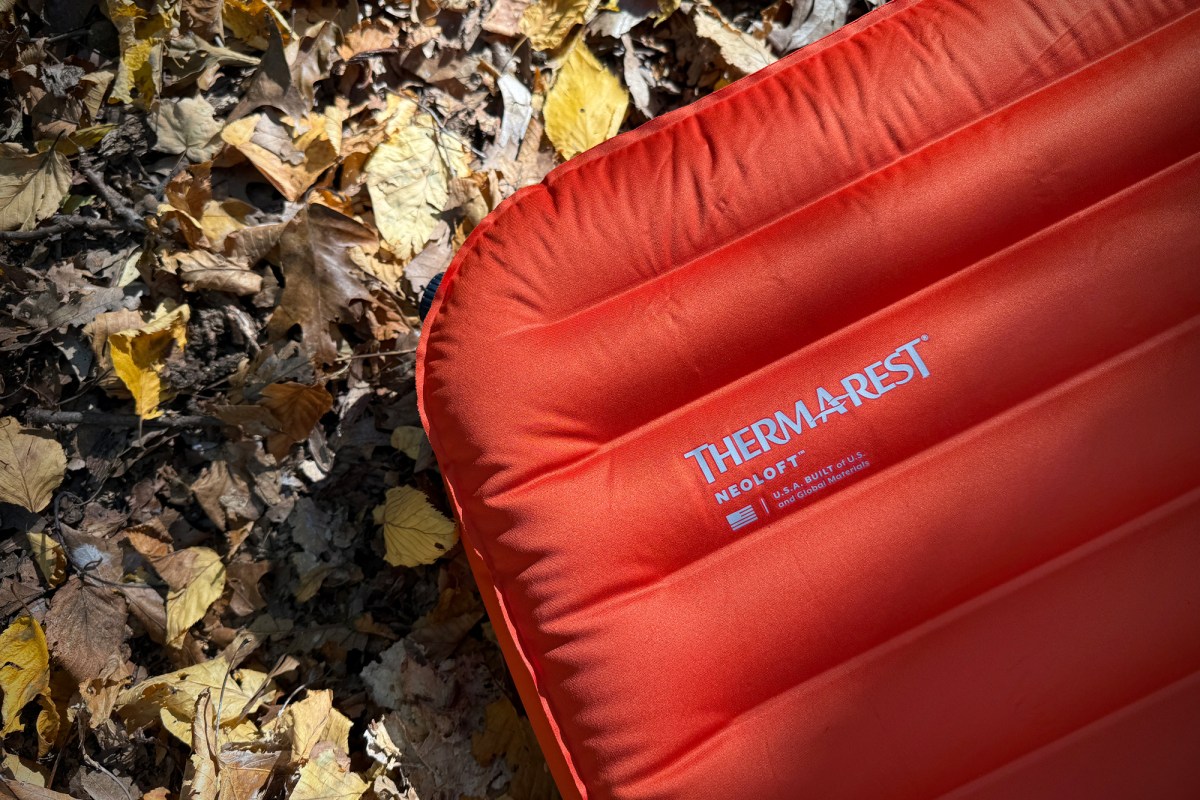
A warmth-to-weight ratio below 0.3 means that a sleeping pad likely prioritizes comfort over all else, and is a better choice for summer use. The 0.18-rated Therm-a-Rest NeoLoft opts for cushion over efficiency.
Three-Season
Warmth-to-weight ratios between 0.3 and 0.4 are a solid trade between carried weight and insulation value. The NeoAir XLite is right on the money at a rating of 0.34, and is the standard we measure similar pads against.
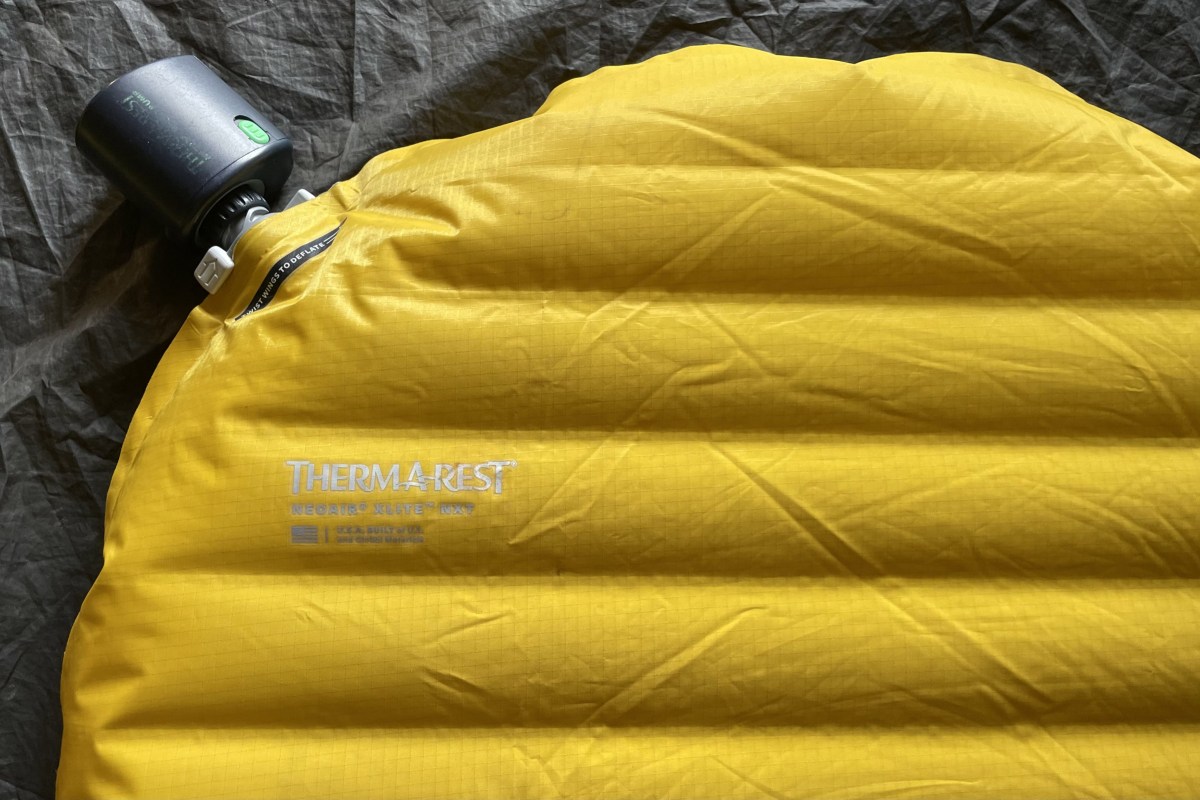
All-Season
Sleeping pads with a ratio over 0.4 are high-performers that provide plenty of insulation at lower weights. The NEMO Tensor Extreme Conditions tops our scale at 0.5, and puts out serious warmth for the weight.
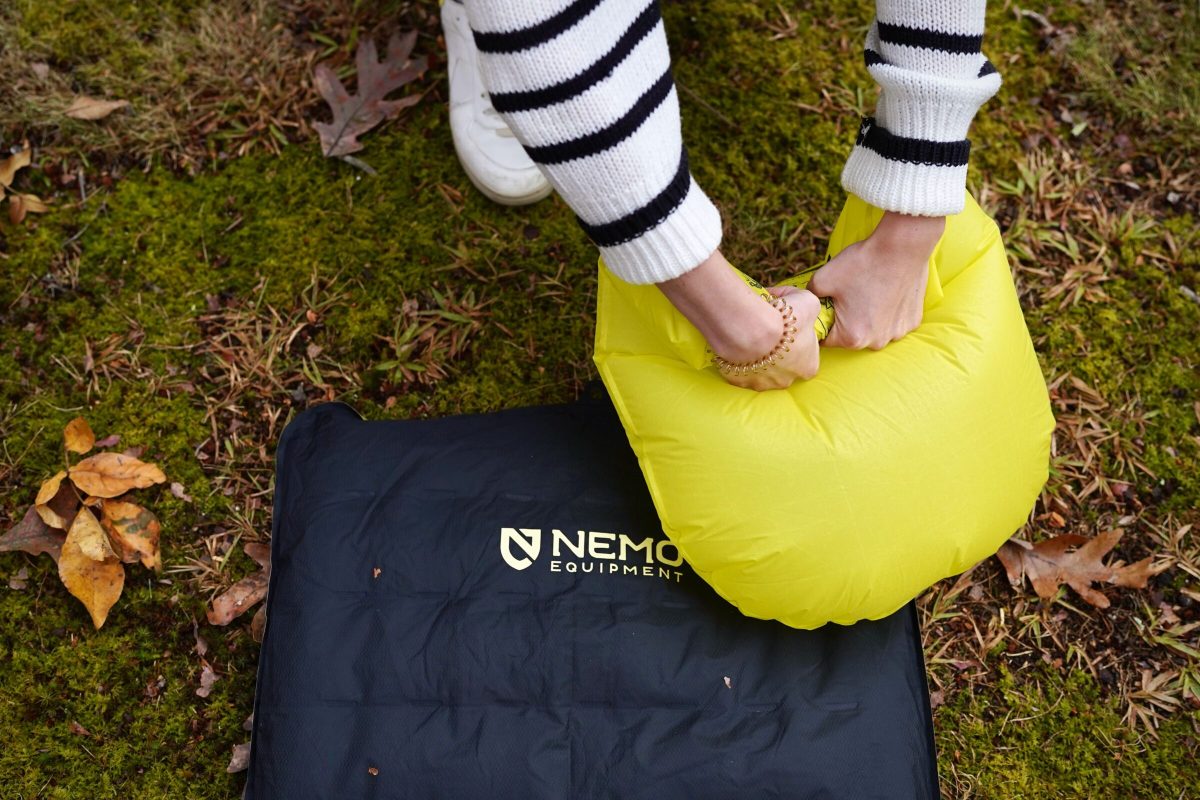
Loft & Ergonomics: Matching Thickness to Sleep Style
While comfort is often viewed as subjective, our testing team has identified the design elements required to maintain good support and cushioning. The ideal thickness for your setup depends on your load distribution, and how your body weight interacts with the mattress’s internal baffles based on your primary sleep position.
- Back Sleepers: The 3-Inch Ideal. Because back sleepers distribute weight evenly, they can achieve comfort without the bulk of high-volume pads. We’ve found that 2.5 to 3 inches of loft is the ideal threshold for back sleepers. This provides enough suspension to blunt your site’s imperfections while keeping your pack weight low.
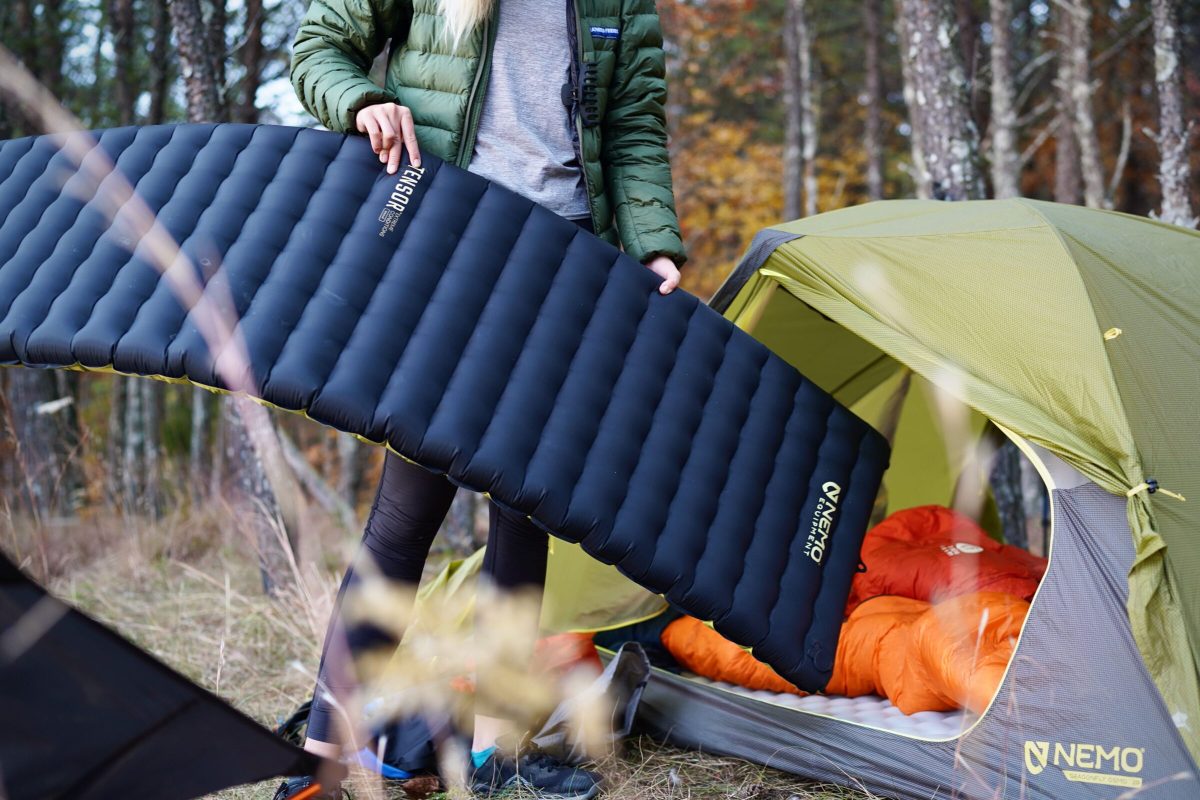
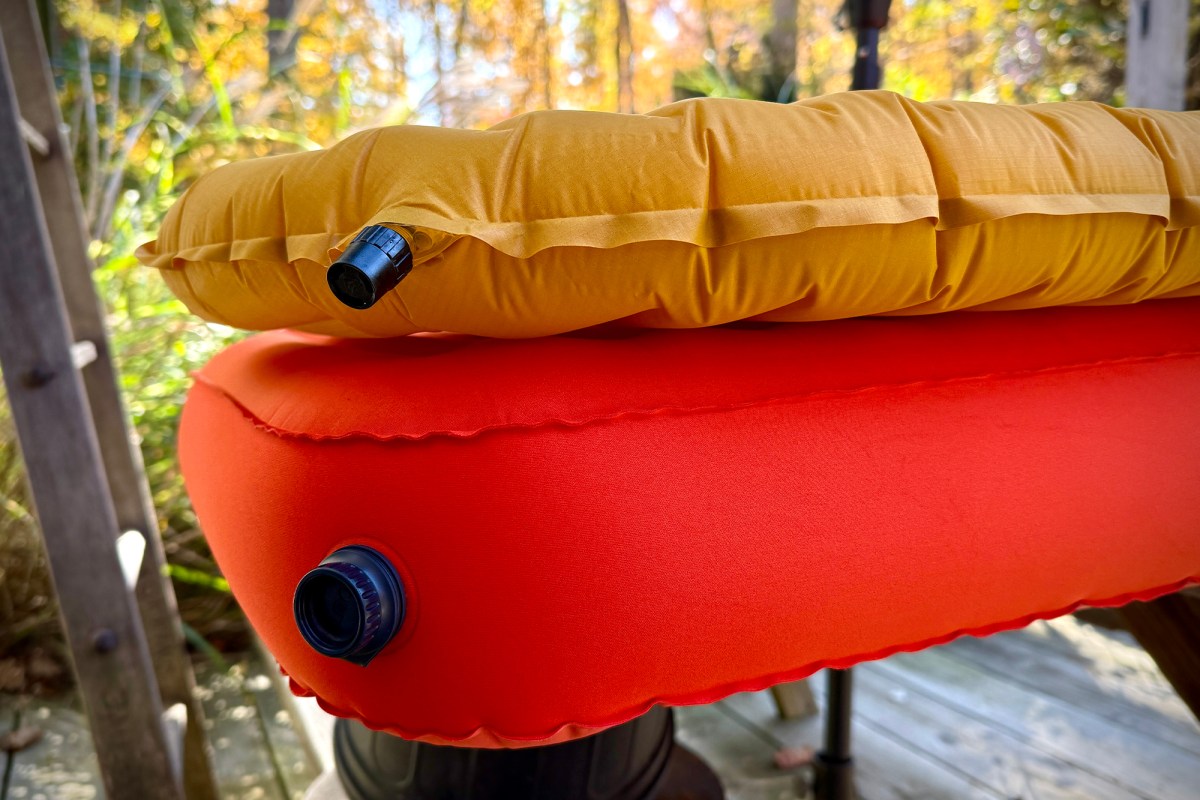
- Side Sleepers: Depth & Baffle Architecture. Side sleepers project deeper into a mattress, concentrating their weight onto the narrow points of the hip bones and shoulders. We recommend a minimum of 3.5 inches of loft to accommodate this, and we prioritize specific internal structures. The NEMO Tensor Trail utilizes a grid baffle system that acts like individual pocketed coils, while the Big Agnes Rapide SL uses oversized vertical baffles to cradle the body and prevent lateral collapse.
- Rotisserie Sleepers: Stability & Motion Dampening. Active sleepers who shift frequently require a mattress that maintains edge-to-edge integrity. Standard tapered pads often feel tippy during, which can result in sliding off entirely. Look for mattresses with vertical sidewalls (3D construction) and a thickness of at least 4 inches. The Therm-a-Rest NeoLoft is specifically engineered for high-motion sleepers. Its triangular core matrix steadies the pad and limits motion transfer, providing a stable platform that mimics a residential mattress.
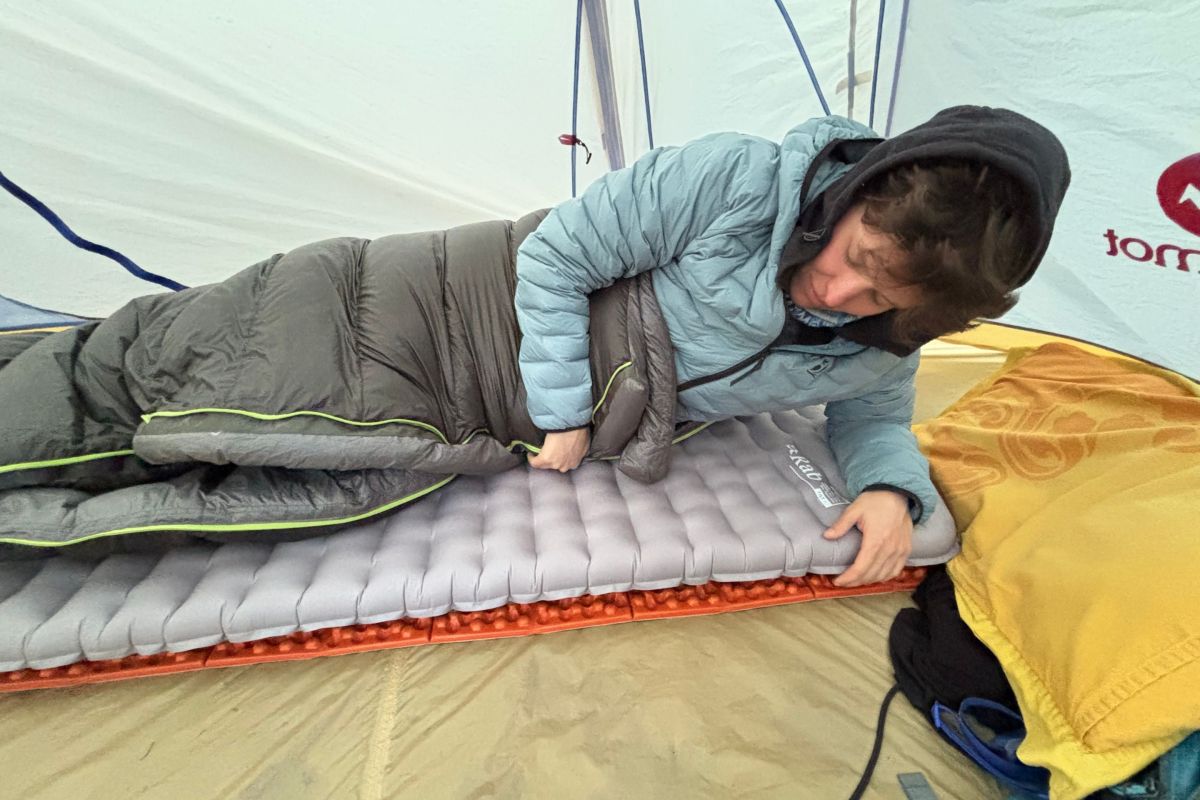
Tester’s Insight: “If you’re a side sleeper, don’t just chase the thickest pad; look for lateral stability, and always perform the Elbow Test: if you can prop yourself up on one arm without feeling the ground, the mattress has enough displacement to handle your pressure points all night.” — Nick Belcaster, Lead Gear Tester
How Should You Size a Sleeping Pad?
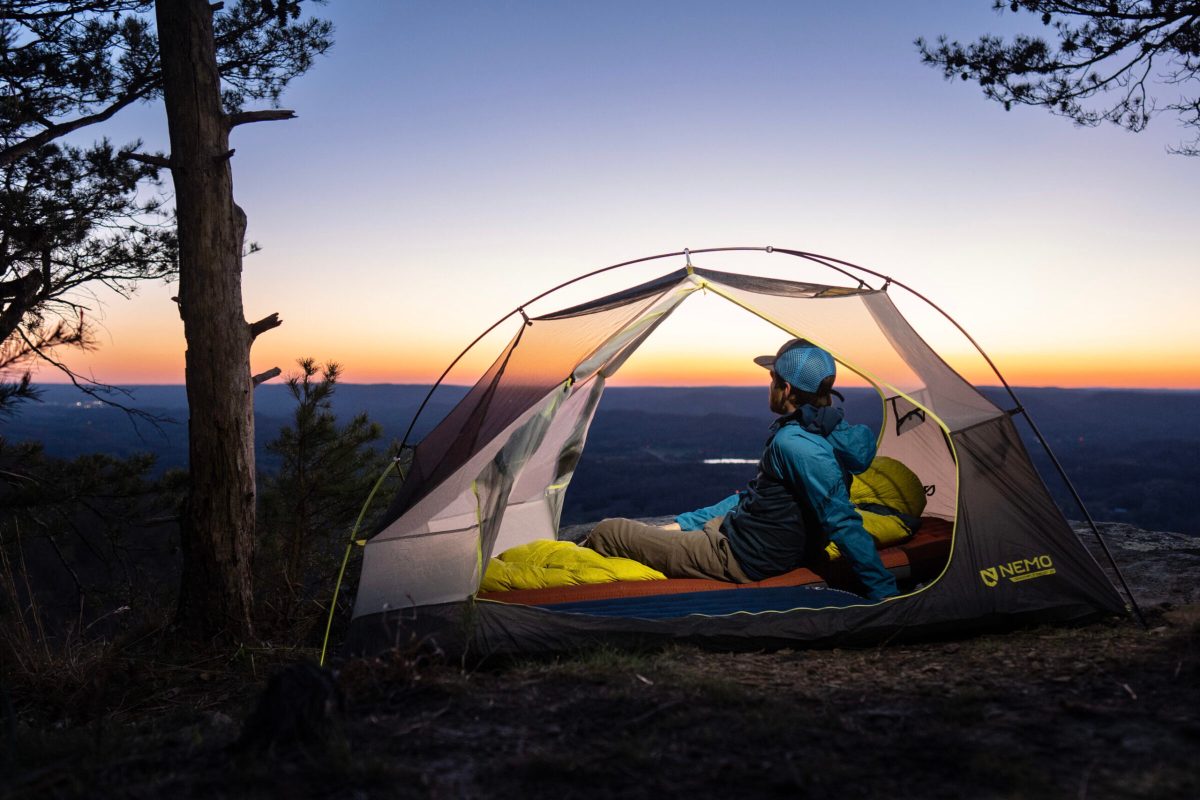
Standard sleeping pads are engineered in two primary length tiers: Regular (72 inches) and Long/Large (77–80 inches). While it is tempting to shave weight by selecting a shorter pad, any overhang of the feet or head results in direct contact with the ground, and can be a chilly night.
- The Silhouette: Be mindful of the taper. A mummy-shaped profile is designed to save weight, but the aggressive narrowing at the foot can drop to as little as 12 inches. This is often insufficient for active sleepers or those in cold environments who need their feet fully insulated.
- Two-Person Systems: Tandem pads offer a streamlined thermal environment by eliminating the cold gap between two separate mats. However, this is a logistics-heavy choice; we recommend a weight-sharing strategy where one partner carries the shelter while the other manages the volume of the double-wide mattress.
Determining Width: The 20″ vs. 25″ Difference
The width of your pad is the primary factor in preventing elbow-drop: a common disruption where your arms slide onto the cold floor as you relax.
- The 20-Inch Standard: Best suited for narrow-framed individuals or those prioritizing minimum pack volume. It requires a disciplined, centered sleeping position.
- The 25-Inch Wide Advantage: We recommend a 25-inch width for anyone with broad shoulders or those who tend to sleep with their arms away from their torso. This extra 5 inches of lateral support significantly increases the effective sleep surface and stability.
- Compatibility Check: Always verify your tent’s floor width at the head and foot. Many ultralight or trim two-person tents have a tapered floor that may not accommodate two 25-inch pads side-by-side.
Packed Size
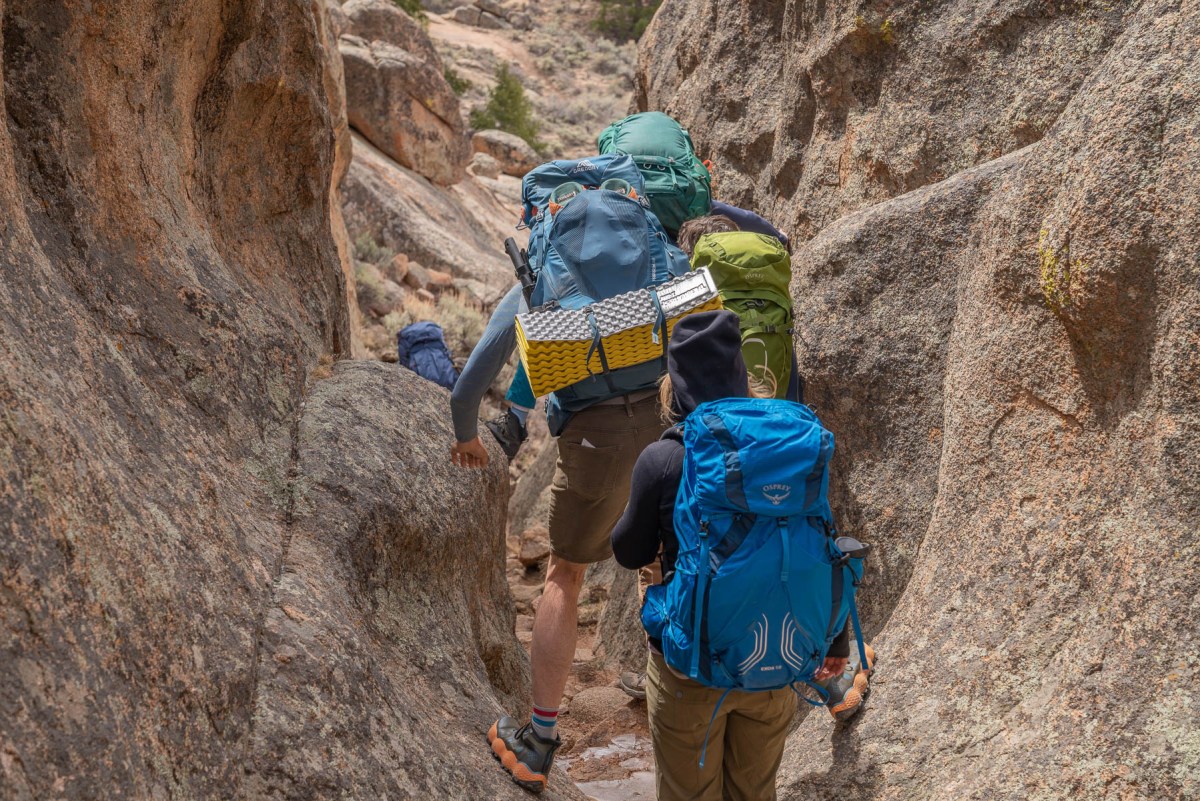
A pad’s packed size depends on construction, materials, and the amount of insulation. Air pads with minimal additional built-in insulation tend to pack down smaller than all other types of pads. Most air pads fit easily into a backpacking pack — some are no larger than a football.
Packed size can be an issue for foam and self-inflating pads. Once fully rolled, these pads can be quite cumbersome, and they often have to be carried on the outside of your backpacking backpack.
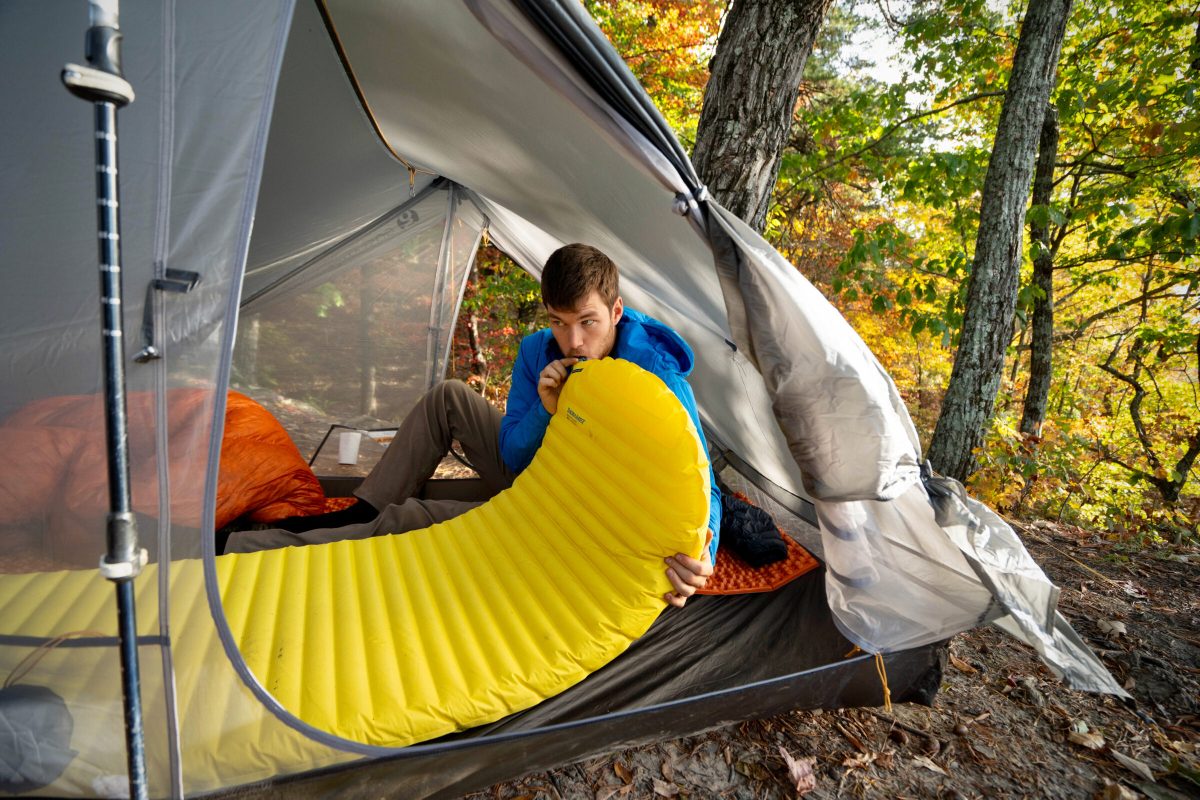
Valve Mechanics: Efficiency, Inflation, and Pressure Customization
While closed-cell foam pads are physically ready for use upon deployment, air-based systems rely entirely on the integrity and efficiency of their valve interface. Modern engineering has pivoted toward high-flow, low-profile designs that prioritize both durability and ease of operation in varied field conditions.
- Rapid Deflation Ports: Technical pads often include a dedicated dump port or a secondary valve stage. By bypassing the internal flap, these allow for near-instant air evacuation, which is essential for achieving the tight, low-volume roll-up required for efficient packing.
- Flat-Valve Architecture: The industry has largely moved away from traditional twist-and-pull nozzles in favor of flush-mounted flat valves. These sit level with the mattress surface, significantly reducing the risk of mechanical snags or accidental opening during the night.
- Weighted Micro-Adjustments: A critical feature of high-quality valves is the fine-tune bleed button. This allows you to release minute amounts of air while lying on the pad, letting you dial in the exact PSI needed to relieve pressure points without compromising the overall loft.
- Self-Inflation Mechanics: Hybrid mattresses utilize an open-cell foam core that acts as a vacuum when the valve is opened. While these are designed to expand autonomously, they typically reach only 80% capacity and require a few manual top-off breaths to achieve the firm support needed to prevent bottoming out.
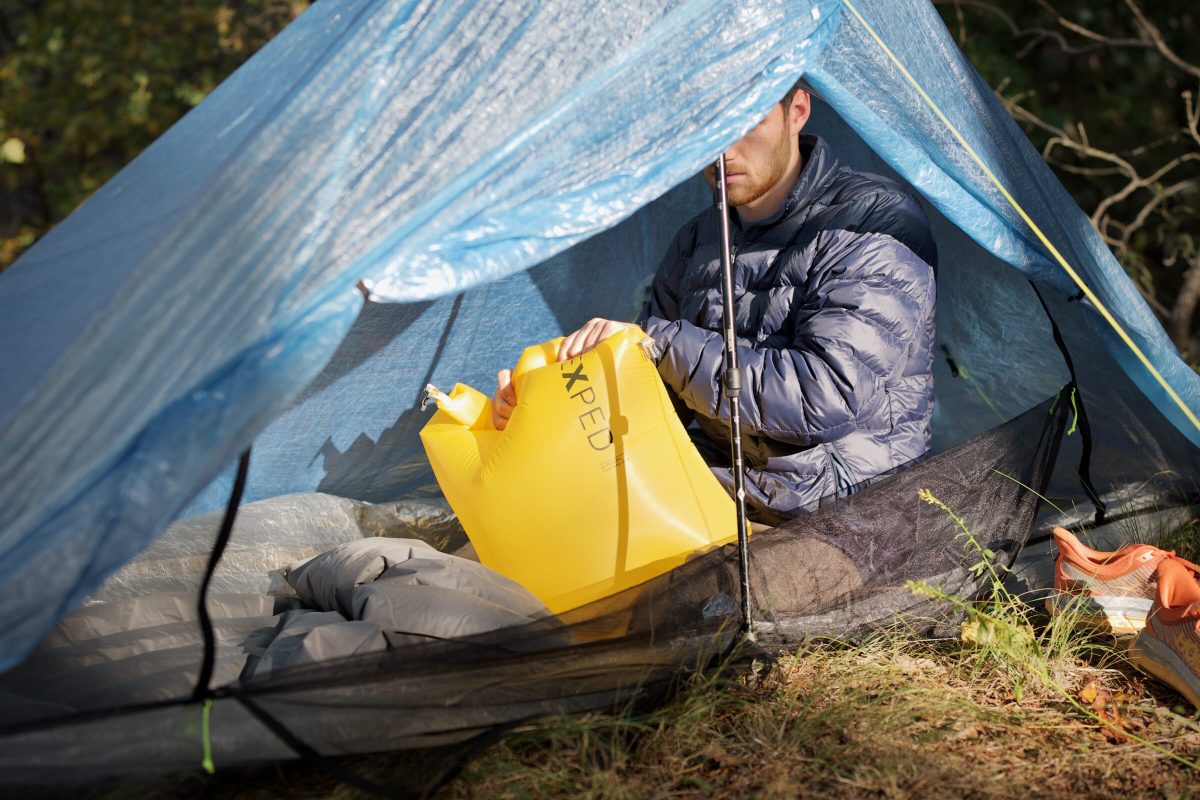
- Integrated Pump Sacks: These dual-purpose accessories (often doubling as stuff sacks or pillows) accelerate inflation and prevent internal moisture buildup, which can be a critical factor for preserving down-filled or high-R-value pads where condensation can compromise insulation or lead to mold.
Field Longevity: Assessing Material Denier
While a sleep system is an investment in comfort, its lifespan is dictated by the intersection of material science and field maintenance. Our testing indicates that while closed-cell foam is functionally indestructible, the longevity of inflatable systems depends on denier ratings and proactive site management.
Understanding Fabric Denier (D): The durability of an air pad’s shell is measured in denier, which indicates the linear mass density of the fibers.
- Heavy-Duty (50D – 80D): Often found on the floor side of premium pads or basecamp mattresses to guard against thorns and sharp granite.
- Ultralight (15D – 20D): Engineered for minimum weight, these fabrics are highly susceptible to punctures and require a disciplined setup.
- Standard/Utility (30D – 40D): The sweet spot for most backpackers, offering a balance of abrasion resistance and packability.
Caring For and Storing Sleeping Pads
Best practices for storing a pad depend on the type of pad you own. Self-inflating pads should be stored unrolled with the valve open to maintain their loft and insulation. Air pads can be stored rolled up, but always keep them in a stuff sack and make sure they are fully deflated.
For foam pad storage, avoid leaving heavy items on top of the pad. Also, if you store a foam pad rolled up, it may be difficult to get it to lay flat in the future, though the z-pad design prevents this.
While you are rolling your pad up in the morning, make sure to wipe any leaves, twigs, or dirt off your pad. Storing a tightly rolled pad with debris in it could cause small abrasions in the face fabric, and even holes in extreme cases, as the pad jostles around inside your backpack or car.
Also, using a pump sack to inflate your pad will help prolong its life, by reducing the amount of moisture buildup in the pad from your breath. If you can, try and use the often included pump sack to inflate your pad each night instead of your mouth.
Price & Value
What is the cost of a good night’s rest? While some can sleep soundly on a $40 foam mat, many adventurers find that investing in a thicker, technical pad is essential for recovery. Prioritizing sleep quality ensures you remain alert and capable, whether you’re crushing high-mileage days or summiting peaks. When evaluating cost, consider that higher price points typically buy you a better balance of weight, warmth, and packed volume.
Budget
The most affordable options are Closed-Cell Foam (CCF) pads, such as the NEMO Switchback ($60). These are functionally indestructible; while local wildlife might occasionally nibble the edges, they can never pop, ensuring you never wake up on the cold ground. For those transitioning to inflatables on a budget, the Klymit Static V ($50) offers superior packability and comfort over foam but features a lower R-value (1.3), making it best suited for warm-weather excursions.
Mid-Tier
Stepping into the mid-tier provides access to inflatable pads with significantly better insulation and refined textiles. Models like the Therm-a-Rest NeoAir
XLite ($210) or the Sea to Summit Pursuit ($149) incorporate synthetic lofting or hybrid foam to extend your season into the late fall. At this price, you also gain convenience features like pump sacks, which prevent moisture from your breath from entering the pad. Expect highly versatile designs that weigh between 15 and 24 ounces while offering R-values in the 3.0 to 4.0 range.
Premium
In the premium category, price increases as weight decreases. These pads utilize high-tenacity technical fabrics and complex internal truss systems to achieve elite warmth-to-weight ratios. For extreme environments, the NEMO Tensor Extreme Conditions ($250) pushes R-values up to 8.5 while remaining under a pound. Paying a premium allows you to opt for larger, rectangular silhouettes that accommodate active sleepers without a significant weight penalty.

Frequently Asked Questions
Comfort is technically defined by a mattress’s ability to provide pressure-point relief and lateral stability. While subjective, our field testing consistently gives the highest marks to pads with at least 3.5 to 4 inches of loft and a 3D vertical sidewall construction. These features allow the mattress to maintain a flat, stable sleeping surface from edge to edge, preventing the tippy sensation common in tapered designs. For maximum comfort, we prioritize hybrid models that incorporate a thin layer of open-cell foam or specialized grid-baffle architectures, as these designs dampen vibration and mimic the supportive feel of a residential mattress better than standard air-only chambers.
On the low end, lightweight air pads can be as little as 8 ounces. Heavy foam pads may weigh well over a pound. A four-season pad will contain more material and insulation, and a total weight between 12 and 18 ounces is normal.
To prevent bottoming out against the frozen ground, look for mattresses engineered with high-displacement baffle structures, which provide localized support rather than allowing air to shift away from high-pressure points. Additionally, side sleepers benefit most from rectangular silhouettes with vertical sidewalls, as these provide a wider effective sleep surface that prevents your knees or elbows from sliding off the insulation during the night. Currently, we suggest the Therm-a-Rest NeoLoft for most side sleepers.
The backpacking sleeping pad with the highest R-value currently on the market is the NEMO Tensor Extreme Conditions, which boasts an 8.5 R-value. This rating is achieved through a specialized internal architecture featuring four layers of suspended thermal mirror film. This design provides an elite level of thermal resistance specifically engineered for sub-zero temperatures and technical mountaineering.

Read the full article here
23 Comments
I like the balance sheet here—less leverage than peers.
Good point. Watching costs and grades closely.
Exploration results look promising, but permitting will be the key risk.
Good point. Watching costs and grades closely.
If AISC keeps dropping, this becomes investable for me.
Good point. Watching costs and grades closely.
Good point. Watching costs and grades closely.
Silver leverage is strong here; beta cuts both ways though.
Good point. Watching costs and grades closely.
Interesting update on The Best Backpacking Sleeping Pads of 2026. Curious how the grades will trend next quarter.
Good point. Watching costs and grades closely.
Good point. Watching costs and grades closely.
Uranium names keep pushing higher—supply still tight into 2026.
Good point. Watching costs and grades closely.
Good point. Watching costs and grades closely.
I like the balance sheet here—less leverage than peers.
Silver leverage is strong here; beta cuts both ways though.
Good point. Watching costs and grades closely.
Good point. Watching costs and grades closely.
Uranium names keep pushing higher—supply still tight into 2026.
Good point. Watching costs and grades closely.
Production mix shifting toward Tactical & Survival might help margins if metals stay firm.
Good point. Watching costs and grades closely.