

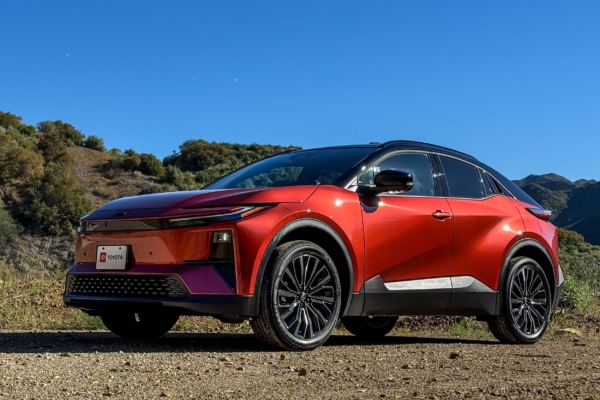
Just as I pass the outskirts of town, I peg the accelerator. Both electric motors immediately engage and force me against the seatback. The C-HR charges forward with the pull of a Porsche and the smoothness of a bullet train. Moments later, I momentarily see triple-digit speeds. Whoa!
This is not your father’s C-HR.
Or, perhaps, your older siblings’ C-HR. After all, Toyota introduced us to the last C-HR in Los Angeles in 2016, ahead of its 2018 model year debut, which ended after 2022. That cute, but wheezy sub-compact crossover rocked all of 144 horsepower.
This one? More. Returning in 2026 on a new platform as a battery electric vehicle, the C-HR transformed into a completely different animal.
Seemingly a bit late to the party, Toyota now appears laser-focused on producing EVs. In addition to the bZ and this C-HR, I just reviewed the bZ Woodland and took a first look at the just-introduced BEV Highlander. Given this new direction, I happily hopped to Ojai, Calif., and grabbed the keys for a test drive. How does C-HR styling pair with a bZ platform? I needed to find out.
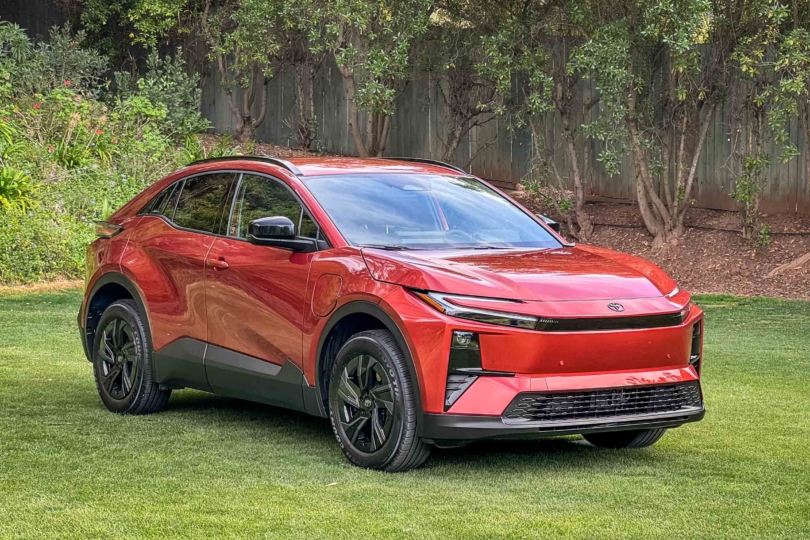
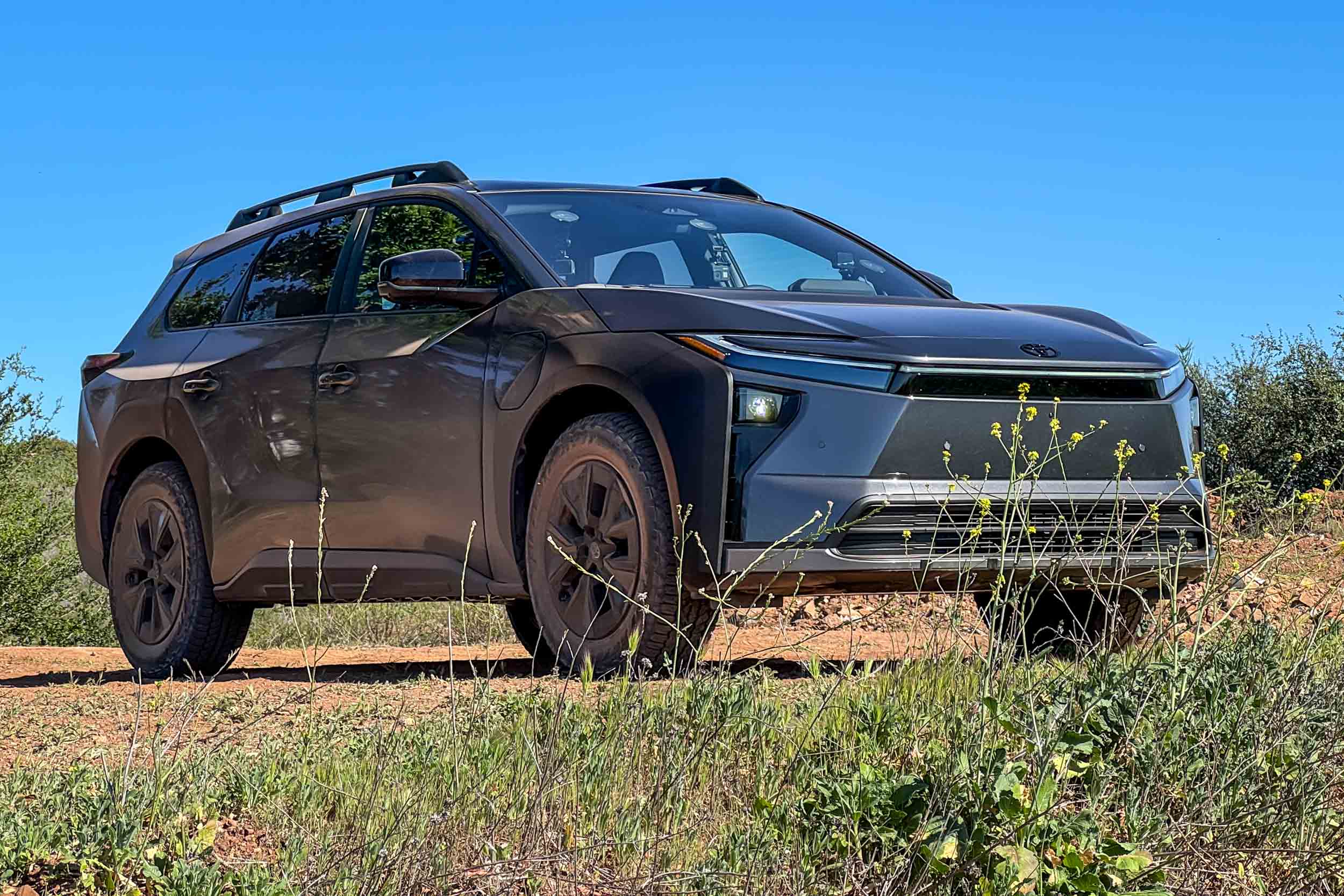
In short: Toyota designers executed well, capturing the funky styling of the 2018 C-HR while using bZ proportions. You also sit in a well-laid-out interior, showcased by a nice and large 14-inch center display. Losing 6.7 inches in length, however, costs passengers sitting in the second row’s considerable space. Not for families then, but otherwise a perfectly comfortable, pleasant, and stylish cruiser with respectable driving range, standard all-wheel-drive, and mad power. Toyota even kept the cost reasonable.
2026 Toyota C-HR
-
Vehicle:
5-door, 5-seat, crossover SUV -
Dimensions:
177.9’ L x 73.6” W x 63.8” H, 108.3” wheelbase -
Cargo area (behind 2nd/1st rows):
25.3/59.5 cu.-ft. -
Motors/Battery:
2 electric motors, one per axle/74.7 kWh lithium-ion -
Power:
338 hp, 323 lb.-ft. -
Transmission/Driven wheels:
single-speed drive down gears/all-wheel-drive -
Charging:
DC fast (150 kW): 10-80% in 30 min. AC Level 2: 10-100%: 7.0 hrs. -
MSRP:
$38,450 (includes $1,450 destination charge), $41,550 (as tested)
Pros
-
Laugh-out-loud quick in a straight line
-
Standard all-wheel-drive
-
2 wireless smartphone chargers up front
-
Pleasantly large cargo area
Cons
-
Suspension not quite ready to enjoy your favorite back roads
-
Second row gets pinched
-
Digital instrument cluster should grow
-
Under 300 miles of range
2026 Toyota C-HR Review
bZ Glammed Up
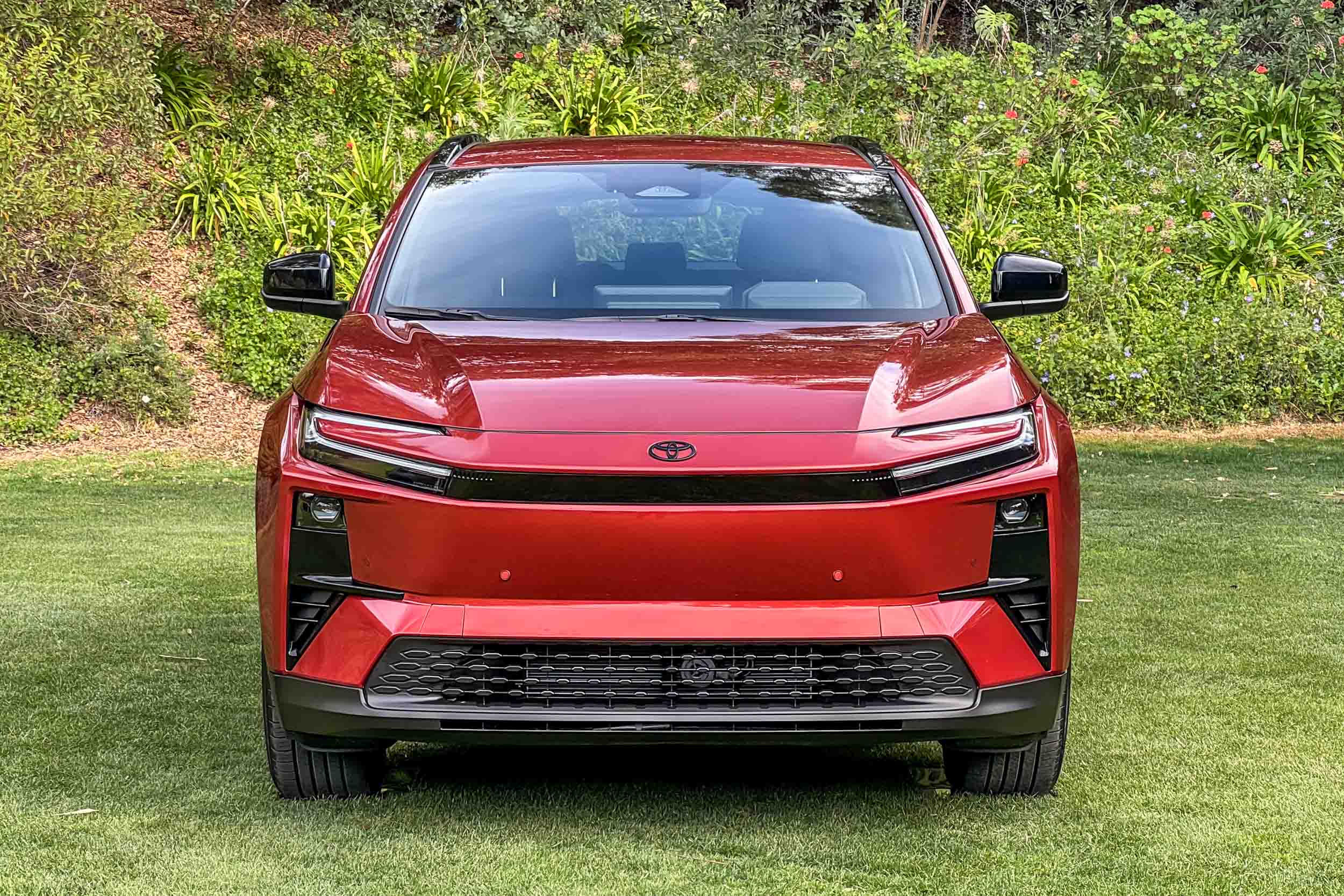
To give the C-HR back to the North American market, Toyota effectively took a bZ, changed the styling and the name. By the way, since the C-HR never left some regions in the world and still exists as an internal combustion and/or hybrid-powered machine, those places call this one the C-HR+.
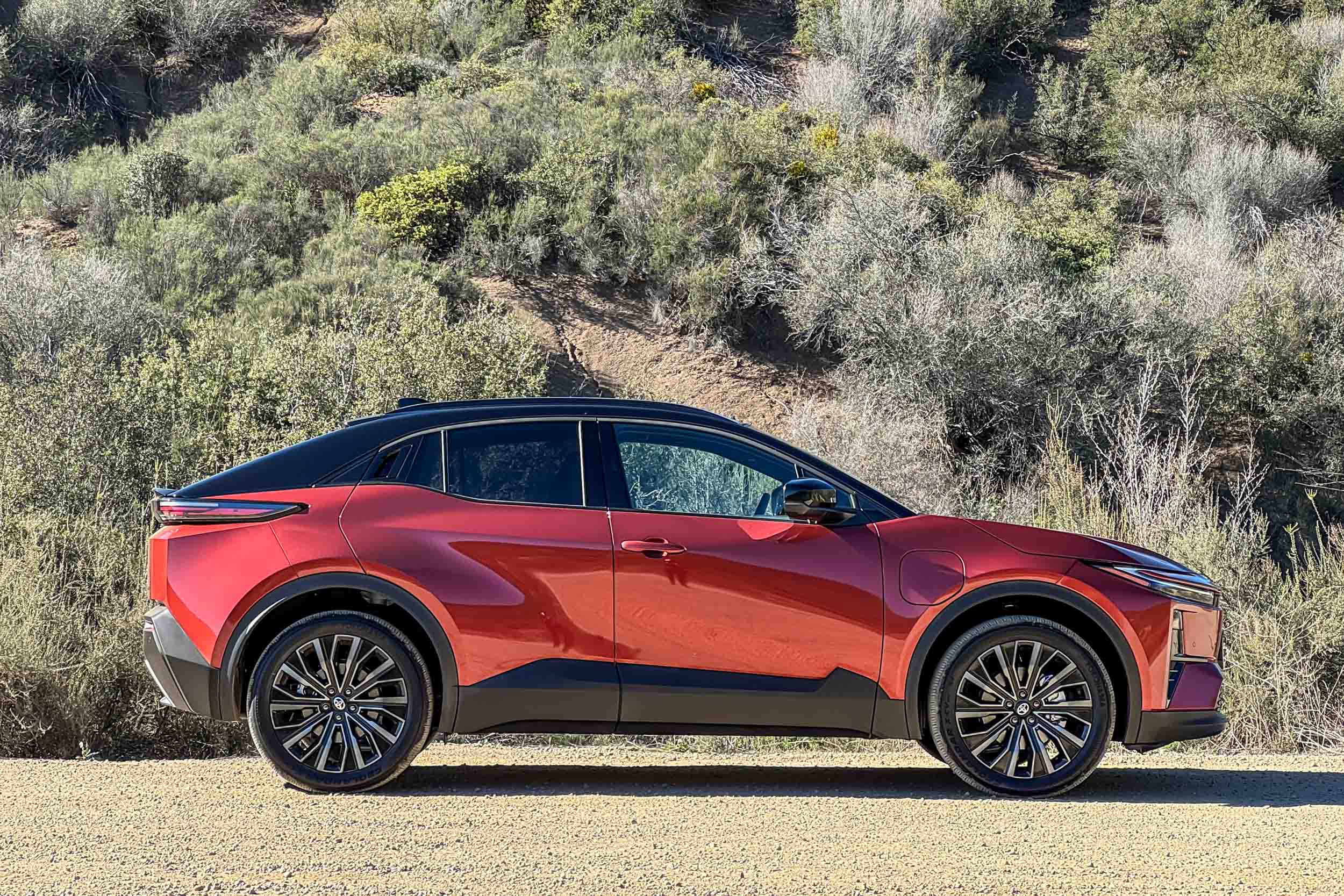
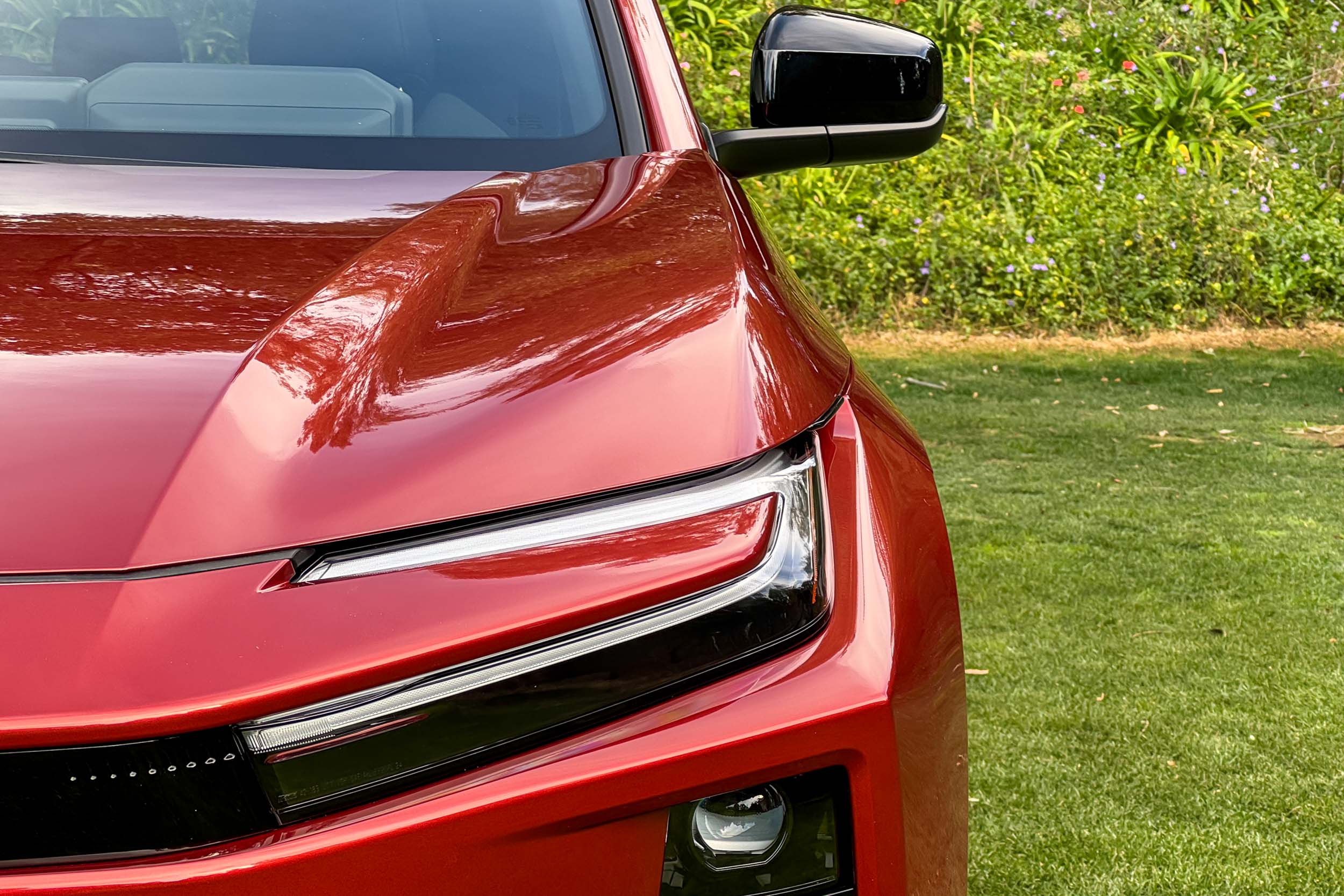
Measuring 6.7 inches shorter than the bZ with a 3.9-inch shorter wheelbase, the C-HR also shaves 1.2 inches off the top of the bZ and adds 0.4 inches in width. Its ground clearance drops by 0.2 to 8.0 inches, as well. That’s still a healthy amount larger than the outgoing C-HR in every dimension. And while the front looks very bZ, including the full LED headlights, the rest of the shape looks distinctly C-HR.
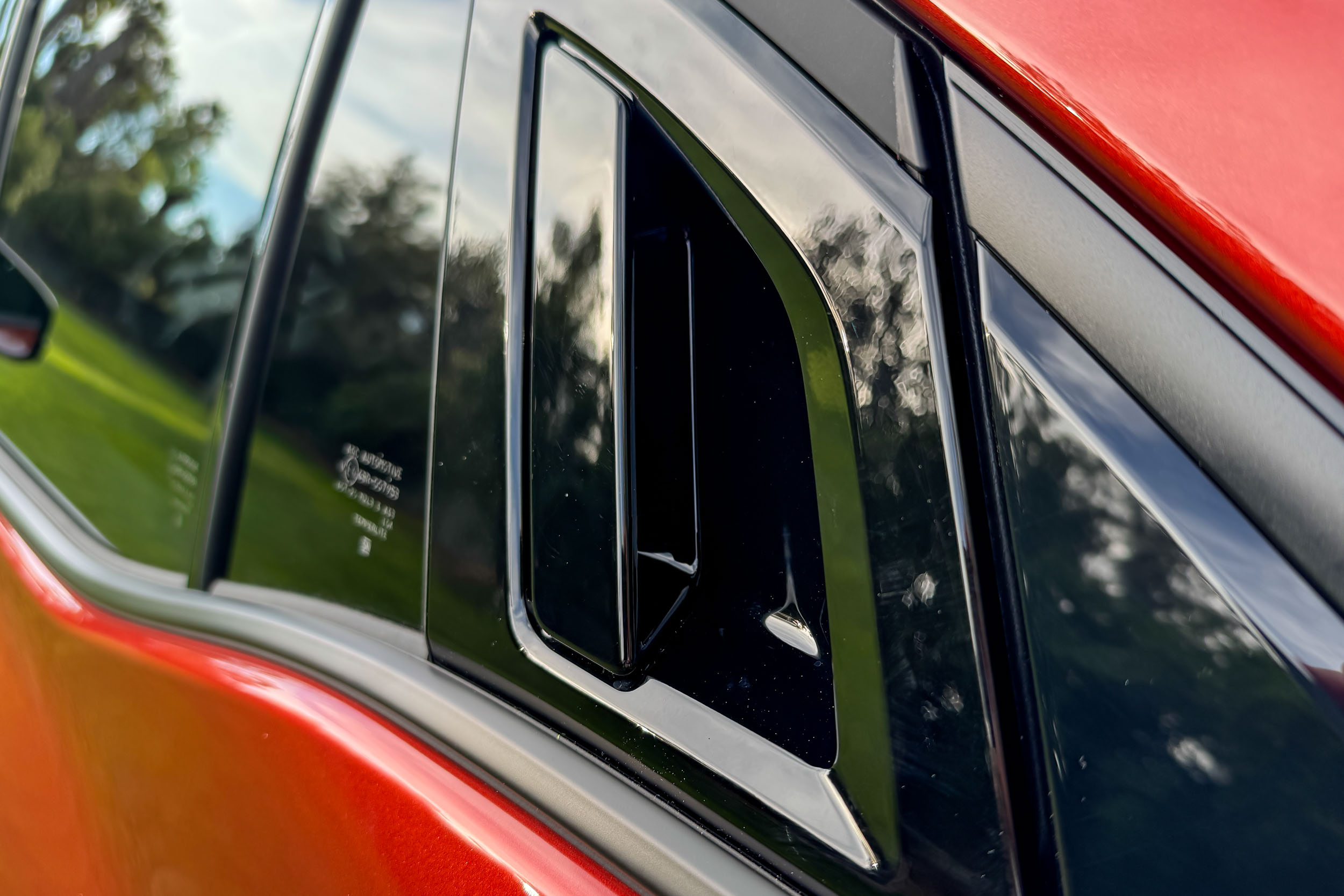
The clearest signal is the C-pillar-mounted second-row door handles and the more hatchback proportions.
Strangely, Toyota left much of the cargo space intact when compared to its big brother. You get 25.3 cubic feet with the second row up, nearly 60 cubic feet with the seats folded, quite close to the bZ.
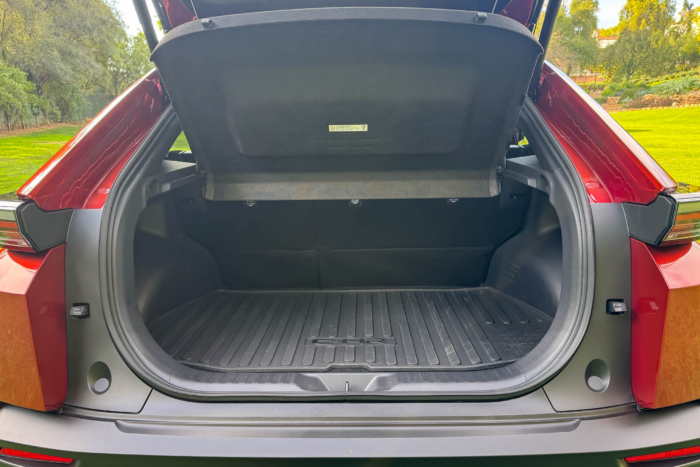
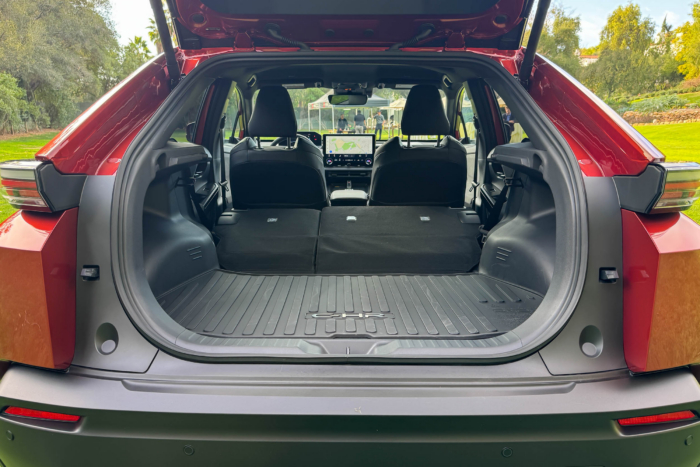
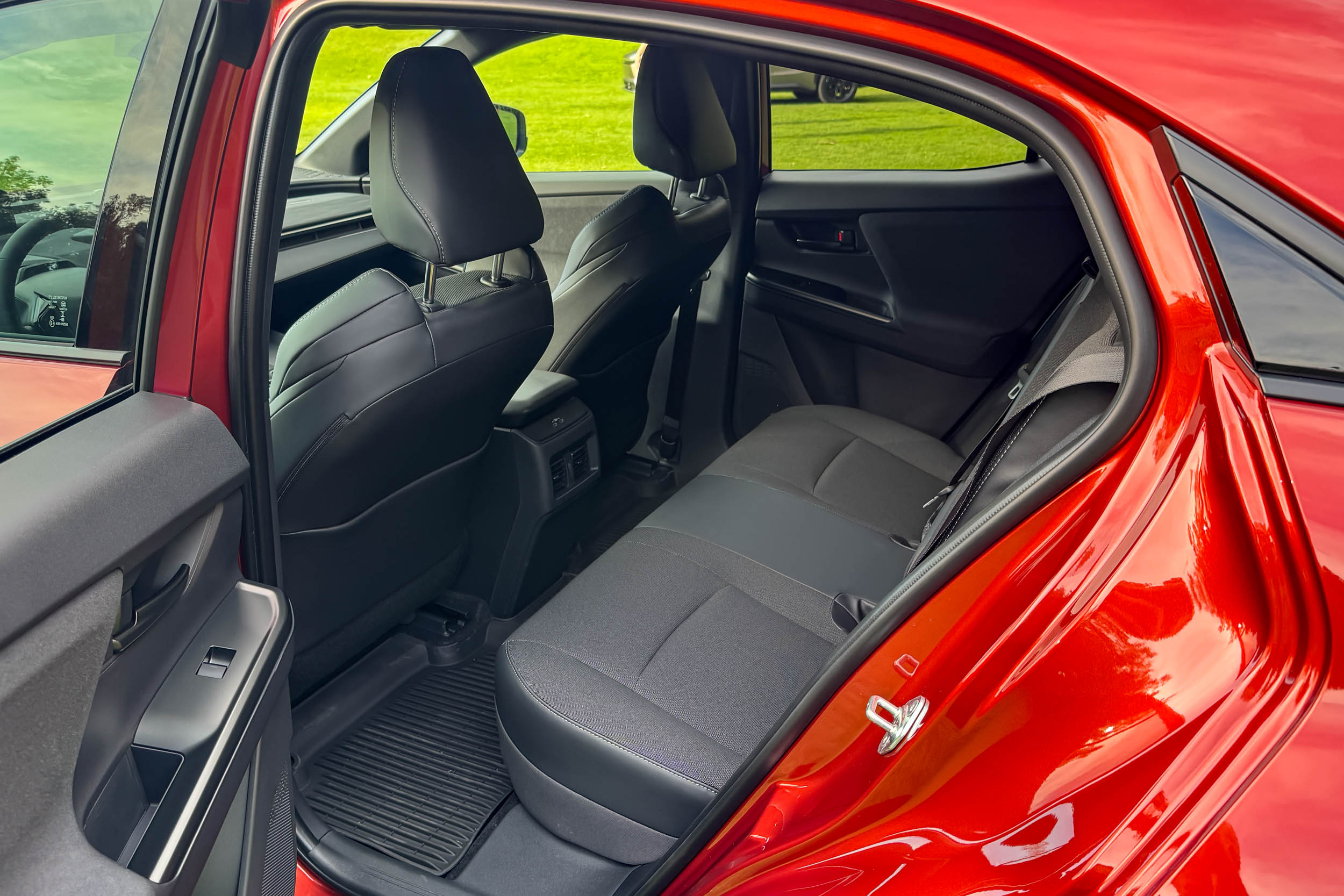
And access to it comes via a standard power liftgate. Unfortunately, with a smaller crossover, that means second-row passengers get pinched. Any adult will plead for 15-minute trips or less back there.
2 Flavors
For 2026, Toyota offers two versions of the BEV C-HR: SE and XSE. Both get the same powertrain and chassis. Other than the X on the badges, the only obvious clue outside comes from 20-inch wheels for XSE, SE trims ride on 18s. And that gives the SE the superior ride, too.
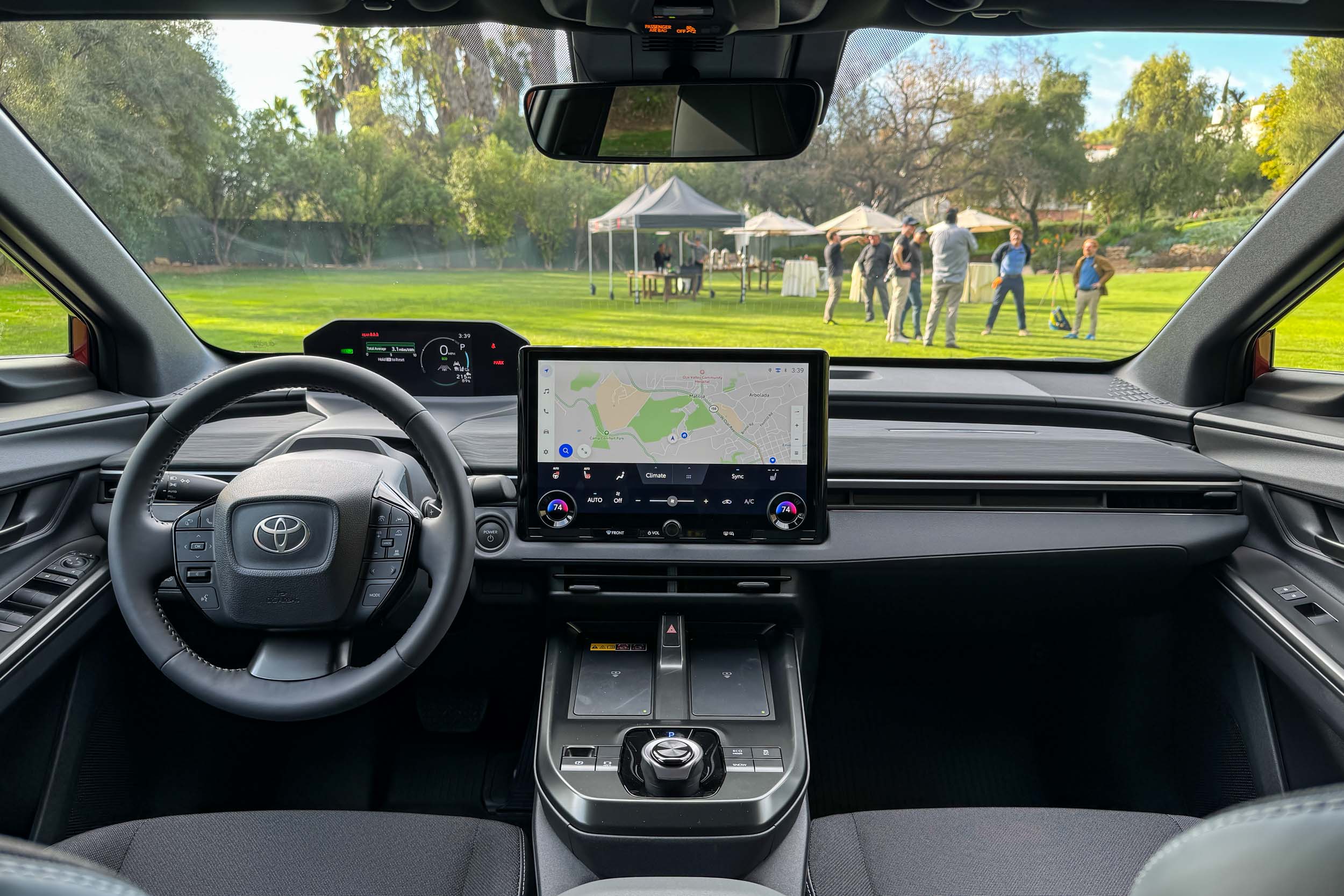
Inside, the XSE adds luxury, but Toyota, mercifully, equipped the base trim well. You get heated front seats and a heated steering wheel to keep warm. That’s in addition to the fully digital, though rather small, 7.0-inch digital instrument cluster and quite large 14.0-inch center display.
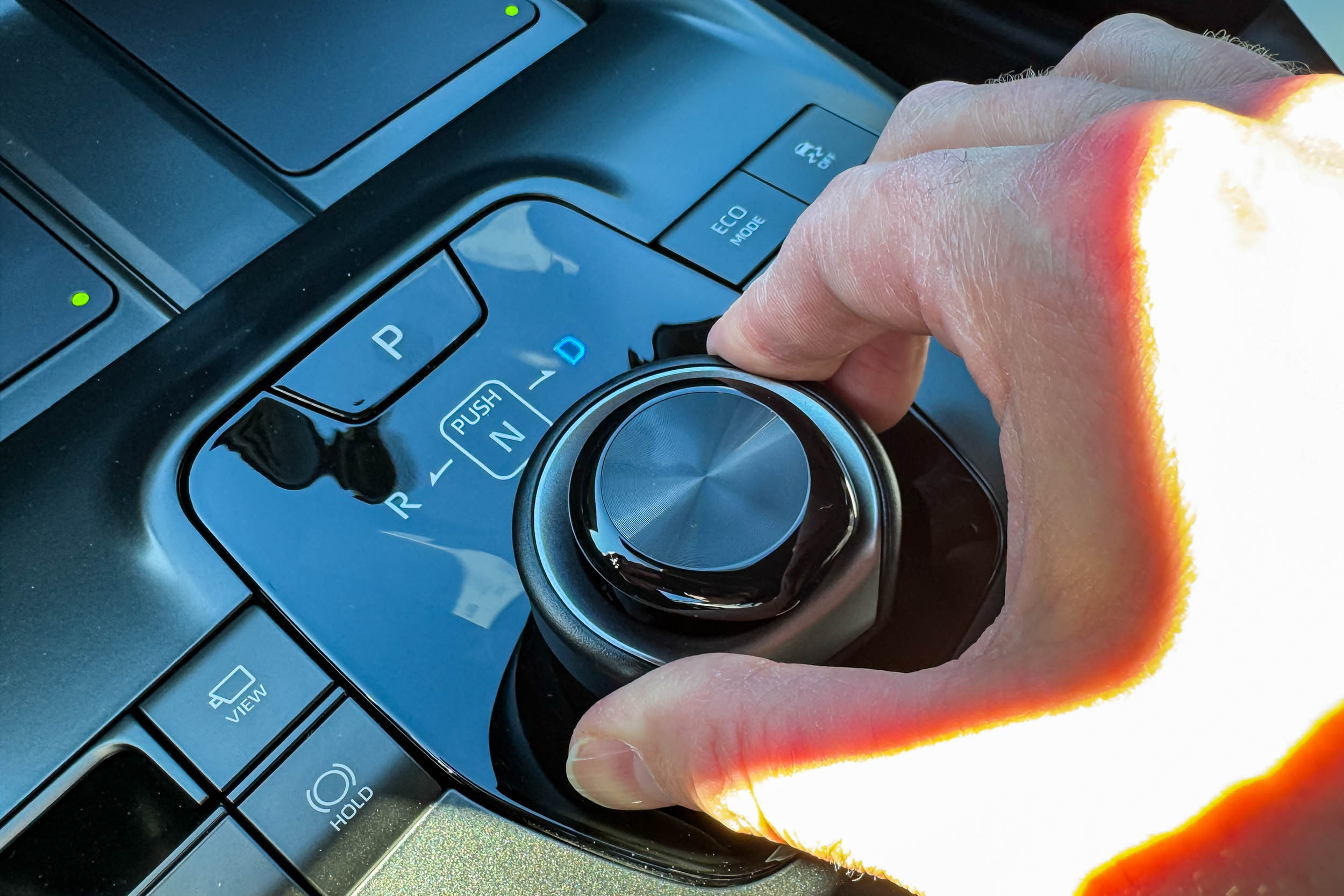
The latter, of course, includes wireless Apple CarPlay and Android Auto. It also includes two wireless smartphone chargers, nestled on either side of the rotary dial shifter.
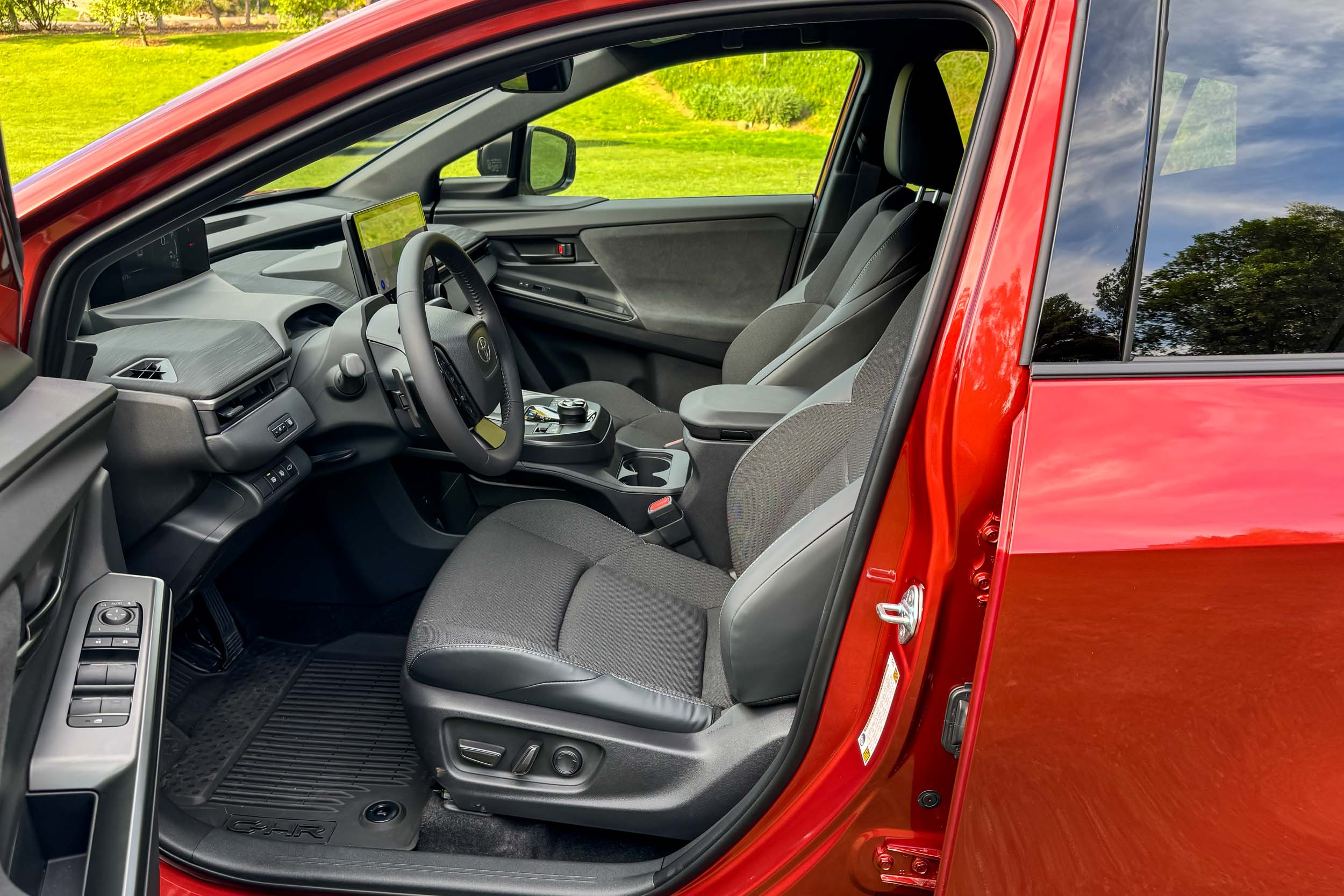
The seats proved comfortable for my time in the car, as well. Providing nice cushioning and support. Toyota upholstered them in SofTex material. Fine. If you go with the XSE, Toyota adds synthetic suede inserts. But again, every C-HR includes rain-sensing wipers. Nice touch.
Aside from the 20s, XSE models add the ability to get heated second-row seats (except for the middle seat), though they’re still optional and part of the $450 cold-weather package. The same is true for the panoramic roof; it’s an extra $1,000. And for the nine-speaker JBL sound system, you need $600 more for that. You do get blind-spot monitoring standard on XSE, though.
My XSE test car included all of the above as well as a two-tone paint (Tandoori with a black roof) that cost $500. Altogether, going XSE adds $2,000 to the price and the options, another $2,550.
Straight-Line Fury
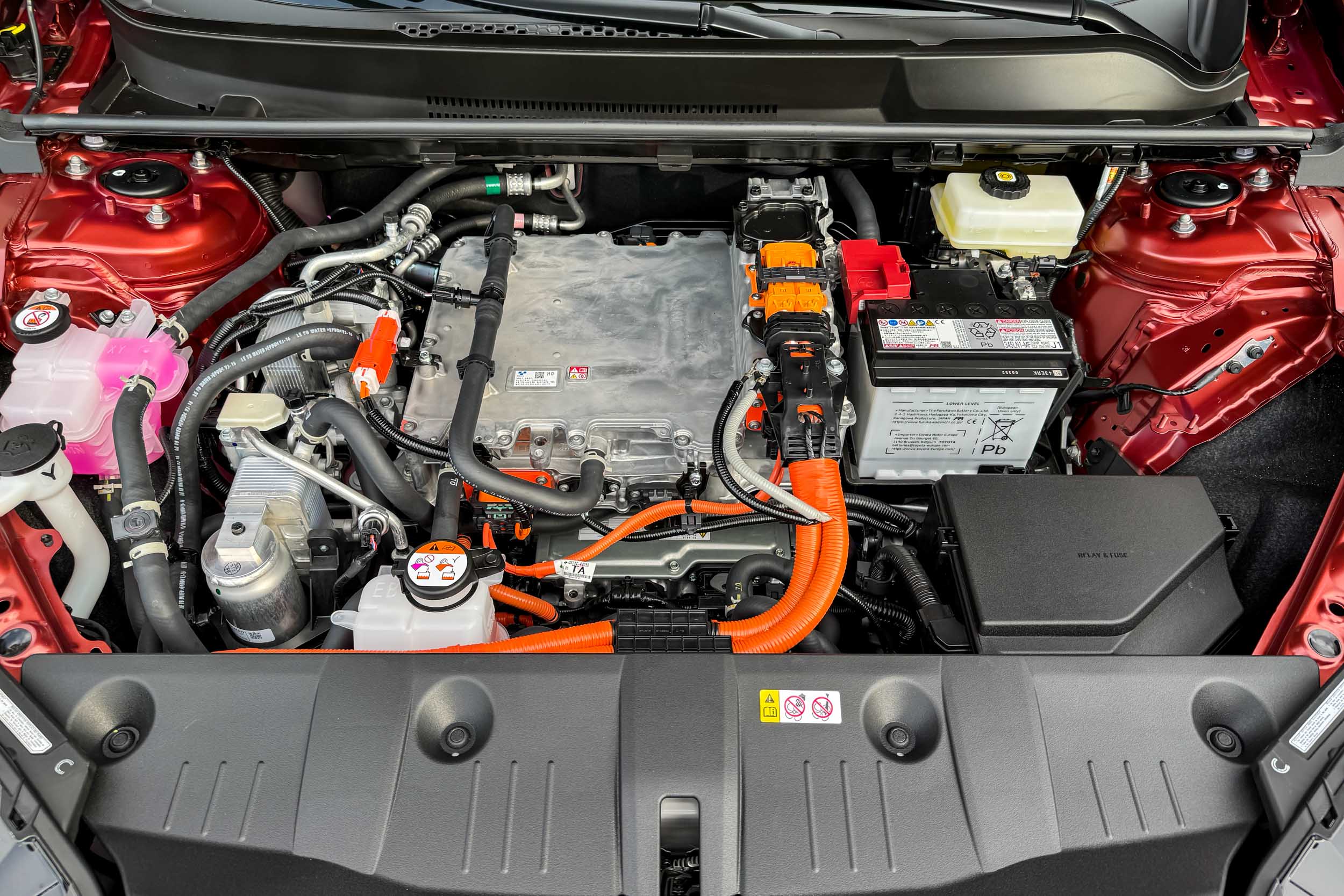
Unlike the bZ, Toyota equipped the C-HR with exactly one powertrain, the best one. Two electric motors, one for each axle, for all-wheel drive, and the larger 74.7 kWh battery pack. To add a touch of continuity between old and new, the more powerful motor drives the front axle, on its own delivering as much as 224 horsepower and 198 pound-feet of torque. The rear axle still holds its own, though, getting 117 horsepower and 125 pound-feet to play with.
Unfortunately, the battery pack cannot quite deliver the juice necessary to give the motors full power at the same time, but man, it gets close. You get a 338 peak horsepower to play with, not 341 (the two power peaks added together). You can add the torque figures, though, for 323 pound-feet.
That exactly matches the top bZ powertrain and absolutely obliterates the original C-HR, which last came to the U.S. in 2022. That poor thing made do with 144 horsepower and 139 pound-feet of torque. Not to mention a CVT to deliver that power, instead of the immediate delivery of electric motors and single-speed drive down gears.
In the C-HR, Toyota built a bottle rocket with seats. If you start from rest and punch it, all four wheels claw at the pavement and launch you into the stratosphere. 60 mph goes by in 4.9 seconds with no gear changes to even briefly relent from the strong acceleration. I first hit it while already cruising at 40 mph or so and saw triple-digit speeds before I knew it.
My mind couldn’t fully detach from what C-HR is “supposed” to mean. As a result, I was so surprised at the pull that I laughed out loud. After all, I love speed!
Time for a Charge
That kind of foot-to-the-firewall fun will likely keep it from reaching the official 287 miles of driving range in SE versions of the C-HR. The larger wheel of the XSE drops the range to 273 miles — decent numbers in today’s market, but certainly not groundbreaking. Despite brands like Hyundai offering 800V systems, Toyota stuck with 400 V for its 74.7 kWh lithium-ion battery pack.
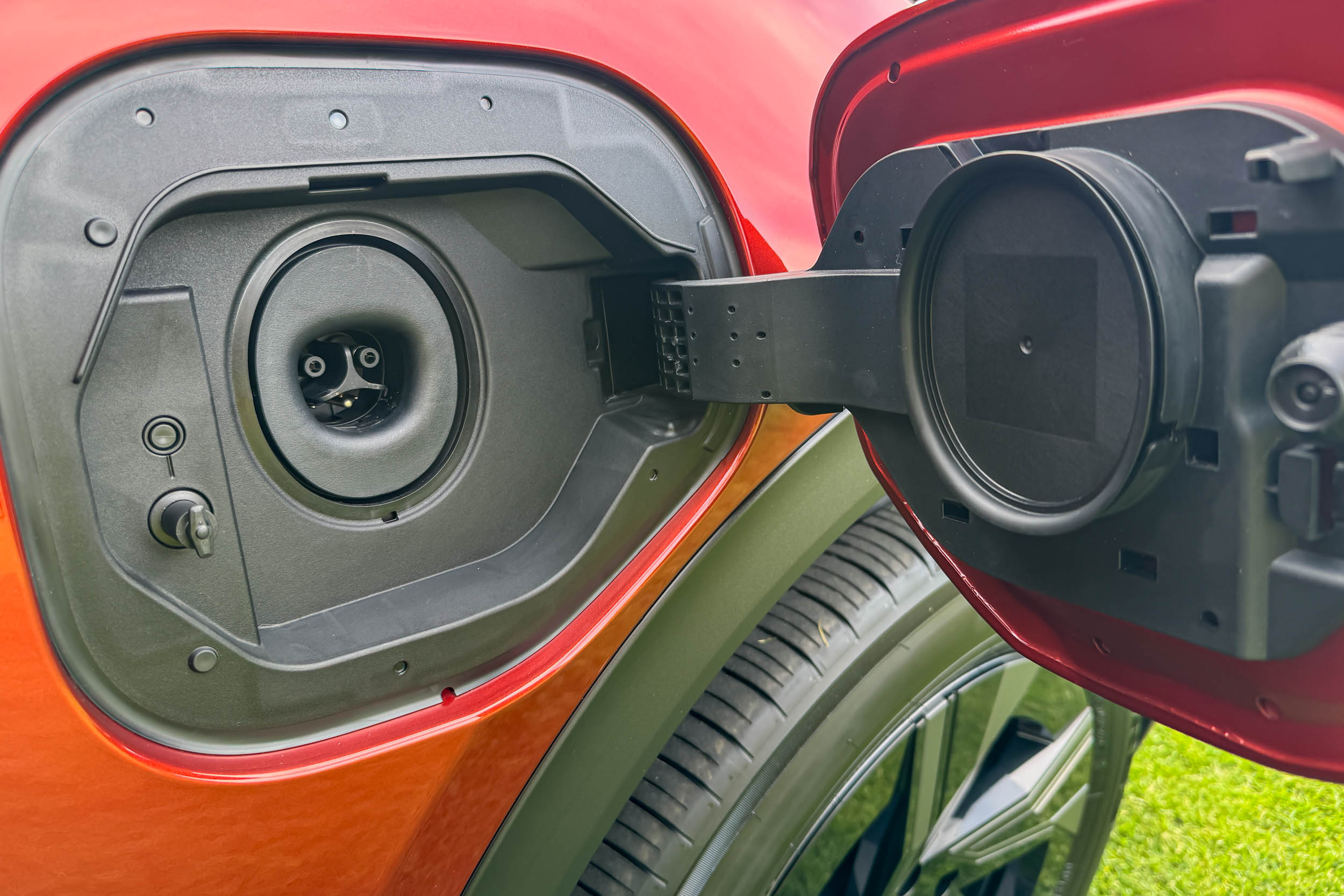
If you need a quick charge, plan ahead. Toyota says it can handle up to 150 kW of power, which takes 30 minutes to charge to 80% if you start at 10%. On the plus side, the C-HR includes the Tesla-style NACS port for charging purposes. Also, when plugged into a level 2 charger at home, you only need 7 hours to fully recharge a depleted battery — an easy plug-in overnight number.
On the Road
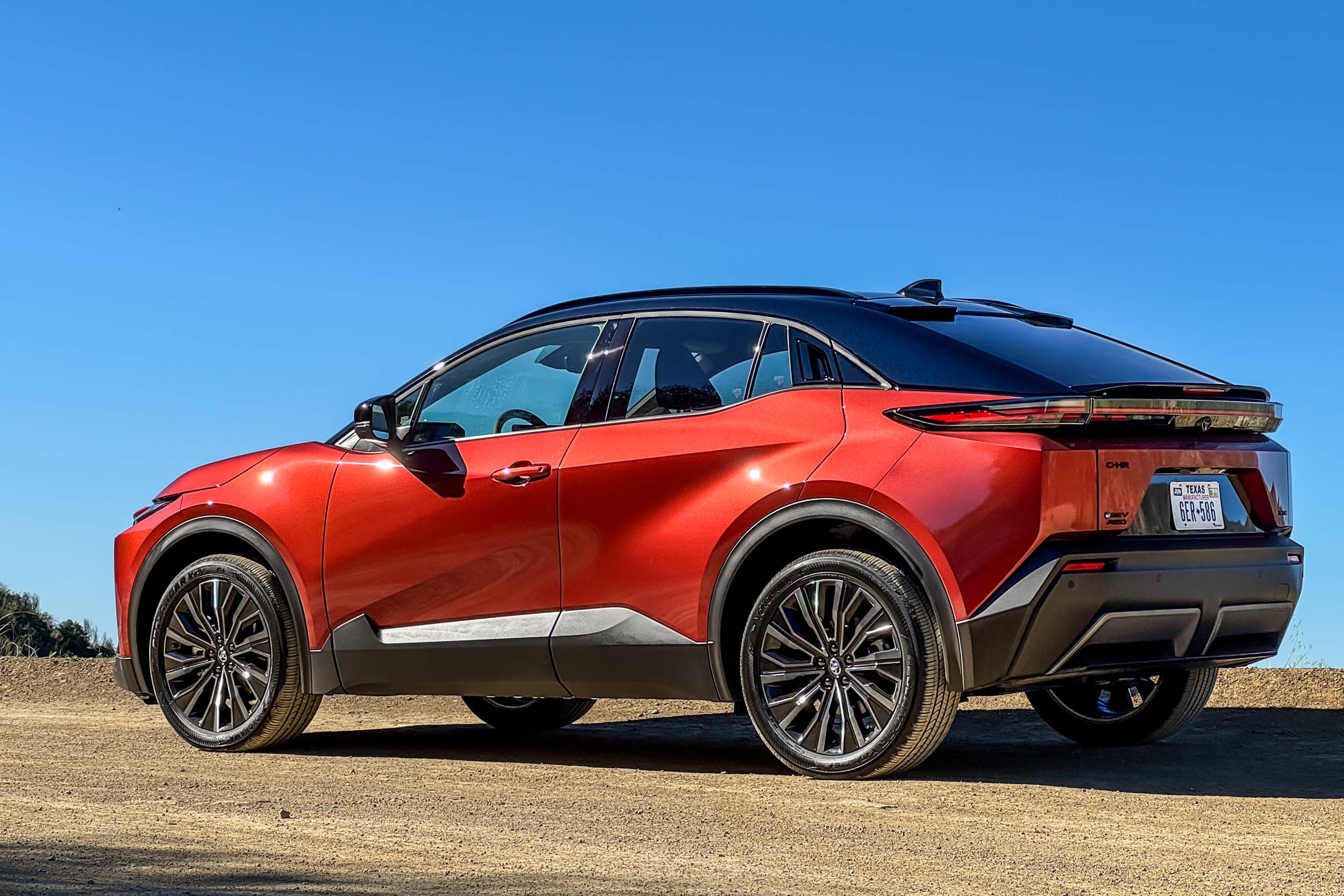
I got the chance to poke around an SE trim sitting on a nice patch of grass. But all of my time behind the wheel came in an XSE. That meant 20-inch wheels combined with the strut front and multi-link rear suspension to control the body and absorb bumps in and around Ojai, Calif.
Fortunately, Toyota tuned the suspension such that it rode perfectly pleasantly, handling all of life’s imperfections stress-free. Yet, when the going got twisty, the body stayed reasonably level. The heavy and very low-to-the-ground battery pack certainly helped. But — again — my brain came prewired to expect the old C-HR. Not this. So, I — again — cracked a smile.
Bear in mind, even though we have hot-hatch proportions here, it’s no hot hatch in terms of handling performance or fun. But it gets way closer than I expected. Outside of Ojai, the going gets very twisty. I found myself on one of California’s great canyon roads, screeching tires and bombing down straights like I’m in a Mercedes-AMG.
Chuck it into a corner with real ferocity, and you will wash out the front-end with copious understeer. But dial it back one level, and I’ll be damned if this C-HR didn’t react to my inputs with respect and dutifully darted from one apex to the next.
I felt little from the steering, but the chassis communicated with my backside well enough to understand the C-HR’s limits. And the C-HR’s limits approached hot hatch-ish levels.
No, I do not recommend this as your fun weekend car. But yes — absolutely, yes — if you stumble on a fun road, the C-HR will entertain.
2026 Toyota C-HR Review: Summary
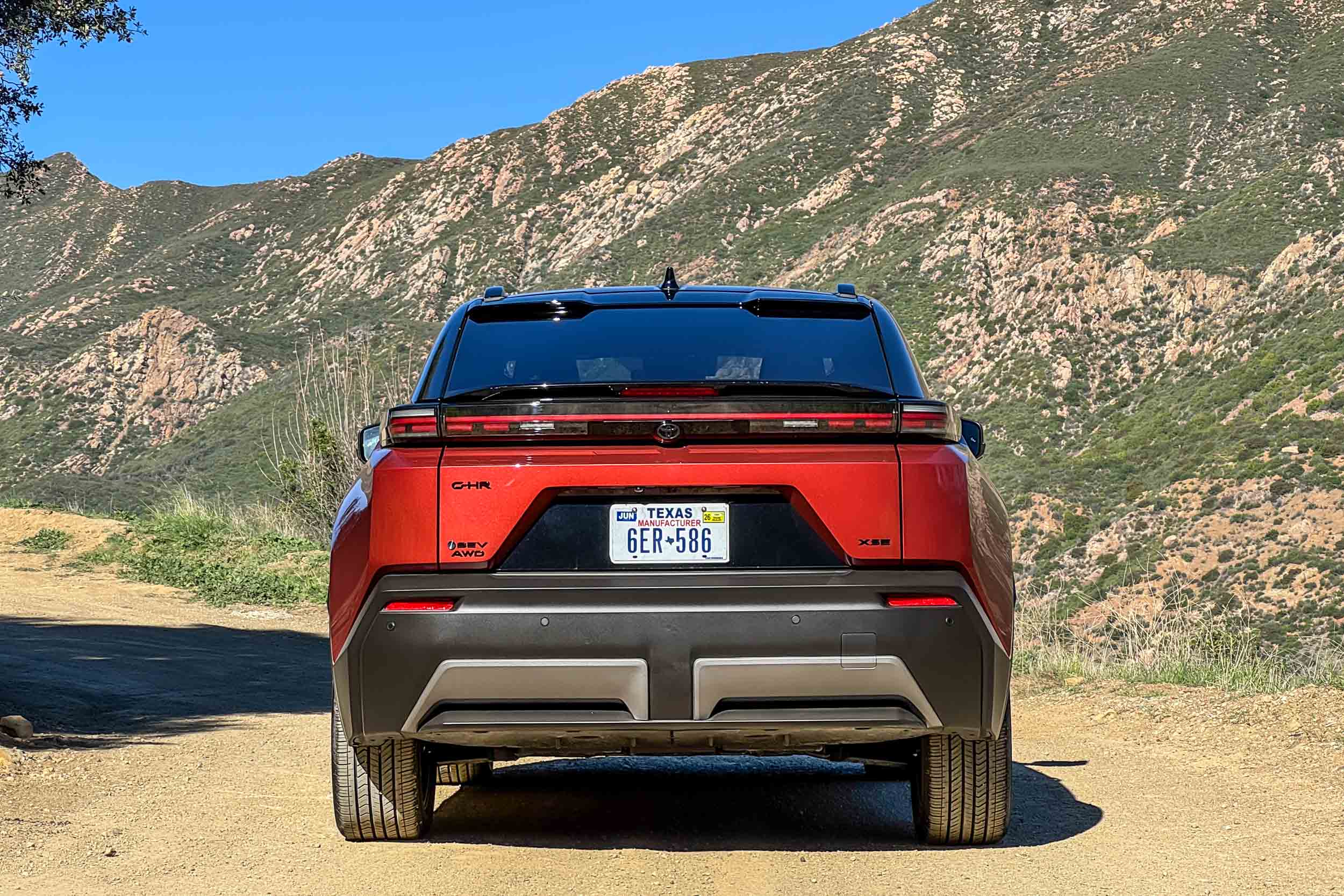
Expect to start seeing the C-HR arrive at dealers in March. When they arrive, Toyota will ask for at least $38,450 (including the $1,450 destination charge) to leave the lot with one. If you prefer the level-up XSE, add two grand to the figure.
It’s a shame that Toyota cramps the second row’s style so much for that money. On the other hand, considering its size, price, performance, and cargo space, it makes a lot more sense to think of it as a hatchback, not a crossover.
With that in mind, if you don’t need to carry any more than one adult at a time, but like space for things like a mountain bike in back, the C-HR works. And while I wouldn’t think of it as a road trip car, I would like to never need to stop for gas around town … ever.
It also looks nice. If you’re young or young at heart, the C-HR makes the thought of switching to a BEV a palatable one. Maybe even one that will crack a smile or two.
Read the full article here
34 Comments
Production mix shifting toward Tactical & Survival might help margins if metals stay firm.
The cost guidance is better than expected. If they deliver, the stock could rerate.
Good point. Watching costs and grades closely.
Production mix shifting toward Tactical & Survival might help margins if metals stay firm.
Good point. Watching costs and grades closely.
Good point. Watching costs and grades closely.
Uranium names keep pushing higher—supply still tight into 2026.
Good point. Watching costs and grades closely.
Good point. Watching costs and grades closely.
Exploration results look promising, but permitting will be the key risk.
Silver leverage is strong here; beta cuts both ways though.
Production mix shifting toward Tactical & Survival might help margins if metals stay firm.
Good point. Watching costs and grades closely.
Nice to see insider buying—usually a good signal in this space.
Good point. Watching costs and grades closely.
Good point. Watching costs and grades closely.
Uranium names keep pushing higher—supply still tight into 2026.
Good point. Watching costs and grades closely.
Good point. Watching costs and grades closely.
Interesting update on The Sequel That’s Better Than the Original: 2026 Toyota C-HR Review. Curious how the grades will trend next quarter.
If AISC keeps dropping, this becomes investable for me.
Good point. Watching costs and grades closely.
Good point. Watching costs and grades closely.
If AISC keeps dropping, this becomes investable for me.
Good point. Watching costs and grades closely.
Production mix shifting toward Tactical & Survival might help margins if metals stay firm.
I like the balance sheet here—less leverage than peers.
Good point. Watching costs and grades closely.
Uranium names keep pushing higher—supply still tight into 2026.
I like the balance sheet here—less leverage than peers.
Good point. Watching costs and grades closely.
I like the balance sheet here—less leverage than peers.
Interesting update on The Sequel That’s Better Than the Original: 2026 Toyota C-HR Review. Curious how the grades will trend next quarter.
I like the balance sheet here—less leverage than peers.