

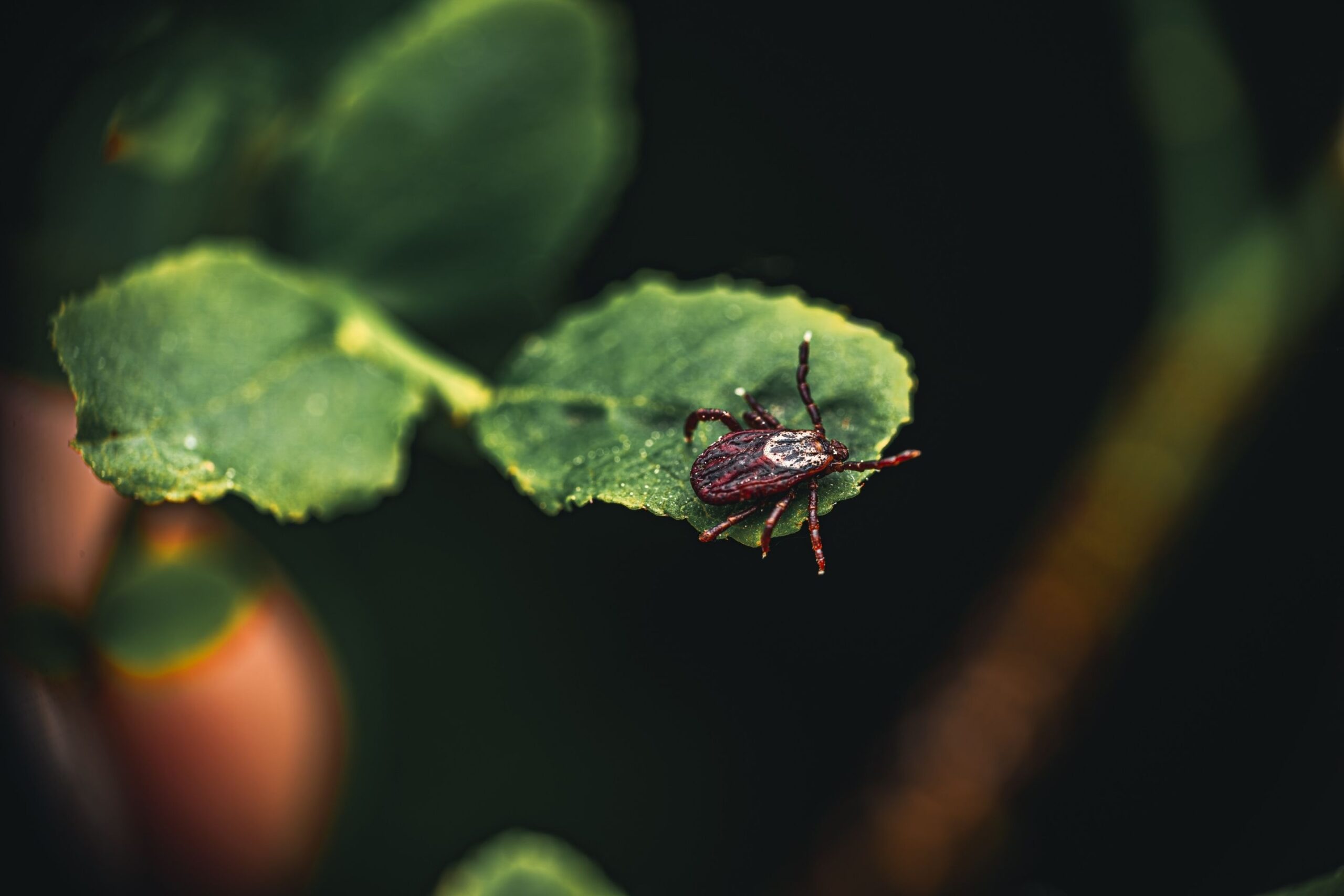
Ticks have always been one of the most annoying parts of going outside. It doesn’t take much for one to attach, and these pests can cause life-threatening illnesses. Unfortunately, things are going from bad to worse: New studies show that ticks are becoming more widespread and causing potentially more severe diseases.
Distribution
If you’ve been in the outdoors recently, it might feel like ticks are everywhere, and you’re not wrong. In April, the Centers for Disease Control (CDC) reported that hospital visits for tick bites in 2026 had spiked far above average. In almost every region of the U.S., weekly rates of E.R. visits for ticks were the highest since 2017.
Scientists believe part of the reason for this increase is that tick season begins earlier. Typically, peak season for ticks runs from April to September, but climate change is producing milder winters. This means more ticks survive the cold, come out earlier, and stay around longer.
Their geographic scope is also widening. A 2024 study shows that the Lone Star and Gulf Coast ticks are expanding beyond their namesake areas further north. An invasive species of tick, the Asian longhorned tick, was first found in New Jersey, but now has spread as far south as North Carolina.
According to a 2024 scientific study, dying predator populations and timber harvests (which produce more foraging areas for deer) have also helped the population of white-tailed deer, a main vector for ticks, to boom. More deer mean more ticks.
New Bacteria
There have also been several recent cases of scientists discovering ticks carrying more dangerous bacteria. According to a CDC report, in 2025, a New York resident contracted an unusual, more severe subset of Lyme Disease caused by the bacterium Borrelia mayoniim.
Before this case, the bacteria had only been reported in Wisconsin and Minnesota. Scientists believe that the ticks came from local squirrels or mice, rather than hosts being introduced from the Midwest.
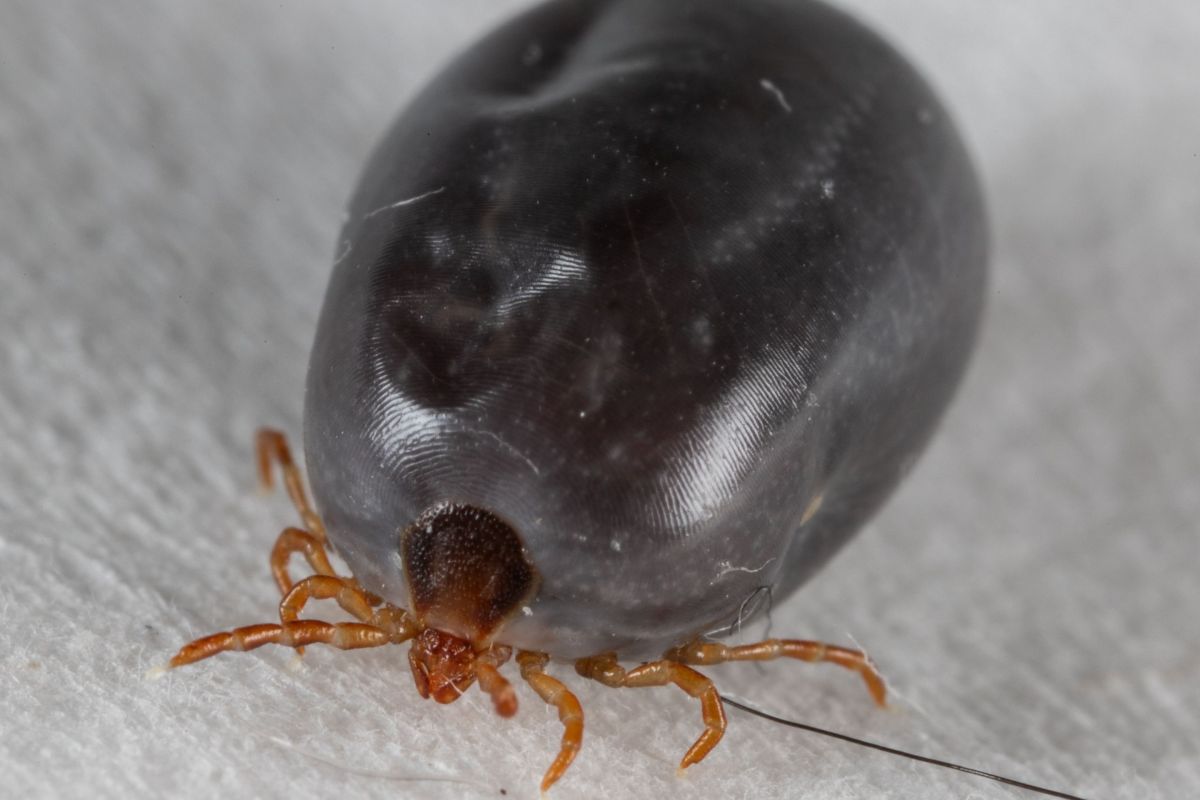
Another incident took place on the West Coast. The California Department of Public Health reported that a state resident had been infected with the Rickettsia lanei bacteria, which causes a more serious version of Rocky Mountain spotted fever. It was only the fourth human infection recorded.
Researchers concluded that the Pacific Coast Tick (Dermacentor occidentalis) was likely the carrier of the pathogen. This kind of tick is found across the West Coast, from Mexico to Oregon.
In both cases, scientists emphasized the importance of researching and tracking ticks and tick-borne illnesses. “Continued entomological, molecular, and human tick-borne disease surveillance is critical for understanding the distribution and public health significance of emerging tick-borne pathogens,” the CDC said.
Those venturing into the outdoors can take several steps to protect themselves from ticks. Wear long pants, use insect repellent that contains 20% DEET, and be sure to thoroughly inspect yourself after going outside.
Read the full article here
38 Comments
The cost guidance is better than expected. If they deliver, the stock could rerate.
Interesting update on Ticks Are Becoming More Widespread and More Dangerous. Curious how the grades will trend next quarter.
Good point. Watching costs and grades closely.
Good point. Watching costs and grades closely.
I like the balance sheet here—less leverage than peers.
Good point. Watching costs and grades closely.
Good point. Watching costs and grades closely.
Interesting update on Ticks Are Becoming More Widespread and More Dangerous. Curious how the grades will trend next quarter.
Good point. Watching costs and grades closely.
If AISC keeps dropping, this becomes investable for me.
Good point. Watching costs and grades closely.
Good point. Watching costs and grades closely.
I like the balance sheet here—less leverage than peers.
Interesting update on Ticks Are Becoming More Widespread and More Dangerous. Curious how the grades will trend next quarter.
Good point. Watching costs and grades closely.
Nice to see insider buying—usually a good signal in this space.
Good point. Watching costs and grades closely.
Good point. Watching costs and grades closely.
I like the balance sheet here—less leverage than peers.
Good point. Watching costs and grades closely.
Nice to see insider buying—usually a good signal in this space.
I like the balance sheet here—less leverage than peers.
Good point. Watching costs and grades closely.
Good point. Watching costs and grades closely.
Nice to see insider buying—usually a good signal in this space.
Good point. Watching costs and grades closely.
Good point. Watching costs and grades closely.
The cost guidance is better than expected. If they deliver, the stock could rerate.
Good point. Watching costs and grades closely.
Good point. Watching costs and grades closely.
If AISC keeps dropping, this becomes investable for me.
Good point. Watching costs and grades closely.
Exploration results look promising, but permitting will be the key risk.
Exploration results look promising, but permitting will be the key risk.
If AISC keeps dropping, this becomes investable for me.
Exploration results look promising, but permitting will be the key risk.
Good point. Watching costs and grades closely.
I like the balance sheet here—less leverage than peers.