

The National Park Service (NPS) is often referred to as “America’s best idea.” Poll after poll shows that Americans across the political spectrum love national parks. Theodore Roosevelt is a beloved president, in part, because of his association with the parks.
During a recent visit to Yosemite during peak season, however, I observed a wide gulf between people’s feelings and their actions. Visitors may think that the NPS is one of the country’s crown jewels, but they are treating it like a garbage can.
Since NPS data has confirmed for years that Yosemite is experiencing large crowds, I saw my visit to the park in late July as an opportunity instead to garner a firsthand account of visitor behavior, and see the possible effects of high visitation numbers on the landscape and park infrastructure.
I was shocked by what I saw.
Rule-Breaking in Yosemite
Trash
First off, no one is perfect. Even if you do your absolute best to follow Leave No Trace (LNT) ethics, accidents happen. For example, dropping a granola bar wrapper on the ground without noticing, or digging a cat hole 5 inches deep, instead of 6. We’re all human; we mess up. What matters is that we try our best to minimize our impact on nature as much as possible.
However, that was not happening in Yosemite. One egregious pearl-clutching moment came when I saw people picnic on trail, and leave their plastic bags. Picking up trash takes so little effort, yet these people did not bother.
Wildlife
You can only walk about 5 feet in Yosemite Valley before you see a sign warning you not to feed, touch, or approach wild animals. And when I stayed in a tent at Curry Village, the staff at check-in reminded me of this in five different ways, and made me sign a piece of paper saying I would pledge to follow proper wildlife policy.
And still, when I stepped out of the check-in office, I saw a mother urging her daughter to try to kiss a squirrel for a photo op. Multiple times, children chased after or tried to feed squirrels, chipmunks, and birds.
Of course, the burden falls on the parent and not the child, but parents seemed to do nothing, sometimes even encouraging the behavior. Even if you didn’t care about the well-being of wildlife, why would you want your daughter to put her mouth on a squirrel, of all creatures?
Trails
Trails presented another issue. Staying on established footpaths is important because it helps protect plants and prevent erosion. On a hike in a meadow, I saw two people hop a fence over a sign warning that that part of the trail was closed for native plant restoration. They didn’t seem to care.
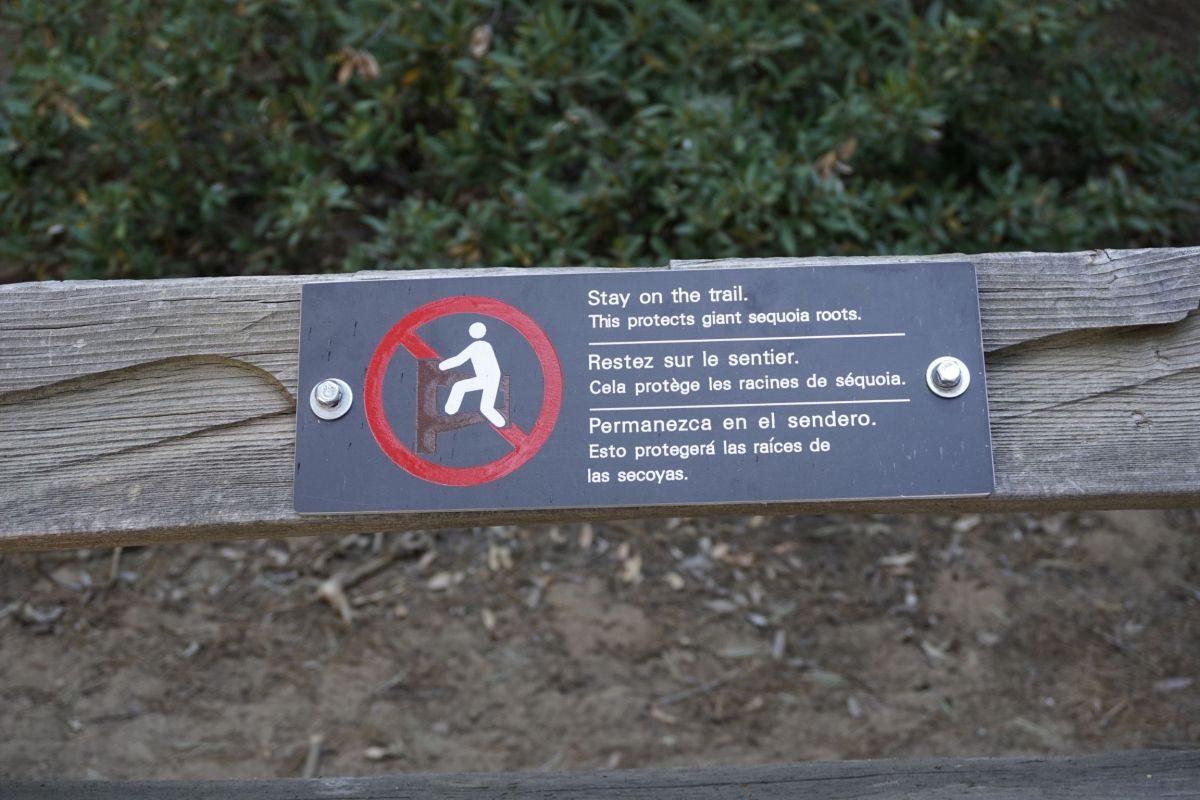
This isn’t a question of people being outdoor novices and being unaware. The sheer abundance of signage about wildlife and trails makes them impossible to miss. I couldn’t help but feel like people just didn’t believe the rules applied to them.
Road Safety
Things were just as bad on the roads. People parked in front of clear “no parking” and “fire lane” signs. I had to slam my brakes on a busy road to avoid hitting a car after it stopped suddenly to take a picture of El Capitan.
I even saw a man run into the middle of a two-lane road, hail down one of the free park shuttles, and then talk to the driver out of the window to ask for directions. He blocked traffic in both directions, delayed the shuttle, and very easily could have been hit by a car.
Facilities
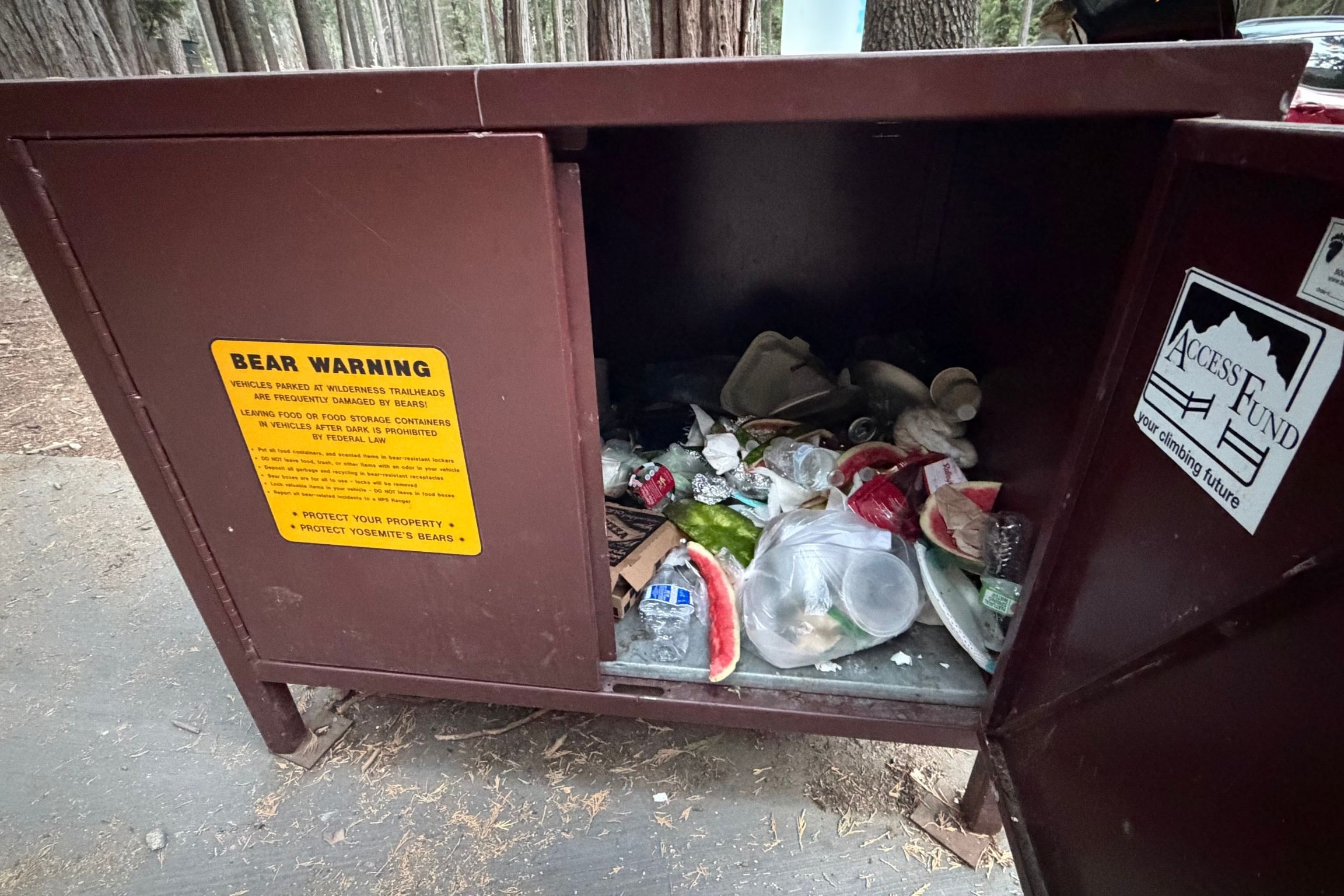
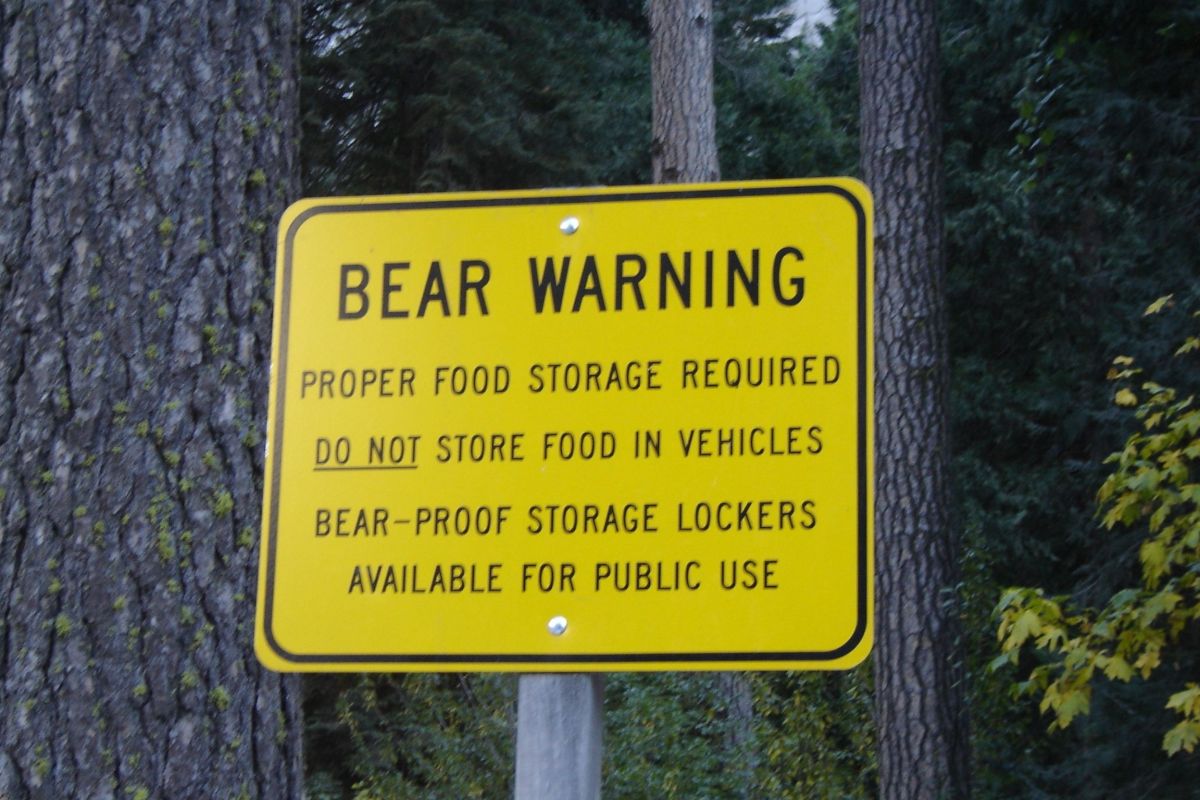
At almost every trailhead in the park, you’ll find bear-proof containers you’re supposed to use to store your food, since bears can damage cars to get to human food. These boxes are free to use and open to everyone. One morning before a hike, I opened one — and immediately gagged. A noxious scent emerged: a pile of dog poop, half-eaten watermelons, hot dog packs, and other trash had been dumped in the boxes.
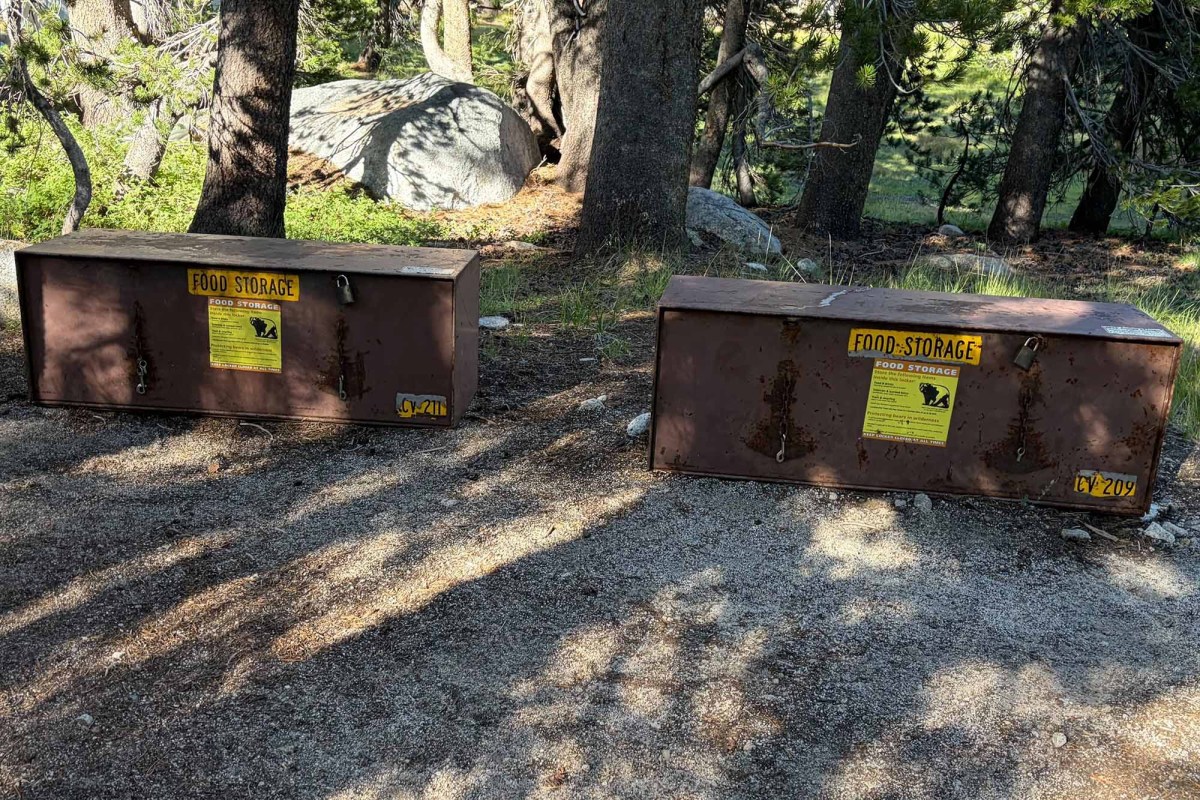
I checked another bear box, and it was also chock-full of garbage. It’s not for lack of trash bins; there were multiple trash receptacles just a few feet away. I assume folks saw a large metal container and automatically thought “trash.” But the garbage, recycling, and bear boxes are very clearly marked.
And of course, a similar picture emerged from the bathrooms. People had discarded soda cans and food containers, leaving mounds of ants to have a field day. Obviously, no trailhead bathroom is ever truly “clean.” They’re usually grimy and almost always smelly, but this was a different level of filth.
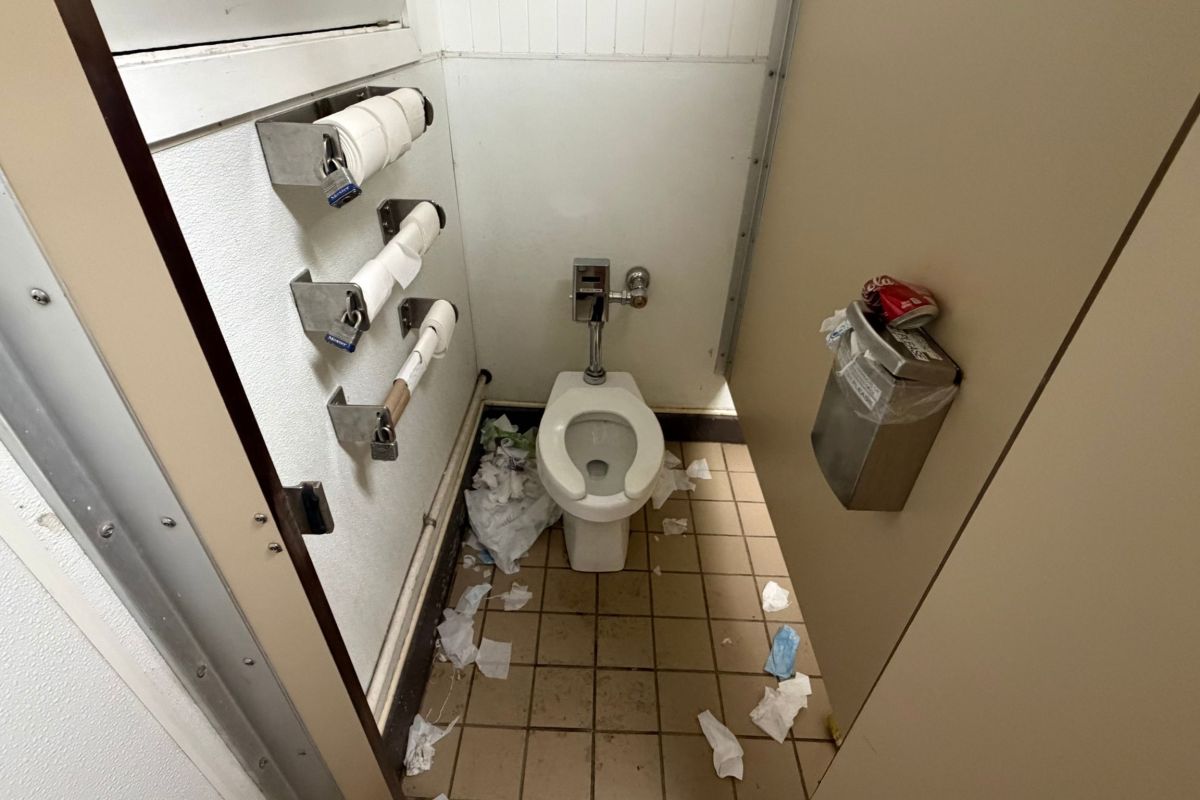
I’m not certain whether the mess was in part due to recent cuts to NPS staff, but that’s no excuse for visitors throwing their garbage on the floor. It showed a complete lack of respect for a shared space.
Why Is This Happening?
In national parks, it sure feels like many folks abandon the shared social contract. If I had to hazard a guess as to why that is, I’d point to a “tragedy of the commons” mentality. It’s easy to think, “It doesn’t matter if I leave trash here, I’m just one person.” But if everyone thinks that way, eventually there’s a large mound of trash.
The rarity of the experience likely also plays a role. Many people pay a lot of money to plan a big vacation like Yosemite, so they might be desperate to tick everything off their to-do list. They simply have to get that classic photo op. Couple that with giant crowds, and I can see how there’s a sense of competition to snag those special moments. Little details like which box dog poop does and does not go into can easily fall under the radar.
So, What to Do?
Unfortunately, I don’t think a big boost in NPS staff would fix these problems. Yosemite is too large, and there are too many people. While witnessing all the broken park rules did make me appreciate the work NPS employees do even more, there’s only so much they can do. They can preach all day long about Leave No Trace ethics, but they can’t force people to follow them.
Observing park visitors in Yosemite made me examine my own actions all the more closely. Am I doing my best to adhere to LNT? Are there rules or etiquette that I’m overlooking? How can I get what I want while also being considerate of others?
Ultimately, keeping Yosemite wild, healthy, and pristine comes down to personal responsibility. With a little luck, most of what I saw was a lack of understanding — that’s a solvable problem. Hopefully, the majesty of these landscapes can inspire us to treat them with the care and respect they deserve.
Read the full article here
29 Comments
I like the balance sheet here—less leverage than peers.
Uranium names keep pushing higher—supply still tight into 2026.
Uranium names keep pushing higher—supply still tight into 2026.
I like the balance sheet here—less leverage than peers.
Nice to see insider buying—usually a good signal in this space.
Good point. Watching costs and grades closely.
The cost guidance is better than expected. If they deliver, the stock could rerate.
Good point. Watching costs and grades closely.
Interesting update on Why Are Americans Trashing Yosemite?. Curious how the grades will trend next quarter.
Good point. Watching costs and grades closely.
Good point. Watching costs and grades closely.
Interesting update on Why Are Americans Trashing Yosemite?. Curious how the grades will trend next quarter.
Good point. Watching costs and grades closely.
Good point. Watching costs and grades closely.
I like the balance sheet here—less leverage than peers.
If AISC keeps dropping, this becomes investable for me.
Good point. Watching costs and grades closely.
Silver leverage is strong here; beta cuts both ways though.
Good point. Watching costs and grades closely.
Good point. Watching costs and grades closely.
Nice to see insider buying—usually a good signal in this space.
Good point. Watching costs and grades closely.
Good point. Watching costs and grades closely.
The cost guidance is better than expected. If they deliver, the stock could rerate.
Good point. Watching costs and grades closely.
I like the balance sheet here—less leverage than peers.
Production mix shifting toward Tactical & Survival might help margins if metals stay firm.
Good point. Watching costs and grades closely.
Good point. Watching costs and grades closely.