

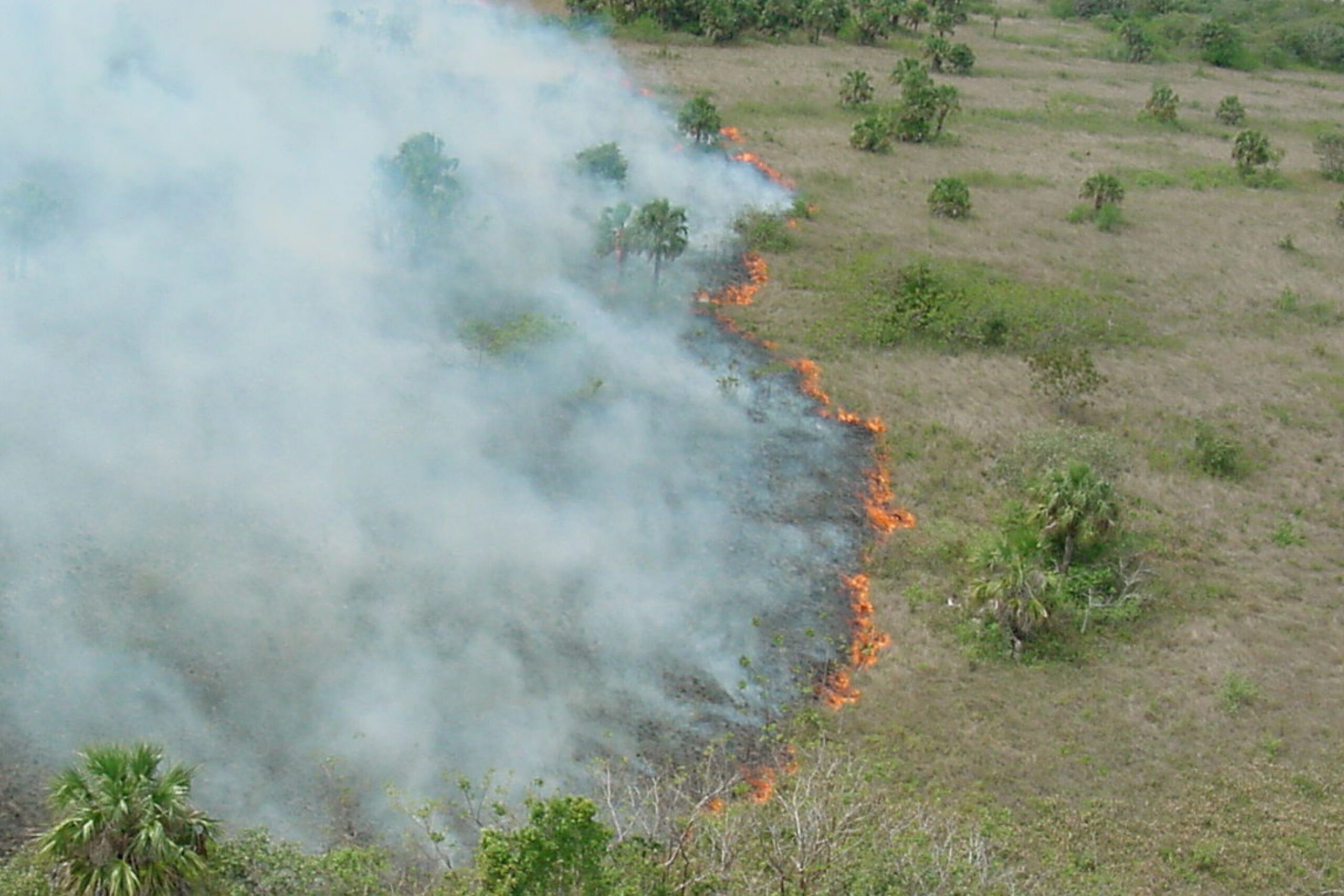
Florida’s Everglades National Park is the largest wetland in North America, and home to endangered species like the Florida panther and West Indian manatee. A large wildfire is now threatening those animals’ habitat. The Highway 41 fire began on April 27, and authorities are struggling to contain it.
What Happened
The National Park Service (NPS) first learned of the fire on the evening of April 27, according to a press release. The U.S. Wildland Fire Service quickly responded with air and ground operations. As of midday on April 28, the fire had grown to 2,500 acres. Authorities closed several square miles of the park, including local businesses. The cause of the fire is unclear at this time.
As of midday April 29, the fire stood at 8,653 acres with 0% contained. According to the National Interagency Fire Center, the fire threatens eight structures, and its estimated damage stands at $750,000. Forty-eight crew members are currently activated.
The fire lies approximately 6 miles away from Miami. The Florida Highway Patrol briefly closed a section of Highway 41 due to low visibility from the smoke. The road is a major thoroughfare that connects Miami to other major cities in Florida like Naples, Tampa Bay, and Sarasota.
The Effects
Flora and Fauna
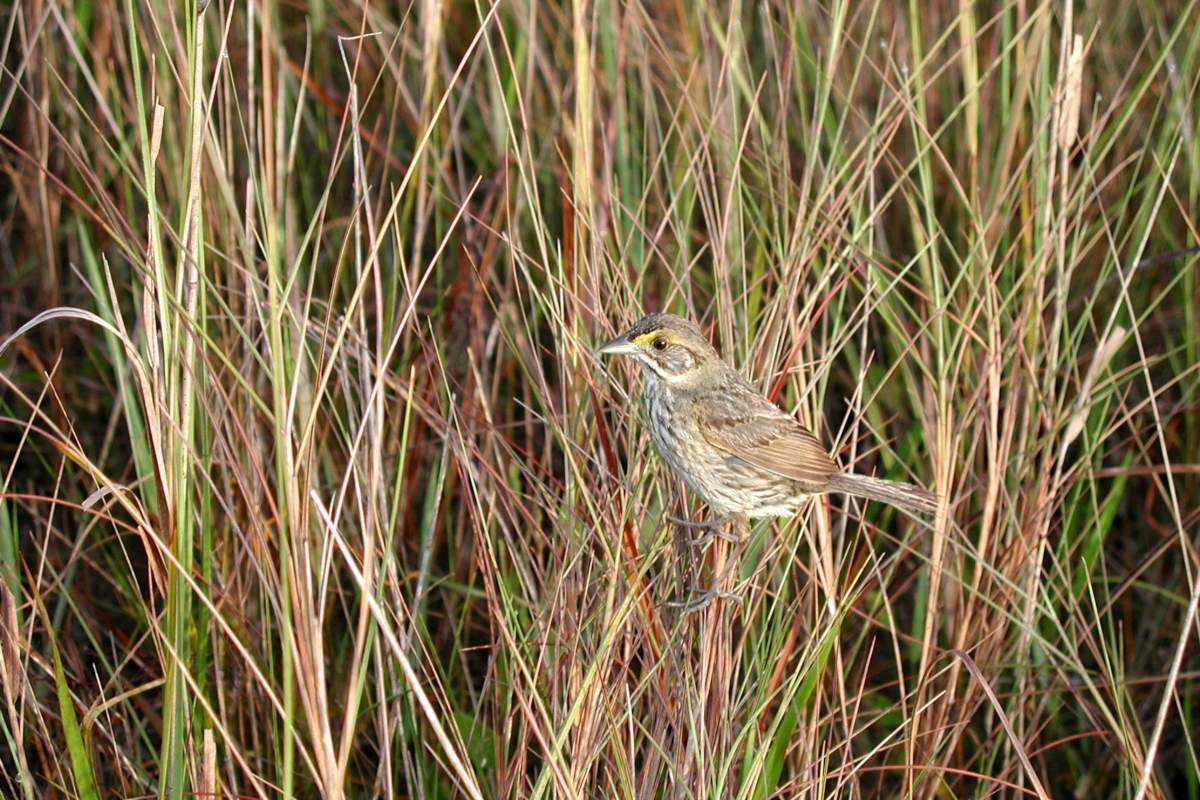
The subtropical freshwater marsh of the Everglades is extremely unique in the United States. Thirty-six species listed as endangered or threatened under the Endangered Species Act have habitats here, including eight plants, two fish, 10 birds, eight reptiles, four mammals, and seven invertebrates. Two species, the Cape Sable seaside sparrow and the Florida leafwing butterfly, only live in the Everglades.
Tourism
At a size of 1.5 million acres, Everglades National Park is the third-largest national park, so the fire is only affecting a very small portion of the park. However, historically, April and May are some of the busiest times of year for the park, with over 84,000 and 60,000 visitors in each month last year, respectively.
The Everglades are an important sector of Florida’s economy. It’s estimated that the region contributes $31.5 billion to the economy each year.
Read the full article here
30 Comments
Production mix shifting toward Tactical & Survival might help margins if metals stay firm.
Uranium names keep pushing higher—supply still tight into 2026.
Good point. Watching costs and grades closely.
Uranium names keep pushing higher—supply still tight into 2026.
Silver leverage is strong here; beta cuts both ways though.
Good point. Watching costs and grades closely.
Good point. Watching costs and grades closely.
Uranium names keep pushing higher—supply still tight into 2026.
Good point. Watching costs and grades closely.
Silver leverage is strong here; beta cuts both ways though.
Good point. Watching costs and grades closely.
Good point. Watching costs and grades closely.
Uranium names keep pushing higher—supply still tight into 2026.
Good point. Watching costs and grades closely.
Good point. Watching costs and grades closely.
Uranium names keep pushing higher—supply still tight into 2026.
Good point. Watching costs and grades closely.
Uranium names keep pushing higher—supply still tight into 2026.
Good point. Watching costs and grades closely.
Exploration results look promising, but permitting will be the key risk.
Good point. Watching costs and grades closely.
Uranium names keep pushing higher—supply still tight into 2026.
Uranium names keep pushing higher—supply still tight into 2026.
Good point. Watching costs and grades closely.
The cost guidance is better than expected. If they deliver, the stock could rerate.
Good point. Watching costs and grades closely.
Good point. Watching costs and grades closely.
Silver leverage is strong here; beta cuts both ways though.
Good point. Watching costs and grades closely.
Good point. Watching costs and grades closely.