

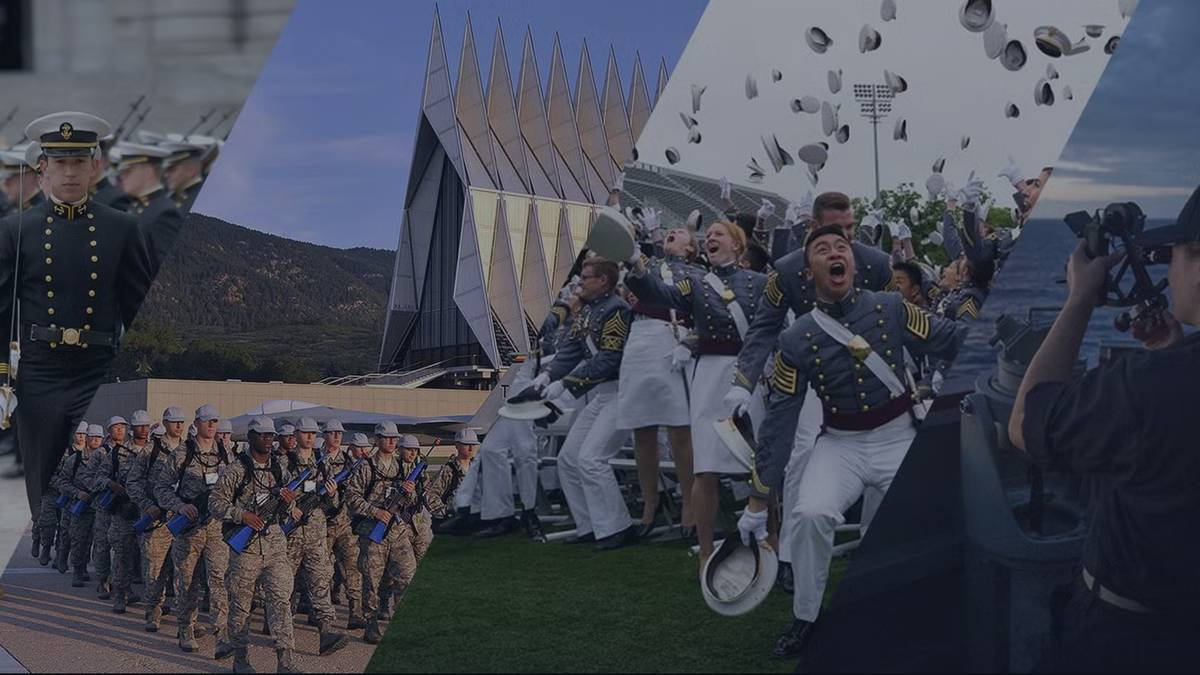
A bipartisan group of 17 lawmakers is pushing Congress to give the nation’s military service academies a dedicated source of infrastructure funding and make it easier for them to use private donations to build new facilities.
Nine House members and eight senators have signed a letter asking congressional defense leaders to preserve two provisions as they negotiate the final fiscal 2027 National Defense Authorization Act.
The first would establish a dedicated Facilities, Sustainment, Restoration and Modernization funding mechanism for the service academies. The second would allow academy superintendents to contract with affiliated nonprofit organizations on donor-supported construction projects.
The lawmakers say the changes would speed up modernization at West Point, the Naval Academy and Air Force Academy while better preparing future officers for increasingly complex warfare.
Our national defense starts with how well we prepare those who will lead it, Rep. August Pfluger, R-Texas, chairman of the Air Force Academy Board of Visitors and an academy graduate, said in a statement.
Millions in Private Donations Can Sit for Years
One of the biggest proposed changes involves private money already being donated to the academies. Under current requirements, academy philanthropic foundations must transfer 100% of donor funding to the federal government before construction can begin on projects using that money, according to the lawmakers’ letter.
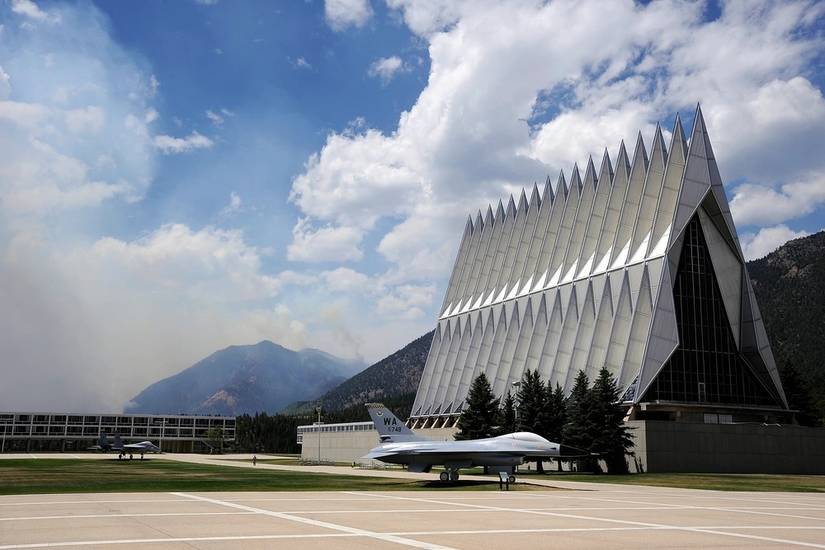
Pfluger’s office told Military.com that the process can result in private money being transferred years before it is actually spent. As an example, the office pointed to the Madera Cyber Innovation Center at the Air Force Academy, saying $23 million in donor funding was transferred to the federal government three years before any of that money was spent on construction.
Pfluger’s office said the current process means private money can sit without earning interest while projects move through federal requirements, even as construction costs increase.
The proposed change would allow academy superintendents to contract directly with qualified nonprofit foundations to plan, design and construct facilities under academy oversight.
This provision unlocks the full potential of committed private philanthropy that uniquely exists alongside those institutions, Pfluger’s office told Military.com.
Why Give the Academies Their Own Funding?
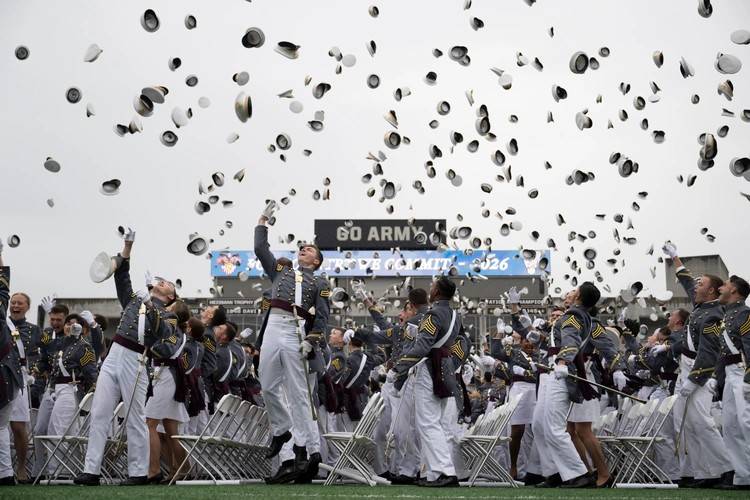
The second proposal addresses a different problem: how the academies compete for federal infrastructure dollars.
The House-passed NDAA includes language focused on the Air Force Academy. A proposed Senate companion amendment would broaden the dedicated funding mechanism to all of the military service academies, an approach the 17 lawmakers are asking negotiators to include in the final bill.
Pfluger’s office said the proposal isn’t simply an effort to fund academy projects that failed to receive money through the normal military construction process.
“There are clearly projects not being funded, but that would be like every military installation and not specific to the Military Service Academies,” the office told Military.com.
Instead, supporters argue the academies have a unique mission that warrants somewhat different treatment when infrastructure dollars are allocated. “It’s about purposefully setting aside funds to invest in the future,” Pfluger’s office said.
The House-passed NDAA already includes eight provisions influenced by the Air Force Academy Board of Visitors, including allowing the superintendent to partner with affiliated nonprofits on campus modernization and assessing a dedicated funding line for the academy.
Connecting Buildings to the Future Fight
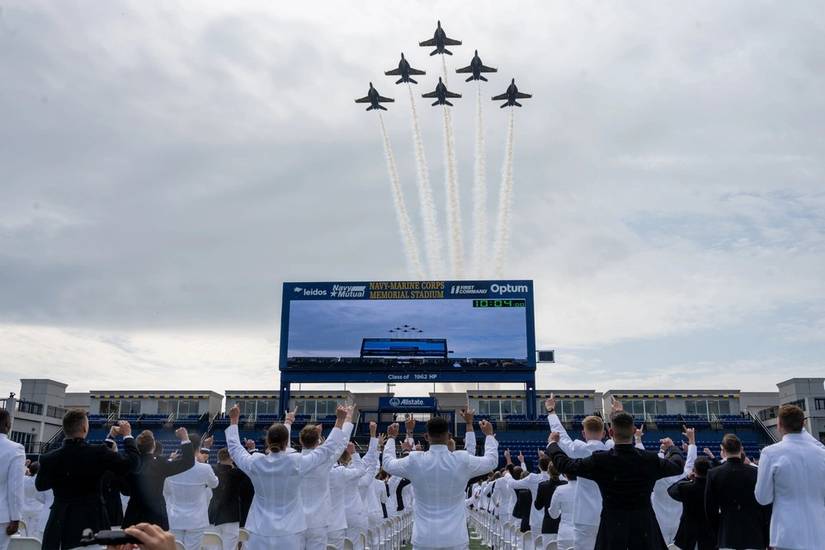
The lawmakers are also tying academy infrastructure directly to military readiness. Modern warfare increasingly crosses air, land, sea, space and cyberspace, Pfluger’s office told Military.com, requiring facilities where cadets and midshipmen can train for those environments.
Madera illustrates that argument. The 48,000-square-foot facility contains 14 laboratories and classrooms and includes spaces for cyber training, robotics and autonomous systems, telecommunications and unmanned aerial vehicle operations. It serves more than 1,400 cadets who take computer and cyber science courses annually.
But supporters say the need extends beyond high-tech laboratories.
Our Military Service Academies need to have modernized dormitories, classrooms, and athletic facilities to attract the nation’s top talent through the college application process, Pfluger’s office told Military.com.
Rep. Pat Harrigan, R-N.C., a West Point graduate, said aging facilities and a slow modernization process risk falling behind the demands being placed on future officers. “If we expect our future officers to be ready for the next war, we need to make sure the academies training them are ready for it too,” Harrigan said.
Sen. John Hickenlooper, D-Colo., called the academies “national assets” and said investing in them is “an investment in America’s security and future.”
The 17 lawmakers are now asking House and Senate Armed Services Committee leaders to preserve both provisions when they negotiate the final NDAA.
Taken together, they described the changes in their letter as a “generational investment” intended to modernize the institutions responsible for developing many of the military’s future leaders.
Read the full article here
43 Comments
Production mix shifting toward USA might help margins if metals stay firm.
Production mix shifting toward USA might help margins if metals stay firm.
Good point. Watching costs and grades closely.
I like the balance sheet here—less leverage than peers.
Silver leverage is strong here; beta cuts both ways though.
Good point. Watching costs and grades closely.
Uranium names keep pushing higher—supply still tight into 2026.
Uranium names keep pushing higher—supply still tight into 2026.
If AISC keeps dropping, this becomes investable for me.
Good point. Watching costs and grades closely.
Good point. Watching costs and grades closely.
Nice to see insider buying—usually a good signal in this space.
Nice to see insider buying—usually a good signal in this space.
Good point. Watching costs and grades closely.
Uranium names keep pushing higher—supply still tight into 2026.
Good point. Watching costs and grades closely.
Production mix shifting toward USA might help margins if metals stay firm.
The cost guidance is better than expected. If they deliver, the stock could rerate.
Silver leverage is strong here; beta cuts both ways though.
Good point. Watching costs and grades closely.
Good point. Watching costs and grades closely.
Exploration results look promising, but permitting will be the key risk.
Good point. Watching costs and grades closely.
Good point. Watching costs and grades closely.
Silver leverage is strong here; beta cuts both ways though.
Good point. Watching costs and grades closely.
Good point. Watching costs and grades closely.
The cost guidance is better than expected. If they deliver, the stock could rerate.
Good point. Watching costs and grades closely.
Good point. Watching costs and grades closely.
If AISC keeps dropping, this becomes investable for me.
Interesting update on 17 Lawmakers Push New Funding Plan for Military Service Academies. Curious how the grades will trend next quarter.
Good point. Watching costs and grades closely.
Production mix shifting toward USA might help margins if metals stay firm.
Good point. Watching costs and grades closely.
Good point. Watching costs and grades closely.
Uranium names keep pushing higher—supply still tight into 2026.
Good point. Watching costs and grades closely.
Nice to see insider buying—usually a good signal in this space.
Good point. Watching costs and grades closely.
Good point. Watching costs and grades closely.
Uranium names keep pushing higher—supply still tight into 2026.
Good point. Watching costs and grades closely.