

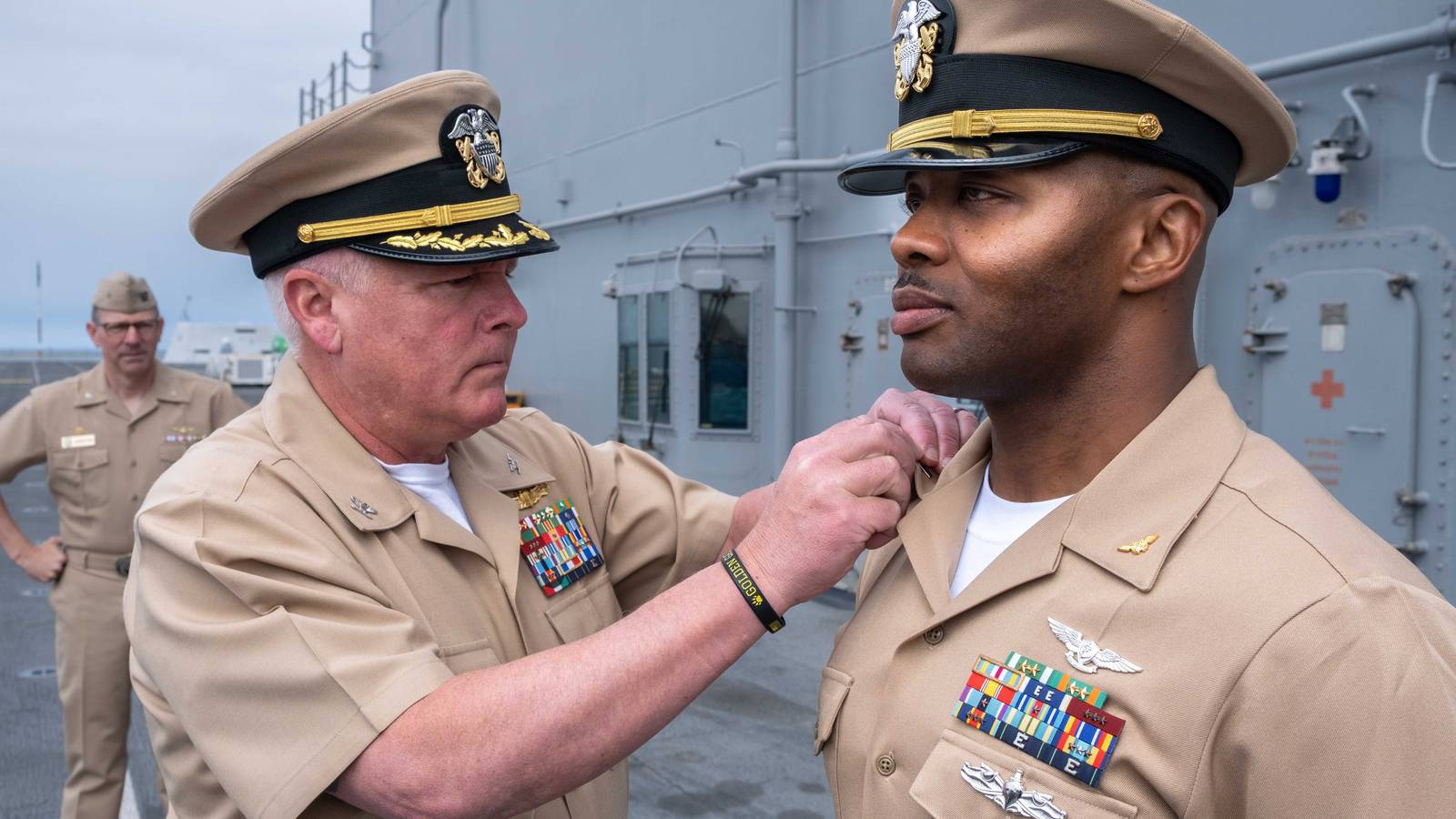
A Navy warrant officer is a technical specialist commissioned from the service’s most experienced enlisted ranks, holding authority as an officer while staying anchored to the hands-on trades that got them there. Unlike a line officer career track built around leading larger and larger units, the warrant officer path is built around depth: a sailor who has spent a career mastering a single, often highly technical, specialty and is commissioned to keep doing that work at a higher level of authority and pay.
Rank Structure and Pay Grades
Navy warrant officers hold pay grades W-2 through W-5, carrying the titles Chief Warrant Officer 2 through Chief Warrant Officer 5, according to MyNavy HR, the Navy’s official personnel command. For most of the last several decades, sailors entered directly at CWO2 rather than an initial W-1 grade, since the Navy phased out W-1 appointments after 1975 and had none left on its rolls by the end of fiscal year 1996.
That changed in 2018, when the Navy began appointing W-1 warrant officers again for the first time in decades, in the cryptologic community, according to Navy Times’ reporting on the shift. The driver was retention: Cyber skills were in high enough demand in the civilian job market that sailors weren’t staying in long enough to reach chief petty officer, the rank that had long served as the Navy’s entry point into the warrant officer program. A W-1 appointment carries a six-year service commitment, and those sailors become eligible to apply for promotion to CWO2 once they reach 12 years of total service.
Related: Navy Ranks: A Complete Guide to Enlisted and Officer Ranks
Who Qualifies
The Navy’s warrant officer program draws from its most senior and experienced enlisted sailors, typically petty officers at the E-6 pay grade or above with roughly 12 to 14 years of service.
Selection weighs technical expertise, leadership record and military qualifications rather than a college degree, which is part of what distinguishes the path from a commission through the Naval Academy or Officer Candidate School.
Where Warrant Officers Serve
The Navy organizes its chief warrant officer community into nine designators, according to MyNavy HR, spanning surface warfare fields such as:
- Boatswain
- Operations technician
- Engineering technician
- Special warfare and combat craft technician roles supporting Navy SEAL and special boat units
- Electronics technician
- Three fields tied to information and intelligence work: crypto warfare, information systems and intelligence technician
In each case, the designator reflects the same enlisted rating the sailor built a career in before being commissioned.
Once commissioned, a Navy warrant officer functions as both a technical authority and a supervisor, typically overseeing the maintenance and operation of complex equipment and systems during extended deployments while serving as a working link between junior enlisted sailors and the officer chain of command above them.
Rank by Rank
Warrant Officer 1 (W-1)
The Navy’s only entry-level warrant grade, and a rare one: Warrant Officer 1 is appointed solely in the cryptologic technician community, reinstated in 2018 after the Navy had none on its rolls for more than two decades. A W-1 appointment carries a six-year service commitment, with eligibility to apply for CWO2 once a sailor reaches 12 years of total service.
Chief Warrant Officer 2 (CWO2)
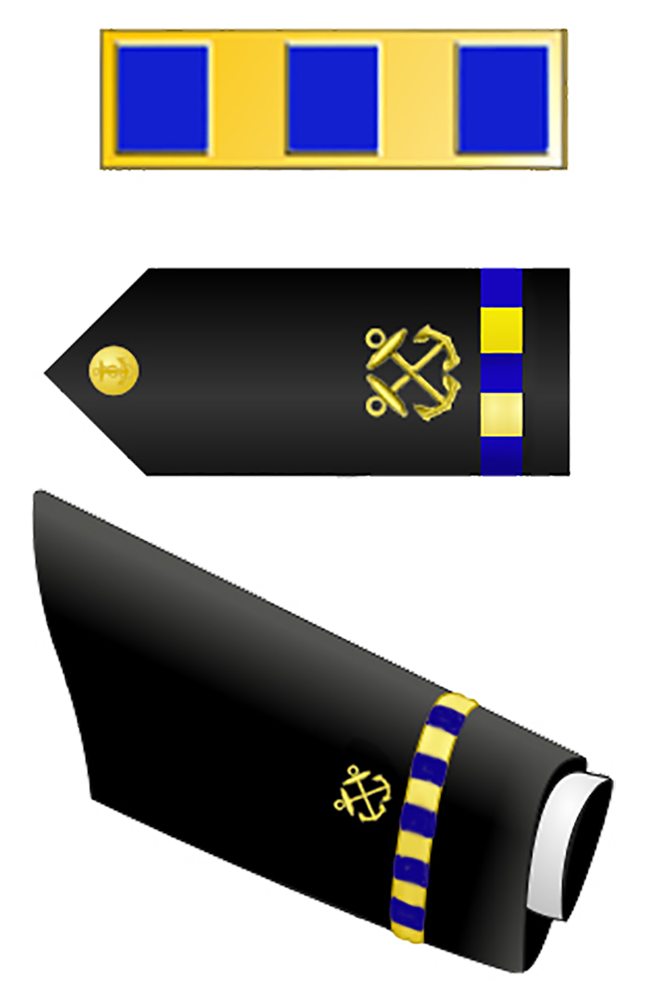
It’s the entry grade for nearly every other Navy warrant officer community. Sailors are commissioned into chief warrant officer 2 from the service’s senior enlisted ranks, typically petty officers at E-6 or above with roughly 12 to 14 years of service.
Chief Warrant Officer 3 (CWO3)
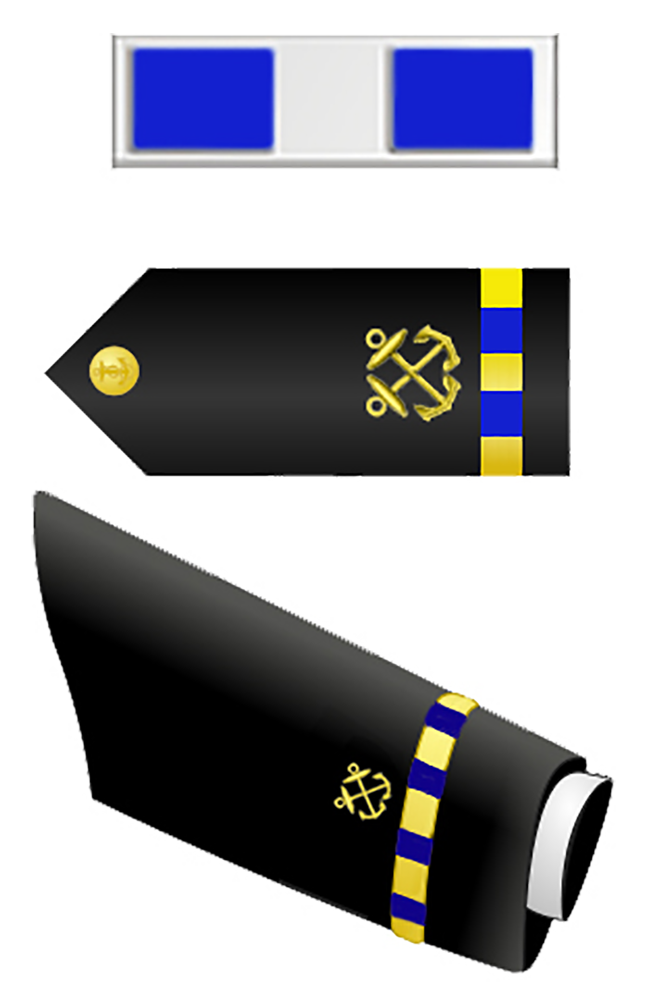
A mid-grade promotion carrying more responsibility within the same technical designator a sailor was commissioned into, MyNavy HR does not publish a separate duty description for CWO3 apart from CWO2 and CWO4; promotion follows the standard warrant officer board process, tied to time in grade and performance.
Chief Warrant Officer 4 (CWO4)
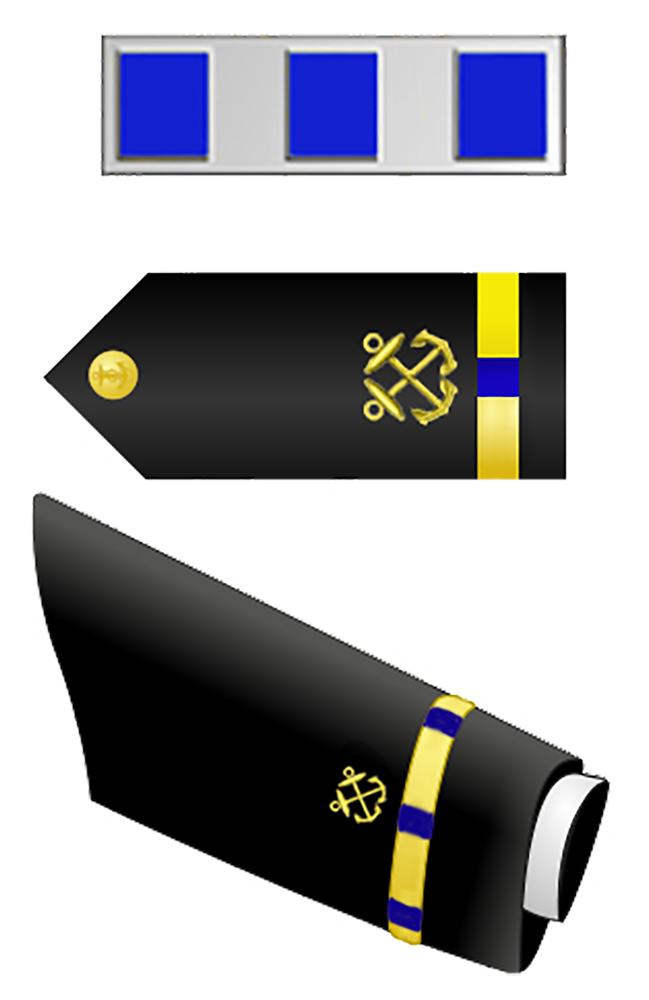
The senior mid-grade, reached the same way as CWO3, through the Navy’s warrant officer promotion boards. MyNavy HR groups CWO2 through CWO4 duties together under each of the Navy’s nine warrant officer designators rather than breaking out grade-specific responsibilities.
Chief Warrant Officer 5 (CWO5)

The most senior Navy warrant grade, reserved for its most experienced technical specialists within each of the nine CWO designators that MyNavy HR maintains, from surface warfare and electronics fields to cryptologic and intelligence technician roles.
Why the Rank Still Matters
The warrant officer path exists because the Navy’s most technical work doesn’t stop being valuable once a sailor is ready for more authority and better pay. Rather than pulling a senior cryptologic technician or special warfare boat operator into a generalist officer track, the Navy commissions them to keep doing the job they’ve spent a career mastering, with more authority attached to it.
The 2018 reintroduction of the W-1 grade in the cyber and cryptologic fields shows the same logic the Air Force is now applying to its newly relaunched warrant officer corps: When a technical skill is scarce enough in the civilian market, the military has to build a rank structure that lets someone stay a specialist instead of choosing between that expertise and career advancement.
Interested in Joining the Military?
We can put you in touch with recruiters from the different military branches. Learn about the benefits of serving your country, paying for school, military career paths, and more: sign up now and hear from a recruiter near you.
Read the full article here
43 Comments
If AISC keeps dropping, this becomes investable for me.
Good point. Watching costs and grades closely.
Good point. Watching costs and grades closely.
Uranium names keep pushing higher—supply still tight into 2026.
Good point. Watching costs and grades closely.
Interesting update on A Breakdown of the Rank. Curious how the grades will trend next quarter.
Uranium names keep pushing higher—supply still tight into 2026.
Good point. Watching costs and grades closely.
Uranium names keep pushing higher—supply still tight into 2026.
Good point. Watching costs and grades closely.
Good point. Watching costs and grades closely.
Silver leverage is strong here; beta cuts both ways though.
Good point. Watching costs and grades closely.
Exploration results look promising, but permitting will be the key risk.
Good point. Watching costs and grades closely.
Good point. Watching costs and grades closely.
The cost guidance is better than expected. If they deliver, the stock could rerate.
Good point. Watching costs and grades closely.
I like the balance sheet here—less leverage than peers.
Interesting update on A Breakdown of the Rank. Curious how the grades will trend next quarter.
Good point. Watching costs and grades closely.
Silver leverage is strong here; beta cuts both ways though.
Good point. Watching costs and grades closely.
Good point. Watching costs and grades closely.
Nice to see insider buying—usually a good signal in this space.
Good point. Watching costs and grades closely.
Nice to see insider buying—usually a good signal in this space.
Good point. Watching costs and grades closely.
Good point. Watching costs and grades closely.
I like the balance sheet here—less leverage than peers.
Good point. Watching costs and grades closely.
Uranium names keep pushing higher—supply still tight into 2026.
The cost guidance is better than expected. If they deliver, the stock could rerate.
If AISC keeps dropping, this becomes investable for me.
Good point. Watching costs and grades closely.
Good point. Watching costs and grades closely.
Exploration results look promising, but permitting will be the key risk.
I like the balance sheet here—less leverage than peers.
Good point. Watching costs and grades closely.
Exploration results look promising, but permitting will be the key risk.
Good point. Watching costs and grades closely.
I like the balance sheet here—less leverage than peers.
Good point. Watching costs and grades closely.