

The Air Force is reshaping basic training around aircraft, small teams and simulated airfields as it prepares new airmen for future wars.
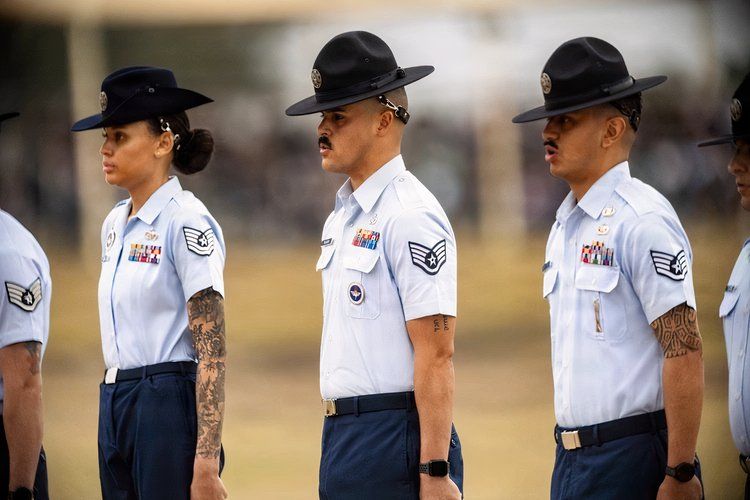
For generations, Air Force basic military training (BMT) has centered on drill pads, inspections, dormitories and military discipline.
Those elements aren’t disappearing.
But in an interview with Military.com, Maj. Gen. Davidson, commander of 2nd Air Force, said the service is undertaking what he describes as the most significant transformation of Air Force basic training in decades. One designed to move trainees closer to the mission they will ultimately support.
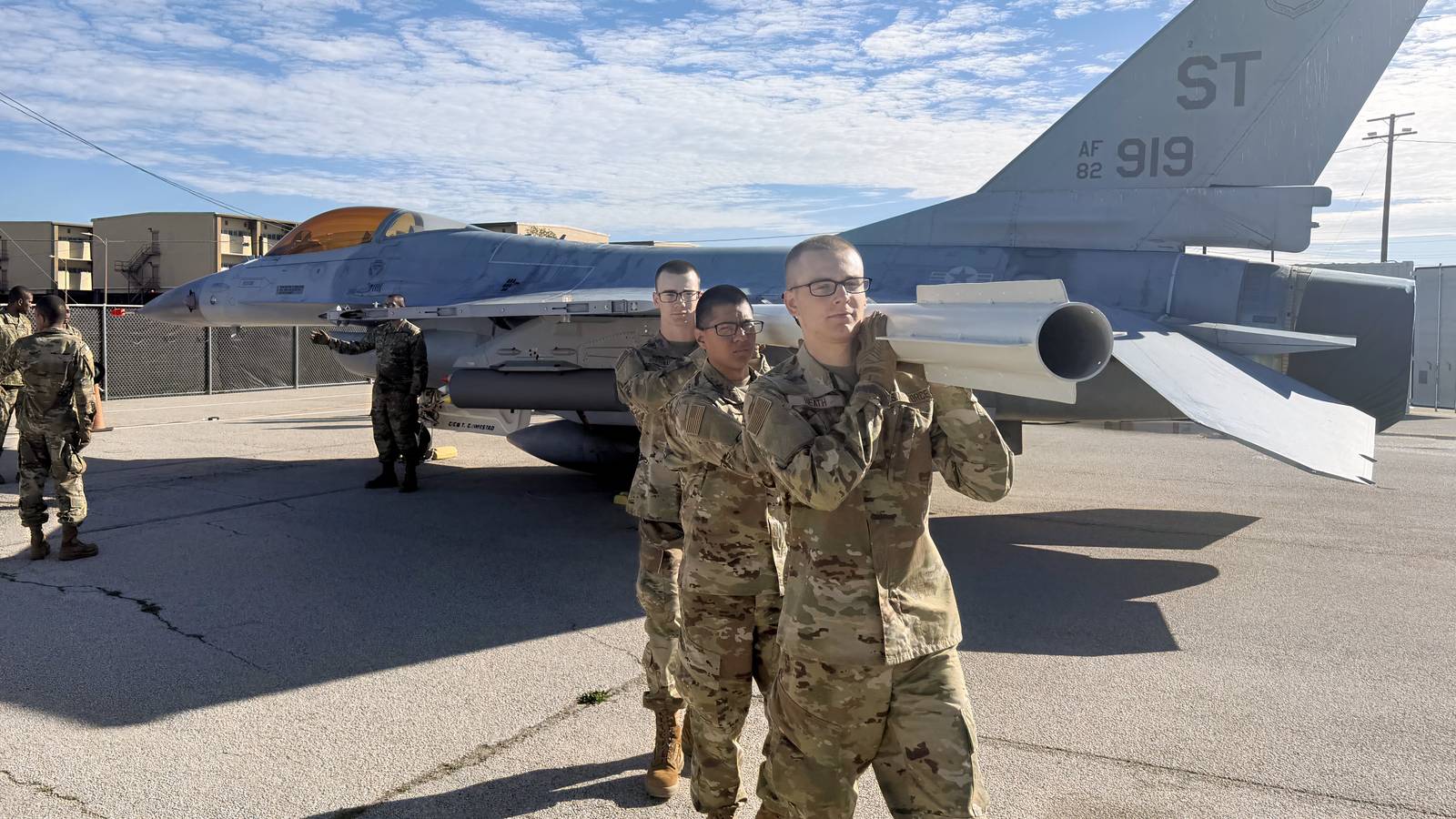
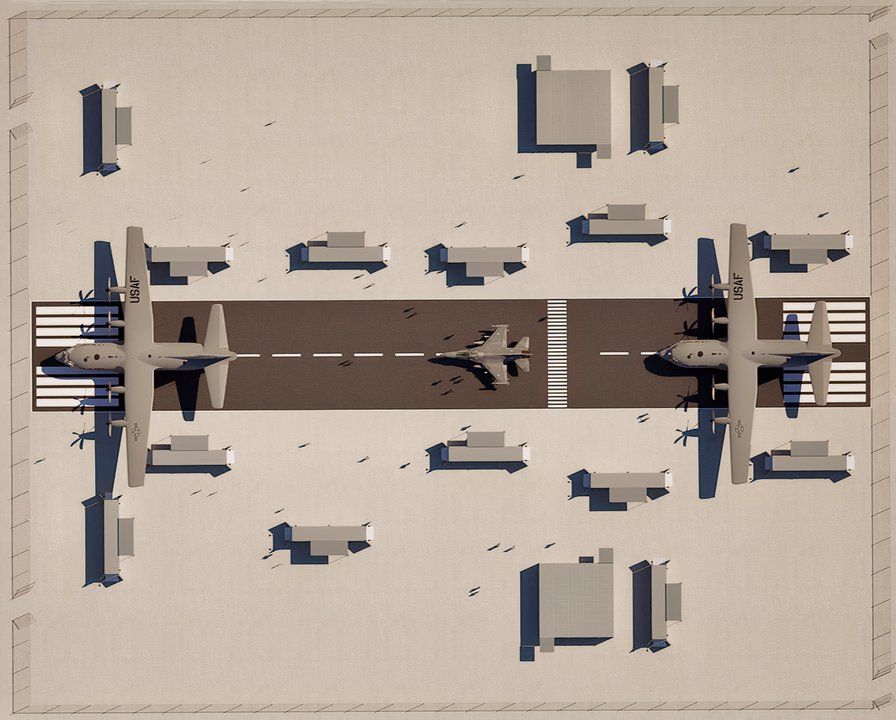
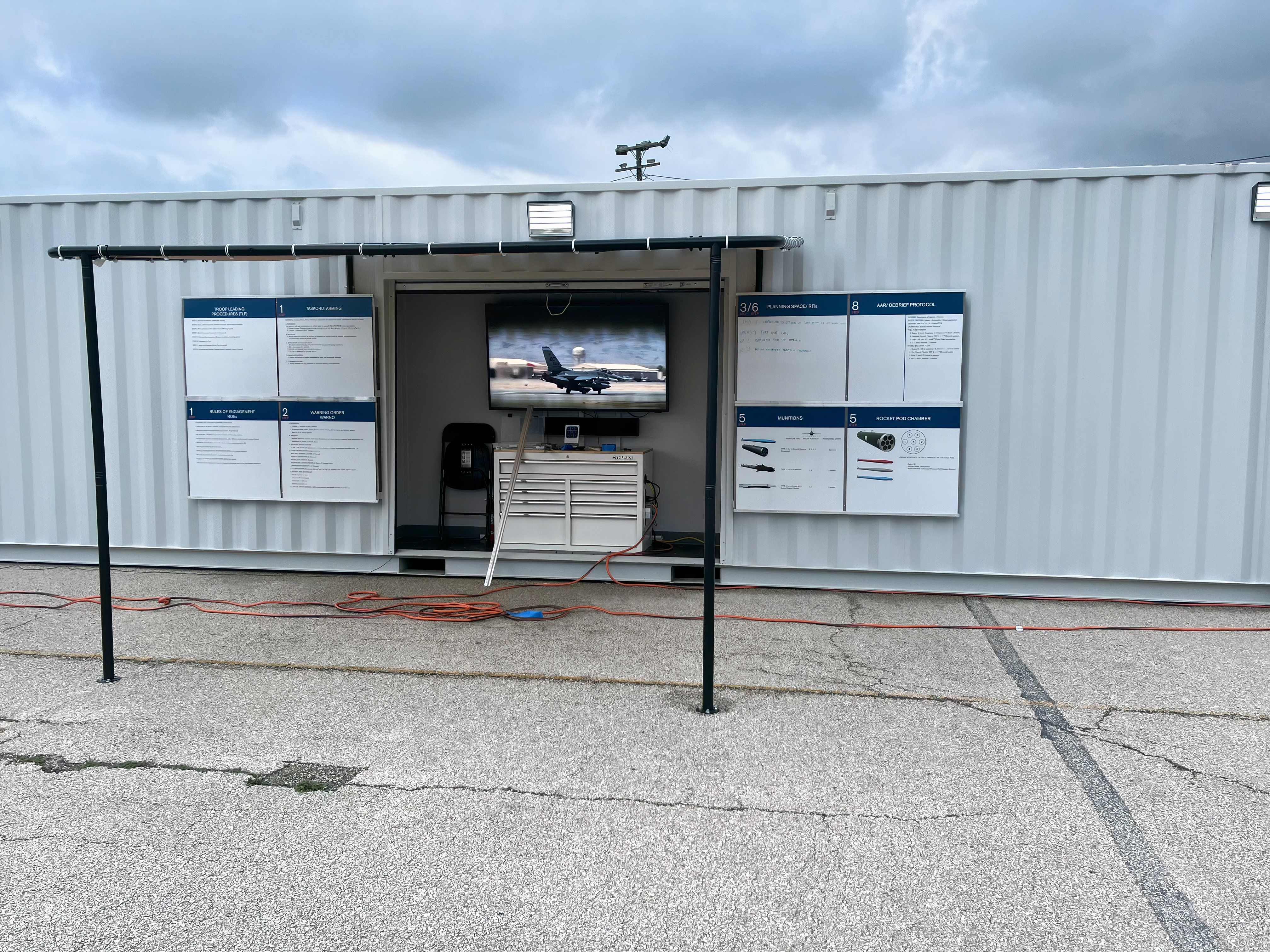
The overhaul includes a new training range featuring two C-130s, an F-16 and multiple airfield training stations where recruits will learn in environments designed to mirror future combat operations.
We have to prepare these airmen for the wars they will fight, not the wars we have fought, Davidson told Military.com.
At the center of that effort is a simple idea: move Air Force recruits from the drill pad to the flight line.
From Drill Pads to Airfields
For decades, the physical experience of basic military training has revolved around military customs and courtesies, inspections, marching, physical fitness and classroom instruction.
Those foundational elements remain.
But Air Force leaders increasingly believe they are not enough by themselves.
Davidson said the service is intentionally shifting BMT from what he calls a “drill pad-centric” model toward an “airfield-centric” training experience.
“The opportunity is to go from the drill pad…to how a team puts missiles on an F-16, defends forward and solves complex problems,” Davidson said.
The goal is not to eliminate drill and ceremony.
Rather, Davidson argues that many of the traditional activities in basic training are tools used to develop discipline, teamwork, precision and attention to detail.
The challenge is ensuring trainees understand why those skills matter.
“We’re not trying to train people to march,” Davidson said. “We’re trying to train people” to bring those same habits and standards to operational missions.
That shift is now becoming visible across Lackland AFB.
 Building an Air Base Inside Basic Training
The most obvious sign of the transformation is the creation of new training ranges designed to immerse recruits in the realities of airpower.
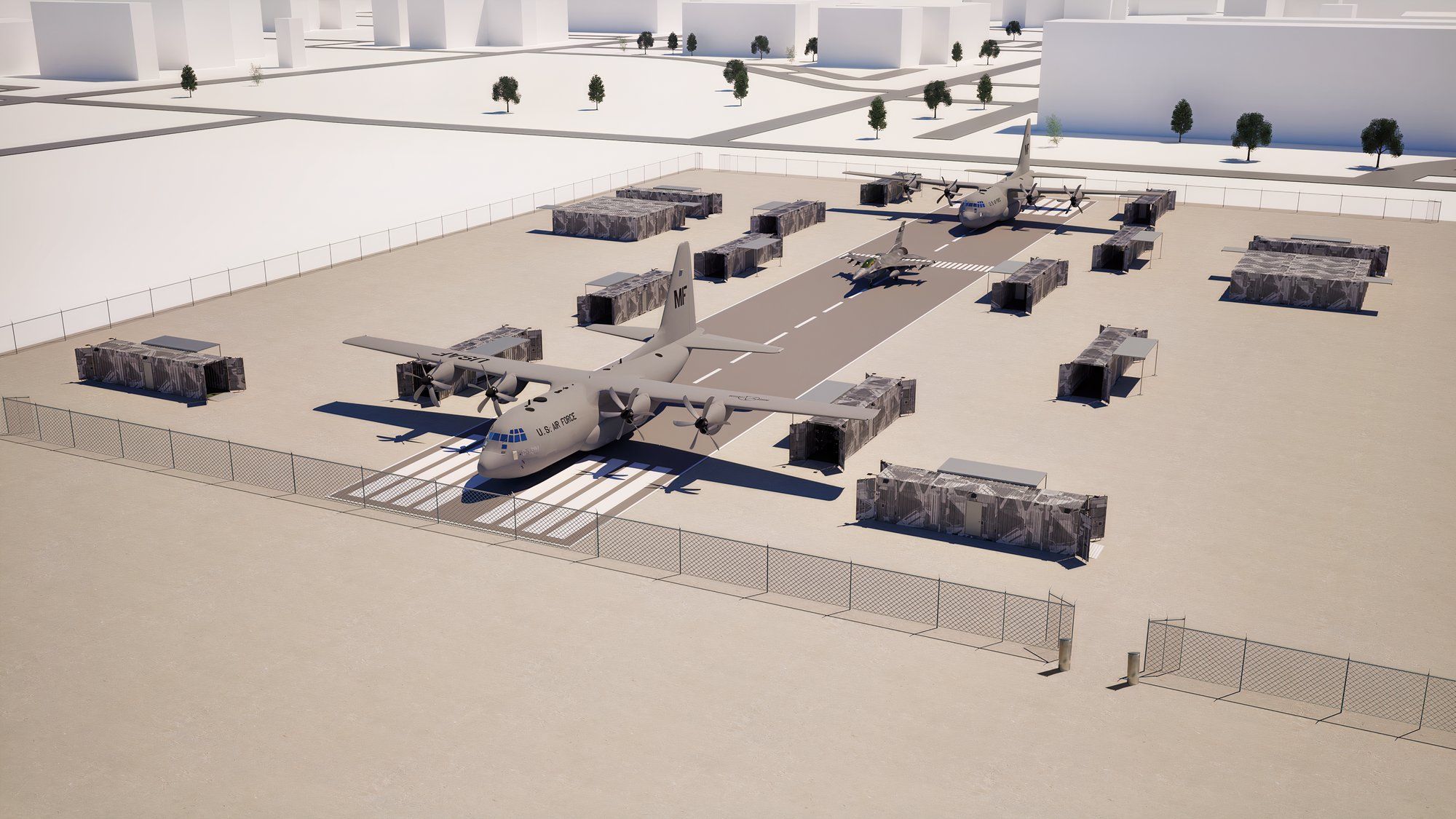
Davidson said the Air Force is constructing an interim Air Base Training Range near the BMT campus that will feature two C-130 aircraft, one F-16 and 16 separate training stations.
The facility is expected to become operational later this year.
As trainees progress through training, they will spend increasing amounts of time at the range, moving from the familiar environment of drill pads and dormitories to scenarios that more closely resemble the operational Air Force.
The interim range is only the beginning.
A second location planned for Chapman Annex south of Lackland will create a forward air base environment where trainees can apply their skills in more expeditionary scenarios. That facility is expected to include a simulated dirt strip, dispersed operating areas and training devices that replicate the conditions airmen could face in future conflicts.
The long-term vision is even more ambitious.
Air Force leaders envision a final operational air base training complex featuring four separate airfield zones capable of supporting multiple training scenarios simultaneously.
If funded, Davidson said that final version could arrive in the early 2030s.
Unlike traditional military construction projects, he said the goal is not to create a permanent showcase facility.
“We are not trying to build the exquisite facility,” Davidson said during a discussion with reporters at the Air & Space Forces Association Warfare Symposium.
Instead, the Air Force wants modular, adaptable training spaces that can evolve alongside operational requirements.
The Biggest Change Since 1950
Davidson does not view the effort as a routine curriculum update.
He believes it represents one of the most significant transformations in Air Force training history.
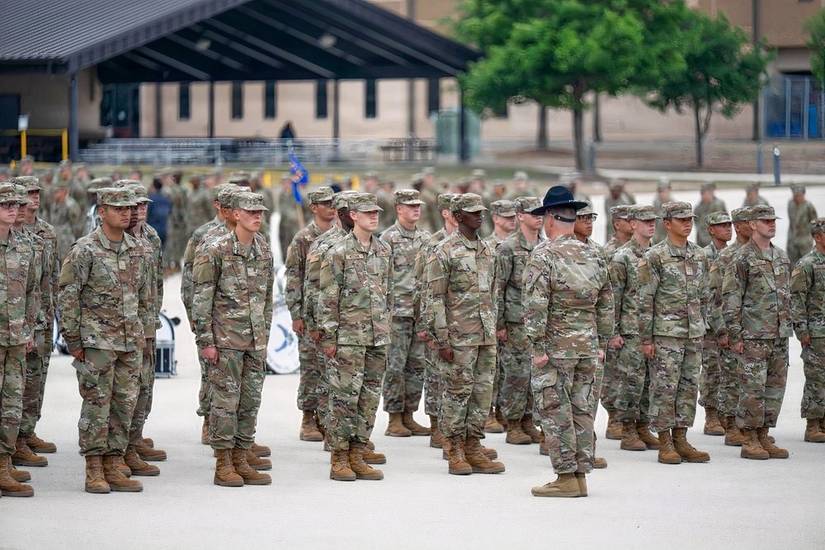
This is the most transformative change to basic training since 1950.
That comparison is significant.
The 1950 changes occurred as the newly independent Air Force transitioned away from Army-based training models and adapted to the realities of the Korean War.
Davidson believes today’s Air Force faces a similarly important moment.
The service is preparing for potential conflict against sophisticated adversaries capable of attacking airfields, disrupting communications and targeting the infrastructure that allows airpower to operate.
The Air Force has spent years developing concepts such as Agile Combat Employment, Multi-Capable Airmen and Mission Ready Airmen.
Davidson said the new BMT model addresses the root of those efforts.
“We have initiated things across the Air Force, multi-capable airmen, mission-ready airmen, multifunctional airmen,” he said. “This gets to the root cause of that. Create those airmen at the very beginning of the process.”
Rather than waiting until airmen arrive at operational units, the Air Force wants those habits and expectations established on day one.
 The Aircraft Are Changing Everything
Perhaps the clearest indication that the changes are resonating comes from the trainees themselves.
As portions of the new program have been tested, recruits have been introduced to aircraft familiarization, airfield reconnaissance activities and training events centered around real Air Force platforms.
The response, Davidson said, has been immediate. “Those kids are lighting up,” he said.
He described trainees conducting familiarization events around aircraft and becoming visibly energized when they begin connecting themselves to the mission of the Air Force.
The enthusiasm has surprised some instructors as well.
Davidson recalled a military training instructor watching trainees participate in an F-16-focused training event.
The instructor later told senior leaders he had never seen trainees so engaged.
For Davidson, those reactions reinforce the underlying premise behind the new model.
Many trainees join the Air Force because they are inspired by aircraft, space systems and the mission of airpower.
Historically, however, basic training often delayed that connection.
After this shift, “No one’s ever going to go back and say we should just march around basic training,” Davidson said.
Small Teams, Bigger Responsibility
The physical changes to BMT are accompanied by a significant shift in how trainees are organized and taught.
Under BMT 3.0, the Air Force is moving toward a small-team model that more closely mirrors how airmen operate in real-world environments.
The organized unit is not a flight. It is a team, Davidson said.
Rather than treating lessons as isolated blocks of instruction, Air Force leaders are redesigning the curriculum around competencies and operational outcomes.
Davidson said the service is moving away from a model where trainees complete one block of training, move to another and then rarely revisit those concepts.
Instead, the new curriculum is designed to build connections between topics over time.
For example, lessons on the law of war, rules of engagement, weapons handling and operational decision-making may be woven together throughout training rather than taught as completely separate events.
The goal is to create learning experiences that resemble how airmen actually absorb and apply information.
 Building the Flight Line Was the Easy Part
While aircraft and training ranges often attract the most attention, Davidson said the hardest part of the transformation has little to do with construction.
“The material side is so much easier than the human,” he said.
The Air Force is simultaneously rewriting curriculum, retraining instructors and changing decades of assumptions about what basic training should accomplish.
Military training instructors now have to teach concepts many never experienced during their own training.
That requires significant changes to the Military Training Instructor schoolhouse as well.
Chief Master Sgt. Colin Fleck, 2nd Air Force Command Chief, said instructors must be prepared to teach air base operations, expeditionary concepts and the broader mission of defending, operating, generating and sustaining airpower.
Future MTIs will receive updated preparation designed specifically for the BMT 3.0 environment, while current instructors receive additional training as new elements are introduced.
The challenge is magnified by the fact that basic training never stops.
Every week, new trainees arrive.
Every week, new classes graduate.
The Air Force cannot pause operations for six months and rebuild the system from scratch.
The transformation has to occur while the machine continues to run.
 Preparing Airmen for a Different Kind of War
Ultimately, Davidson believes the transformation is about more than aircraft, facilities or curriculum.
It is about preparing airmen for a future operating environment that looks fundamentally different from the one many service members experienced over the last two decades.
In future conflicts, airmen may find themselves operating from dispersed locations, defending installations under threat, repairing damaged infrastructure or sustaining operations while under attack.
It doesn’t matter what your specialty is. All airmen defend, operate, generate and sustain airpower.
That philosophy drives much of the redesign.
Whether a recruit ultimately becomes a maintainer, cyber specialist, medic, defender or finance technician, Air Force leaders want them to understand how their role contributes to the broader mission.
For Davidson, success will not be measured by how well trainees march across a parade field.
Success will be measured by whether they understand the mission they are joining.
“As soon as they answer that question,” Davidson said, referring to explaining the Air Force mission, “I know that we’ve got them.”
That, he said, is what the Air Force is ultimately trying to build.
Not simply graduates of basic training.
Airmen who understand how airpower works and how they fit into it.
Read the full article here
53 Comments
Interesting update on Air Force’s New Basic Military Training for 35,000 Recruits a Year Includes F-16 and C-130s. Curious how the grades will trend next quarter.
Good point. Watching costs and grades closely.
Production mix shifting toward USA might help margins if metals stay firm.
Good point. Watching costs and grades closely.
Good point. Watching costs and grades closely.
Exploration results look promising, but permitting will be the key risk.
Good point. Watching costs and grades closely.
Good point. Watching costs and grades closely.
Uranium names keep pushing higher—supply still tight into 2026.
Good point. Watching costs and grades closely.
Good point. Watching costs and grades closely.
Production mix shifting toward USA might help margins if metals stay firm.
Good point. Watching costs and grades closely.
Good point. Watching costs and grades closely.
Silver leverage is strong here; beta cuts both ways though.
Exploration results look promising, but permitting will be the key risk.
Exploration results look promising, but permitting will be the key risk.
Good point. Watching costs and grades closely.
Exploration results look promising, but permitting will be the key risk.
Good point. Watching costs and grades closely.
Good point. Watching costs and grades closely.
Interesting update on Air Force’s New Basic Military Training for 35,000 Recruits a Year Includes F-16 and C-130s. Curious how the grades will trend next quarter.
Good point. Watching costs and grades closely.
Good point. Watching costs and grades closely.
If AISC keeps dropping, this becomes investable for me.
Good point. Watching costs and grades closely.
Good point. Watching costs and grades closely.
Uranium names keep pushing higher—supply still tight into 2026.
Good point. Watching costs and grades closely.
Production mix shifting toward USA might help margins if metals stay firm.
Good point. Watching costs and grades closely.
Uranium names keep pushing higher—supply still tight into 2026.
Good point. Watching costs and grades closely.
Good point. Watching costs and grades closely.
Production mix shifting toward USA might help margins if metals stay firm.
If AISC keeps dropping, this becomes investable for me.
I like the balance sheet here—less leverage than peers.
Good point. Watching costs and grades closely.
I like the balance sheet here—less leverage than peers.
Good point. Watching costs and grades closely.
Nice to see insider buying—usually a good signal in this space.
Good point. Watching costs and grades closely.
Good point. Watching costs and grades closely.
If AISC keeps dropping, this becomes investable for me.
Good point. Watching costs and grades closely.
Good point. Watching costs and grades closely.
Silver leverage is strong here; beta cuts both ways though.
Good point. Watching costs and grades closely.
Good point. Watching costs and grades closely.
Production mix shifting toward USA might help margins if metals stay firm.
Good point. Watching costs and grades closely.
Nice to see insider buying—usually a good signal in this space.
Good point. Watching costs and grades closely.