

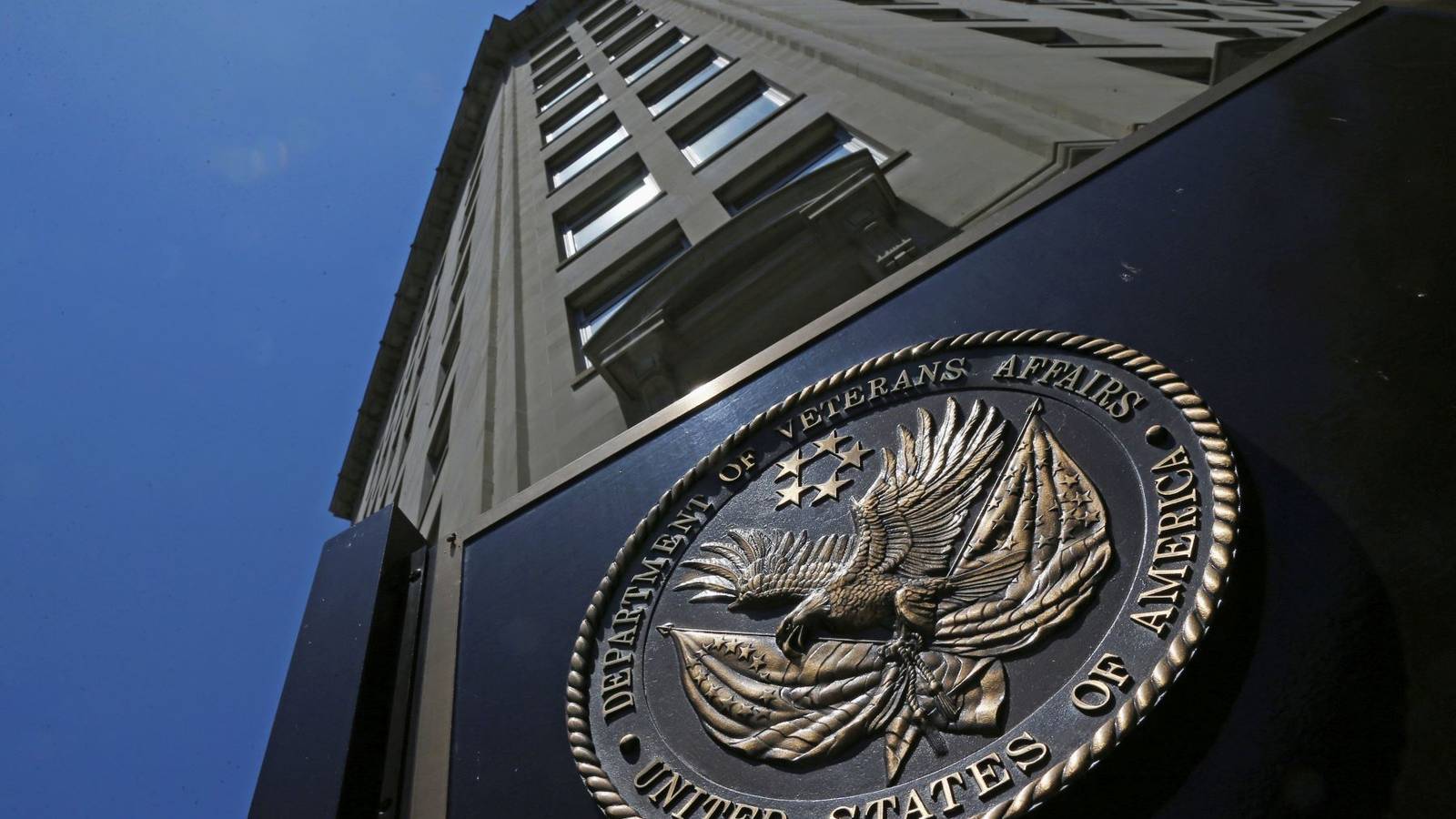
A change included in a 2022 federal spending law is about to affect military families receiving Survivors’ and Dependents’ Educational Assistance, or Chapter 35, for high school-age dependents. Starting Aug. 1, 2026, DEA benefits will no longer pay for any new secondary education program, including high school coursework, GED-level training, tutoring or academic remediation.
The broader Chapter 35 DEA program is not ending. College programs, vocational training, apprenticeships and on-the-job training remain fully covered. What is ending is the specific use of DEA for high school-level education, which has allowed eligible 18-year-old dependents to receive approximately $1,400 per month while finishing high school — money that did not count against their 36-month DEA lifetime limit for college and career training.
Read More: Survivors’ and Dependents’ Educational Assistance (DEA)
What’s Ending Aug. 1, 2026
As of Aug. 1, DEA will no longer cover:
- High school coursework for any new program starting on or after Aug. 1
- GED-level training and preparation programs
- Tutoring and academic remediation at the secondary school level
- Vocational and trade programs offered through a high school, even if they lead to certification
- Any program at a secondary school institution, regardless of the credential offered
What’s Not Changing
The following aspects of DEA will stay the same:
- College and university programs
- Vocational training and certification programs at post-secondary institutions
- Apprenticeships and on-the-job training programs
- The 36-month DEA lifetime benefit for post-secondary education
- Monthly DEA payment rates: $1,574.00 per month full-time through Sept. 30, 2026
- Eligibility rules — spouses of 100% permanently and totally disabled veterans and dependent children ages 18 through 26
The Chapter 35 program remains in effect; only the secondary school component is ending.
Where the Change Comes From
The change stems from Public Law 117-328, signed Dec. 29, 2022, as part of a federal omnibus spending package that amended the Chapter 35 definition of educational institution by deleting the words “secondary school” and replacing them with “post-secondary school.” The revision was enacted in 2022 but set a delayed effective date of Aug. 1, 2026 — meaning families have had time to prepare, but that window is now closing.
The VA announced the change June 4, 2026, and is directly contacting affected beneficiaries and schools. If your family is currently receiving Chapter 35 for a high school-age dependent, you should have already received communication from the VA. If you have not, contact the VA education benefits line immediately.
Who This Affects — and the Key Rule for Current Students
The families most directly affected are those with an 18-year-old dependent who is currently enrolled in high school using DEA benefits or who planned to begin using those benefits for a high school program this fall. Here’s how the VA will implement the change:
- If your dependent’s current term started before Aug. 1, 2026: VA will continue payments through the end of that term only.
- After that term ends, VA cannot pay for any subsequent high school terms, even if additional coursework is required to graduate.
- VA cannot extend payments through a graduation date that falls after the current eligible term.
- New high school programs starting on or after Aug. 1, 2026, will not be approved or paid under any circumstances
- The five-month high school benefit that did not count against the 36-month DEA limit is also ending; dependents who have not yet used it cannot access it for programs starting Aug. 1 or later.
A Critical Detail on Vocational Programs in High Schools
One of the most consequential details in the VA’s policy guidance involves trade and vocational programs taught within high school institutions. Even if a high school offers a welding certification, HVAC training, carpentry credentials or other skilled trades programs that result in a separate vocational certificate, the institution itself is still a secondary school. That means the program will not be approved for DEA benefits after Aug. 1 regardless of the credential it offers.
Families whose 18-year-olds are pursuing vocational credentials through high school programs should look into whether the same credential can be obtained through a community college, vocational school or apprenticeship program — all of which remain eligible for Chapter 35 benefits and would not be subject to the Aug. 1 cutoff.
Monthly Verification Reminder for All DEA Recipients
Separately from the high school benefit change, all Chapter 35 recipients are now required to verify enrollment every month to receive payment. This requirement took effect in January 2026. Verification can be completed by text message if opted in, through the VA.gov portal, or by email. Missing a verification holds payment until it is completed.
Read More: GI Bill Housing Payments Stop if You Miss This Monthly Step
What to Do Now
Here’s what families need to do:
- If your dependent is currently receiving DEA for high school, confirm their current term dates with their school certifying official, and understand that payments end when the current term ends.
- If you planned to start a high school DEA program this fall, that program will not be approved. Explore community college or vocational school alternatives that remain Chapter 35 eligible.
- If your dependent is approaching college age, the 36-month DEA benefit for post-secondary education is fully intact. Begin the application process at VA.gov now
- Apply for DEA benefits at VA.gov. Search Survivors’ and Dependents’ Educational Assistance or call 888-442-4551
- For questions about your specific situation: Submit through Ask VA at ask.va.gov, or contact your school’s certifying official.
- Be aware that VSO assistance is free: DAV, VFW, American Legion and American Veterans can help navigate the transition.
Keep Up With Your Education Benefits
Whether you need a guide on how to use your GI Bill, want to take advantage of tuition assistance and scholarships, or get the lowdown on education benefits available for your family, Military.com can help. Subscribe to Military.com to have education tips and benefits updates delivered directly to your inbox.
Read the full article here
33 Comments
The cost guidance is better than expected. If they deliver, the stock could rerate.
Good point. Watching costs and grades closely.
Good point. Watching costs and grades closely.
I like the balance sheet here—less leverage than peers.
Production mix shifting toward USA might help margins if metals stay firm.
Good point. Watching costs and grades closely.
Good point. Watching costs and grades closely.
Silver leverage is strong here; beta cuts both ways though.
Interesting update on An Education Benefit for Veterans’ Families Is Ending. Here’s What to Know. Curious how the grades will trend next quarter.
Uranium names keep pushing higher—supply still tight into 2026.
I like the balance sheet here—less leverage than peers.
If AISC keeps dropping, this becomes investable for me.
Silver leverage is strong here; beta cuts both ways though.
Good point. Watching costs and grades closely.
The cost guidance is better than expected. If they deliver, the stock could rerate.
Good point. Watching costs and grades closely.
Uranium names keep pushing higher—supply still tight into 2026.
Good point. Watching costs and grades closely.
Silver leverage is strong here; beta cuts both ways though.
Good point. Watching costs and grades closely.
Nice to see insider buying—usually a good signal in this space.
Good point. Watching costs and grades closely.
Interesting update on An Education Benefit for Veterans’ Families Is Ending. Here’s What to Know. Curious how the grades will trend next quarter.
Good point. Watching costs and grades closely.
The cost guidance is better than expected. If they deliver, the stock could rerate.
Interesting update on An Education Benefit for Veterans’ Families Is Ending. Here’s What to Know. Curious how the grades will trend next quarter.
Good point. Watching costs and grades closely.
Good point. Watching costs and grades closely.
If AISC keeps dropping, this becomes investable for me.
Production mix shifting toward USA might help margins if metals stay firm.
If AISC keeps dropping, this becomes investable for me.
Good point. Watching costs and grades closely.
Good point. Watching costs and grades closely.