

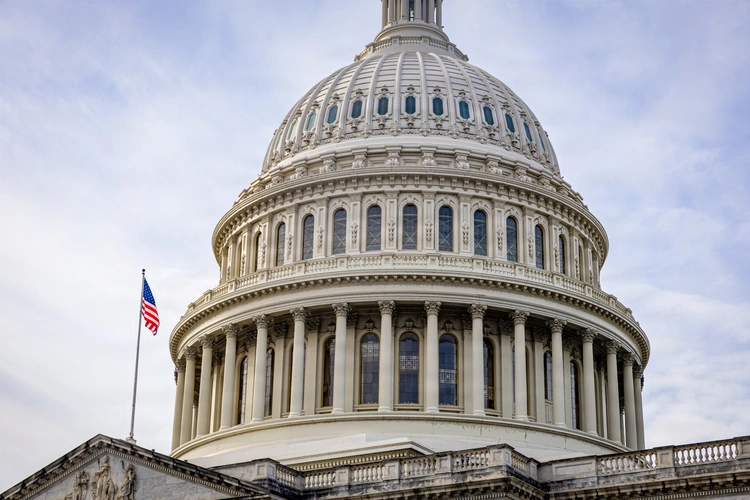
U.S. Sens. Catherine Cortez Masto (D-NV) and Ted Budd (R-NC) on Thursday introduced the Veterans Protection from Fraud Act of 2026, a bipartisan proposal aimed at increasing criminal penalties for individuals who deliberately target veterans in fraud schemes.
The bill, introduced in the 119th Congress, would amend 18 U.S.C. § 2326 to impose a sentencing enhancement of up to 10 years in prison for defendants convicted of fraud offenses that intentionally target veterans. Lawmakers say the measure is designed to deter increasingly common scams that exploit veterans’ benefits, financial stability, and trust in government institutions.
“Every day, our servicemembers risk everything to protect our homeland and defend our freedoms,” Cortez Masto said in a statement announcing the bill. “The least we can do when these brave men and women come home is ensure that we protect their financial wellbeing from those bad actors who target them because of their service.”
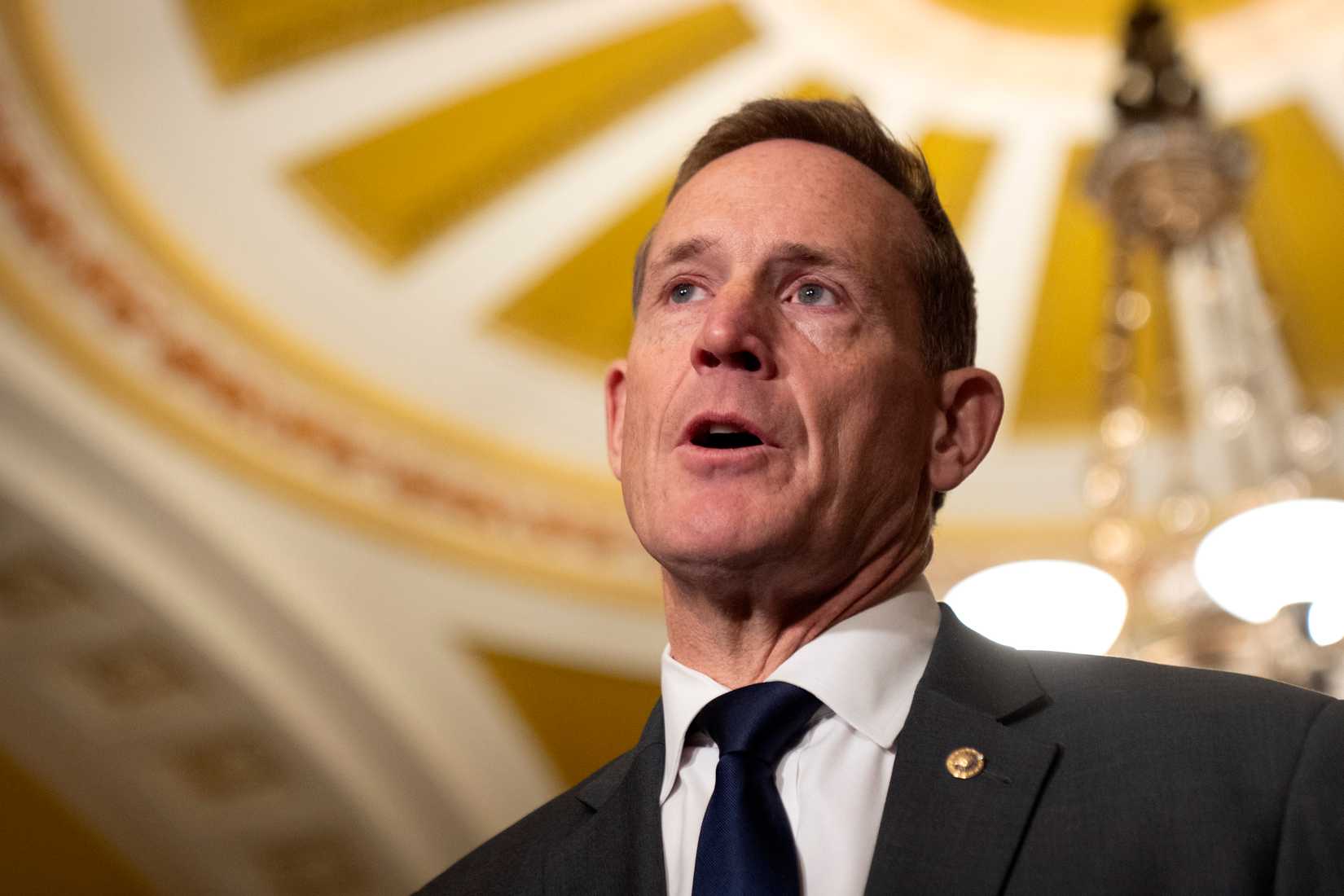
Budd emphasized the need for stronger enforcement tools, arguing that current law does not adequately address fraud schemes that specifically target veterans.
“Our nation’s veterans, who bravely served our country in defense of our freedoms, have become the primary targets of criminal fraud schemes. Those who attempt to defraud our servicemembers must face strict criminal penalties for their actions,” he said.
Closing a Gap in Federal Law
The legislation focuses on a targeted but meaningful change to existing statute. It would amend 18 U.S.C. § 2326, a provision that already allows enhanced penalties for fraud schemes that target vulnerable populations.
Current law permits sentencing enhancements when offenders specifically target individuals over the age of 55 or if the scheme affects ten or more people over 55. The new bill would expand that framework by adding veterans of any age as a protected category.
To do so, the legislation inserts language covering “targeted veterans” as defined under federal law. Title 38 defines a veteran as a person who served in active military, naval, air, or space service and was discharged under conditions other than dishonorable.
That change allows prosecutors to seek enhanced penalties when they can show that a defendant deliberately designed or carried out a fraud scheme aimed at veterans. The underlying offenses such as wire fraud, mail fraud, or bank fraud remain the same, but the sentencing exposure increases when victim targeting is proven.
The bill’s enhancement would apply broadly across fraud-related conduct, including schemes involving false documents, fraudulent devices, healthcare fraud, and financial institution fraud.
Rising Costs of Veteran-Targeted Fraud
The legislation comes as federal agencies continue to warn about the scale and sophistication of scams targeting veterans and military families.
According to figures cited by the bill’s sponsors, fraud cost veterans, servicemembers and their families approximately $477 million in 2023. Scammers frequently tailor their tactics to exploit veterans’ access to benefits or familiarity with government systems.
Many schemes involve impersonation of officials from the Department of Veterans Affairs or fraudulent offers to help file or expedite benefits claims.
Lawmakers backing the bill argue that the absence of a veteran-specific sentencing enhancement weakens deterrence and fails to reflect the deliberate nature of these schemes.
Companion Bill Introduced in House
Rep. Tim Burchett (R-TN) introduced companion legislation in the House that mirrors the Senate proposal, signaling coordinated bipartisan support across both chambers.
“Veterans put their lives on the line for us at home and abroad. Our duty is to protect them when they return,” Burchett said. “I am proud to have introduced this legislation in the House.”
The House and Senate versions both rely on amending Section 2326 to ensure that enhanced penalties apply consistently in cases involving targeted fraud against veterans.
If enacted, the Veterans Protection from Fraud Act would not create new criminal offenses. Instead, it would strengthen existing law by increasing penalties when fraudsters intentionally single out veterans.
Supporters argue that this targeted approach sends a clear signal: exploiting veterans is not just another fraud offense; rather, it is an aggravating factor that warrants more severe punishment.
Read the full article here
35 Comments
Production mix shifting toward USA might help margins if metals stay firm.
Good point. Watching costs and grades closely.
Good point. Watching costs and grades closely.
Exploration results look promising, but permitting will be the key risk.
Good point. Watching costs and grades closely.
Exploration results look promising, but permitting will be the key risk.
Good point. Watching costs and grades closely.
Good point. Watching costs and grades closely.
I like the balance sheet here—less leverage than peers.
Good point. Watching costs and grades closely.
Good point. Watching costs and grades closely.
Silver leverage is strong here; beta cuts both ways though.
Interesting update on Bipartisan Bill Targets Fraud Schemes Exploiting Veterans. Curious how the grades will trend next quarter.
Uranium names keep pushing higher—supply still tight into 2026.
Good point. Watching costs and grades closely.
Silver leverage is strong here; beta cuts both ways though.
Good point. Watching costs and grades closely.
Good point. Watching costs and grades closely.
Exploration results look promising, but permitting will be the key risk.
The cost guidance is better than expected. If they deliver, the stock could rerate.
Silver leverage is strong here; beta cuts both ways though.
Good point. Watching costs and grades closely.
Nice to see insider buying—usually a good signal in this space.
Exploration results look promising, but permitting will be the key risk.
If AISC keeps dropping, this becomes investable for me.
Silver leverage is strong here; beta cuts both ways though.
Silver leverage is strong here; beta cuts both ways though.
Good point. Watching costs and grades closely.
Good point. Watching costs and grades closely.
The cost guidance is better than expected. If they deliver, the stock could rerate.
If AISC keeps dropping, this becomes investable for me.
Good point. Watching costs and grades closely.
Good point. Watching costs and grades closely.
Interesting update on Bipartisan Bill Targets Fraud Schemes Exploiting Veterans. Curious how the grades will trend next quarter.
Interesting update on Bipartisan Bill Targets Fraud Schemes Exploiting Veterans. Curious how the grades will trend next quarter.