

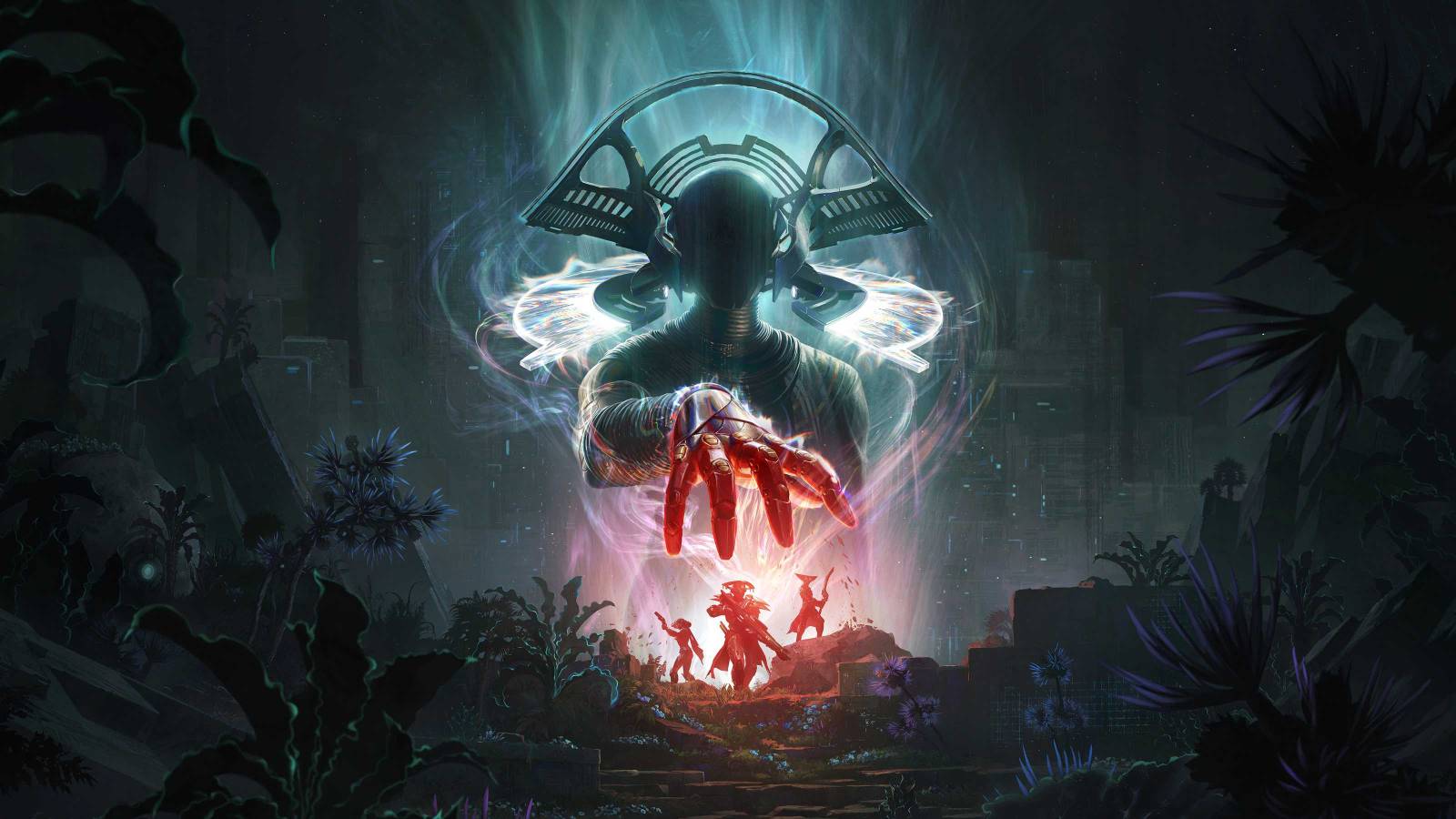
Listen—the end of live-service support for Destiny 2 is frustrating, and there’s no denying that. We’re watching a game that, for many of us, occupied all or at least a significant portion of our last decade in gaming, so the aggravation is not only understandable, it’s entirely justifiable. However, regardless of how painful the inevitable end of Destiny 2 is, and despite how justified we are to feel this heartbroken over the situation, there’s really no excuse, nor is there reason, to spew hateful speech at Bungie, as if the studio is solely responsible.
It’s easy to see all of this as exclusively a Bungie problem, but it’s really not. In 2022, 100% of the developer’s shares were acquired by Sony, a company that ultimately moved forward with the buyout because it believed Bungie would help advance its live-service ambitions in light of the continued success of Destiny 2. Just shy of four years later, the game’s ongoing development is concluding with a final update in June, and on top of that, it seems Destiny 3 isn’t happening either. In other words, as easy as it is to pin the death of Destiny 2 on Bungie alone, Sony’s role in it all makes that conclusion a lot harder to defend.
Destiny 2’s End Is a Sony Problem, Not Just a Bungie Problem
The important thing here is not simply that Sony owns Bungie. It’s that ownership changes who ultimately gets to decide whether Destiny 2 is still worth the kind of investment players expected it to receive. Bungie can pitch new ideas, rework its live-service model, and try to convince players there is still life left in the franchise, but a studio under Sony’s umbrella is no longer operating with the same freedom it had prior to the acquisition.
That’s where the frustration around Bungie really only makes a little bit of sense. Players can blame Bungie for years of questionable decisions, and some of that criticism is completely fair. Destiny 2 didn’t arrive at this point because everything was going perfectly until Sony suddenly stepped in. Still, once the game became part of Sony’s portfolio, the biggest questions around its future became Sony questions too, if not even more so. As Bungie’s parent company, Sony was the company backing Bungie’s operations and deciding how much continued investment the studio’s projects were worth. To quote Hopper from A Bug’s Life, “First rule of leadership: everything is your fault.”
Sony Bought Bungie for Live Service, Then Backed Out When It Needed Help
Sony’s own financial position makes its role in all of this even harder to ignore. The company reportedly recorded a $766 million impairment loss against Bungie for FY2025, and an earlier roughly $198 million impairment was reportedly tied to Destiny 2 falling short of Sony’s sales and engagement expectations. In plain terms, Sony bought Bungie because it believed Destiny 2 and Bungie’s live-service expertise would help justify a much bigger live-service future, then had to lower Bungie’s value on its books when that future stopped looking as profitable as it initially expected. So, while Bungie’s mistakes helped put Destiny 2 in this position, Sony is the company that seems to have looked at those numbers and decided the franchise no longer justified the same level of investment.
That doesn’t mean Sony killed Destiny 2 out of spite, and it also doesn’t mean Bungie gets to walk away from its own mistakes. The more realistic version is less dramatic, but probably more accurate. Sony bought Bungie expecting Destiny and Bungie’s live-service expertise to carry a certain value, then seems to have reassessed that value once Destiny 2 and Marathon no longer matched those expectations. In that context, Destiny 2‘s final update is the visible result of Sony deciding how much more runway Bungie’s most important franchise deserves.
Once the game became part of Sony’s portfolio, the biggest questions around its future became Sony questions too, if not even more so.
That’s why blaming Bungie alone misses the larger picture. Bungie may have put Destiny 2 in a vulnerable position, but Sony is the company now deciding what that vulnerability means. If Destiny 2 is ending active support, Destiny 3 is reportedly not in development, and Bungie truly is facing more layoffs, then this is about a franchise being measured against Sony’s expectations and apparently coming up short.
Read the full article on GameRant
This article originally appeared on GameRant and is republished here with permission.
Read the full article here
30 Comments
If AISC keeps dropping, this becomes investable for me.
Good point. Watching costs and grades closely.
Good point. Watching costs and grades closely.
If AISC keeps dropping, this becomes investable for me.
Production mix shifting toward USA might help margins if metals stay firm.
If AISC keeps dropping, this becomes investable for me.
Good point. Watching costs and grades closely.
The cost guidance is better than expected. If they deliver, the stock could rerate.
Good point. Watching costs and grades closely.
Interesting update on Bungie is Not Really at Fault Over Destiny 2’s Shutdown. Curious how the grades will trend next quarter.
If AISC keeps dropping, this becomes investable for me.
Good point. Watching costs and grades closely.
Silver leverage is strong here; beta cuts both ways though.
Production mix shifting toward USA might help margins if metals stay firm.
Good point. Watching costs and grades closely.
Good point. Watching costs and grades closely.
Silver leverage is strong here; beta cuts both ways though.
Exploration results look promising, but permitting will be the key risk.
Good point. Watching costs and grades closely.
Good point. Watching costs and grades closely.
Silver leverage is strong here; beta cuts both ways though.
Good point. Watching costs and grades closely.
Good point. Watching costs and grades closely.
Production mix shifting toward USA might help margins if metals stay firm.
Good point. Watching costs and grades closely.
Good point. Watching costs and grades closely.
The cost guidance is better than expected. If they deliver, the stock could rerate.
Good point. Watching costs and grades closely.
Good point. Watching costs and grades closely.
The cost guidance is better than expected. If they deliver, the stock could rerate.