

A permanent change of station (PCS) can give you plenty of expenses, from moving costs and travel to deposits, temporary lodging and setting up a new home.
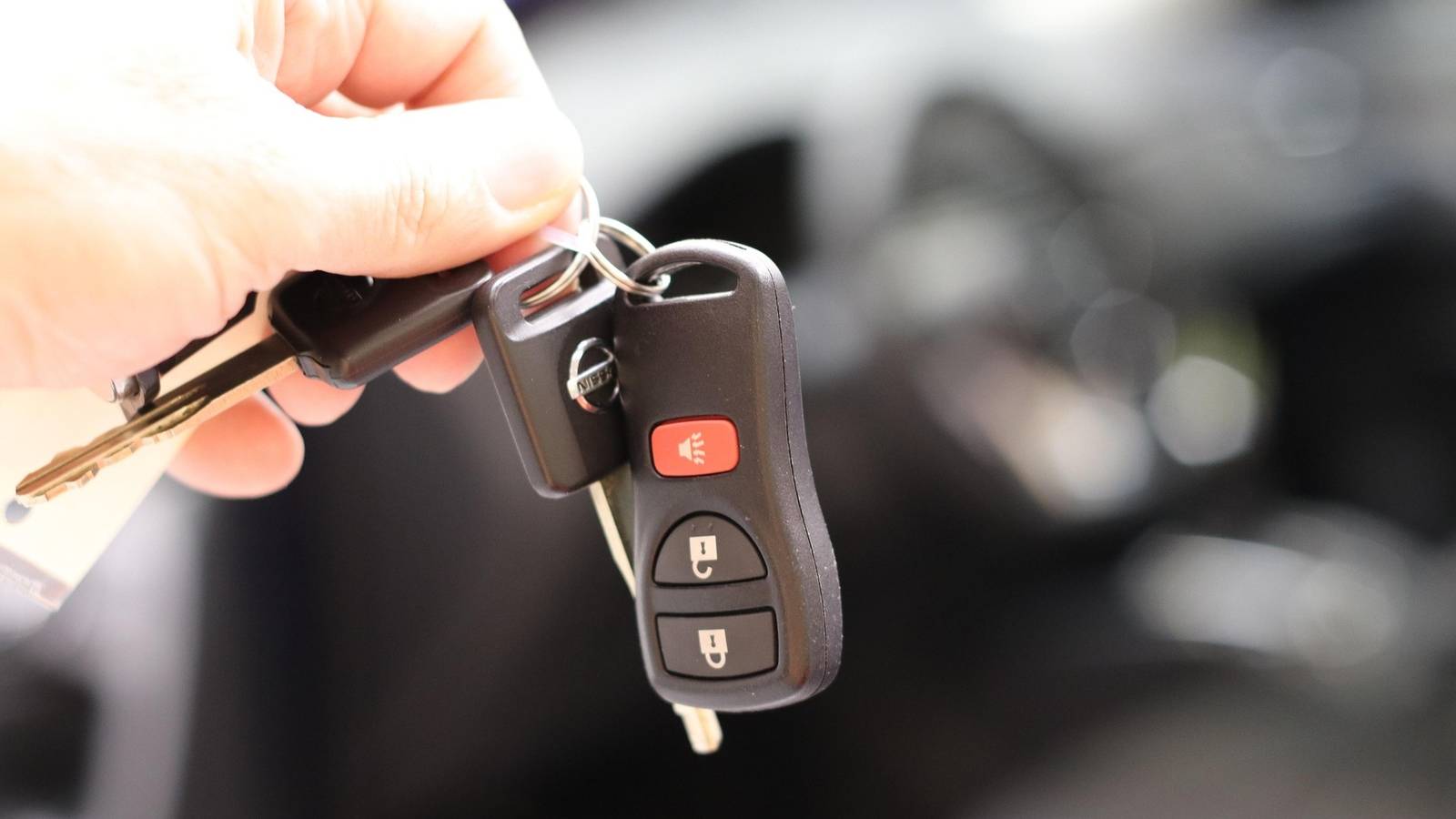
One decision that can have a major impact on your budget is what to do about your vehicle.
If you currently own a vehicle, the easiest thing to do is to keep it through your next move, as it will provide transportation without adding to your moving costs.
However, if your vehicle is on its last legs, or if you just want to drive something new, buying or leasing another vehicle could be on your mind.
If so, then one other dilemma is whether it’s a better idea to buy or lease a new vehicle, or keep your current car. We’ll help you sort it out with this guide.
Keeping Your Vehicle: Pros and Cons
Whether you own an older Jeep Wrangler, a newer Honda Civic, or anything in between, keeping your current car can be a major advantage when changing stations.
You’ll have a way to get around and, if you own the car outright, you won’t have any car payments.
That’s the major advantage compared to the other two options, but there are more pros and cons to think about.
Pros:
- Avoid taking on a new loan: If you are leasing or financing your current vehicle and it has a manageable monthly payment, you may take on a more expensive loan with a newer vehicle.
- Vehicle history: By keeping your current car, you will know its maintenance history, how it drives, and whatever repairs it needs.
- You can wait until after PCS: Keeping your current car allows you to learn what you need at your new duty station before making a purchase.
Cons:
- May not fit your new duty station: Your current vehicle may not be equipped to handle a snowy location or one that sees inclement weather during parts of the year.
- Fuel cost could increase: If your new duty station has a longer commute, you may have to pay more for fuel.
- Shipping your car: If you have to ship your car to the next location, that can add to the overall moving costs.
Leasing a New Vehicle: Pros and Cons
If you decide that you would rather trade or sell your current vehicle in favor of getting a new one, then leasing could be a good option to consider.
When leasing, you will essentially rent the vehicle for a certain period of time, typically 36 months. There are annual mileage restrictions when leasing, but at the end of the lease, you’ll have the flexibility to purchase the vehicle, return it, or start another lease on a new model.
Leasing gives you the opportunity to enjoy a new vehicle every few years without the long-term commitment that comes with financing or paying cash for a new car. There are a few more pros and cons as well.
Pros:
- Lower monthly payments: Since you’re only paying for the depreciation of the vehicle when you lease it, you will typically enjoy lower monthly payments than financing.
- A newer vehicle: A main advantage of leasing a new vehicle is that you’ll be able to drive a new vehicle and switch to another model after a few years.
- No need to sell: You won’t have to worry about selling the vehicle when the lease ends, as you can simply return it and walk away.
Cons:
- Mileage limits: Leasing a vehicle typically comes with annual mileage limits, which can result in additional fees when you return the vehicle if you go over the limit.
- Ending the lease early: If you end your lease early, some early termination fees can apply. Military-specific protections may apply in certain situations, but eligibility and requirements vary.
- You’re committing to monthly payments: If you currently own your vehicle, you’ll have to commit to monthly payments if you lease a new vehicle, further adding to your costs.
Buying a New Vehicle: Pros and Cons
If you prefer to own your vehicle for more than a few years, you may consider financing a new car instead. Of course, you can always purchase it outright.
When doing so, you’ll own the car and can drive it for as long as you want without worrying about the annual mileage.
However, as with the other two options, there are a few more pros and cons to think about when buying a new car:
Pros:
- You build equity: Unlike leasing, if you finance a vehicle, you’ll build equity toward owning it outright with every monthly payment you make.
- Potentially lower long-term costs: If you finance a vehicle, your ownership costs will eventually be lower when the monthly payments are finished,
- You can choose a vehicle that fits your duty station: No matter where you are stationed in the country, you’ll be able to find a vehicle that matches your location when considering the weather conditions and other needs.
Cons:
- Depreciation: The vehicle’s value will decline over time, and you will be responsible for that loss in value.
- Negative equity: If you buy too much car for your budget, you could owe more than it’s worth, making a future PCS or vehicle change more difficult.
- Long-term commitment: A five or six-year auto loan could extend beyond your current assignment.
Which Option Is Right For You?
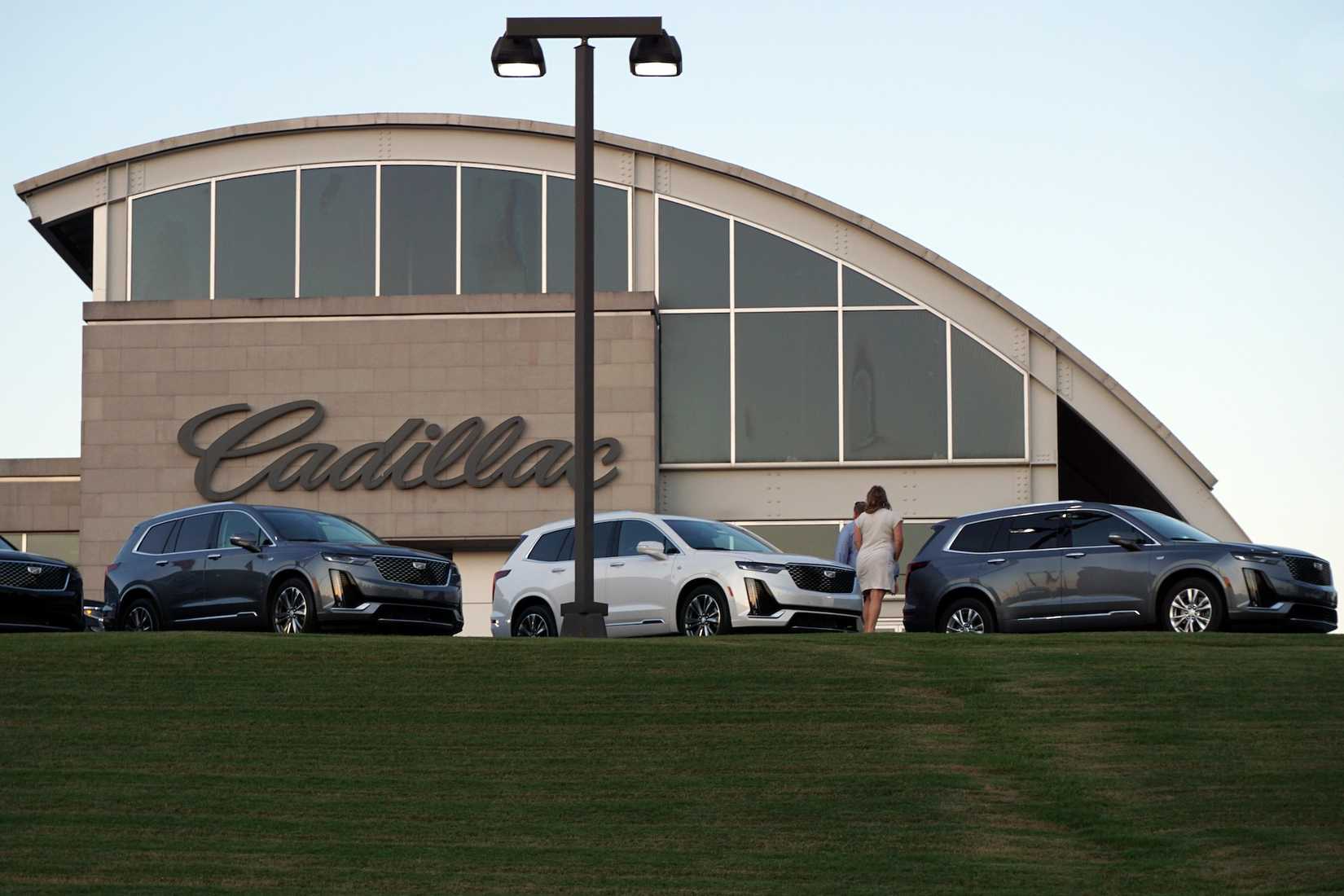
If you’re changing stations and are forced to consider whether to purchase or lease a new vehicle, or keep your current one, the answer depends on your needs.
If you expect to remain at your next duty station for a while, keeping your vehicle could be a good idea. If it’s paid off, you also won’t have any monthly payments to worry about.
However, if your budget allows for a comfortable monthly payment, buying a vehicle can provide the benefits of ownership and long-term flexibility.
Leasing can offer access to a new vehicle and potentially lower monthly payments, making it a good choice if you’re interested in driving a new vehicle every few years.
Before making a decision, look beyond the monthly payment. Consider the total cost of the vehicle, your expected mileage, insurance, maintenance, financing terms and how your next PCS could affect your plans.
Taking the time to compare those factors can help you choose the option that fits your circumstances rather than making a rushed decision in the middle of a move.
Read the full article here
29 Comments
Exploration results look promising, but permitting will be the key risk.
Good point. Watching costs and grades closely.
Good point. Watching costs and grades closely.
Uranium names keep pushing higher—supply still tight into 2026.
Interesting update on Buy, Lease or Keep Your Vehicle?. Curious how the grades will trend next quarter.
Good point. Watching costs and grades closely.
If AISC keeps dropping, this becomes investable for me.
Good point. Watching costs and grades closely.
The cost guidance is better than expected. If they deliver, the stock could rerate.
Good point. Watching costs and grades closely.
Good point. Watching costs and grades closely.
Nice to see insider buying—usually a good signal in this space.
Uranium names keep pushing higher—supply still tight into 2026.
Good point. Watching costs and grades closely.
The cost guidance is better than expected. If they deliver, the stock could rerate.
Good point. Watching costs and grades closely.
Good point. Watching costs and grades closely.
Production mix shifting toward USA might help margins if metals stay firm.
Exploration results look promising, but permitting will be the key risk.
Good point. Watching costs and grades closely.
The cost guidance is better than expected. If they deliver, the stock could rerate.
Good point. Watching costs and grades closely.
If AISC keeps dropping, this becomes investable for me.
Good point. Watching costs and grades closely.
Good point. Watching costs and grades closely.
Nice to see insider buying—usually a good signal in this space.
Good point. Watching costs and grades closely.
Good point. Watching costs and grades closely.
Uranium names keep pushing higher—supply still tight into 2026.