

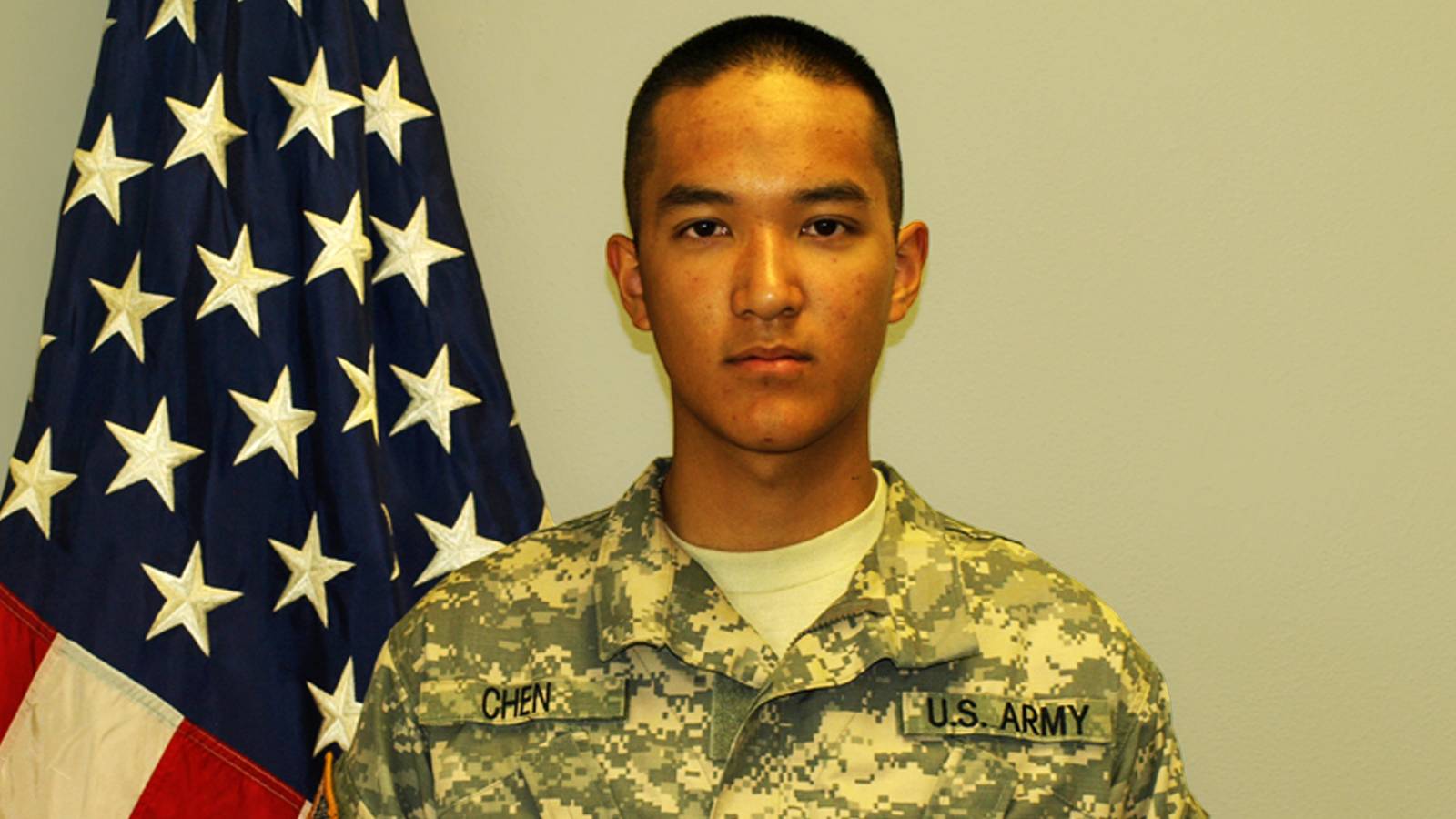
Fifteen years after Army Pvt. Danny Chen died in Afghanistan following weeks of racial harassment and abuse by fellow soldiers, his family’s fight for accountability is returning to the screen.
What Happened to Danny, a new documentary from director ManSee Kong, will make its world premiere Nov. 15 at DOC NYC in New York. The 78-minute film examines the death of the 19-year-old Chinese American infantryman, the military investigation that followed and the Chinatown community that demanded answers.
Chen, a Manhattan native, was found dead Oct. 3, 2011, from a self-inflicted gunshot wound at Combat Outpost Palace in Afghanistan’s Kandahar province. He had deployed with an infantry unit from Fort Wainwright, Alaska, only months earlier.
His death drew national attention after investigators uncovered allegations that soldiers had targeted him with racial slurs, physical assaults and humiliating punishments.
The case became a flashpoint in the military’s struggle with hazing and discrimination. Chen’s death was among several high-profile cases that prompted the Pentagon to strengthen its hazing policies and begin tracking allegations across the services.
Years later, a federal watchdog found that the Pentagon still lacked an accurate picture of hazing across the military, raising questions about whether reforms were effectively addressing the problem.
What Happened to Danny Chen in Afghanistan
During subsequent military proceedings, soldiers testified that Chen had been forced to crawl over rocky ground while others threw stones at him. Other testimony described ethnic insults and physical mistreatment in the weeks before his death.
The Army charged eight members of his unit, including an officer, with offenses related to his treatment and death. Proceedings took place at Fort Bragg, North Carolina.
Sgt. Adam Holcomb, one of the first soldiers tried, was convicted of assault and maltreating a subordinate but acquitted of negligent homicide and other serious charges. He received 30 days of confinement, a reduction in rank and a fine.
Other defendants pleaded guilty or were convicted of offenses including dereliction of duty and maltreatment. Chen’s family publicly criticized the sentences, saying the proceedings had failed to deliver meaningful accountability.
The death prompted scrutiny well beyond Chen’s unit. Senior enlisted leaders condemned hazing during a congressional hearing in March 2012, with Army leaders emphasizing that abusive treatment had no place in military service.
A Documentary About a Family’s Fight
According to DOC NYC’s official description, Kong’s film follows Chen’s parents and supporters as they challenge the initial account of his death and organize for answers. The festival describes the project as an investigation into racism, institutional power and the pursuit of accountability.
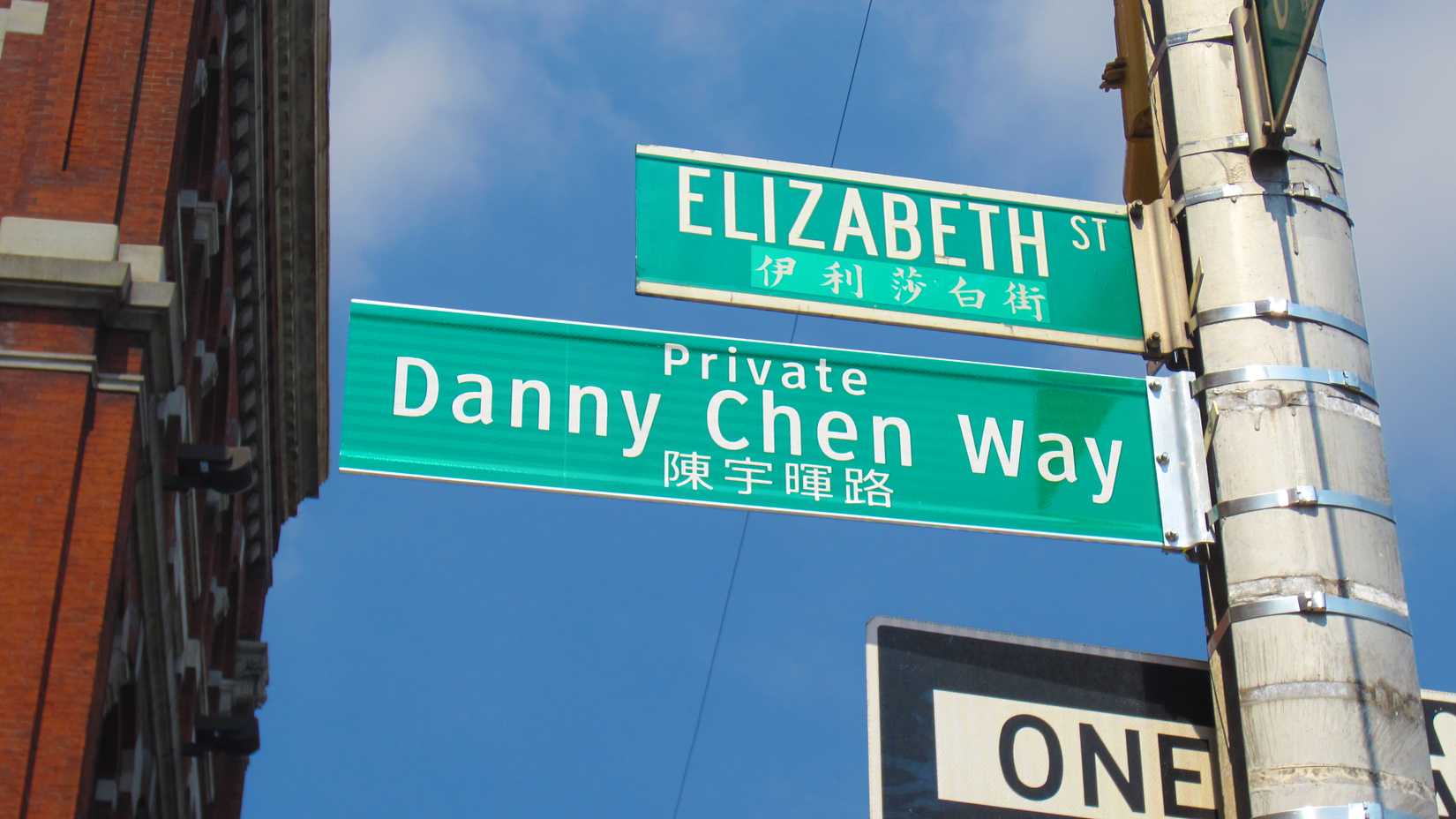
The documentary is scheduled to premiere at 7:15 p.m. Nov. 15 at Manhattan’s IFC Center. A question-and-answer session will feature Kong, producer and editor Samuel J. Rong, and participants Elizabeth OuYang, Banny Chen and Jacky Wong Tik.
Online screenings are scheduled Nov. 16-29. The film has not yet premiered, and its festival description does not establish whether it contains previously undisclosed evidence.
Concerns about the military’s response persisted. In 2023, the Pentagon’s inspector general launched a review of the Army’s handling of harassment, bullying and hazing
Chen’s story remains part of a current debate over military justice. In May, lawmakers introduced the Harry Lew and Danny Chen Military Justice Reform Act, named for Chen and a Marine who also died by suicide following hazing in Afghanistan in 2011.
The proposal would require an official review of whether hazing should become a standalone offense under the Uniform Code of Military Justice. It would not itself immediately create that offense.
For Chen’s family and the community that rallied around them, the documentary arrives 15 years after his death with a question that extends beyond a single unit: what accountability should look like when a service member faces abuse from the people serving beside him.
Read the full article here
23 Comments
The cost guidance is better than expected. If they deliver, the stock could rerate.
The cost guidance is better than expected. If they deliver, the stock could rerate.
Silver leverage is strong here; beta cuts both ways though.
I like the balance sheet here—less leverage than peers.
Good point. Watching costs and grades closely.
Good point. Watching costs and grades closely.
If AISC keeps dropping, this becomes investable for me.
I like the balance sheet here—less leverage than peers.
Good point. Watching costs and grades closely.
Good point. Watching costs and grades closely.
If AISC keeps dropping, this becomes investable for me.
Good point. Watching costs and grades closely.
Good point. Watching costs and grades closely.
Uranium names keep pushing higher—supply still tight into 2026.
Good point. Watching costs and grades closely.
Silver leverage is strong here; beta cuts both ways though.
Interesting update on Danny Chen Documentary Revisits Army Soldier’s 2011 Death. Curious how the grades will trend next quarter.
Good point. Watching costs and grades closely.
Good point. Watching costs and grades closely.
Exploration results look promising, but permitting will be the key risk.
Production mix shifting toward USA might help margins if metals stay firm.
Good point. Watching costs and grades closely.
Good point. Watching costs and grades closely.