

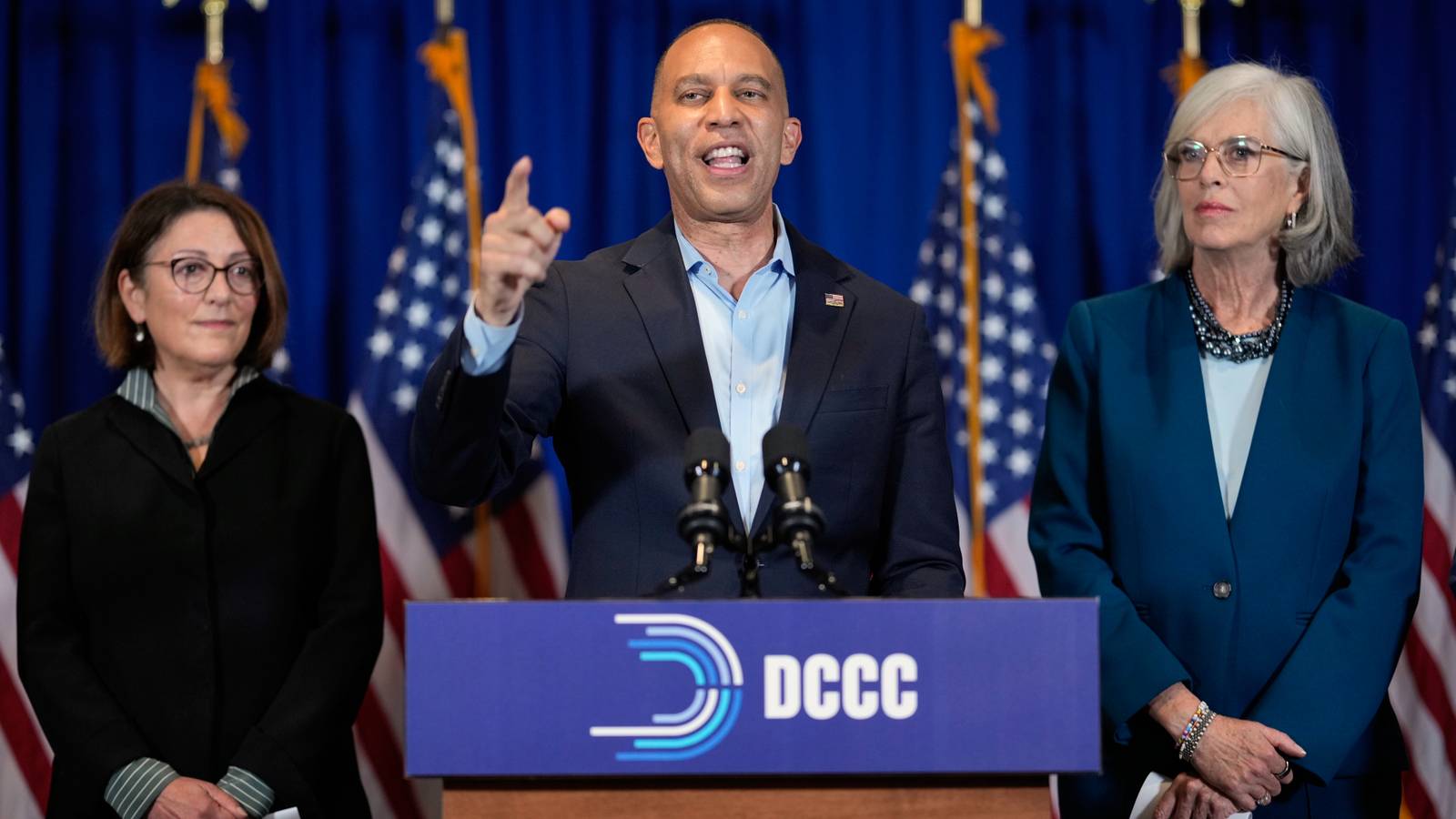
Democrats won both chambers of Congress during a massive election day last Tuesday and have already turned their new legislative power against President Donald Trump’s $1.5 trillion defense budget request.
Party lawmakers plan to shrink it by rewriting the annual defense policy bill and by letting a Dec. 11 government funding deadline push the real decisions into January and when they take control, according to their public statements.
Trump’s Fiscal Year 2027 request splits into roughly $1.15 trillion in regular defense funding and another $350 billion the White House wants passed through reconciliation, a party-line process the incoming majorities can simply refuse to take up.
Military.com reached out to the Pentagon for comment on how the department would absorb a smaller budget.
Hegseth visits Lockheed Martin, pushes Trump’s proposed $1.5T defense budget.
Congress has enacted neither piece. The National Defense Authorization Act (NDAA), the policy bill that sets the Pentagon’s blueprint, passed the House in July but failed a procedural vote in the Senate, and the government has run on a stopgap since the fiscal year began Oct. 1.
Democrats are likely to approve a defense budget of only around $1 trillion, Bloomberg reported Nov. 8, citing a person familiar with the planning.
This is the largest defense request in American history, 42% above this year’s level by the White House’s own accounting.
Defense Secretary Pete Hegseth has called the full amount a matter of national survival. “Not funding this department at 1.5 trillion, I believe, is the greatest threat that our nation faces,” he said in July.
A Trillion-Dollar Ceiling
Rep. Adam Smith of Washington, the House Armed Services Committee’s top Democrat and its incoming chair, drew the line the day after the election.
“We must push for the development of a more realistic and sustainable approach to our national security, one that does not require a defense budget in excess of $1 trillion or one paid for with Draconian cuts to critical domestic programs,” Smith said in a Nov. 4 statement.
That statement promises “vigorous oversight” of the Pentagon and scrutiny of what Smith called “sweetheart deals” for favored contractors, and it declares “the illegal war against Iran is top of mind.”
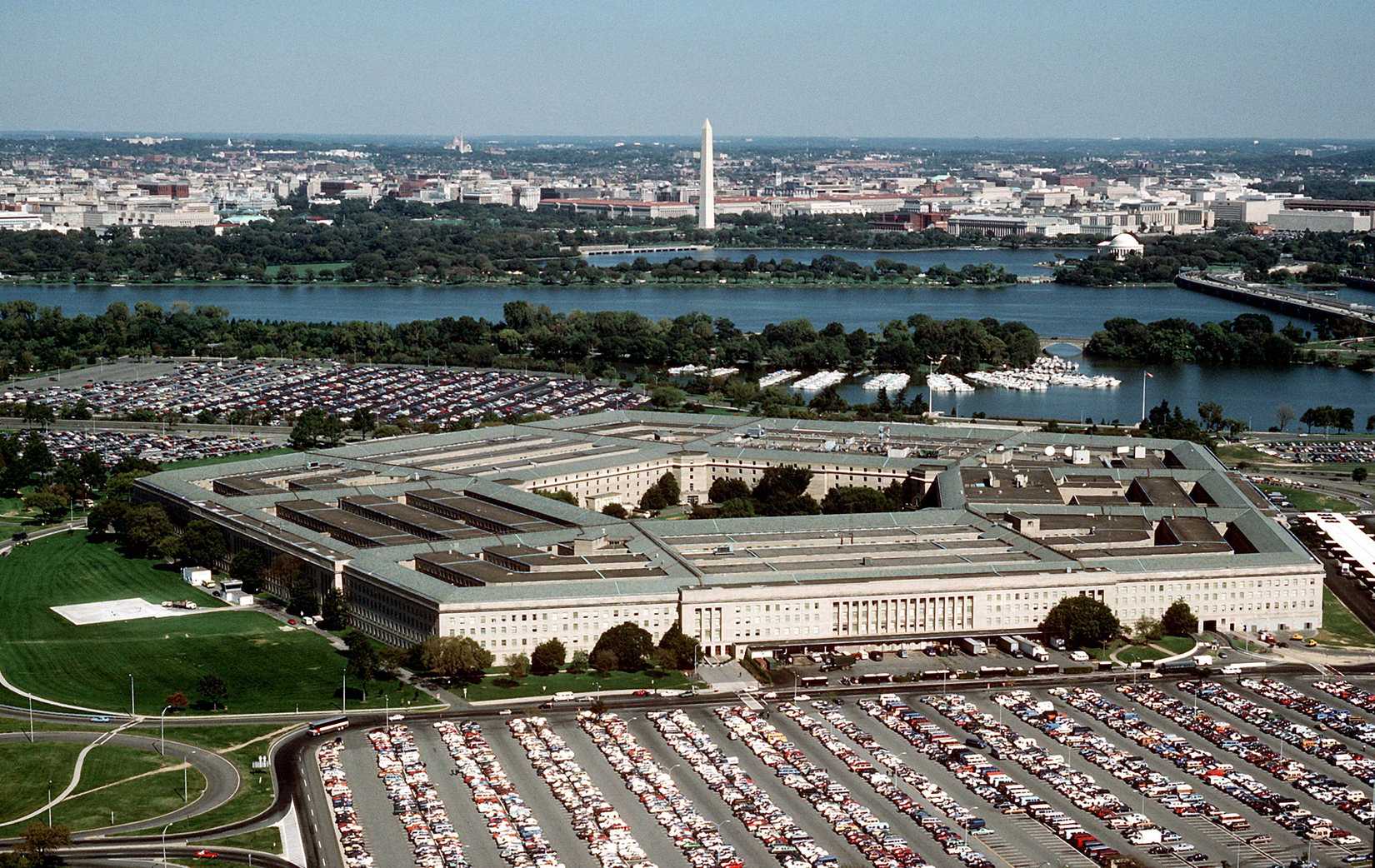
He also told The New Republic that cutting war funding will be “one of the first things we do.”
Democratic Sen. Jack Reed of Rhode Island, in line to lead the Senate Armed Services Committee, said in April he would “not rubber-stamp a bloated, undisciplined budget.”
What the Pentagon Says is at Stake
The regular request would raise procurement spending by $94 billion, research and development by $75 billion and operations and maintenance by $48 billion over this year’s levels, according to the Congressional Budget Office.
The $350 billion reconciliation piece is aimed mainly at the defense industrial base and next-generation technology, particularly drones and artificial intelligence.
Bloomberg reported that the Democratic resistance imperils marquee programs including the Golden Dome missile shield and the Trump-class battleship plan, and that shares of Lockheed Martin and Northrop Grumman fell last week as expectations of a spending surge faded.
A Pentagon official told Military.com in June that the total Trump administration cost for the Golden Dome is $185 billion.
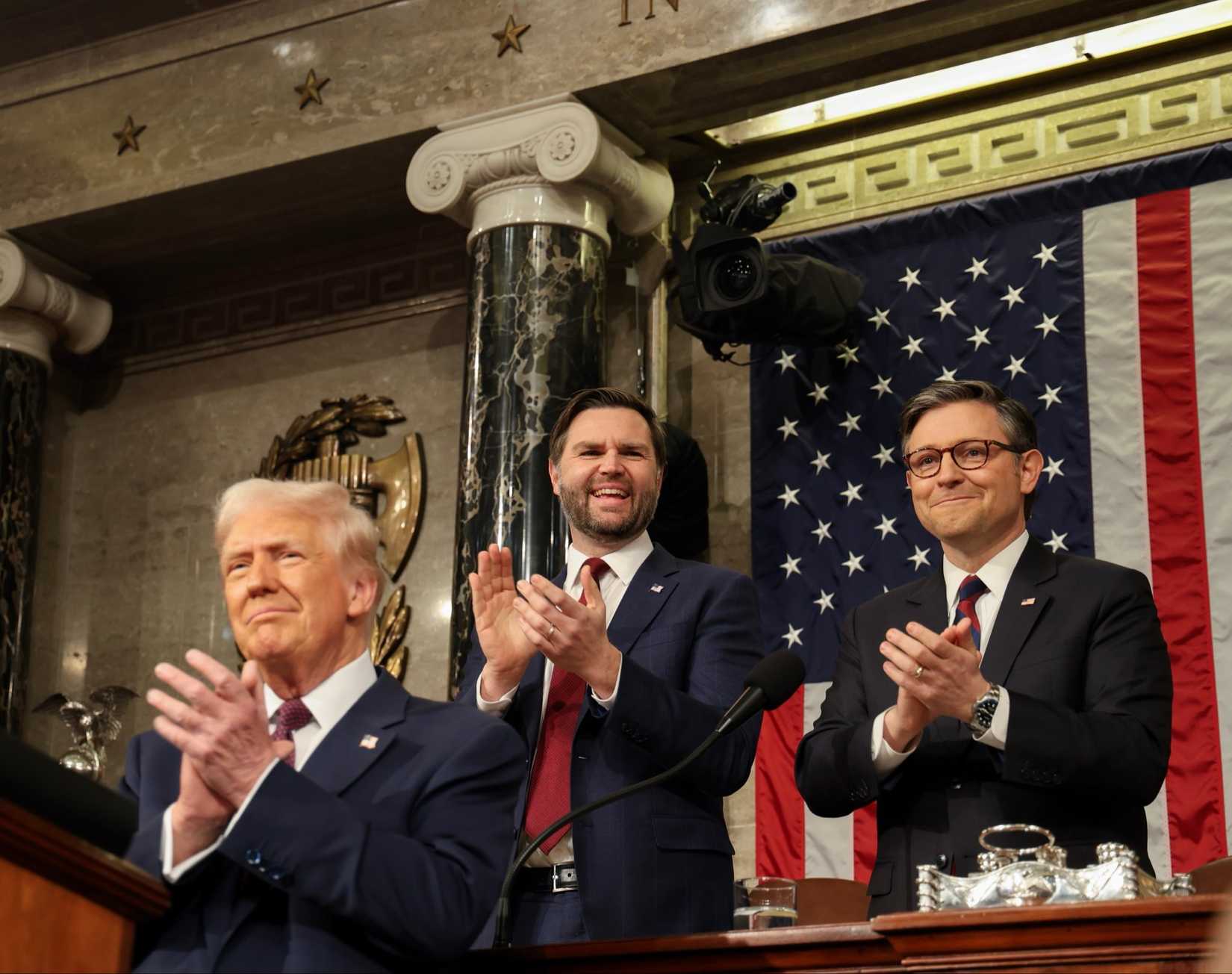
However, Hegseth has not backed off the number. The Pentagon is working with congressional committees to secure “a minimum of 350 [billion dollars], potentially more” in reconciliation funding, he said at an Army conference in October.
In a Nov. 5 video posted to X, he argued the department “must be funded to meet the moment right now.”
His own comptroller, Jules Hurst, told Breaking Defense in September that the department would work to fold the reconciliation priorities into regular spending bills if Congress does not pass the full request.
A separate supplemental request of nearly $70 billion, driven largely by the war with Iran, is still pending.
Republicans Trimmed the Request First
The budget resolution House Republicans passed in July pencils in just $60 billion for defense reconciliation, and the Senate’s draft matches it, according to an October analysis by the Center for Strategic and International Studies (CSIS).
Trump’s first reconciliation law delivered $157 billion for defense in 2025, while his second delivered nothing.
If a third passes at all, CSIS expects the total to land closer to $60 billion than to $350 billion. Senate Majority Leader John Thune, who will be in a diminished political position come January, has said securing the votes after the midterms would be “difficult.”
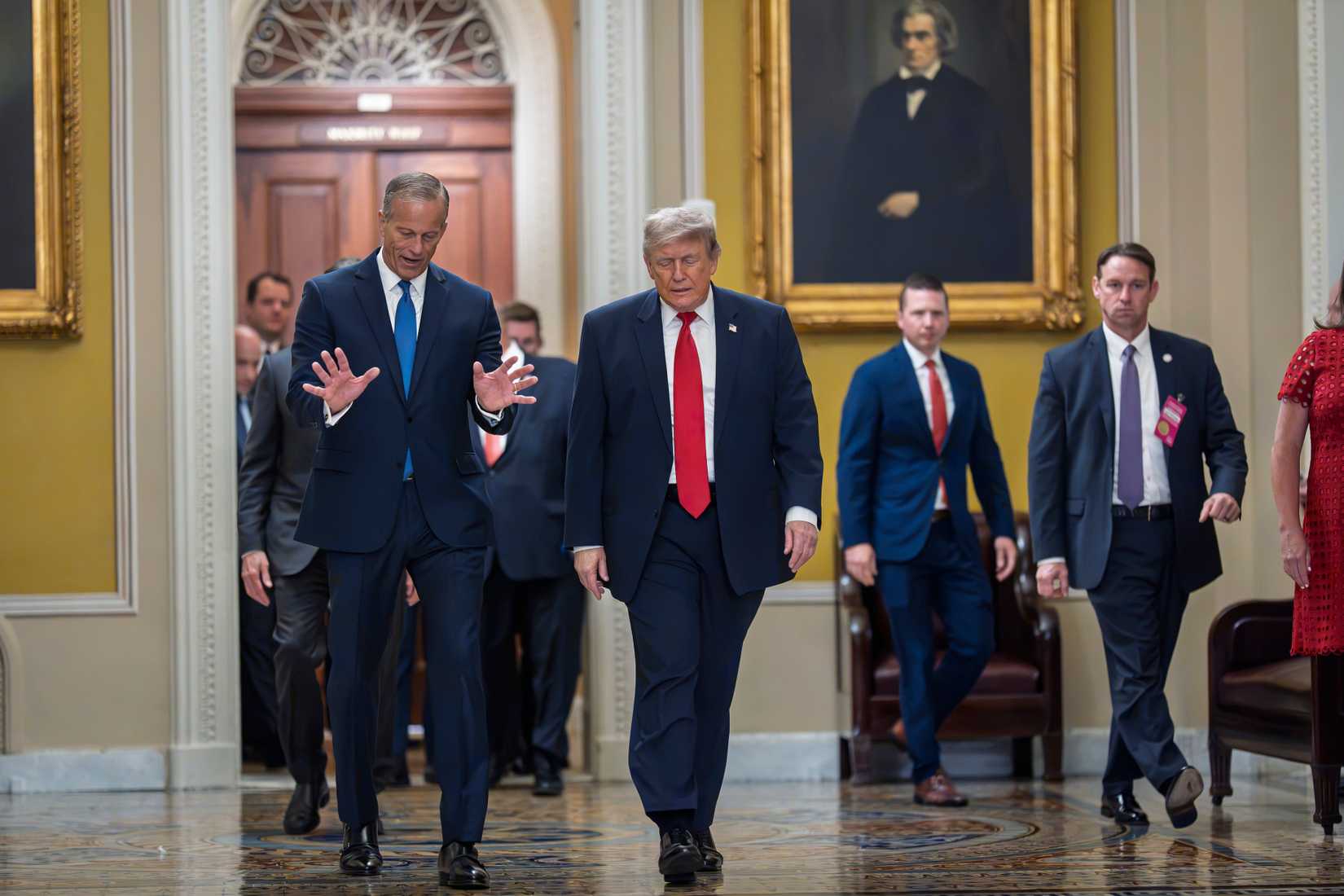
As of late October, the Senate had 22 scheduled session days left, and the House only 20. Some Democrats see no reason to spend them on a long-term deal.
“Now that we have these kinds of majorities, I don’t know that we need a long-term bill,” Rep. Glenn Ivey, a Maryland Democrat on the House Appropriations Committee, said on Bloomberg TV. “I’d be leaning more towards a short-term fix.”
Analysts broadly expect the request to shrink.
“The budget ultimately passed by Congress will likely fall short of the Trump administration’s ambitions,” Travis Sharp of the Center for Strategic and Budgetary Assessments wrote in a Nov. 4 paper.
Todd Harrison of the American Enterprise Institute told Bloomberg the defense policy bill’s passage “is a coin toss.” He warned that Democratic moves on war powers and Hegseth “could derail the whole process.”
Congress passed full-year defense spending bills before year’s end in each of the last three midterm cycles, CSIS noted, even when a chamber changed hands.
Read the full article here
22 Comments
Interesting update on Democrats Plan to Use NDAA and a December Funding Deadline to Shrink Trump’s $1.5T Defense Budget. Curious how the grades will trend next quarter.
Good point. Watching costs and grades closely.
Good point. Watching costs and grades closely.
Production mix shifting toward USA might help margins if metals stay firm.
Good point. Watching costs and grades closely.
The cost guidance is better than expected. If they deliver, the stock could rerate.
Good point. Watching costs and grades closely.
Silver leverage is strong here; beta cuts both ways though.
Good point. Watching costs and grades closely.
Uranium names keep pushing higher—supply still tight into 2026.
Good point. Watching costs and grades closely.
Exploration results look promising, but permitting will be the key risk.
Good point. Watching costs and grades closely.
Good point. Watching costs and grades closely.
Nice to see insider buying—usually a good signal in this space.
Good point. Watching costs and grades closely.
Interesting update on Democrats Plan to Use NDAA and a December Funding Deadline to Shrink Trump’s $1.5T Defense Budget. Curious how the grades will trend next quarter.
Good point. Watching costs and grades closely.
Good point. Watching costs and grades closely.
If AISC keeps dropping, this becomes investable for me.
If AISC keeps dropping, this becomes investable for me.
Good point. Watching costs and grades closely.