

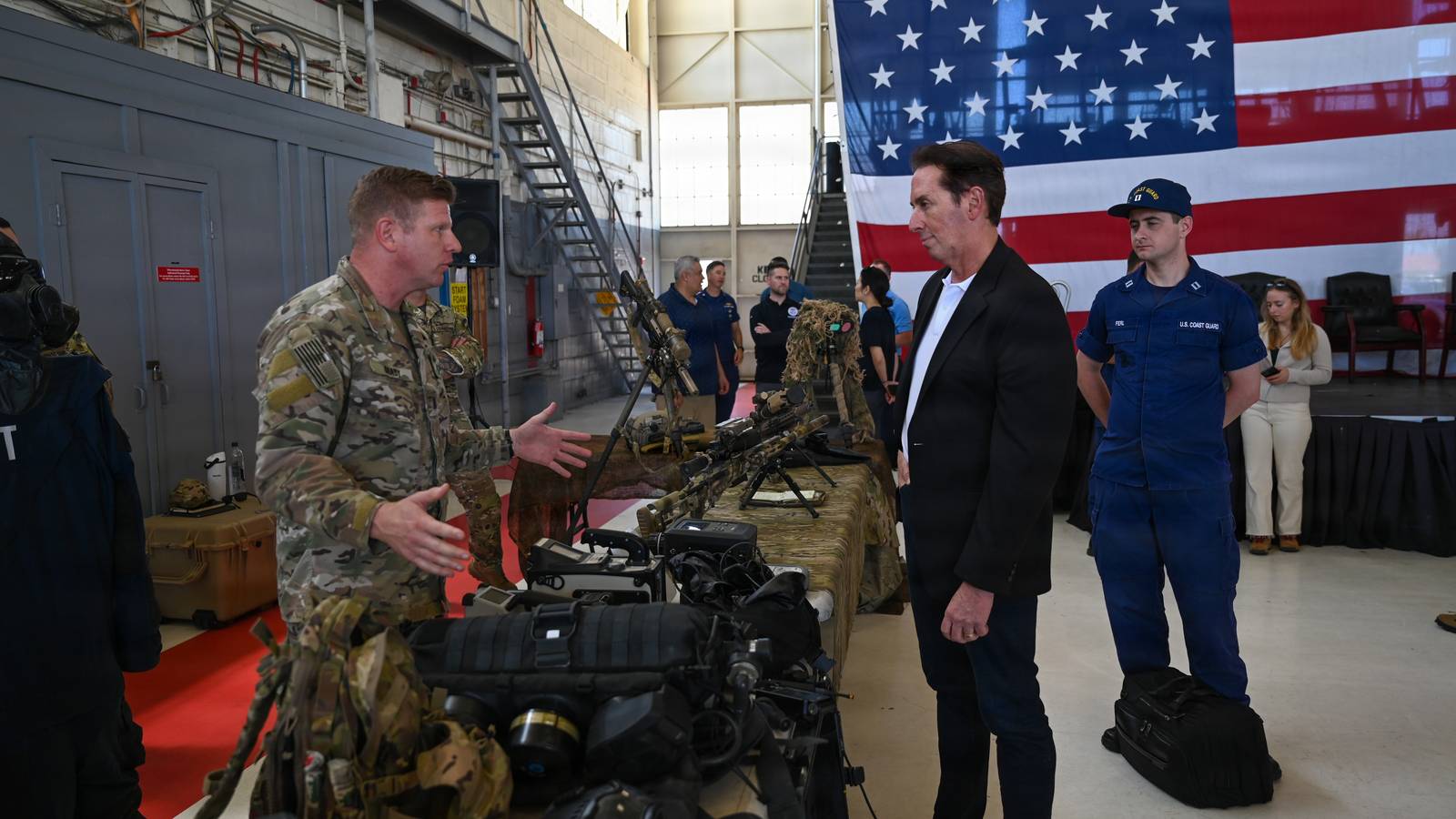
The Department of Homeland Security has nearly 30,000 open positions across 23 mission components that veterans can pursue as they leave the military, said DHS Deputy Secretary Troy Edgar.
Speaking with Department of Veterans Affairs Deputy Secretary Paul R. Lawrence on the VA’s “At the Table” video series Oct. 27, Edgar, a Navy veteran, said there are “tremendous opportunities” across the department’s agencies.
Veteran Unemployment
Every year, more than 200,000 service members leave the military and transition to civilian life, according to the VA. This shift can be tough in a tight job market, especially when employers do not understand how military skills translate into civilian jobs. Loosing military structure and contacts can also make the job hunt harder.
Overall, U.S. veteran unemployment fell to 2.9% in October 2026, down from 3.6% in September 2026 and well below the non-veteran rate of 4.0%, according to Bureau of Labor Statistics data.
Still, some groups face steeper odds. In September, Bureau of Labor Statistics data showed post-9/11 veterans had a 4.1% unemployment rate, while veterans ages 18 to 24 saw a 23.8% jobless rate. Demographic splits showed female veteran unemployment at 6.1% compared to 3.0% for men.
The data also shows nearly 43% of unemployed veterans spend more than 15 weeks looking for work, while workforce studies indicate roughly 40% of post-9/11 veterans remain underemployed in roles beneath their skill levels. About half leave their first post-military job within a year, according to the Department of Defense’s Transition Assistance Program, cited by Fortune.
Roles for Veterans at DHS
The department’s available roles include:
- law enforcement
- maritime security
- emergency management
- cyber security
- transportation security
- immigration services
Veterans make up about 30% of DHS’s 260,000-person workforce, Edgar said.
Edgar said veterans are “mission-driven” and “understand leadership” and teamwork, which are key traits at DHS. He said veterans with backgrounds in ship maintenance, engineering or design can find roles in the Coast Guard or at U.S. shipyards building new Arctic cutters.
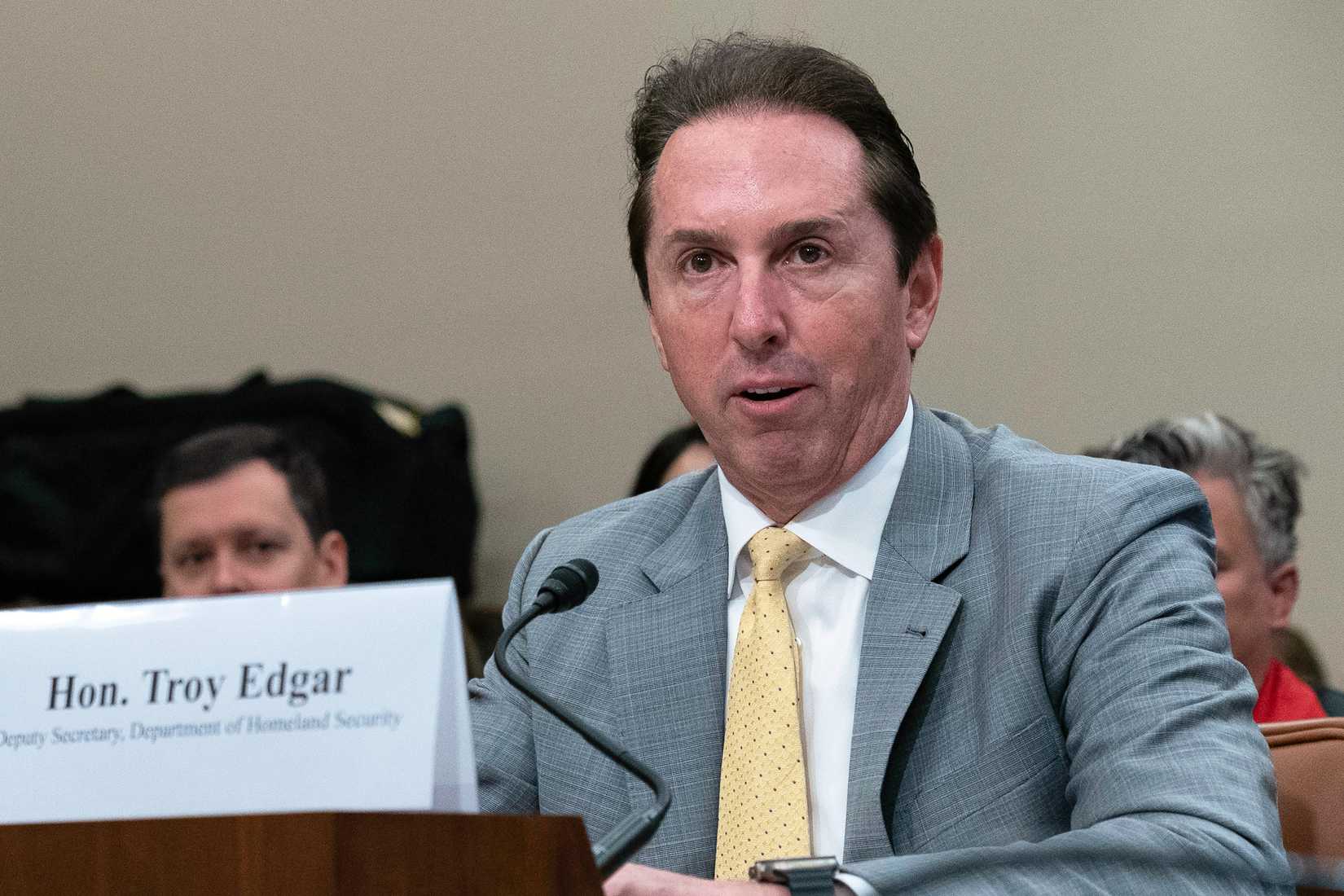
“There are good-paying jobs,” Edgar said.
He pointed to the Coast Guard Credentialing Opportunities On-Line program, which helps service members and civilian workers earn industry certifications for military or post-service jobs. The site lists more than 2,000 credentials in fields such as engineering, safety and technical operations.
Eligible Coast Guard active duty, reserve and civilian personnel can receive up to $4,500 per fiscal year through the service’s credentialing assistance program toward approved exams and training, while other military branches run separate COOL portals for their members.
VA officials also mentioned MilGears, a Navy-developed Defense Department tool that helps service members match their military occupation with civilian careers.
Edgar added that veterans can find roles with U.S. Customs and Border Protection, the Transportation Security Administration and DHS cybersecurity teams. He advised applicants interested in cybersecurity to show their “technical” skills on their resumes and urged departing troops to network early.
Veterans can find current job opportunities on the DHS Careers Portal.
Read the full article here
49 Comments
Exploration results look promising, but permitting will be the key risk.
Good point. Watching costs and grades closely.
Good point. Watching costs and grades closely.
Silver leverage is strong here; beta cuts both ways though.
Good point. Watching costs and grades closely.
Good point. Watching costs and grades closely.
If AISC keeps dropping, this becomes investable for me.
Good point. Watching costs and grades closely.
Good point. Watching costs and grades closely.
Uranium names keep pushing higher—supply still tight into 2026.
Good point. Watching costs and grades closely.
Good point. Watching costs and grades closely.
If AISC keeps dropping, this becomes investable for me.
Good point. Watching costs and grades closely.
Exploration results look promising, but permitting will be the key risk.
Good point. Watching costs and grades closely.
Good point. Watching costs and grades closely.
If AISC keeps dropping, this becomes investable for me.
Good point. Watching costs and grades closely.
Production mix shifting toward USA might help margins if metals stay firm.
Good point. Watching costs and grades closely.
Uranium names keep pushing higher—supply still tight into 2026.
Good point. Watching costs and grades closely.
Good point. Watching costs and grades closely.
Silver leverage is strong here; beta cuts both ways though.
Good point. Watching costs and grades closely.
Good point. Watching costs and grades closely.
Uranium names keep pushing higher—supply still tight into 2026.
Good point. Watching costs and grades closely.
Good point. Watching costs and grades closely.
I like the balance sheet here—less leverage than peers.
Good point. Watching costs and grades closely.
Nice to see insider buying—usually a good signal in this space.
Good point. Watching costs and grades closely.
Good point. Watching costs and grades closely.
Uranium names keep pushing higher—supply still tight into 2026.
Production mix shifting toward USA might help margins if metals stay firm.
Silver leverage is strong here; beta cuts both ways though.
Good point. Watching costs and grades closely.
Good point. Watching costs and grades closely.
Silver leverage is strong here; beta cuts both ways though.
Good point. Watching costs and grades closely.
Good point. Watching costs and grades closely.
Nice to see insider buying—usually a good signal in this space.
Nice to see insider buying—usually a good signal in this space.
Good point. Watching costs and grades closely.
I like the balance sheet here—less leverage than peers.
Exploration results look promising, but permitting will be the key risk.
Silver leverage is strong here; beta cuts both ways though.