

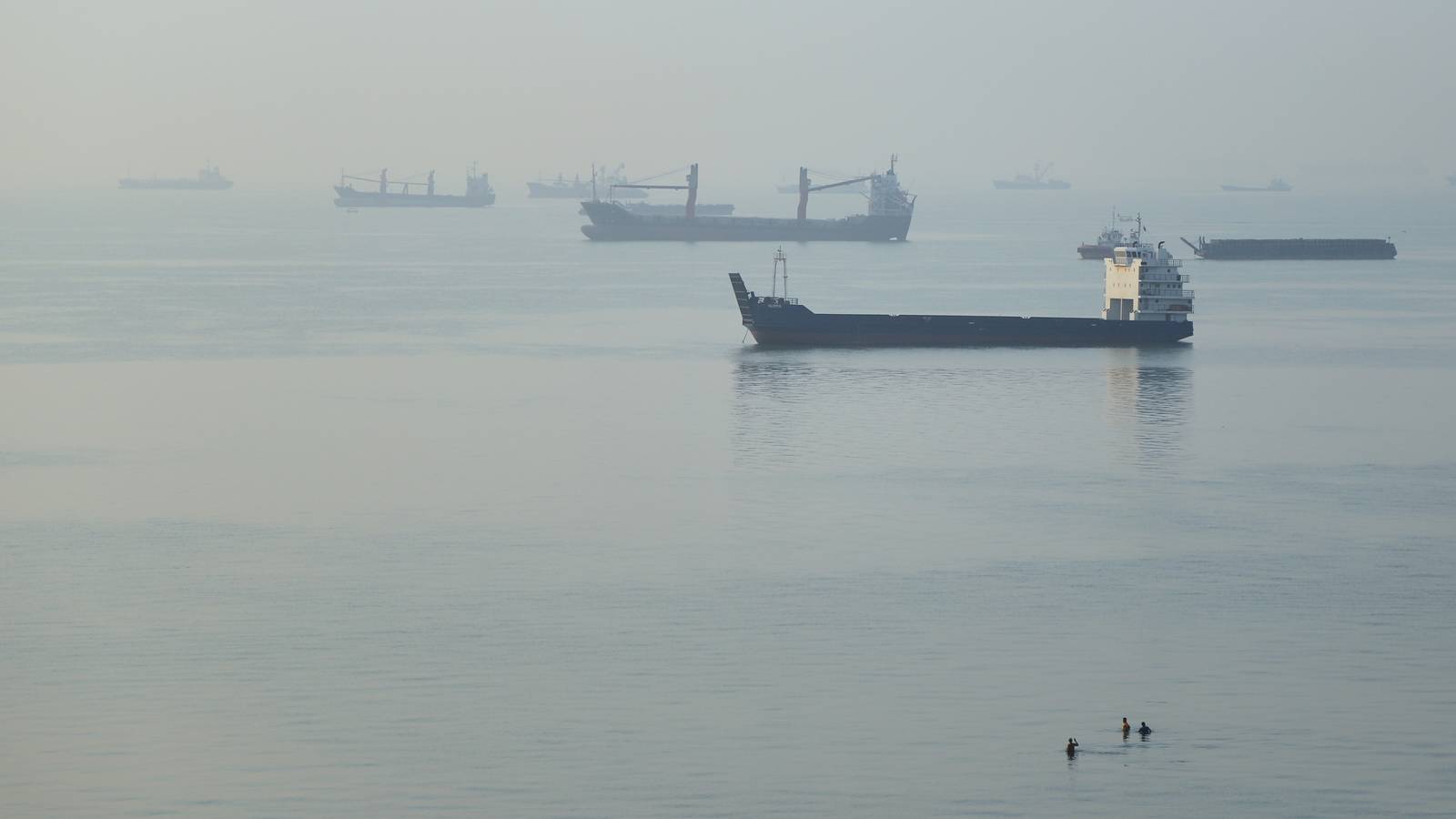
An Iranian cruise missile reportedly attacked a U.S. ship in the Strait of Hormuz, injuring eight U.S. Marines.
NBC News, citing anonymous officials, said the attack happened on Sept. 14 but had not been previously reported. The publication reported that while the Marines were not seriously injured, they sustained smoke inhalation and potential traumatic brain injuries (TBI). The officials said some of the Marines had symptoms of concussions, like headaches.
Military.com reached out to DOD for comment and confirmation.
It comes as the war with Iran, which began on Feb. 28, continues and ushers in its seventh month today with no indication of any imminent ceasefire. The ramifications of the military operation have led to major economic effects in the United States, notably within the energy market in the form of high gas prices as well as increased grocery costs.
Eighteen service members have now died and over 800 Americans have been wounded in the conflict, according to the Pentagon’s own data. Last week, Army officials told Military.com that Capt. Bianca C. Wilkerson, 37, of Norfolk, Va., died on Sept. 18 as a result of “a non-combat related incident.” She was posthumously promoted to major.
NBC News reported that the Marines were not on a Navy ship, and that all returned to duty soon after the attacks. They were reportedly operating as part of a battalion landing team.
The non-commissioned commercial vessel was in the Strait of Hormuz when the cruise missile struck. The Pentagon did not announce the injuries but integrated them into the Defense Casualty Analysis System.
Deaths and Injuries During the Conflict
Those who have died during the war include all six crew members aboard a plane who died in a crash in Iraq in March, when an unspecified incident involving another aircraft occurred while their KC-135 Air Force refueling aircraft was in “friendly” airspace.
In July, Tyler James Feehan, 25, of Ewa Beach, Hawaii; and Isabella Gonzales, 19, of Carrollton, Texas, died in Jordan.
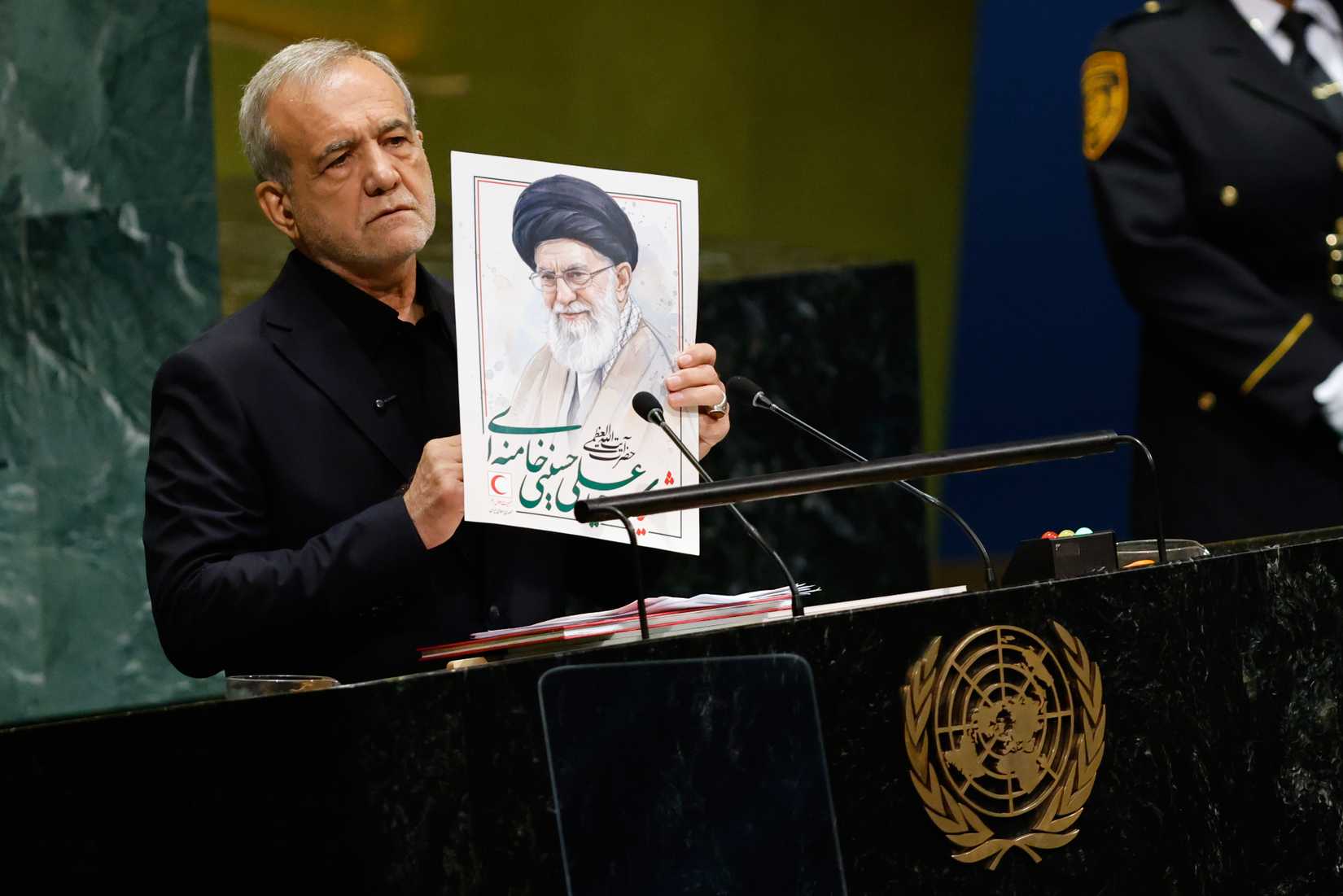
Iran’s President Masoud Pezeshkian holds an image of late Iranian Supreme Leader Ayatollah Ali Khamenei during the 81st session of the United Nations General Assembly at United Nations headquarters, Wednesday, Sept. 23, 2026. (AP Photo/Stefan Jeremiah)
The DOD also named a soldier who disappeared after the Jordan attacks as Angel S. Rampersad, 28, of Ozone Park, N.Y.
On Sept. 18, however, The Washington Post, citing anonymous sources familiar with the matter, reported that more American service members have died than the Pentagon has disclosed publicly. The publication said there have been at least 22 military fatalities, but the Pentagon refuted the claims. Military.com could not independently verify the Post report.
President Donald Trump announced on Sept. 26 that he had rejected an Iranian proposal to reopen the strategic Strait of Hormuz and end the current blockade.
Iranian Foreign Minister Abbas Araghchi said in response that Tehran is fully prepared for hostilities to resume, warning of readiness for a “doomsday war.”
Read the full article here
48 Comments
Exploration results look promising, but permitting will be the key risk.
Good point. Watching costs and grades closely.
Uranium names keep pushing higher—supply still tight into 2026.
Good point. Watching costs and grades closely.
If AISC keeps dropping, this becomes investable for me.
Nice to see insider buying—usually a good signal in this space.
Nice to see insider buying—usually a good signal in this space.
Good point. Watching costs and grades closely.
Good point. Watching costs and grades closely.
Interesting update on Eight Marines Injured With Smoke Inhalation and Possible TBIs in Previously Unreported Iranian Attack. Curious how the grades will trend next quarter.
Good point. Watching costs and grades closely.
Uranium names keep pushing higher—supply still tight into 2026.
The cost guidance is better than expected. If they deliver, the stock could rerate.
Good point. Watching costs and grades closely.
Good point. Watching costs and grades closely.
Production mix shifting toward USA might help margins if metals stay firm.
Good point. Watching costs and grades closely.
Good point. Watching costs and grades closely.
The cost guidance is better than expected. If they deliver, the stock could rerate.
Exploration results look promising, but permitting will be the key risk.
Good point. Watching costs and grades closely.
Good point. Watching costs and grades closely.
The cost guidance is better than expected. If they deliver, the stock could rerate.
Good point. Watching costs and grades closely.
Good point. Watching costs and grades closely.
Uranium names keep pushing higher—supply still tight into 2026.
Good point. Watching costs and grades closely.
Good point. Watching costs and grades closely.
The cost guidance is better than expected. If they deliver, the stock could rerate.
Good point. Watching costs and grades closely.
Good point. Watching costs and grades closely.
The cost guidance is better than expected. If they deliver, the stock could rerate.
Exploration results look promising, but permitting will be the key risk.
Good point. Watching costs and grades closely.
If AISC keeps dropping, this becomes investable for me.
If AISC keeps dropping, this becomes investable for me.
I like the balance sheet here—less leverage than peers.
Good point. Watching costs and grades closely.
Good point. Watching costs and grades closely.
Uranium names keep pushing higher—supply still tight into 2026.
Good point. Watching costs and grades closely.
Good point. Watching costs and grades closely.
I like the balance sheet here—less leverage than peers.
The cost guidance is better than expected. If they deliver, the stock could rerate.
Good point. Watching costs and grades closely.
Silver leverage is strong here; beta cuts both ways though.
Good point. Watching costs and grades closely.
Good point. Watching costs and grades closely.