

Cars getting shut down by the government is a fear going viral. Republicans are trying to stop the rule behind it.
The push centers on a provision in the Infrastructure Investment and Jobs Act requiring federal regulators to develop technology that can detect impaired driving in new vehicles, as well as prevent or limit operation when impairment is detected. The fight comes as lawmakers are already clashing over surveillance powers tied to the Foreign Intelligence Surveillance Act (FISA), with privacy concerns driving divisions inside Congress.
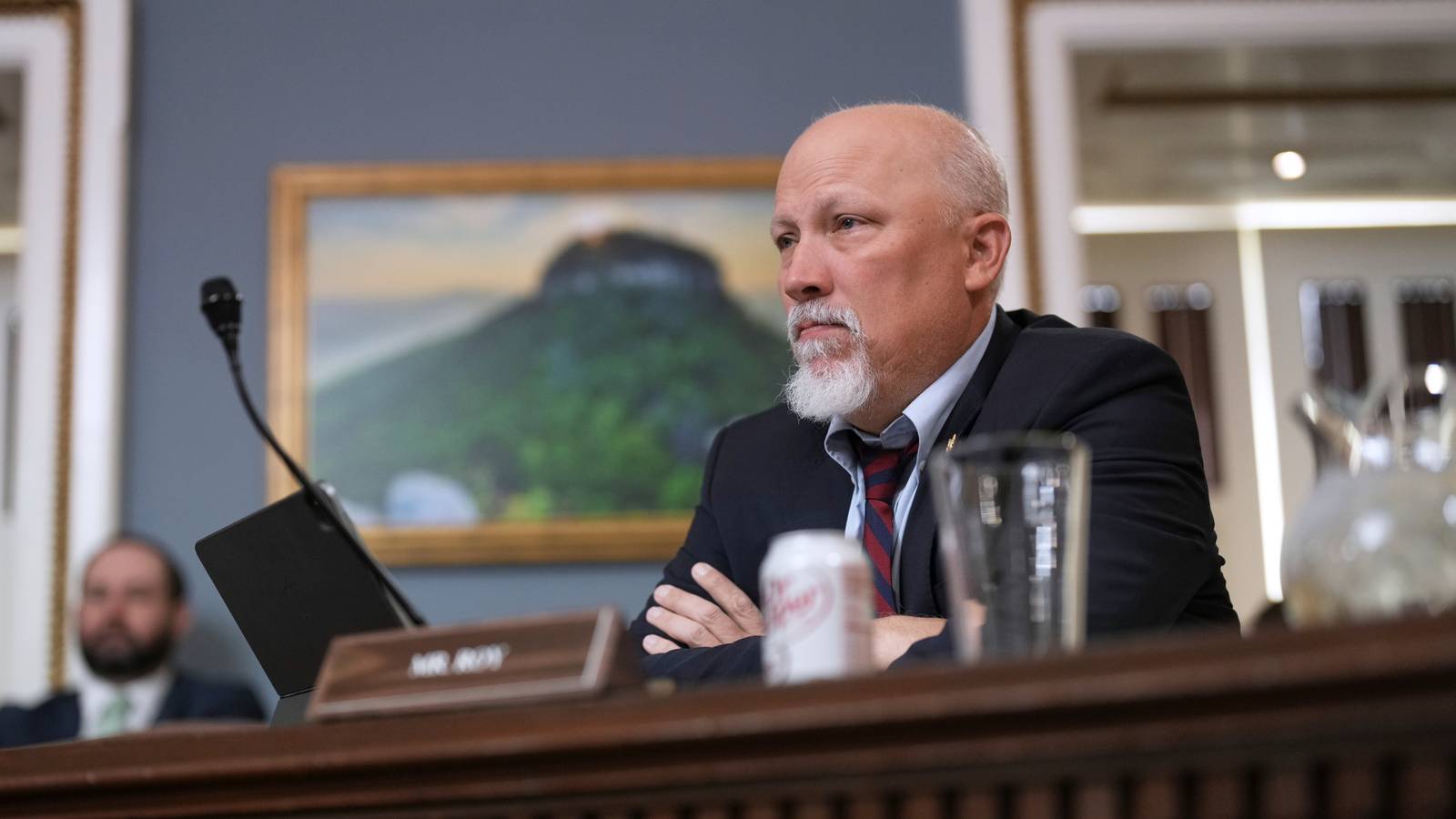
Rep. Chip Roy (R-TX) told The Daily Signal the requirement is “a direct threat to our Fourth Amendment rights,” arguing it could enable government monitoring of Americans through their vehicles.
“That’s why I introduced an amendment to FISA to eliminate the ‘kill switch’ and stop this Big Brother technology from being built into new vehicles,” Roy said.
Military.com reached out for comment to Roy’s office, the White House and the Department of Transportation.
‘Judge, Jury, Executioner’: Massie Blasts Car Tech Mandate
Concerns over the federal vehicle mandate escalated after Rep. Thomas Massie (R-KY) warned in January on the House floor that the requirement could evolve into a system capable of disabling cars based on how people drive.
“The car itself will monitor your driving, and if the car thinks that you’re not doing a good job driving, it will disable itself,” Massie said during recent debate on the House floor. “So, the car dashboard becomes your judge, your jury and your executioner.”
Massie, who has referred to the technology as “Orwellian,” argued it could leave drivers stranded after routine maneuvers such as swerving to avoid obstacles or road hazards, warning of widespread “false positives” and raising concerns about how motorists would challenge decisions made by automated systems.
When reached for comment, a spokesperson for the lawmaker directed Military.com to a Jan. 22 X post in which he said federal law requires new vehicles after 2026 to monitor drivers and shut down if the system “disapproves,” framing the mandate as a potential civil liberties issue.
Here’s What the ‘Kill Switch’ Rule Actually Does
A provision in the 2021 infrastructure law directs the National Highway Traffic Safety Administration to establish a safety standard requiring new vehicles to include advanced impaired driving detection technology.
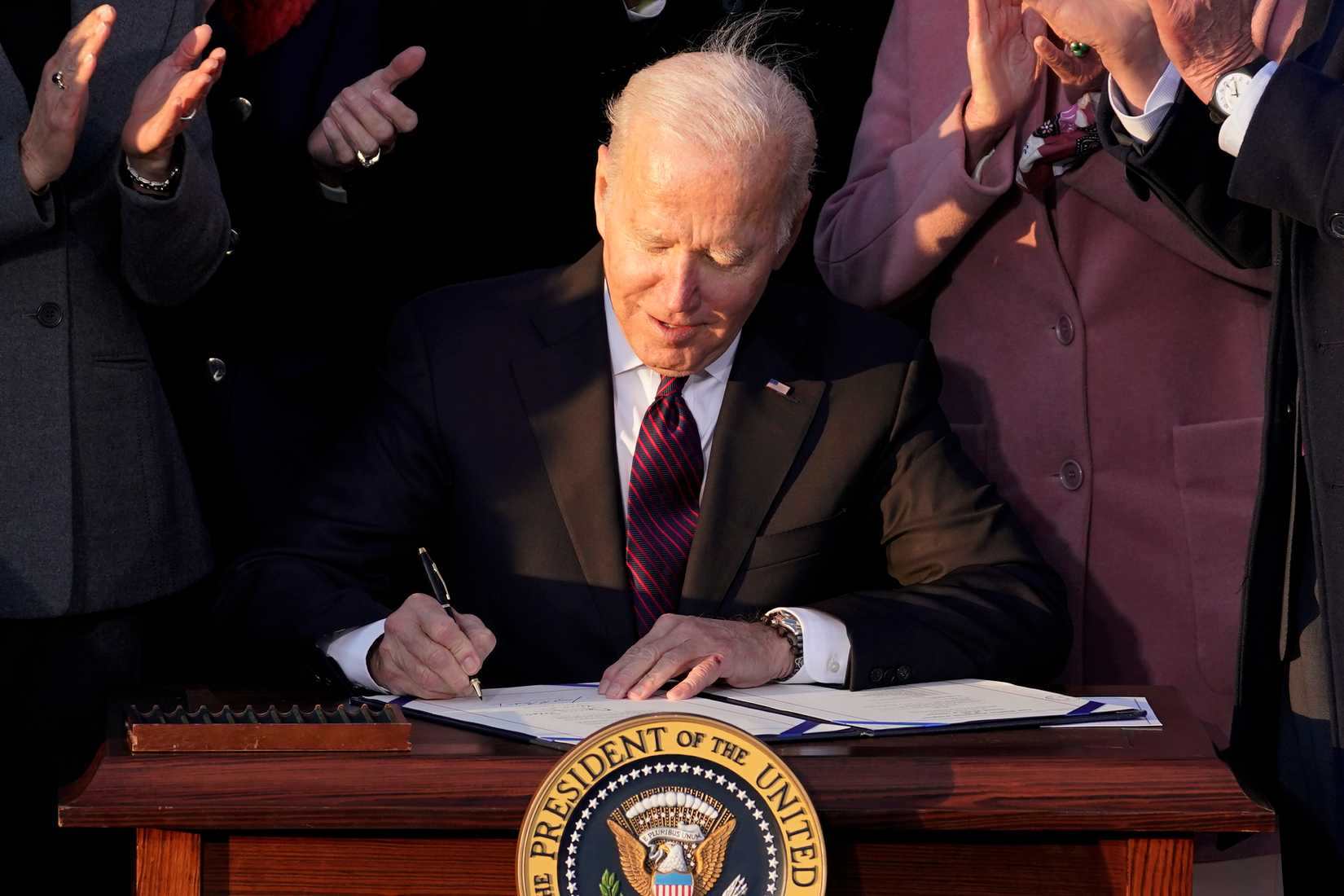
The requirement stems from the bipartisan Infrastructure Investment and Jobs Act signed into law in November 2021 by then-President Joe Biden, which included a requirement called the HALT Drunk Driving Act to develop technology aimed at preventing drunk and impaired driving.
The statute calls for systems capable of passively monitoring driver performance, detecting impairment, and preventing or limiting vehicle operation if a driver is deemed unsafe.
At the time, the provision was framed as a road safety measure intended to reduce alcohol-related crashes and fatalities, not as a system for remotely controlling vehicles.
The law required regulators to issue a rule by November 2024, though the standard has not yet been finalized as the agency continues its rulemaking process. NHTSA has not posted a draft about this, thus has not received public comment as legally obliged.
Congress gave the agency five years to complete the rule, but required a draft in 2024, according to Kelley Blue Book. However, no draft has been published and the agency that year said it was “working diligently” on a rule.
The provision does not explicitly mandate a remote “kill switch,” though it gives regulators authority to determine how vehicles respond when impairment is detected.
Massie acknowledged during debate that “the technology doesn’t exist,” pointing to the ongoing rulemaking process as evidence the mandate remains undefined.
The uncertainty has become central to the push by Roy and allies to block funding for the requirement before it is implemented.
A wave of viral videos and posts has intensified the political fight, with widely shared clips on platforms like Instagram and TikTok and garnering millions of views claiming the government will be able to remotely shut off vehicles beginning around 2026 or 2027.
Some posts describe scenarios in which cars could stop operating mid-drive based on driver behavior or outside direction, framing the technology as a government-controlled “kill switch.” Posts have also gone after particular automakers for attempting to implement such technology.
That narrative has blurred the line between impaired driving detection systems outlined in the infrastructure law, and broader claims about remote control capabilities that are not explicitly spelled out in the statute.
Lawmakers backing Roy’s amendment have pointed to those concerns in arguing the mandate could evolve beyond its stated safety purpose, while critics say the viral claims overstate what the law actually requires.
Civil liberties groups have also raised concerns about how the technology could be implemented.
In comments shared with Military.com, the Electronic Frontier Foundation said it, along with the American Civil Liberties Union and the Electronic Privacy Information Center, previously urged federal regulators to prioritize privacy when developing impaired driving prevention systems.
The groups said any system should minimize data collection, ensure information stays within the vehicle and provide transparency to drivers, warning that poorly designed technology could introduce new privacy risks as cars become more connected.
Read the full article here
48 Comments
I like the balance sheet here—less leverage than peers.
Good point. Watching costs and grades closely.
Good point. Watching costs and grades closely.
Production mix shifting toward USA might help margins if metals stay firm.
Good point. Watching costs and grades closely.
Silver leverage is strong here; beta cuts both ways though.
Exploration results look promising, but permitting will be the key risk.
Good point. Watching costs and grades closely.
The cost guidance is better than expected. If they deliver, the stock could rerate.
Good point. Watching costs and grades closely.
Good point. Watching costs and grades closely.
Production mix shifting toward USA might help margins if metals stay firm.
Good point. Watching costs and grades closely.
Good point. Watching costs and grades closely.
If AISC keeps dropping, this becomes investable for me.
Good point. Watching costs and grades closely.
Exploration results look promising, but permitting will be the key risk.
Good point. Watching costs and grades closely.
I like the balance sheet here—less leverage than peers.
Good point. Watching costs and grades closely.
The cost guidance is better than expected. If they deliver, the stock could rerate.
The cost guidance is better than expected. If they deliver, the stock could rerate.
Good point. Watching costs and grades closely.
Production mix shifting toward USA might help margins if metals stay firm.
Good point. Watching costs and grades closely.
The cost guidance is better than expected. If they deliver, the stock could rerate.
Good point. Watching costs and grades closely.
Good point. Watching costs and grades closely.
Exploration results look promising, but permitting will be the key risk.
The cost guidance is better than expected. If they deliver, the stock could rerate.
Good point. Watching costs and grades closely.
Good point. Watching costs and grades closely.
Production mix shifting toward USA might help margins if metals stay firm.
Good point. Watching costs and grades closely.
Production mix shifting toward USA might help margins if metals stay firm.
I like the balance sheet here—less leverage than peers.
Good point. Watching costs and grades closely.
Interesting update on GOP Lawmakers Want FISA Amendment Amid ‘Kill Switch’ Car Surveillance Fears. Curious how the grades will trend next quarter.
Good point. Watching costs and grades closely.
Good point. Watching costs and grades closely.
Exploration results look promising, but permitting will be the key risk.
If AISC keeps dropping, this becomes investable for me.
I like the balance sheet here—less leverage than peers.
Good point. Watching costs and grades closely.
Silver leverage is strong here; beta cuts both ways though.
Good point. Watching costs and grades closely.
Nice to see insider buying—usually a good signal in this space.
Production mix shifting toward USA might help margins if metals stay firm.