

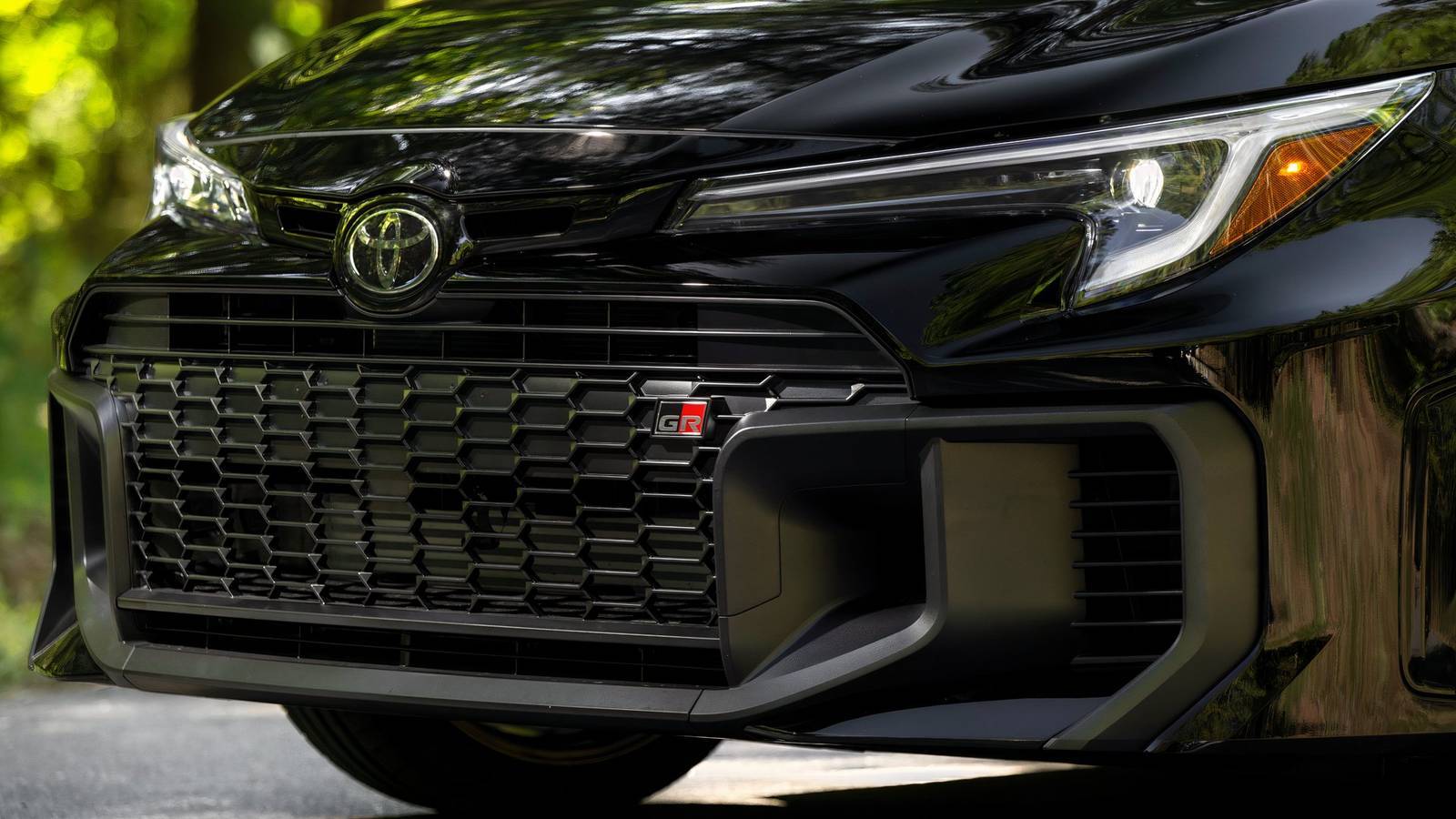
Performance cars come in a wide range of different shapes and sizes. From 1,000+ horsepower hypercars like the Bugatti Chiron to sensible sports sedans like the Volkswagen Jetta GLI, there is something for every budget or pace desire. One of the most versatile and affordable breeds of performance machine is the venerable hot hatch, which tends to take the shape of a front-wheel-drive compact hatchback-style vehicle equipped with a sporty four-pot engine and uprated underpinnings.
Some machines though, like the Audi RS3 and Ford Focus RS, take things a step further, and utilize all-wheel drive to enhance traction and stability. Toyota followed the same blueprints with its GR Corolla, though in several ways this creation’s design is even more extreme than its rivals.
Everything Started With The GR Yaris
This story starts back in 2020, when Toyota unleashed a hot hatch version of its XP210-generation Yaris, the marque’s subcompact hatch. It was built as a homologation special based on its World Rally Championship racer, which uses the Yaris’ silhouette to tame the world’s toughest tarmac and mixed surface rally stages. To build the WRC contender that Toyota wanted, the brand needed to build 2,500 road-going examples based on the modified rally car. Equipped with a small turbocharged three-cylinder engine and an advanced four-wheel drive system, the GR Yaris was released to high acclaim, and has gone on to become one of the most popular hot hatches in the world.
Various special edition versions of the car have been unveiled over the last several years, while a facelifted version was unveiled in 2024 as Toyota continually developed its WRC machine.
A Lack Of The GR Yaris In The US Led To Something New
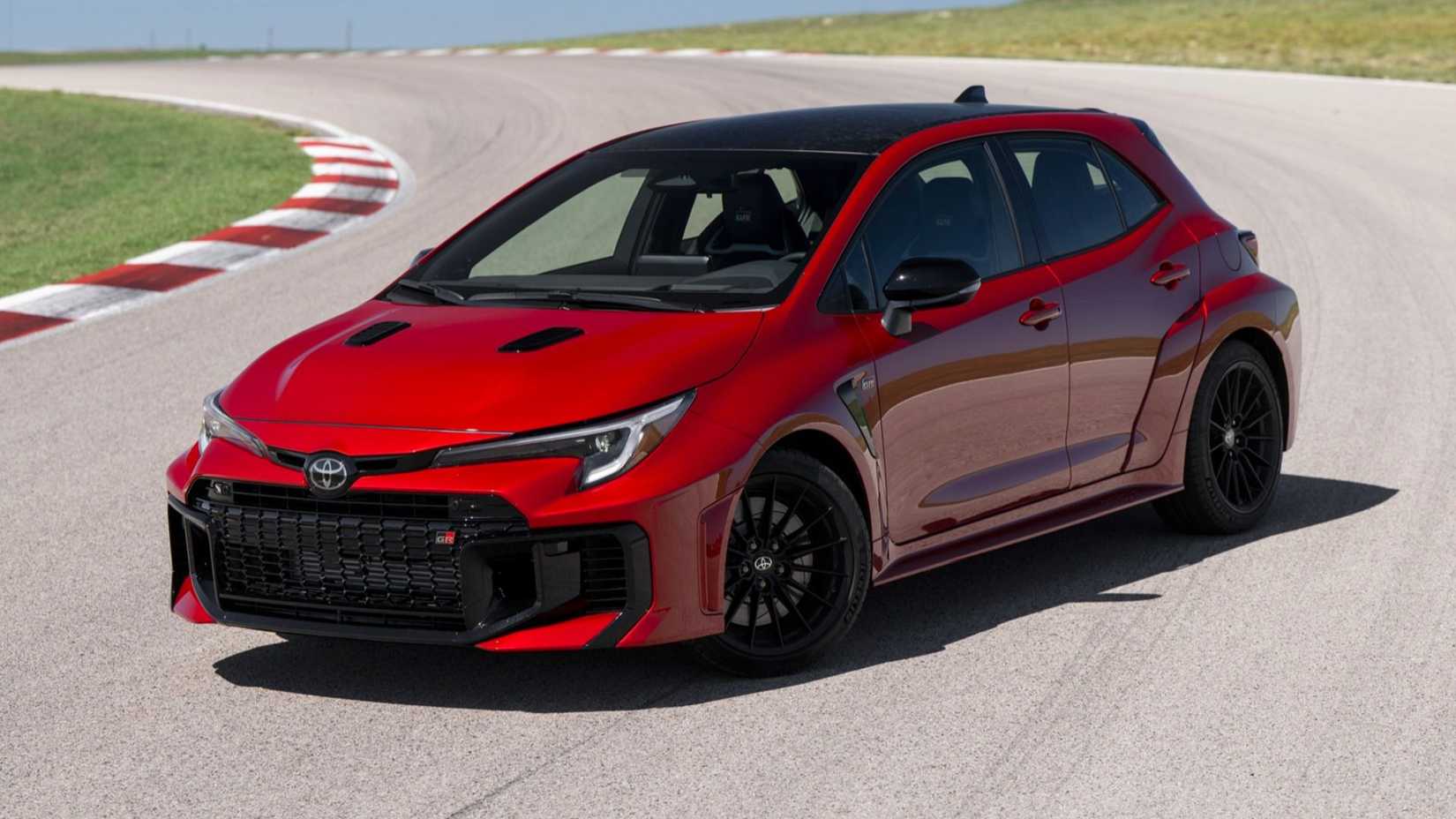
The only trouble was that North American audiences couldn’t have one, since the Yaris had been discontinued from the US market. Recognizing a business opportunity, Toyota instructed its Gazoo Racing operation to get started on making a GR version of the Corolla compact hatch instead, which was available in the US. The finished article was released in 2022, and allowed American drivers to enjoy the amazing performance afforded by a GR-crafted hot hatch.
|
2026 Toyota GR Corolla |
|
|---|---|
|
Engine |
1.6L turbocharged I3 |
|
Transmission |
8-Speed Auto, 6-Speed Manual |
|
Power |
300 hp |
|
Torque |
295 lb-ft |
|
0-60 mph |
4.9 seconds |
|
Weight |
3,296 pounds |
There were a couple of key benefits with the new model over the GR Yaris too. Firstly, the car’s longer wheelbase offered greater stability in the bends, while the larger compact body provided some extra space for occupants and cargo.
Toyota’s Boosted Corolla Also Made More Power
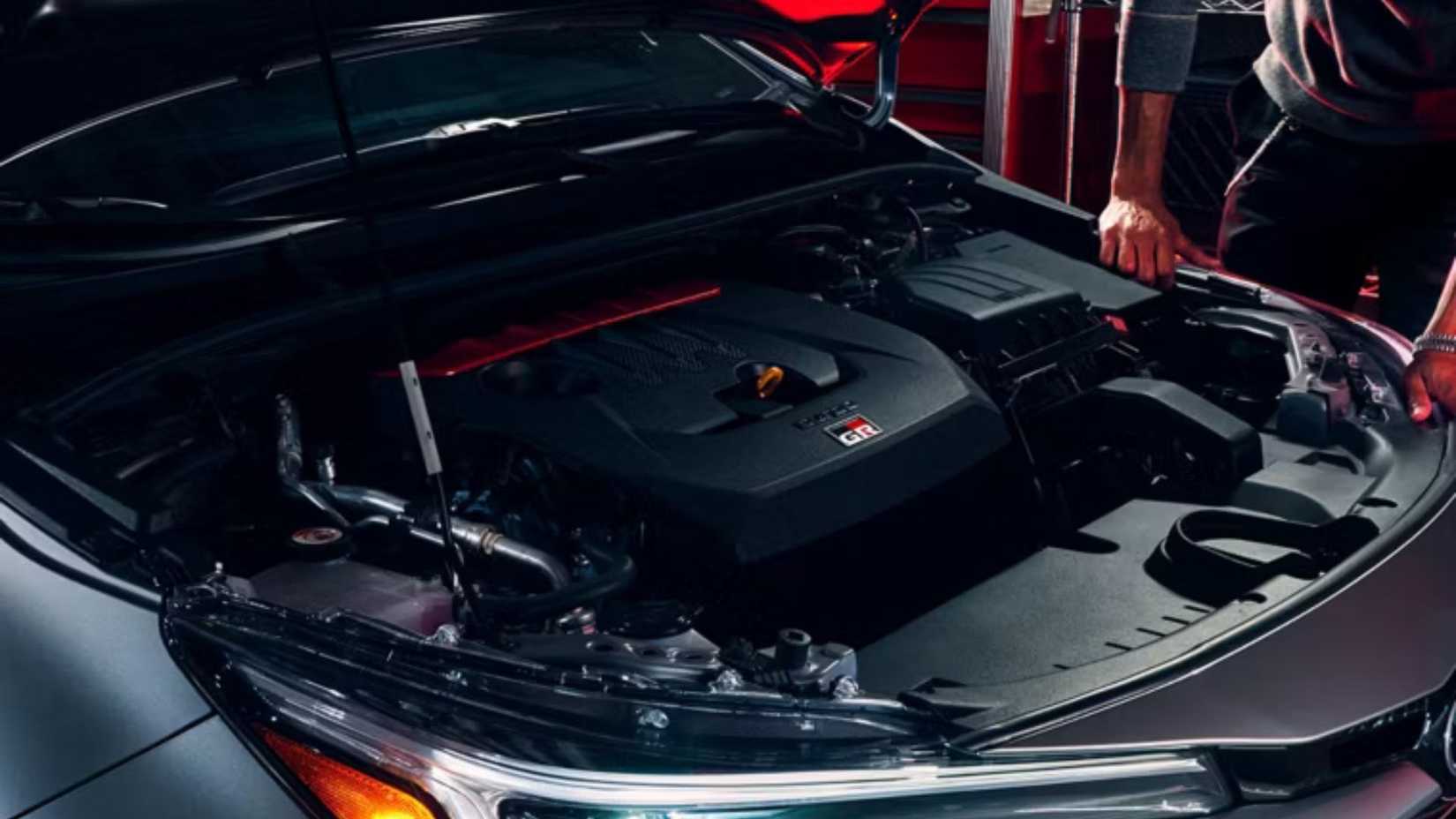
While the GR Corolla used the same G16E-GTS engine, a turbocharged 1.6-liter inline-three, as the GR Yaris, it was modified to produce even more grunt. While the unit kicks out 257 hp in the smaller car, it was tweaked to produce a thrilling 300 hp under the hood of the GR Corolla. A three-pot engine was originally chosen by Toyota to reduce the amount of tax buyers in Japan had to face, as over there the size of the engine has a dramatic effect on the amount of tax you have to pay for.
The engine uses an advanced three-piece block design to help maximize the lightweight and compactness benefits of the powerplant, while also ensuring it remains strong. The components used were also tough, with a forged crankshaft and connecting rods being present to deal with the punishment. Lightweight pistons were also utilized, which were constructed with a low-friction surface to aid oil flow, which in turn reduced the amount of heat created. The same efforts went to keeping the turbocharger reliable, as the single-scroll component uses a ball-bearing design to reduce friction, and therefore heat production, within the unit. Toyota even found that placing the wastegate control valve close to the turbocharger within the exhaust manifold reduced turbo lag, enhancing the crispness of the engine’s power delivery.
Cooling Was Also Crucial
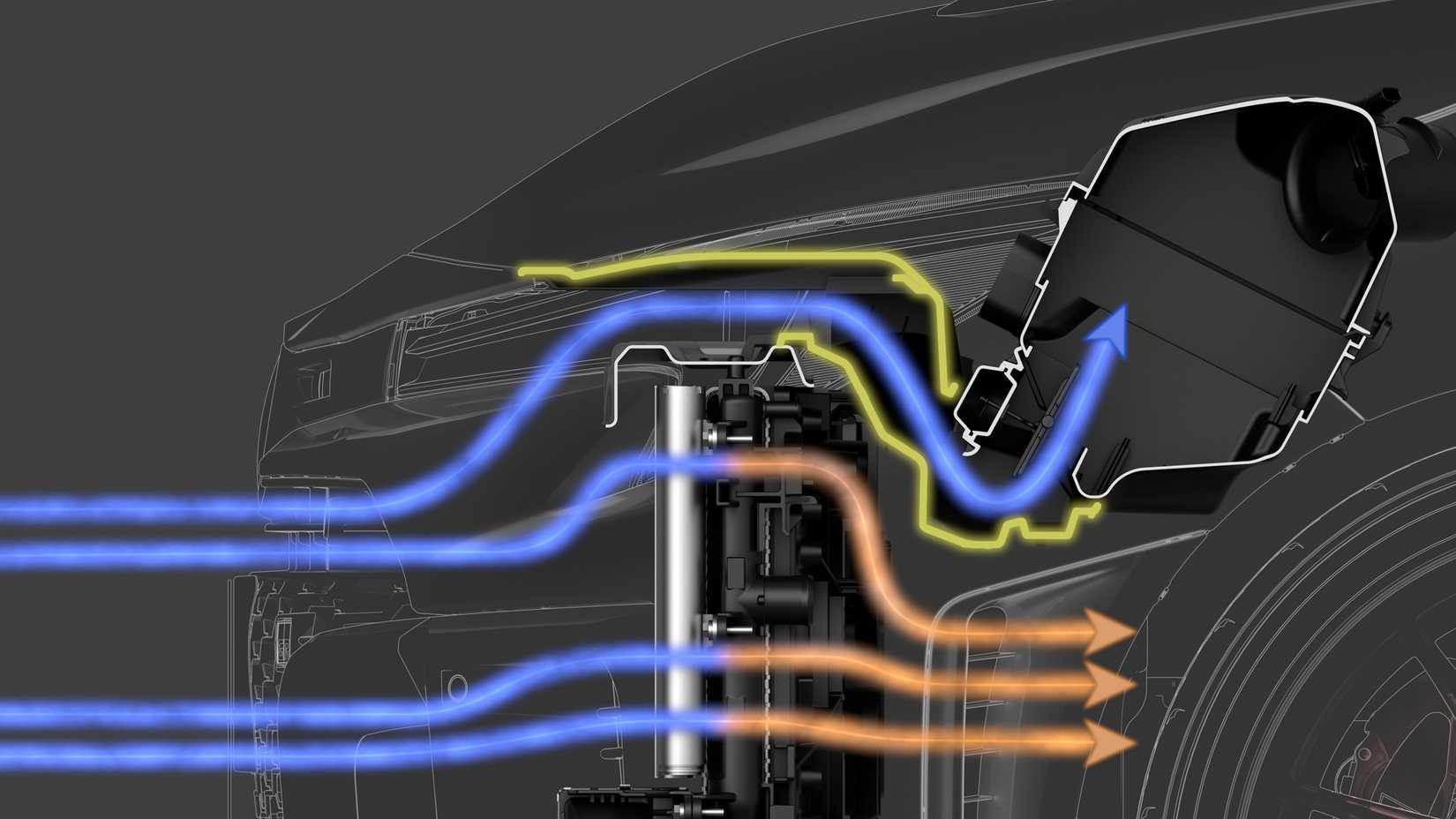
A key element in ensuring an engine produces plenty of grunt, while also remaining reliable, is making sure it breathes properly, as well as keeping cool. To this end, the G16E-GTS was graced with specially-designed CNC ported intake ports that featured increased valve angles, which allowed for superior fuel mixing to create more grunt. A freer-flowing exhaust design was also employed, while the car’s battery was placed in the rear to allow for a beefier air intake system. Toyota’s advanced engineering didn’t end there either, as the cylinder head was equipped with two cooling jackets rather than the usual single entry point. This allowed for greater heat dissipation, while more oil squirters were employed than usual to make sure the engine got all the oil it needed.
These various methods were mostly garnered from the learnings of Toyota’s WRC program, and allowed for the GR Corolla’s engine to not only provide excellent grunt while being compact and light, but also remain tough and dependable. This durability allowed Toyota to afford the GR Corolla more boost to increase its power output, alongside other upgrades like an extra tail pipe to reduce back pressure.
Read the full article on CarBuzz
This article originally appeared on CarBuzz and is republished here with permission.
Read the full article here
36 Comments
Silver leverage is strong here; beta cuts both ways though.
Good point. Watching costs and grades closely.
Nice to see insider buying—usually a good signal in this space.
Exploration results look promising, but permitting will be the key risk.
The cost guidance is better than expected. If they deliver, the stock could rerate.
Silver leverage is strong here; beta cuts both ways though.
Good point. Watching costs and grades closely.
Interesting update on How Toyota Built a Rally Car For The Suburbs. Curious how the grades will trend next quarter.
Good point. Watching costs and grades closely.
Good point. Watching costs and grades closely.
Interesting update on How Toyota Built a Rally Car For The Suburbs. Curious how the grades will trend next quarter.
Good point. Watching costs and grades closely.
Production mix shifting toward USA might help margins if metals stay firm.
Interesting update on How Toyota Built a Rally Car For The Suburbs. Curious how the grades will trend next quarter.
Good point. Watching costs and grades closely.
The cost guidance is better than expected. If they deliver, the stock could rerate.
Good point. Watching costs and grades closely.
Interesting update on How Toyota Built a Rally Car For The Suburbs. Curious how the grades will trend next quarter.
Good point. Watching costs and grades closely.
Good point. Watching costs and grades closely.
Exploration results look promising, but permitting will be the key risk.
Production mix shifting toward USA might help margins if metals stay firm.
Good point. Watching costs and grades closely.
Good point. Watching costs and grades closely.
Silver leverage is strong here; beta cuts both ways though.
Good point. Watching costs and grades closely.
Nice to see insider buying—usually a good signal in this space.
Good point. Watching costs and grades closely.
If AISC keeps dropping, this becomes investable for me.
Good point. Watching costs and grades closely.
Good point. Watching costs and grades closely.
Nice to see insider buying—usually a good signal in this space.
Uranium names keep pushing higher—supply still tight into 2026.
Silver leverage is strong here; beta cuts both ways though.
Good point. Watching costs and grades closely.
Good point. Watching costs and grades closely.