

Hundreds of U.S. military veterans ran in local, state and federal elections in the 2026 election cycle, with some sealing big victories while others who ran as independents fell short in key House and Senate races.
A Military.com review of election results identified 52 military veteran candidates as winners by Wednesday morning, including 48 in House races and four in Senate contests. Leading up to the election, With Honor, the veterans’ organization that tracks military candidates, counted 258 veterans on Tuesday’s congressional ballots: 227 running for the House, and 31 for the Senate.
Tuesday’s big victors included Nancy Lacore in South Carolina’s 1st District. Lacore, a Navy rear admiral the Trump administration fired from her post who could now oversee potential impeachment proceedings against Defense Secretary Pete Hegseth.
But among those who ran in major races as candidates outside the two major political parties, it was an uphill battle that eventually became insurmountable.
Contentious Montana Race Ends Without Either Veteran Winning
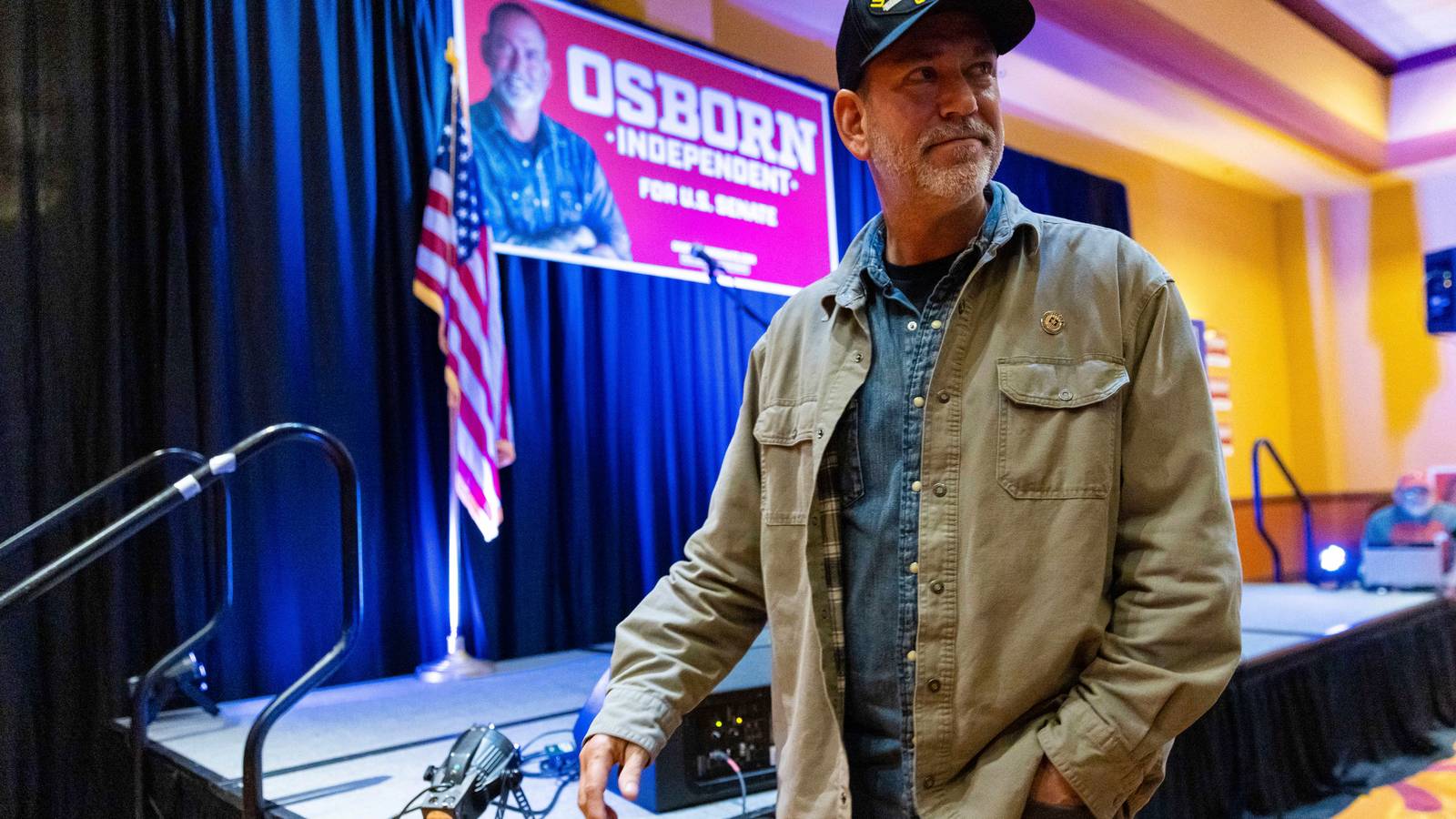
In Nebraska, independent Dan Osborn—a U.S. Navy veteran who previously ran unsuccessfully for a Senate seat in 2024—lost by roughly seven percentage points to Republican incumbent Sen. Pete Ricketts.
A contentious three-way Senate race in Montana ended with President Donald Trump’s endorsed candidate, Kurt Alme, who claimed roughly 43% of the vote. Independent candidate Seth Bodnar, a former Green Beret and University of Montana president, received approximately 38% and Air Force veteran Alani Bankhead, a Democrat, received 12%.
In a statement made by Bodnar and shared with Military.com, he congratulated Alme while praising his campaign and their efforts to show “that there’s a different path forward for our politics.”
“I got into this race because I believed that the broken, divisive politics of Washington, D.C. are failing the hard-working families of this state, and that our kids deserve better. I still believe that,” Bodnar said. “We didn’t get over the hill, and that stings. But what we built together will endure.
“We proved that an Independent can compete in Montana, that Republicans, Democrats and independents can come together around the values we share, and that the people of this state are hungry for a politics that answers to them. To every Montanan who believed in this campaign: thank you.”
The race, as previously reported by Military.com, became more vitriolic as rumors swirled during primary season that Bodnar’s campaign and his supporters attempted to get Bankhead to drop out to make it a two-person contest.
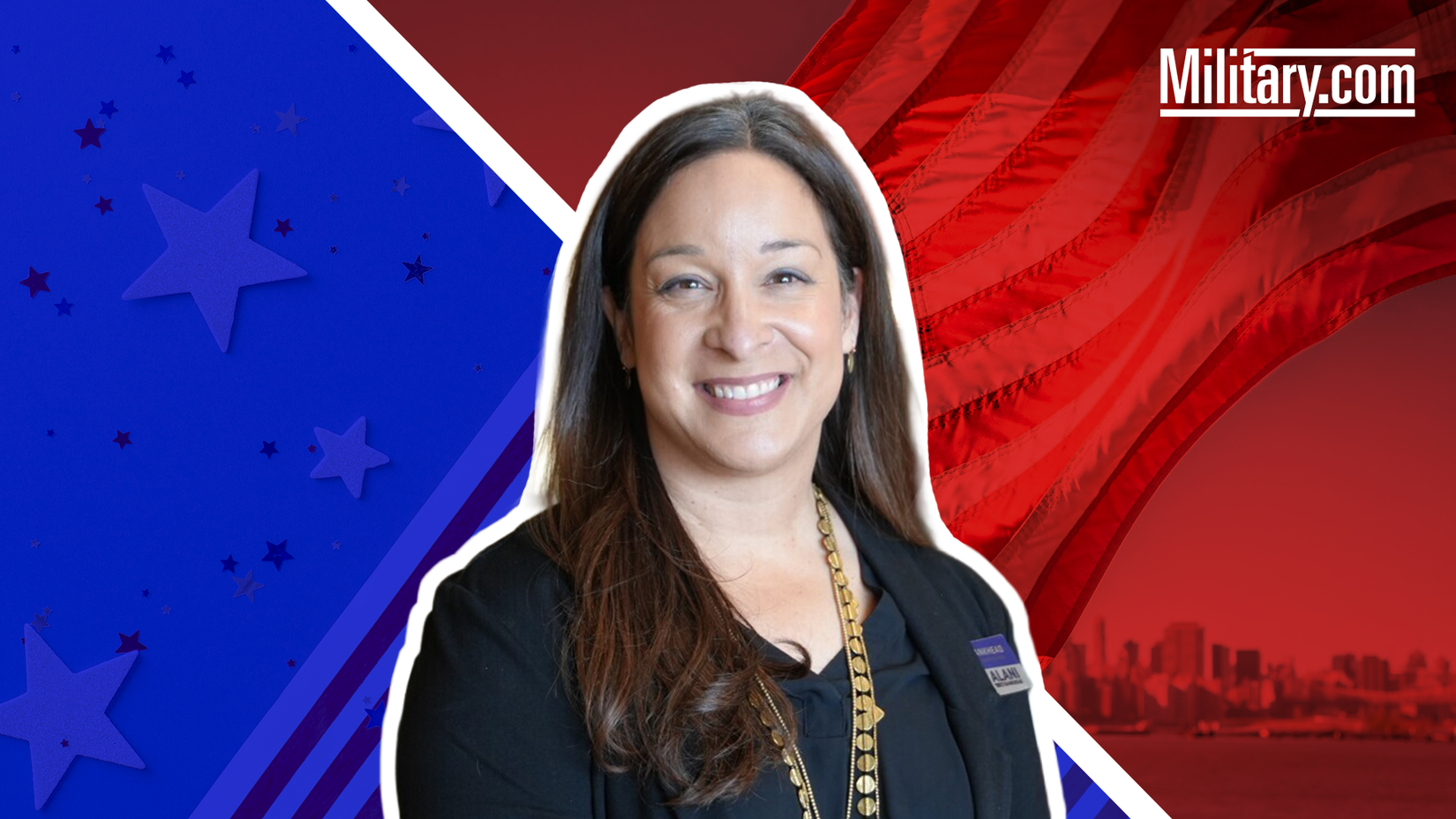
Bankhead, however, refused and claimed that political operatives in the state were upending democracy and Montanans’ votes. In a final pre-election message on Monday, the Bankhead campaign tied Bodnar to the state’s “political elite” who put their fingers on the pulse.
In her concession on Tuesday, Bankhead maintained her decision to stay in the race.
“The people are smarter than that,” Bankhead said in a statement shared with Military.com. “We ran on the belief that the Democratic Party is worth rebuilding, not abandoning. We don’t fix the party by denouncing the party, or running from it. We fix the party by listening to the people and doing the work to give those people a voice and a place in the party.
“As for me, I’m not going anywhere. I’ll be right here, doing the work to elevate those voices and bring them into the party.”
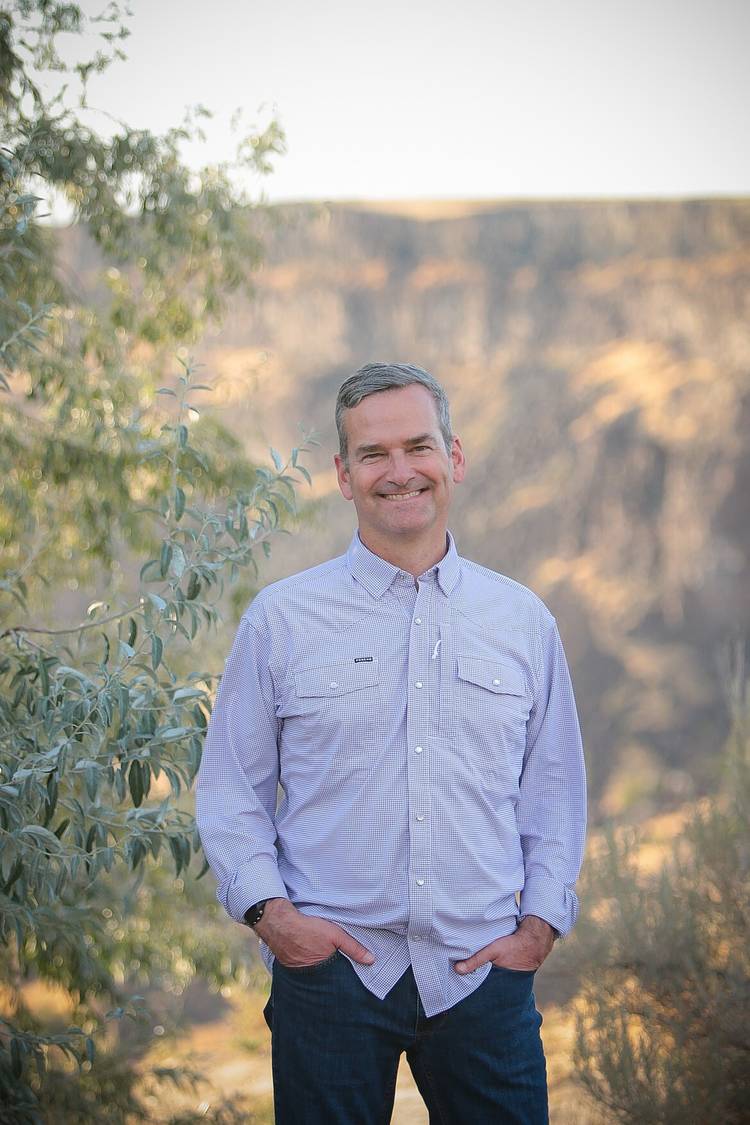
In Idaho, independent candidate and Army veteran Todd Achilles—a former state senator—couldn’t muster enough support to defeat three-term incumbent Republican Sen. Jim Risch. The 83-year-old Risch received 56.57% of the vote, and Achilles 33.5%.
Independent Backers See Promising Future
Despite the electoral setbacks, independent backers of veterans view this year’s entrants and results as incremental change.
In essence, they believe that both Democrats and Republicans have to be wary of independent challengers in a nation where more Americans describe themselves as not belonging to one of the two major parties.
Paul Rieckhoff, president and founder of Righteous Media and Founder of Independent Veterans of America, told Military.com that the overall increase in the number of candidates on this year’s ballots “is in itself a victory.”
“It’s a blue wave, but it’s powered by the independent tsunami,” Rieckhoff said. “Dems are only 27% of voters. Republicans are also only 27%. We independents are 45%. Whether we win as candidates or not, we are the king and queen-makers tonight [Tuesday], and will be in every election to come.
“We are the future. And almost all of our candidates outperformed every independent vet in history. With all the odds and money stacked against us, our leaders still moved the movement forward. And this is just the start.”
‘Veterans Make the Best Candidates’
Scott Peoples, executive director of Veterans For Responsible Leadership, echoed the sentiment in remarks to Military.com. The organization supported Osborn, Bodnar and Achilles, as well as U.S. Senate candidate Brian Bengs in South Dakota who also lost.
“These are all men of great character and integrity that ran admirable races,” Peoples said. “Although they did not win, this was definitely a strategy worth pursuing. The pro-democracy movement needs to continue to find creative ways to be as competitive in as many states as possible against MAGA candidates, and we made a big step towards that this year.”
He added that VFRL wanted to endorse and support candidates that were in Republican-leaning states and districts, to help push candidates over the hump where possible.
That worked in some races, specifically naming U.S. House winners Richard Ojeda in North Carolina, Fred Wellman in Missouri, Jessica Killin in Colorado, and Cait Conley in New York. It also supported new Iowa Sen. Josh Turek.
Finding similar candidates with strong military backgrounds and “love of country” is the goal between now and 2028, Peoples said.
“Military veterans know that their oath to the Constitution does not have an expiration date,” he said. “This is why so many veterans make the best candidates. They are service oriented first and truly believe that character in public service matters above all else. They also can see the stakes of the threat that our country faces both internationally and domestically and is never afraid to run away from a fight.
“No one works harder, and no one will do more to keep their promises to their constituents than a military veteran. This is why the American people still trust veterans to be leaders and public servants so much.”
Read the full article here
39 Comments
The cost guidance is better than expected. If they deliver, the stock could rerate.
Silver leverage is strong here; beta cuts both ways though.
The cost guidance is better than expected. If they deliver, the stock could rerate.
Good point. Watching costs and grades closely.
Nice to see insider buying—usually a good signal in this space.
Silver leverage is strong here; beta cuts both ways though.
Good point. Watching costs and grades closely.
Uranium names keep pushing higher—supply still tight into 2026.
Nice to see insider buying—usually a good signal in this space.
Good point. Watching costs and grades closely.
I like the balance sheet here—less leverage than peers.
Good point. Watching costs and grades closely.
Nice to see insider buying—usually a good signal in this space.
Good point. Watching costs and grades closely.
Good point. Watching costs and grades closely.
Silver leverage is strong here; beta cuts both ways though.
Good point. Watching costs and grades closely.
Good point. Watching costs and grades closely.
Exploration results look promising, but permitting will be the key risk.
Good point. Watching costs and grades closely.
Exploration results look promising, but permitting will be the key risk.
Good point. Watching costs and grades closely.
Uranium names keep pushing higher—supply still tight into 2026.
If AISC keeps dropping, this becomes investable for me.
Good point. Watching costs and grades closely.
Good point. Watching costs and grades closely.
Production mix shifting toward USA might help margins if metals stay firm.
Good point. Watching costs and grades closely.
Exploration results look promising, but permitting will be the key risk.
Good point. Watching costs and grades closely.
Good point. Watching costs and grades closely.
Nice to see insider buying—usually a good signal in this space.
Good point. Watching costs and grades closely.
I like the balance sheet here—less leverage than peers.
Good point. Watching costs and grades closely.
The cost guidance is better than expected. If they deliver, the stock could rerate.
Good point. Watching costs and grades closely.
Production mix shifting toward USA might help margins if metals stay firm.
Good point. Watching costs and grades closely.