

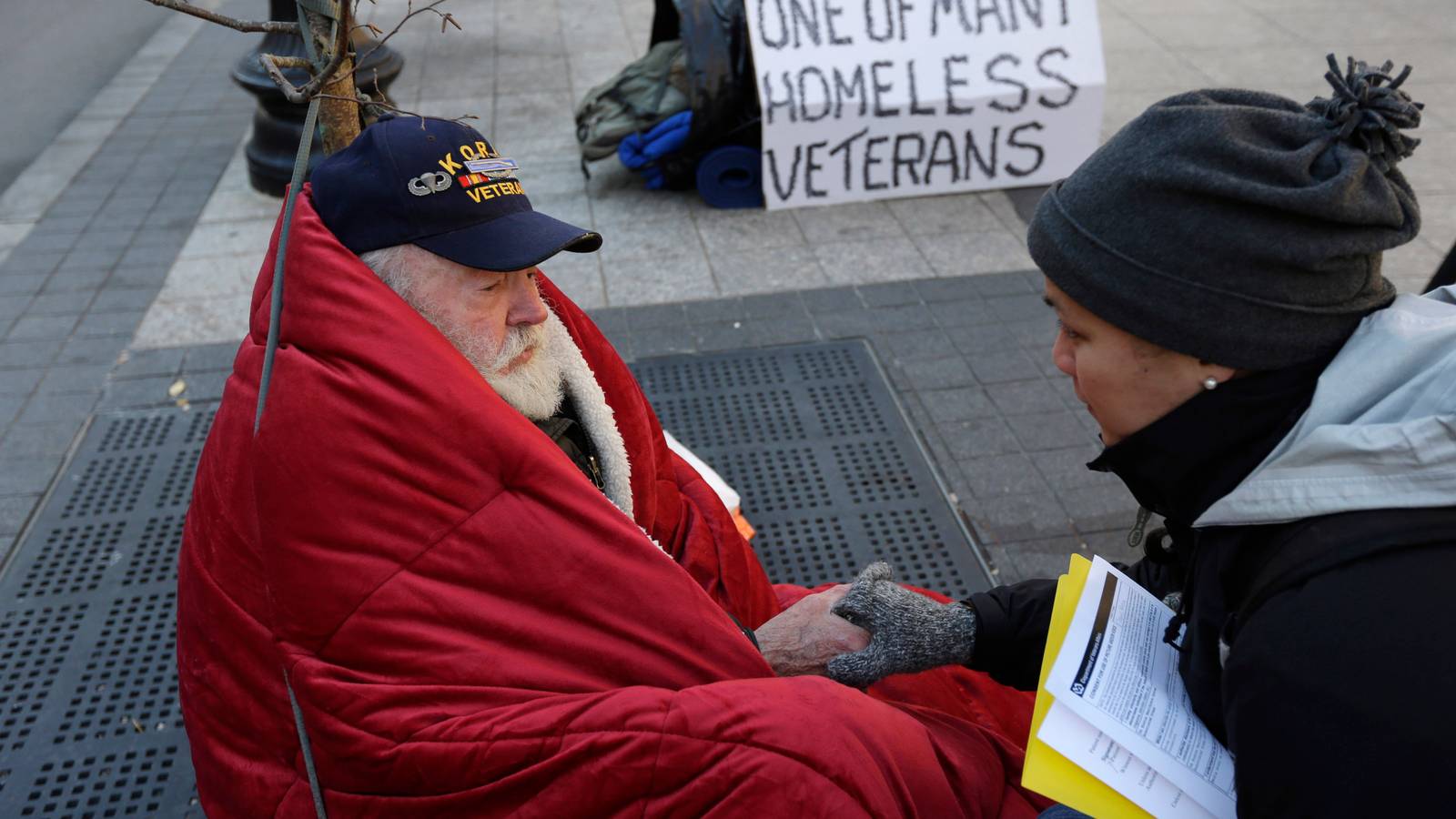
The number of homeless veterans across the country is on the decline. According to the Department of Veterans Affairs, approximately 32,495 veterans experience homelessness on a single night nationwide, marking a continuous downward trend.
In Indiana, the state is reporting the second-largest decrease in veteran homelessness in the country for 2025, a decline of 18.7%. Indiana Governor Mike Braun (R-Ind.) credits a strategic plan since he took office in January 2025 that he said doubled the resources allocated to nonprofits that support Hoosier veterans, while making more efficient and targeted funding decisions.
“Hoosier veterans answered the call to serve our country, and we have a responsibility to make sure they are supported when they come home,” Gov. Braun said. “By investing in high-impact housing solutions and preventive assistance, veterans get stability and a real path forward. The decline in veteran homelessness is tremendous progress, and it reflects the meaningful impact of these programs.”
Nonprofit Organization Reacts to Homeless Veteran Numbers
In a statement to Military.com, the CEO of the organization, Helping Veterans and Families (HVAF) of Indiana, reacted to the decline in homeless veterans in the state.
“We are grateful to celebrate the nearly 20% reduction in veteran homelessness across Indiana,” HVAF CEO Emily Hildebrand said. “This decline is the result of dedicated service providers implementing proven strategies to quickly and effectively house Hoosier veterans.”
The decline in Indiana’s homeless veteran population is detailed in the U.S. Department of Housing and Urban Development’s annual Point-in-Time count. It’s a local census of sheltered and unsheltered people experiencing homelessness on a single night in January of each year.
Local planning groups called Continuums of Care or CoC’s count people in emergency shelters, transitional housing, and Safe Haven centers. Trained volunteers and service providers are also required to count unsheltered people, or those living on the streets or in places not meant for habitation, every other year.
HUD uses the data to measure local needs, allocate grants, and evaluate systems that support homeless individuals. Results are compiled and delivered to Congress in HUD’s Annual Homeless Assessment Report.
Homeless Veteran Numbers Decline Nationwide
California recorded the largest numerical decline, with 624 fewer veterans experiencing homelessness, a 7% dip to 8,686.
However, by percentage, Florida had the largest decline with 192 fewer homeless veterans, followed by a tie between Indiana and Illinois. Both recorded 79 fewer homeless veterans.
Nationwide, 25 states recorded increases in veteran homelessness from 2024 to 2025. The state with the largest increase, by raw numbers, was Oregon, which reported 228 added veterans, a 16% increase. Pennsylvania had an increase of 98 veterans, a 14 percent increase, while New York, with an additional 93 homeless veterans, had a nearly 8% increase.
Mississippi had the largest percentage increase, rising 88%, going from 40 homeless veterans in 2024 to 75 a year later. Utah and Wyoming posted increases of 36% and 30%, respectively.
Just two states, Alaska and Massachusetts, saw no change.
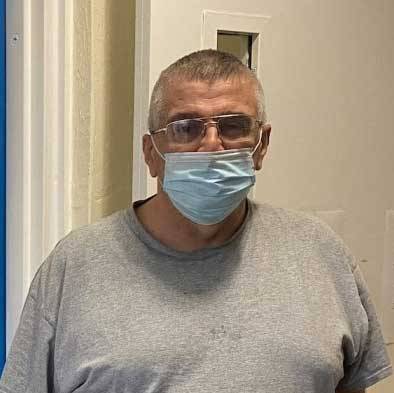
Organizations like HVAF in Indiana have had success in placing homeless veterans into permanent housing with the help of state funding and private donations.
“I lost everything and didn’t have a place to go to,” a homeless veteran identified as “Bruce” said in a testimonial on HVAF’s website. “Thankfully, HVAF’s case managers helped me move into my own apartment. If I need anything, they’re there for me. I love living here.”
Since 2010, veteran homelessness has fallen by more than 56% nationwide, according to HUD, reaching an all-time low in 2025. Details from January’s Point-In-Time count for 2026 have not yet been released.
Read the full article here
33 Comments
Interesting update on Indiana Veteran Homelessness Drops 18.7% in 2025. Curious how the grades will trend next quarter.
Good point. Watching costs and grades closely.
Exploration results look promising, but permitting will be the key risk.
Production mix shifting toward USA might help margins if metals stay firm.
Production mix shifting toward USA might help margins if metals stay firm.
Good point. Watching costs and grades closely.
The cost guidance is better than expected. If they deliver, the stock could rerate.
Good point. Watching costs and grades closely.
Good point. Watching costs and grades closely.
Production mix shifting toward USA might help margins if metals stay firm.
Interesting update on Indiana Veteran Homelessness Drops 18.7% in 2025. Curious how the grades will trend next quarter.
Good point. Watching costs and grades closely.
Good point. Watching costs and grades closely.
Uranium names keep pushing higher—supply still tight into 2026.
Interesting update on Indiana Veteran Homelessness Drops 18.7% in 2025. Curious how the grades will trend next quarter.
Good point. Watching costs and grades closely.
Good point. Watching costs and grades closely.
Production mix shifting toward USA might help margins if metals stay firm.
Good point. Watching costs and grades closely.
If AISC keeps dropping, this becomes investable for me.
Good point. Watching costs and grades closely.
Good point. Watching costs and grades closely.
Exploration results look promising, but permitting will be the key risk.
Good point. Watching costs and grades closely.
Silver leverage is strong here; beta cuts both ways though.
Good point. Watching costs and grades closely.
Interesting update on Indiana Veteran Homelessness Drops 18.7% in 2025. Curious how the grades will trend next quarter.
Good point. Watching costs and grades closely.
I like the balance sheet here—less leverage than peers.
Interesting update on Indiana Veteran Homelessness Drops 18.7% in 2025. Curious how the grades will trend next quarter.
The cost guidance is better than expected. If they deliver, the stock could rerate.
Good point. Watching costs and grades closely.
Good point. Watching costs and grades closely.