

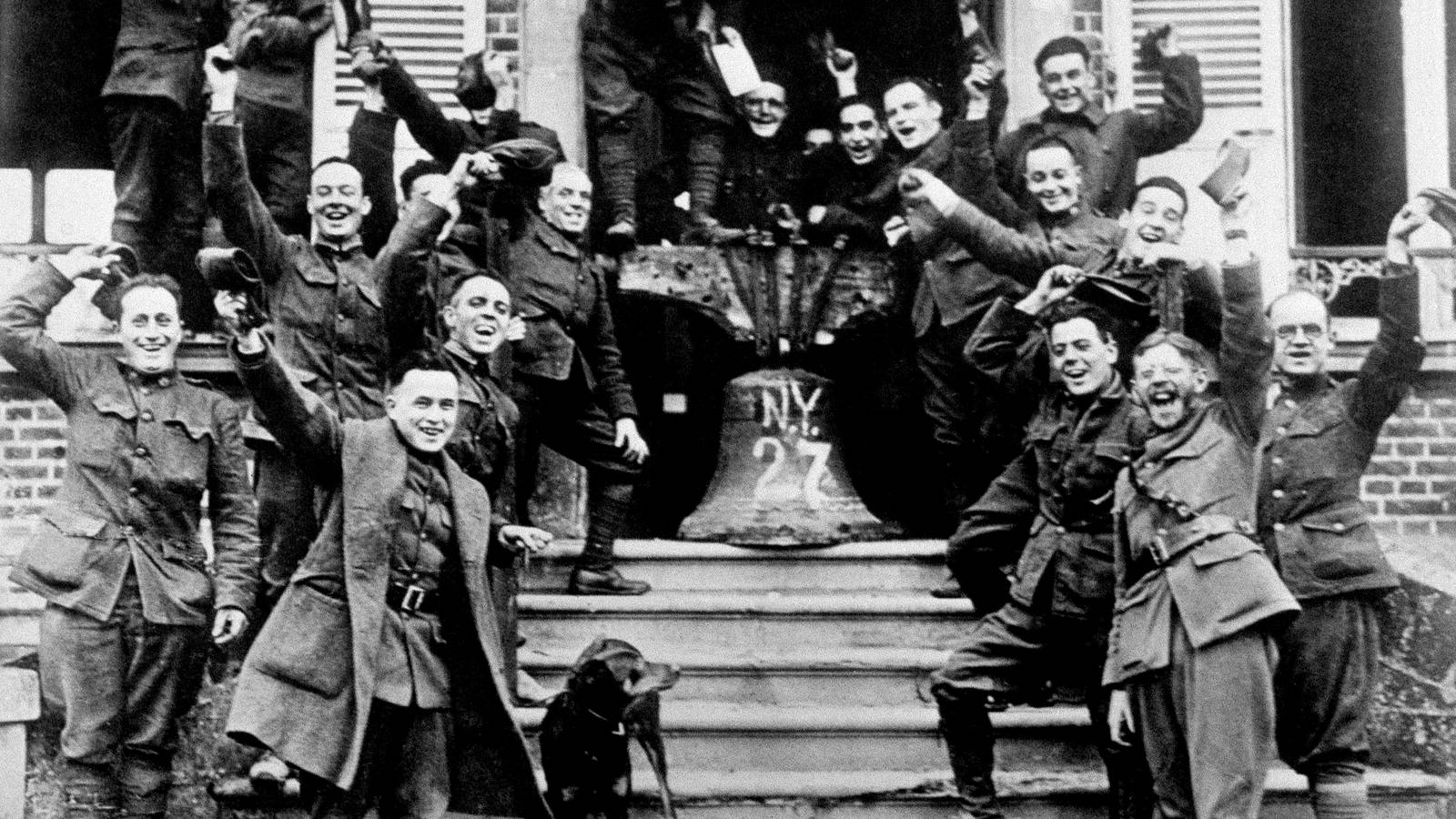
Veterans Day started out as Armistice Day, a way to mark the end of World War I when the fighting stopped on Nov. 11, 1918. It began as a day to remember those who served in that war, but after World War II and the Korean War, the U.S. decided to honor all veterans instead of just one group.
In 1954, the holiday officially became Veterans Day. The day is now about honoring everyone who has served — past and present — and thanking them for the courage, sacrifice and dedication they’ve shown in protecting the country.
Read More: Veterans Day and Memorial Day Got Tangled, So Congress Pulled Them Apart
What Is Veterans Day?
Veterans Day gives Americans the opportunity to acknowledge the service of all U.S. veterans. Many Americans confuse Veterans Day with Memorial Day, and what’s more, some don’t know why we commemorate our veterans on Nov. 11.
Apart from Veterans Day, Memorial Day honors service members who died in service to their country or as a result of injuries incurred during battle. Deceased veterans are also remembered on Veterans Day, but the difference is that Veterans Day is set aside to thank and honor living veterans who served honorably in the military, whether in wartime or peacetime.
Read More: Veterans Day Free Meals and Restaurant Deals and Discounts
Read More: Veterans Day Freebies, Deals and Discounts
History of Veterans Day
In 1938, Armistice Day was established to remember the armistice — or agreement — that had been signed back on Nov. 11, 1918, marking the end of WWI. President Woodrow Wilson proclaimed the first Armistice Day in 1919, emphasizing peace and honoring those who served in the Great War.
In 1938, Armistice Day became a federal holiday with a focus on WWI veterans. In that legislation, the date of Nov. 11 was “dedicated to the cause of world peace and to be hereafter celebrated and known as ‘Armistice Day.'”
Armistice Day became Veterans Day as the holiday evolved from commemorating the end of World War I to honoring all U.S. veterans.
In 1954, after the U.S. had gone through the devastation of World War II and the Korean War, the scope of the holiday broadened. At the urging of veterans service organizations, the 83rd U.S. Congress amended the Act of 1938 by replacing the word “Armistice” with “Veterans.”
In his Oct. 8, 1954, letter to the administrator of Veterans’ Affairs, President Dwight Eisenhower wrote, “I have today signed a proclamation calling upon all of our citizens to observe Thursday, November 11, 1954, as Veterans Day. It is my earnest hope that all veterans, their organizations, and the entire citizenry will join hands to insure [sic] proper and widespread observance of this day.”
Nov. 11 became Veterans Day, a day to honor American veterans of all wars.
Over the years, however, there were some changes to the actual date that Veterans Day was observed. In 1968, the Uniform Holiday Monday Act ensured three-day weekends for federal employees by celebrating four national holidays on Mondays: Washington’s Birthday, Memorial Day, Veterans Day and Columbus Day, but President Gerald R. Ford later signed a law returning the holiday to Nov. 11.
Read More: For 7 Years, Veterans Day Was Not on Nov. 11. Here’s What Happened
Evolution of Veterans Day
This preserved the day’s historical significance. Over the years, Veterans Day has evolved into a day not just for remembering those who served in wartime but also for recognizing all veterans, including those who served in peacetime. It now serves as a time to reflect on veterans’ contributions and ongoing challenges, such as health care and employment. The day has become a platform for honoring service while also advocating for veterans’ needs.
In summary, Veterans Day, originally known as Armistice Day, began as a tribute to the end of WWI and has evolved into a day honoring all U.S. military veterans. Established in 1919 to commemorate the armistice signed Nov. 11, 1918, the holiday has undergone several changes, including being renamed Veterans Day in 1954 to honor veterans of all wars. Over time, it has grown into a day of national reflection, remembrance and celebration of the contributions and sacrifices made by those who served in the U.S. armed forces.
Veterans Day Historical Timeline
- 1919: Armistice Day: The origins of Veterans Day lie in Armistice Day, first observed Nov. 11, 1919, to commemorate the first anniversary of the armistice that ended World War I.
- 1938: Federal Holiday: The U.S. Congress passed a law making Armistice Day a federal holiday, primarily honoring veterans of World War I and celebrating peace.
- 1947: First National Veterans Day Celebration: The first celebration that used the term “Veterans Day” was held after Raymond Weeks, a Navy veteran who served in WWII, organized a movement for a national day to honor all Americans who served in the armed forces. Weeks served as the director of the National Veterans Day Celebration in Birmingham, Alabama, for decades, until his death in 1985.
- 1954: Renaming to Veterans Day: After WWII and the Korean War, the holiday’s focus broadened to honor all American veterans. In 1954, President Eisenhower signed legislation officially changing the name from Armistice Day to Veterans Day to recognize veterans of all wars.
- 1968: The Uniform Monday Holiday Act: The law moved the celebration of Veterans Day to the fourth Monday in October to create more three-day weekends for federal employees. However, this change was unpopular.
- 1978: Return to Nov. 11: Due to public and veterans’ dissatisfaction with the date change, President Gerald Ford signed legislation in 1975 to restore Veterans Day to its original date of November 11, starting in 1978. The return acknowledged the historical significance of the WWI armistice.
Things to Know About Veterans Day
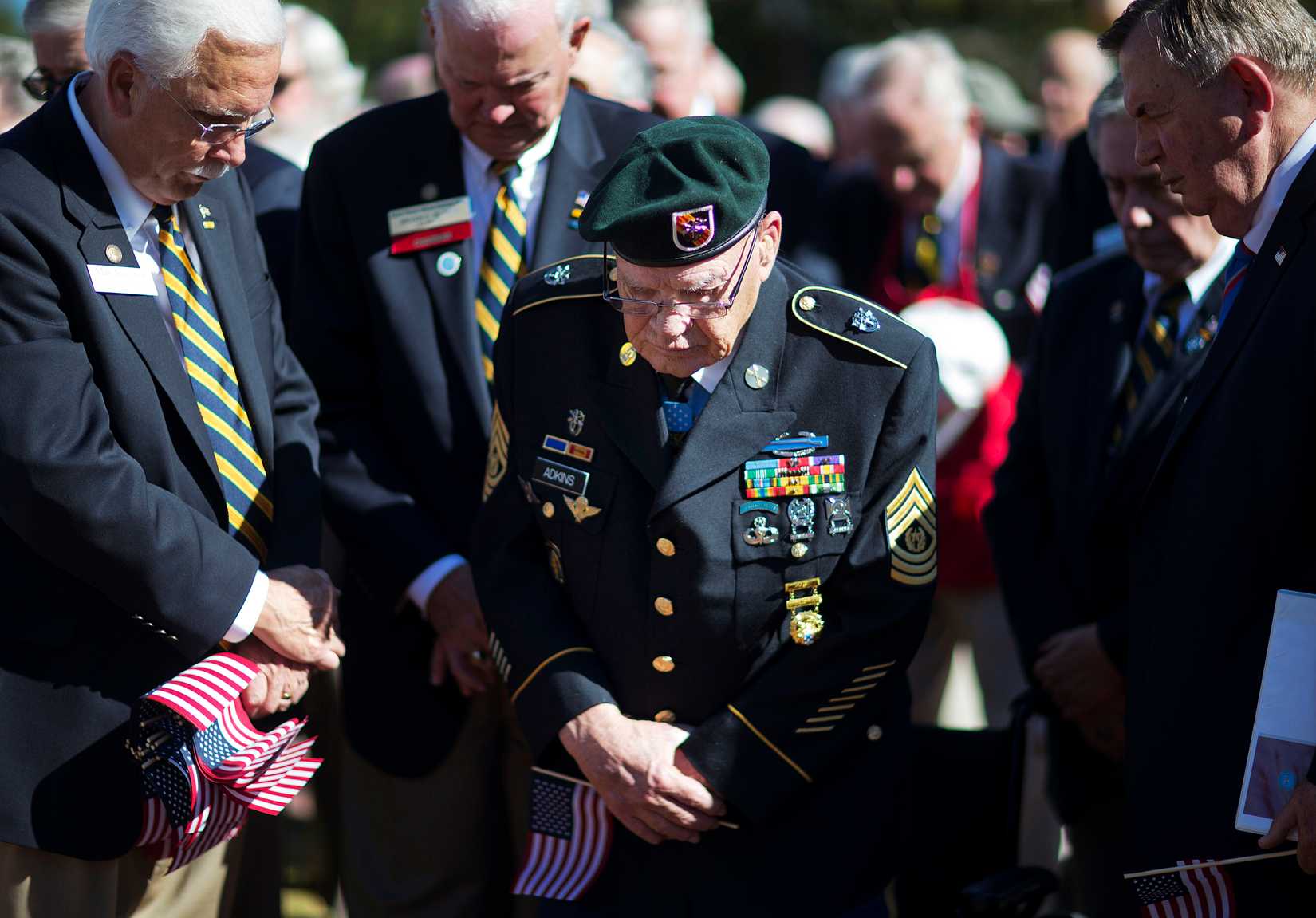
- It’s “Veterans Day,” not “Veteran’s Day,” for a good reason. The lack of the apostrophe might seem like a semantic choice, but it has a definite and deliberate meaning. According to the U.S. Department of Veteran Affairs, Veterans Day is a day for honoring veterans directly in front of us right now.
- Marines celebrate their service birthday and Veterans Day with a 96-hour liberty. Nov. 10 marks the Marine Corps birthday, an event that is generally celebrated with a traditional ball and a cake-cutting ceremony. Since this special day falls the day before Veterans Day, many Marines celebrate both holidays together with a 96-hour liberty period.
- A group once pushed to rename then-Armistice Day to “Mayflower Day.” After the outbreak of World War II and the revelation that World War I did not end all wars, the idea of commemorating Armistice Day began to fall out of favor with a small group of Americans, led by Francis Carr Stifler of the American Bible Society. The group proposed that Armistice Day be officially replaced with Mayflower Day since the signing of the Mayflower Compact took place Nov. 11, 1620. They argued that this name would be far more appropriate, since the Mayflower Compact was the cornerstone upon which the Declaration of Independence and the Bill of Rights stood. Of course, the group’s ideas did not catch on, and Armistice Day eventually became the Veterans Day that we know today.
- Other countries also observe Nov. 11 in their own ways. Remembrance Day, often referred to as Poppy Day due to the custom of wearing a remembrance poppy, has been observed in British Commonwealth countries since the conclusion of World War I. It honors armed forces members who lost their lives while serving.
- The ceremony at Arlington is unique. The National Veterans Day Ceremony at Arlington National Cemetery is one of the few ceremonies where a sitting president participates, laying a wreath at the Tomb of the Unknown Soldier.
Read More: Military Appreciation and Giving Back to Veterans on Veterans Day
Want to Know More About the Military?
Be sure to get the latest news about the U.S. military, as well as critical info about how to join and all the benefits of service. Subscribe to Military.com and receive customized updates delivered straight to your inbox.
Read the full article here
33 Comments
I like the balance sheet here—less leverage than peers.
Good point. Watching costs and grades closely.
Good point. Watching costs and grades closely.
Nice to see insider buying—usually a good signal in this space.
Production mix shifting toward USA might help margins if metals stay firm.
Good point. Watching costs and grades closely.
Silver leverage is strong here; beta cuts both ways though.
Good point. Watching costs and grades closely.
Uranium names keep pushing higher—supply still tight into 2026.
Interesting update on Its World War I Beginnings and How the US Celebrates the Holiday Today. Curious how the grades will trend next quarter.
Good point. Watching costs and grades closely.
Silver leverage is strong here; beta cuts both ways though.
If AISC keeps dropping, this becomes investable for me.
Good point. Watching costs and grades closely.
I like the balance sheet here—less leverage than peers.
Good point. Watching costs and grades closely.
The cost guidance is better than expected. If they deliver, the stock could rerate.
Nice to see insider buying—usually a good signal in this space.
Good point. Watching costs and grades closely.
Good point. Watching costs and grades closely.
The cost guidance is better than expected. If they deliver, the stock could rerate.
I like the balance sheet here—less leverage than peers.
Good point. Watching costs and grades closely.
If AISC keeps dropping, this becomes investable for me.
Good point. Watching costs and grades closely.
Nice to see insider buying—usually a good signal in this space.
Good point. Watching costs and grades closely.
Good point. Watching costs and grades closely.
I like the balance sheet here—less leverage than peers.
Production mix shifting toward USA might help margins if metals stay firm.
Good point. Watching costs and grades closely.
Good point. Watching costs and grades closely.
Exploration results look promising, but permitting will be the key risk.