


Washington has committed more than $206 million to a proposed Gaza security force led by a U.S. Army general.
Helping shape the diplomatic framework for that mission is Jared Kushner, the son-in-law of President Donald Trump whose investment firm earns foreign-government fees and holds a lucrative Israeli investment connected indirectly to military suppliers.
The funding notifications cover equipment, infrastructure and operations for the International Stabilization Force, including repurposed American armored vehicles.
The concern is whether Kushner’s financial interests could steer negotiations toward arrangements that benefit his investors or investments, leaving American taxpayers to help fund the results and participating troops to enforce them.
That risk warrants scrutiny before financial commitments become military obligations.
American Resources for an Unfinished Mission
The White House appointed Kushner to the Board of Peace’s founding executive board and a separate Gaza executive board in January.
It named Army Maj. Gen. Jasper Jeffers commander of the stabilization force, responsible for security operations, demilitarization and enabling humanitarian aid and reconstruction.
Five countries initially made troop commitments in February. Trump also pledged $10 billion in reconstruction funding.
By Oct. 6, the force remained unassembled, despite personnel commitments from Indonesia, Morocco, Kazakhstan, Albania, Kosovo and Uganda. Jeffers’ long-term plan calls for 20,000 troops and the training of 12,000 Palestinian police.
Kushner is helping negotiate the terms that would determine what the force must accomplish, where it can operate, and how it would handle armed groups.
With Hamas’ disarmament and Israeli withdrawal unresolved, those decisions could leave participating troops enforcing an agreement the parties themselves will not honor.
The Investment Gains Are Real
An Oct. 1 CNN investigation found that Affinity Partners, Kushner’s private equity firm, is Phoenix Financial’s largest shareholder. Affinity invested in the Israeli financial group in July 2024 and doubled its stake shortly before Trump returned to office in January 2025.
Phoenix held more than $456 million in shares of nine companies supplying Israel’s military: Elbit Systems, Next Vision, Bet Shemesh Engines, Reshef Technologies, Ashot Ashkelon, Boeing, Caterpillar, RP Optical Lab and Israel Shipyards. Kushner’s firm sold a quarter of its Phoenix stake in July for more than $340 million, reportedly more than five times what those shares originally cost.
Rep. Robert Garcia, D-Calif., the House Oversight Committee’s ranking Democrat, has requested records detailing Affinity’s Middle East investments, transactions with Phoenix and safeguards separating Kushner’s diplomatic work from fundraising and business development.
His Oct. 5 letter also requests Kushner’s financial holdings and schedules of meetings in Israel and Gaza, with an Oct. 19 deadline. The request comes from committee Democrats and is not a subpoena.
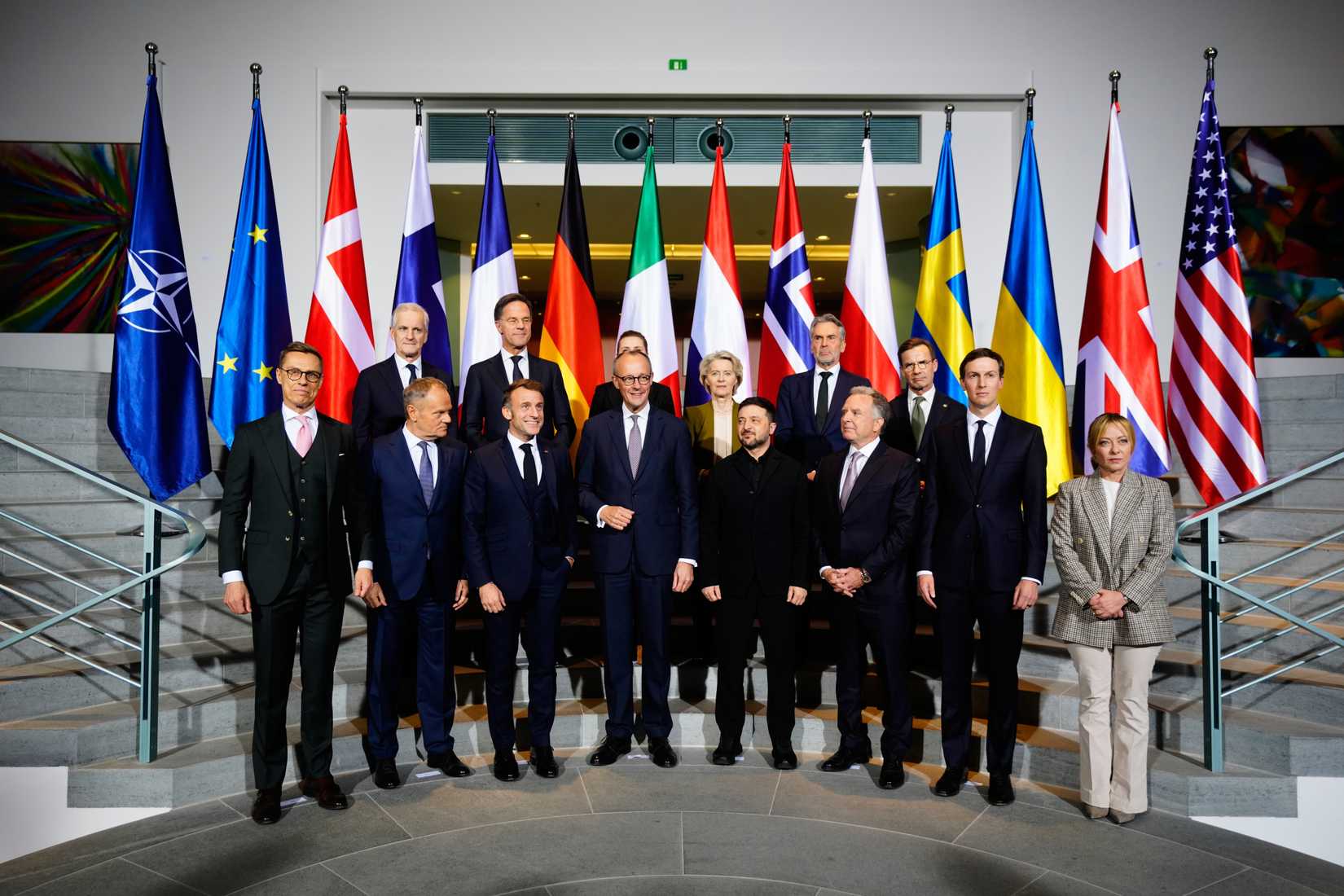
Kushner rejected the implications on Oct. 2, saying he does not decide what Phoenix buys or sells. His attorney says he holds no board seat or management position there. However, a lack of direct control over investments does not eliminate a financial interest in their success.
Following the records request, Kushner’s attorney also pointed out that Garcia’s pension plans also hold Phoenix or Elbit shares. Garcia’s spokesperson said those pensions are independently managed and that he cannot direct their investments or opt out. The attorney reiterated that Kushner does not choose Phoenix’s investments.
A September 2024 Senate Finance investigation identified approximately $157 million in fees Affinity received from foreign clients, including $87 million from Saudi Arabia. Saudi Arabia’s Public Investment Fund committed $2 billion.
The fees pay for investment management; they are not documented payments for Gaza negotiations. They nevertheless tie the revenue of Kushner’s firm to foreign governments whose interests he must weigh while representing the United States.
Diplomatic Access and Business Partners
Kushner helped negotiate the Abraham Accords during Trump’s first term. His relationships can provide access to leaders and investors, explaining a potential diplomatic advantage.
The same relationships also connect him to paying clients. His Oct. 2 response defended his record promoting peace.
His commercial vision for Gaza predates the current mission. In a 2024 Harvard interview, Kushner described its waterfront as potentially valuable. His January redevelopment presentation envisioned towers, data centers and resorts without explaining property rights, compensation for Palestinians who have lost their homes or housing for displaced residents during rebuilding.
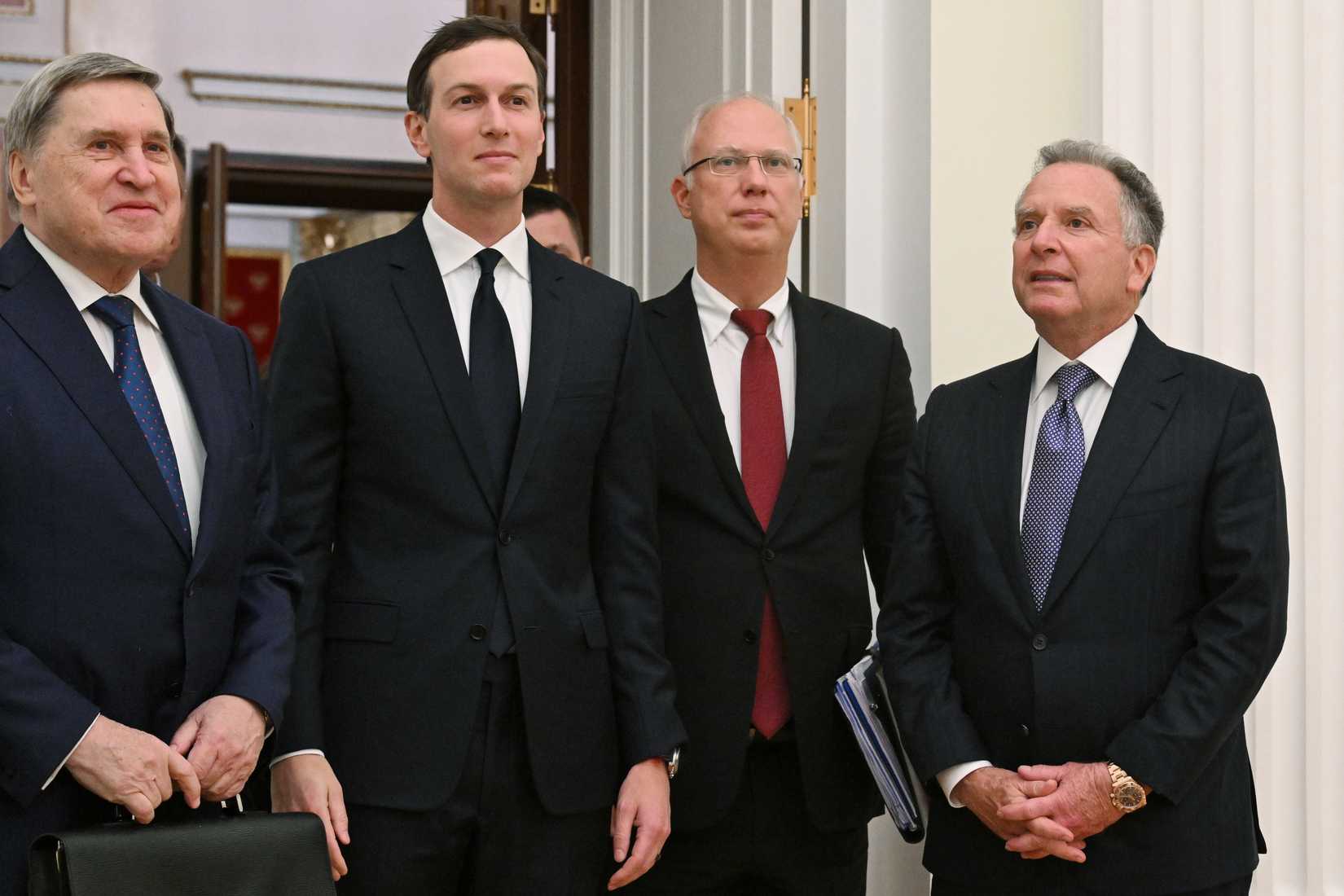
The financial overlap also extends to Ukraine negotiations. An Oct. 3 report, citing the New York Times, described a proposed purchase of Lukoil’s international assets involving groups with business ties to Kushner or fellow envoy Steve Witkoff’s family.
Reported prospective buyers include the Qatari Al-Khayyat family, whose members are working with Kushner and Ivanka Trump on an Albanian resort.
On Oct. 5, the Kremlin confirmed energy discussions but declined to confirm the reported deal. That response does not establish a completed transaction or personal payout to Kushner.
Family Access Does Not Exempt Government Work
Presidents can use unelected officials and outside advisers. Family ties do not automatically invalidate a White House appointment.
The Justice Department’s 2017 nepotism opinion concluded that presidential hiring authority exempts White House Office positions from the federal nepotism prohibition. It expressly preserved conflict-of-interest restrictions for White House employees.
The opinion also explained that an informal adviser can become a government employee by taking on official duties, such as coordinating the administration’s work—even without a formal appointment. Calling a negotiator a volunteer does not settle that distinction.
Under 18 U.S.C. 208, covered employees cannot knowingly participate personally and substantially in particular matters affecting their financial interests without an applicable exemption or waiver.

Participation includes advice and recommendations, so Kushner need not have final authority for the prohibition to apply. Implementing regulations requires a direct and predictable financial effect. Regional investment exposure alone does not establish a violation.
Kushner’s negotiating responsibilities strongly support treating him as a government employee covered by those restrictions. The Justice Department’s nepotism opinion distinguishes personal advice to the president from government work and cites an informal adviser whose coordination of administration activities made him an employee for that work.
Negotiating on behalf of the United States goes beyond offering private family advice. Neither his relationship to Trump nor unpaid service supplies an exemption; federal law expressly recognizes unpaid special government employees.
A disqualifying financial interest generally requires recusal unless it is divested or an exemption or waiver permits participation.
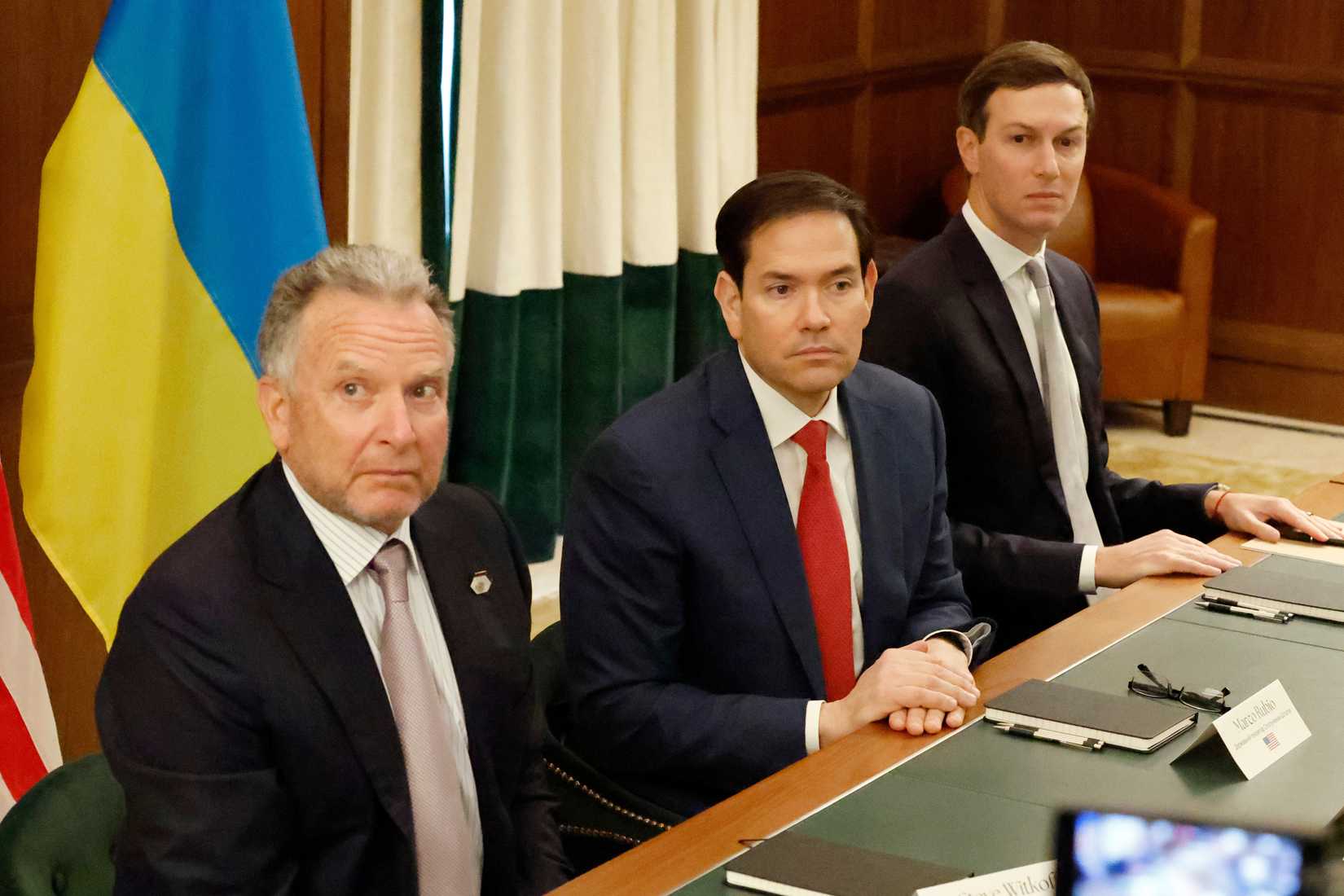
An individual waiver requires full disclosure and an advance written determination that the interest is not substantial enough to compromise his government service. It permits participation despite the specified conflict, but it does not erase separate disclosure obligations.
The waiver guidance allows officials to weigh the financial stakes, the negotiator’s discretion, and the need for his services, but expressly rejects good-character assurances as a basis for approval. A defense of Kushner’s intentions would therefore be insufficient to justify a waiver.
Section 208 generally makes such waivers available upon request, subject to lawful withholding of protected information. It is unknown whether Kushner has received a waiver covering his past or present actions.
Democratic lawmakers also sought an investigation under the Foreign Agents Registration Act in 2024. Its registration requirements depend on an agency relationship and covered activities, subject to exemptions. Foreign investment alone does not prove illegal foreign representation.
American military leaders will inherit the mission these negotiations produce, and taxpayers will pick up the tab. Kushner’s relationships may assist diplomacy while giving him private interests in its consequences.
Read the full article here
32 Comments
Nice to see insider buying—usually a good signal in this space.
Good point. Watching costs and grades closely.
Interesting update on Jared Kushner’s Middle East Financial Ties Draw Scrutiny as US Funds Gaza Force. Curious how the grades will trend next quarter.
Good point. Watching costs and grades closely.
Uranium names keep pushing higher—supply still tight into 2026.
Uranium names keep pushing higher—supply still tight into 2026.
Good point. Watching costs and grades closely.
I like the balance sheet here—less leverage than peers.
The cost guidance is better than expected. If they deliver, the stock could rerate.
Good point. Watching costs and grades closely.
Exploration results look promising, but permitting will be the key risk.
Good point. Watching costs and grades closely.
The cost guidance is better than expected. If they deliver, the stock could rerate.
If AISC keeps dropping, this becomes investable for me.
Good point. Watching costs and grades closely.
Uranium names keep pushing higher—supply still tight into 2026.
Good point. Watching costs and grades closely.
Exploration results look promising, but permitting will be the key risk.
I like the balance sheet here—less leverage than peers.
Good point. Watching costs and grades closely.
Uranium names keep pushing higher—supply still tight into 2026.
Good point. Watching costs and grades closely.
Good point. Watching costs and grades closely.
Silver leverage is strong here; beta cuts both ways though.
Silver leverage is strong here; beta cuts both ways though.
Exploration results look promising, but permitting will be the key risk.
Good point. Watching costs and grades closely.
Uranium names keep pushing higher—supply still tight into 2026.
Good point. Watching costs and grades closely.
Exploration results look promising, but permitting will be the key risk.
Good point. Watching costs and grades closely.
Good point. Watching costs and grades closely.