


Military leaver flight attendants face more stress and pressure than pilots, a new study has found.
According to a CCK Law analysis of U.S. Department of Labor data, those who leave the military to become flight attendants face more stress than those in the cockpit.
These leavers, who transition to charter, commercial or private flight attendant roles after exiting the armed forces, are also cited as having a greater level of responsibility for others’ safety and the need to deal with angry individuals.
The Federal Aviation Administration (FAA) reports that unruly passenger incidents have dropped by more than 80% since their early 2021 COVID-era record highs, yet warns that recent upticks prove the issue persists.
Why the Civilian Job Transition Matters for Veterans
The Department of Defense reports that approximately 200,000 U.S. service members annually leave the military and transition into civilian life.
This transition can be challenging for veterans looking to replicate their specialized experience in the civilian job market in ways that corporate recruiters understand.
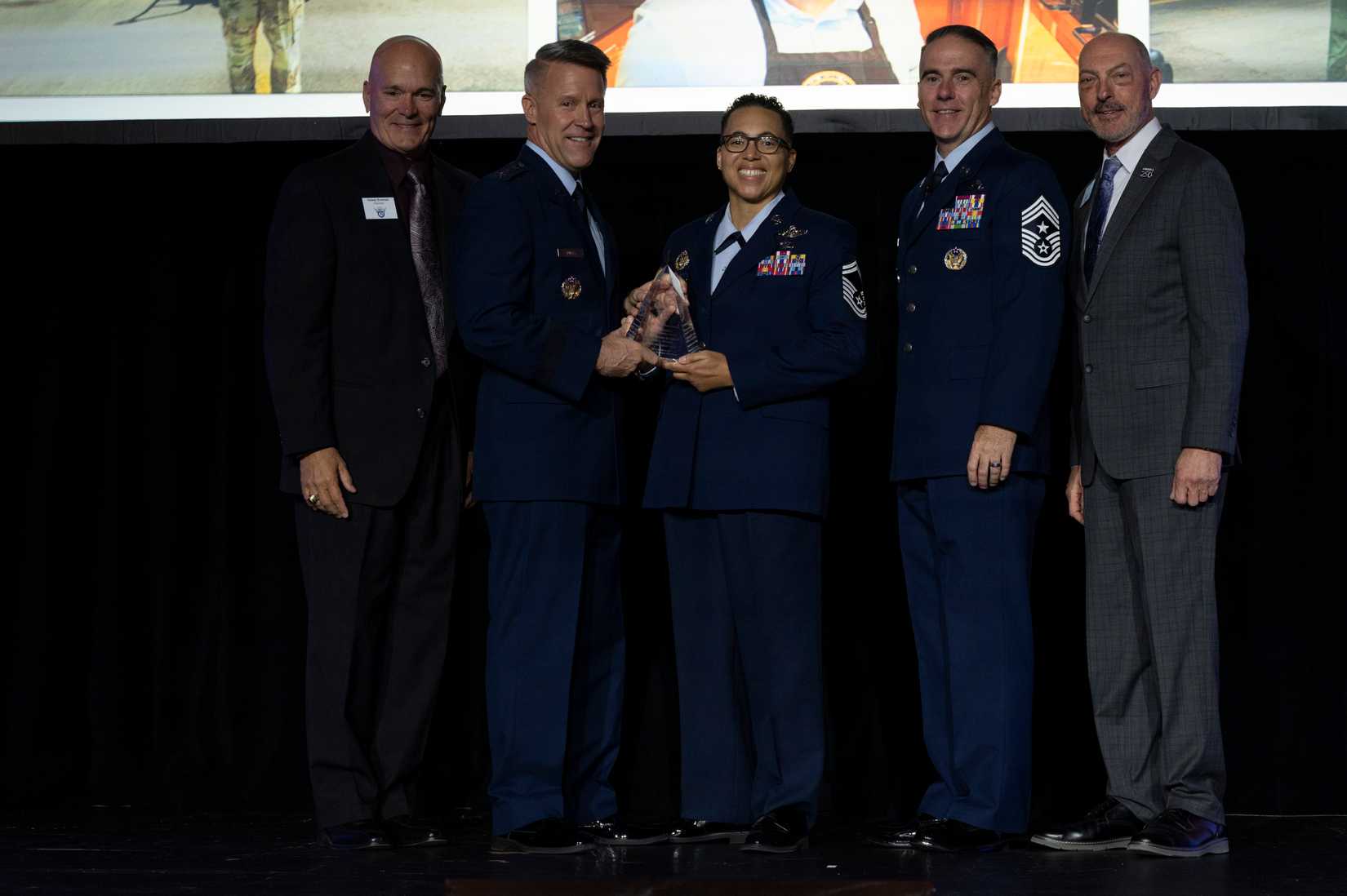
As a result, roughly one-third of post-9/11 veterans experience underemployment during their early years out of uniform, often accepting entry-level roles below their actual leadership capabilities.
However, there are still many job opportunities for veterans. Specifically, according to CCK’s analysis, 769 military roles can lead to airline pilot jobs. CCK specializes in providing advice for veterans, including disabled veterans.
The Stress Index’s Findings
CCK Law built a stress index measuring different facets of job pressures across 365 civilian jobs that military roles lead into.
They created the so-called “Stress Index” by using U.S. Labor Department ONET 31.0 data. To measure inherent job pressure, rather than personal stress, they analyzed eight workplace factors—including conflict, time pressure and responsibility for others’ safety, from 0 to 100 and averaged equally.
Using the August 2024 ONET Military Crosswalk, they mapped military job codes to 365 civilian roles, with medians representing the middle score across those jobs.
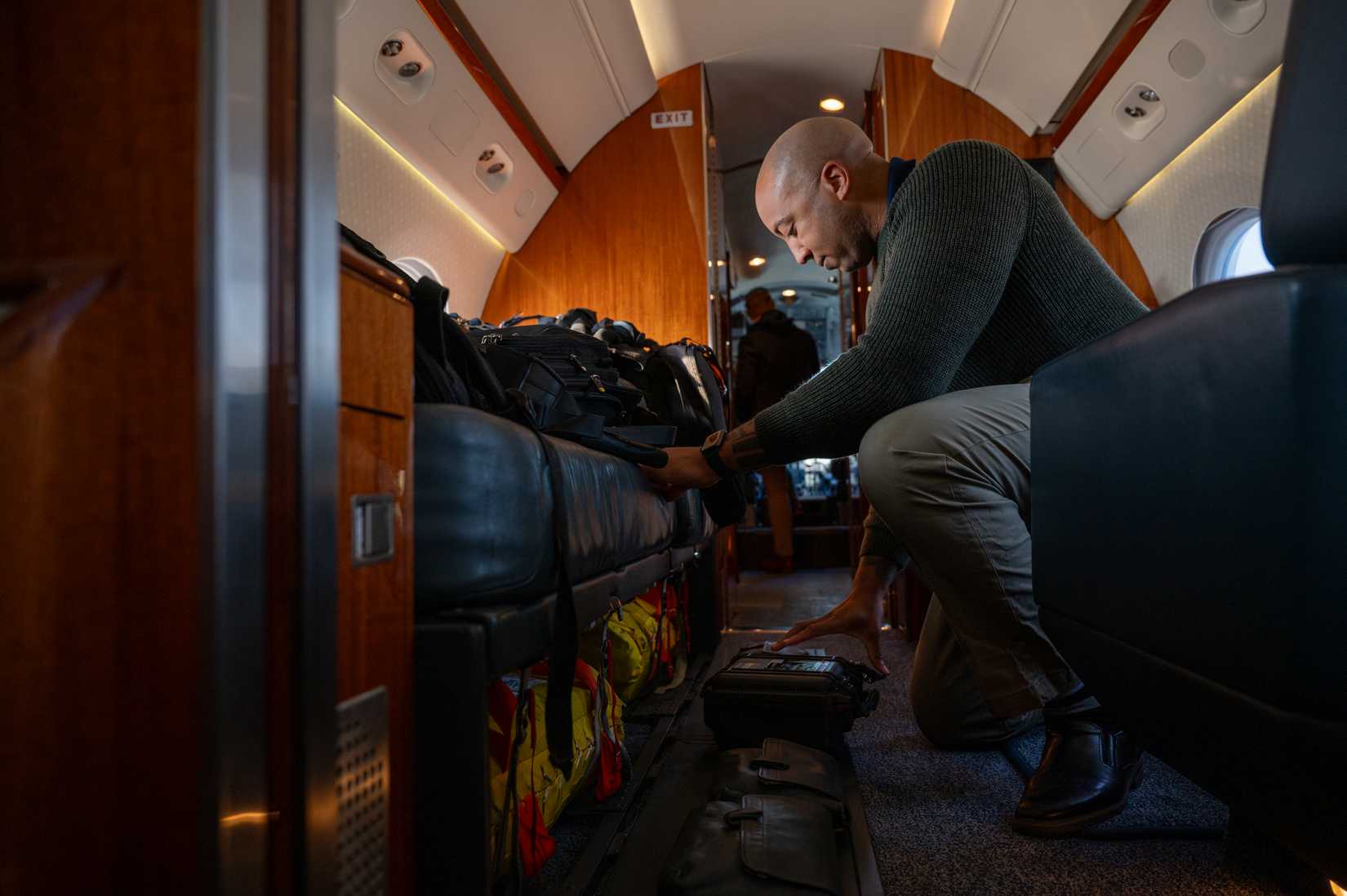
Data includes May 2025 Bureau of Labor Statistics (BLS) pay and employment figures for aviation roles, FAA unruly passenger trends, and a DOD/Government Accountability Office estimate of 200,000 transitioning service members.
Flight Attendants Rank Fifth for Job Pressure
Findings show that flight attendants scored 82.9 out of 100—the fifth highest of any job in the index and 11.3 points above airline pilots, copilots and flight engineers, which all came in at roughly 71.6.
BLS reports 133,700 flight attendants currently working in the U.S. and projects the workforce to grow 9% by 2035, generating roughly 18,500 job openings annually. The agency also notes that the profession carries one of the highest rates of injury and illness among all occupations.

Despite these high stress levels, Bureau of Labor Statistics figures showed the median flight attendant earned $63,580 in May 2025 while the median airline pilot earned $232,140, almost four times more.
The study also found that critical care nurses reported high levels of stress, with a score of 81.1 out of 100. Next were police and sheriff’s patrol officers, who scored 80.1 out of 100, and paramedics, who scored 75.7 out of 100.
In terms of dealing with angry people, every listed job scores above the national median (2.87 out of 5) for confronting upset or aggressive individuals, with flight attendants (4.60), critical care nurses (4.32) and police officers (4.23) facing the highest interpersonal friction.
Almost every role also exceeded the national median (3.48 out of 5) for being responsible for others’ safety, led by flight attendants (4.96), airline pilots (4.44) and police officers (4.26).
Read the full article here
29 Comments
Uranium names keep pushing higher—supply still tight into 2026.
Good point. Watching costs and grades closely.
The cost guidance is better than expected. If they deliver, the stock could rerate.
Production mix shifting toward USA might help margins if metals stay firm.
Good point. Watching costs and grades closely.
Good point. Watching costs and grades closely.
I like the balance sheet here—less leverage than peers.
Good point. Watching costs and grades closely.
Good point. Watching costs and grades closely.
The cost guidance is better than expected. If they deliver, the stock could rerate.
Production mix shifting toward USA might help margins if metals stay firm.
Exploration results look promising, but permitting will be the key risk.
The cost guidance is better than expected. If they deliver, the stock could rerate.
Silver leverage is strong here; beta cuts both ways though.
Good point. Watching costs and grades closely.
Good point. Watching costs and grades closely.
Silver leverage is strong here; beta cuts both ways though.
Good point. Watching costs and grades closely.
Good point. Watching costs and grades closely.
Exploration results look promising, but permitting will be the key risk.
Uranium names keep pushing higher—supply still tight into 2026.
The cost guidance is better than expected. If they deliver, the stock could rerate.
Good point. Watching costs and grades closely.
Good point. Watching costs and grades closely.
Silver leverage is strong here; beta cuts both ways though.
If AISC keeps dropping, this becomes investable for me.
Good point. Watching costs and grades closely.
Good point. Watching costs and grades closely.
Exploration results look promising, but permitting will be the key risk.