

There are more than 400,000 national veterans diagnosed with alcohol use disorder (AUD). A new federal clinical trial is examining whether mainstream GLP-1s can help reverse the trend.
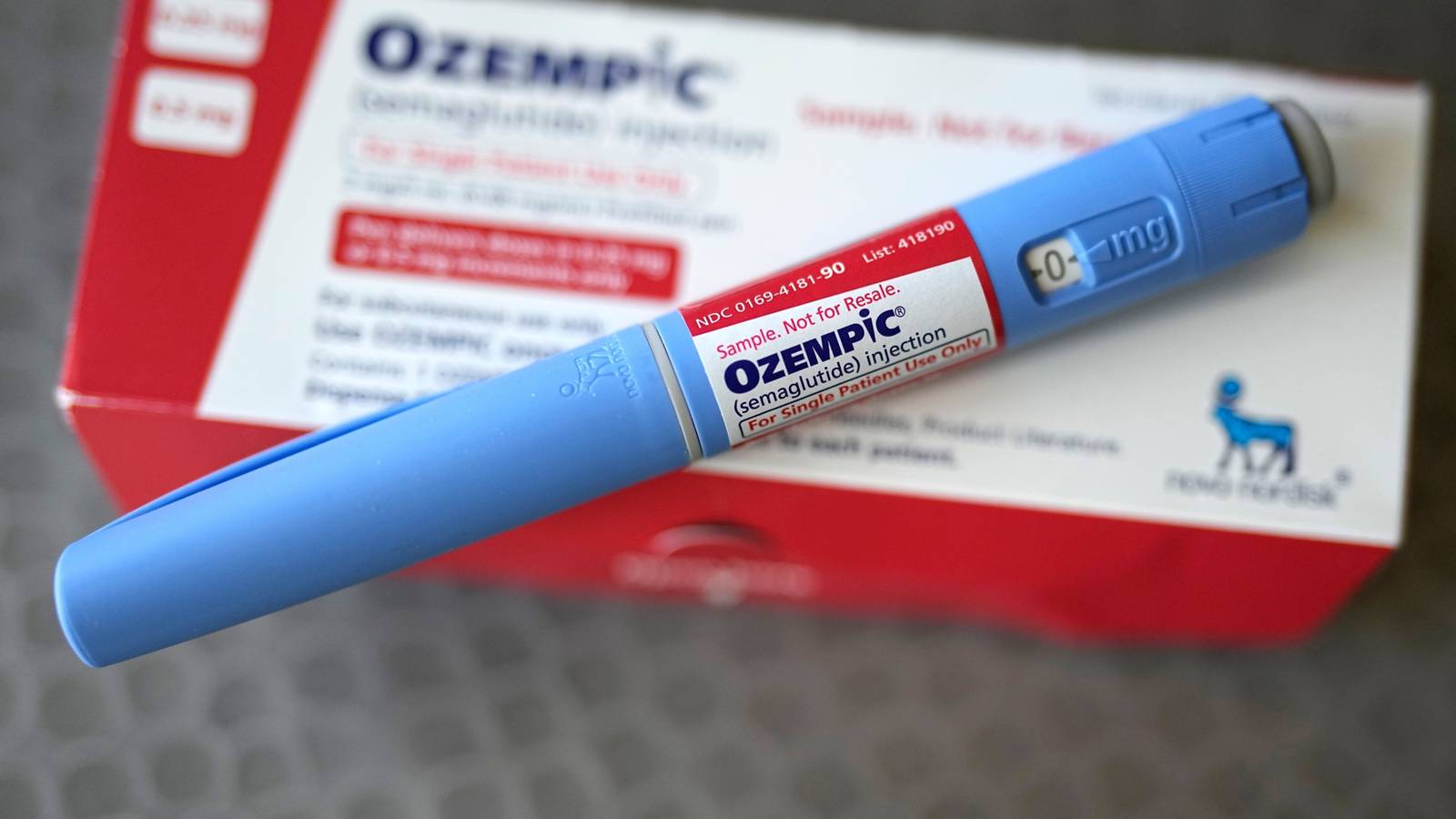
The U.S. Department of Veterans Affairs on July 30 announced a new trial to evaluate the efficacy of semaglutide, a GLP-1 receptor agonist used to treat diabetes, as treatment for AUD that is estimated to impact roughly 11% of U.S. adults.
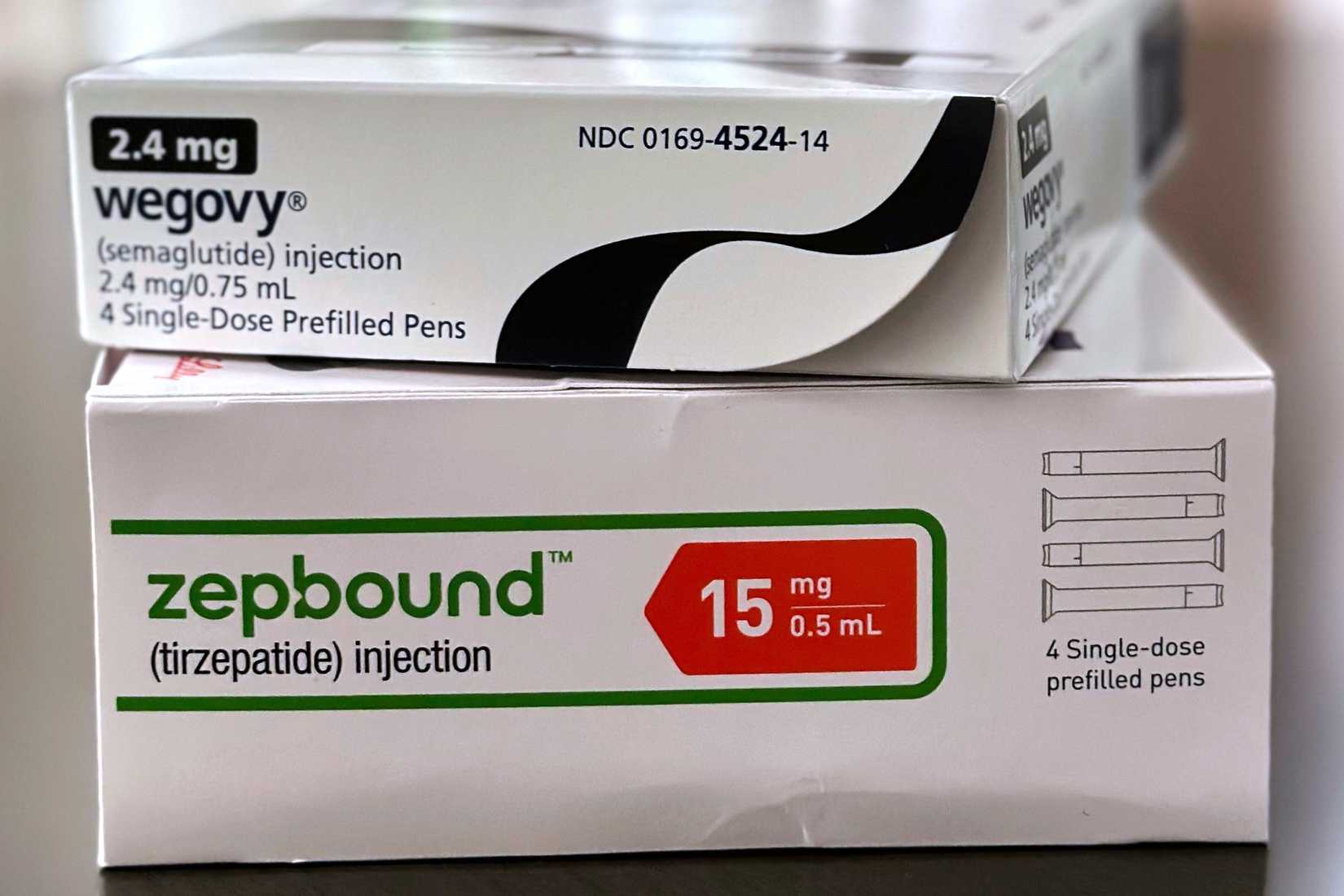
GLP-1s have become mainstream across all segments of society, with prescription drug names like Ozempic, Wegovy and Zepbound becoming ubiquitously recognized for helping slow digestion and reduce appetite—effectively contributing towards positive long-term weight management. They have traditionally been used to mimic natural gut hormones to lower diabetes risks.
The VA’s focus on semaglutide is based on studies showing how it could affect parts of the brain related to how the body experiences rewards. In March 2026, a study was published in the National Library of Medicine finding that the use of GLP-1 “receptor agonists” was consistently associated with reduced risks of developing various substance-use disorders and further treating them.
Broader use of GLP-1 medications by those with existing SUDs has been correlated with fewer emergency visits, hospitalizations, and other adverse outcomes.
“This clinical trial reflects medical research that VA is uniquely situated to launch, and is aimed directly at benefiting Veterans,” VA Secretary Doug Collins said in a statement. “By exploring emerging treatment options like the use of a GLP-1 for AUD, we aim to expand the tools available to help Veterans take control of their health and recovery.”
How and Where Trial Will be Conducted
The VA said that the study, “Cessation or Reduction of Alcohol Consumption in Veterans trial,” will enroll more than 600 Veterans at 18 VA medical centers nationwide.
Participants between the ages of 18 and 80 with moderate or severe AUD will receive weekly injections of either semaglutide or a placebo over a 24‑week period, followed by a safety follow‑up. Researchers will track changes in drinking, health and quality of life to determine whether the medication offers a meaningful new treatment option.
The study will be conducted at the following VA medical centers:
- Ann Arbor VA Health Care System, Ann Arbor, Mich.
- Charles George VA Medical Center, Asheville, N.C.
- Durham VA Medical Center, Durham, N.C.
- Edward Hines Jr. VA Hospital, Hines, Ill.
- George E. Wahlen VA Medical Center, Salt Lake City
- Joseph Maxwell Cleland Atlanta VA Medical Center, Decatur, Ga.
- Louis Stokes Cleveland VA Medical Center, Cleveland
- Michael E. DeBakey VA Medical Center, Houston
- Minneapolis VA Medical Center, Minneapolis
- Orlando VA Medical Center, Orlando, Fla.
- Palo Alto VA Medical Center, Palo Alto, Calif.
- Philadelphia VA Healthcare System, Philadelphia
- Portland VA Medical Center, Portland, Ore.
- Tibor Rubin VA Medical Center, Long Beach, Calif.
- VA Greater Los Angeles Health Care System, Los Angeles
- VA North Texas Health Care System, Dallas
- VA Puget Sound Health Care System, Seattle
- William S. Middleton Memorial Veterans Hospital, Madison, Wis.
A March 2026 study analyzing electronic health records of 606,434 U.S. veterans with type 2 diabetes in the VA system involved splitting participants into two groups: those without a pre-existing substance-use disorder, and those who already had one.
GLP-1 use among veterans without a prior addiction was tied to a lower risk of developing substance-use disorders involving alcohol, opioids, nicotine, cocaine, cannabis and other substances. Among veterans who already had a substance use disorder, GLP-1 use was associated with lower rates of hospitalization, overdose and death.
The study also found a 25% reduction in suicidal ideation among GLP-1 users.
Study results published in April by researchers at the Rocky Mountain Regional VA Medical Center in Aurora, Colo., found that 201 veterans prescribed semaglutide averaged 10% body weight loss and showed measurable improvements in body mass index (BMI), blood pressure, LDL cholesterol, triglycerides and blood sugar. Quality of life also improved.
Recruitment for the VA’s newest trial began July 28. For more information about participation, veterans can contact their local VA medical center or visit ClinicalTrials.gov and search for the trial.
Read the full article here
32 Comments
Production mix shifting toward USA might help margins if metals stay firm.
Good point. Watching costs and grades closely.
Good point. Watching costs and grades closely.
Nice to see insider buying—usually a good signal in this space.
The cost guidance is better than expected. If they deliver, the stock could rerate.
Good point. Watching costs and grades closely.
Uranium names keep pushing higher—supply still tight into 2026.
Good point. Watching costs and grades closely.
Silver leverage is strong here; beta cuts both ways though.
Good point. Watching costs and grades closely.
Good point. Watching costs and grades closely.
Exploration results look promising, but permitting will be the key risk.
Good point. Watching costs and grades closely.
Production mix shifting toward USA might help margins if metals stay firm.
Good point. Watching costs and grades closely.
Interesting update on New VA Clinical Trial Examines How GLP-1s Can Help Treat 400K Veterans With Alcohol Use Disorder. Curious how the grades will trend next quarter.
Good point. Watching costs and grades closely.
Good point. Watching costs and grades closely.
If AISC keeps dropping, this becomes investable for me.
Good point. Watching costs and grades closely.
Good point. Watching costs and grades closely.
I like the balance sheet here—less leverage than peers.
Good point. Watching costs and grades closely.
Silver leverage is strong here; beta cuts both ways though.
Good point. Watching costs and grades closely.
Good point. Watching costs and grades closely.
Interesting update on New VA Clinical Trial Examines How GLP-1s Can Help Treat 400K Veterans With Alcohol Use Disorder. Curious how the grades will trend next quarter.
I like the balance sheet here—less leverage than peers.
Good point. Watching costs and grades closely.
Good point. Watching costs and grades closely.
Uranium names keep pushing higher—supply still tight into 2026.
Good point. Watching costs and grades closely.