

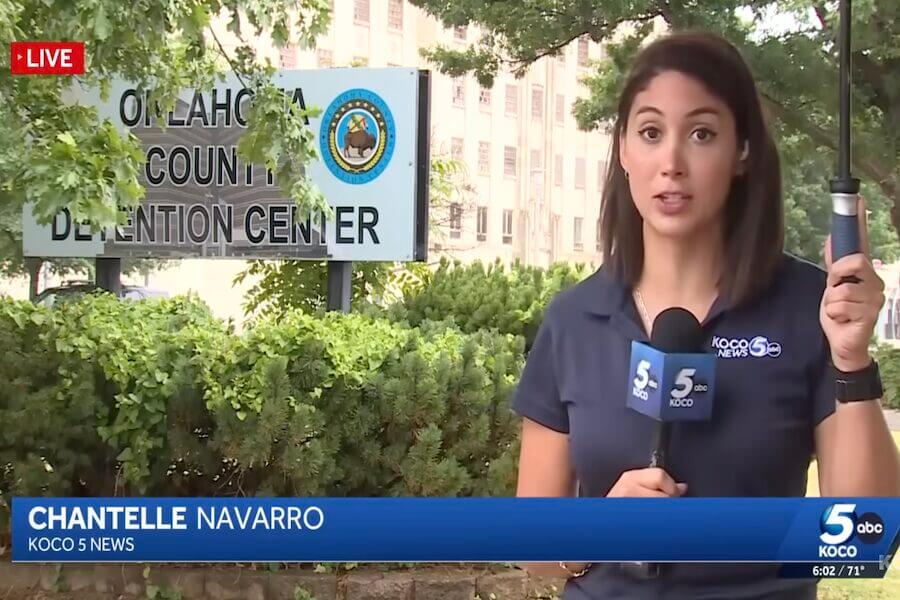
A case out of Oklahoma is raising uncomfortable questions about property rights, self-defense, and where the law draws the line when homeowners confront squatters.
According to reporting by KOCO 5 News, 59-year-old Timothy Smith is facing a first-degree manslaughter charge after authorities say he shot and killed a man he found inside a vacant home he owned.
The incident happened on May 1.
Police say Smith and his daughter went to check on the property after dealing with problems involving homeless individuals at the home in the past. When they entered, they reportedly found Justin King and a woman inside a back bedroom.
According to investigators, Smith was already carrying a handgun when he entered the house.
Smith and his daughter told the pair to leave. What happened next is where the controversy begins.
Smith reportedly told investigators that King stepped toward him during the confrontation. Smith said he then aimed in King’s direction and fired. The round struck King in the neck, killing him.
Now prosecutors are arguing that the shooting does not qualify as lawful self-defense.
Criminal defense attorney Ed Blau, speaking to KOCO, said several facts could make a self-defense claim difficult.
For starters, Smith allegedly told investigators he did not feel threatened. Police also say King was unarmed. And while Smith owned the house, he did not actually live there. That distinction could become critical.
Many gun owners are familiar with Oklahoma’s Castle Doctrine protections, which generally provide strong legal protections when someone unlawfully enters an occupied residence. But legal experts note that vacant or abandoned properties can create a very different legal situation.
You can’t just take a gun and shoot somebody,” Blau told KOCO. “There’s not the death penalty for squatting in the state of Oklahoma.”
The case is likely to generate strong reactions from both sides.
Property rights advocates point out that homeowners across the country have grown increasingly frustrated with squatting incidents and lengthy eviction processes. Others argue that regardless of who owns a property, deadly force still requires an immediate and lawful justification.
For Second Amendment supporters, the case serves as another reminder that ownership of a firearm (and even ownership of a property) doesn’t automatically create a legal justification for using deadly force.
As investigators continue reviewing the shooting, Smith remains charged with first-degree manslaughter and reckless conduct with a firearm.
The case now appears headed toward a courtroom, where a jury may ultimately decide whether this was self-defense, a tragic mistake, or something else entirely.
What do you think? Should property owners have broader authority to remove squatters from their property, or does this case show why deadly force laws need clear limits?
Self-defense doesn’t end when the threat goes down. That’s when the real battle begins. Lawyers. Prosecutors. Headlines. USCCA Members never fight that battle alone. Find out how.
*** Buy and Sell on GunsAmerica! ***
Read the full article here
48 Comments
If AISC keeps dropping, this becomes investable for me.
Good point. Watching costs and grades closely.
I like the balance sheet here—less leverage than peers.
Good point. Watching costs and grades closely.
Good point. Watching costs and grades closely.
Silver leverage is strong here; beta cuts both ways though.
Good point. Watching costs and grades closely.
Good point. Watching costs and grades closely.
If AISC keeps dropping, this becomes investable for me.
Good point. Watching costs and grades closely.
Good point. Watching costs and grades closely.
Exploration results look promising, but permitting will be the key risk.
Nice to see insider buying—usually a good signal in this space.
Exploration results look promising, but permitting will be the key risk.
Good point. Watching costs and grades closely.
Good point. Watching costs and grades closely.
If AISC keeps dropping, this becomes investable for me.
Nice to see insider buying—usually a good signal in this space.
Good point. Watching costs and grades closely.
Production mix shifting toward USA might help margins if metals stay firm.
I like the balance sheet here—less leverage than peers.
Exploration results look promising, but permitting will be the key risk.
Production mix shifting toward USA might help margins if metals stay firm.
The cost guidance is better than expected. If they deliver, the stock could rerate.
Exploration results look promising, but permitting will be the key risk.
Production mix shifting toward USA might help margins if metals stay firm.
Good point. Watching costs and grades closely.
Good point. Watching costs and grades closely.
Silver leverage is strong here; beta cuts both ways though.
Production mix shifting toward USA might help margins if metals stay firm.
Good point. Watching costs and grades closely.
Production mix shifting toward USA might help margins if metals stay firm.
Good point. Watching costs and grades closely.
Good point. Watching costs and grades closely.
I like the balance sheet here—less leverage than peers.
Production mix shifting toward USA might help margins if metals stay firm.
Good point. Watching costs and grades closely.
Good point. Watching costs and grades closely.
The cost guidance is better than expected. If they deliver, the stock could rerate.
Good point. Watching costs and grades closely.
Production mix shifting toward USA might help margins if metals stay firm.
Good point. Watching costs and grades closely.
Production mix shifting toward USA might help margins if metals stay firm.
Good point. Watching costs and grades closely.
Good point. Watching costs and grades closely.
I like the balance sheet here—less leverage than peers.
Good point. Watching costs and grades closely.
Good point. Watching costs and grades closely.