

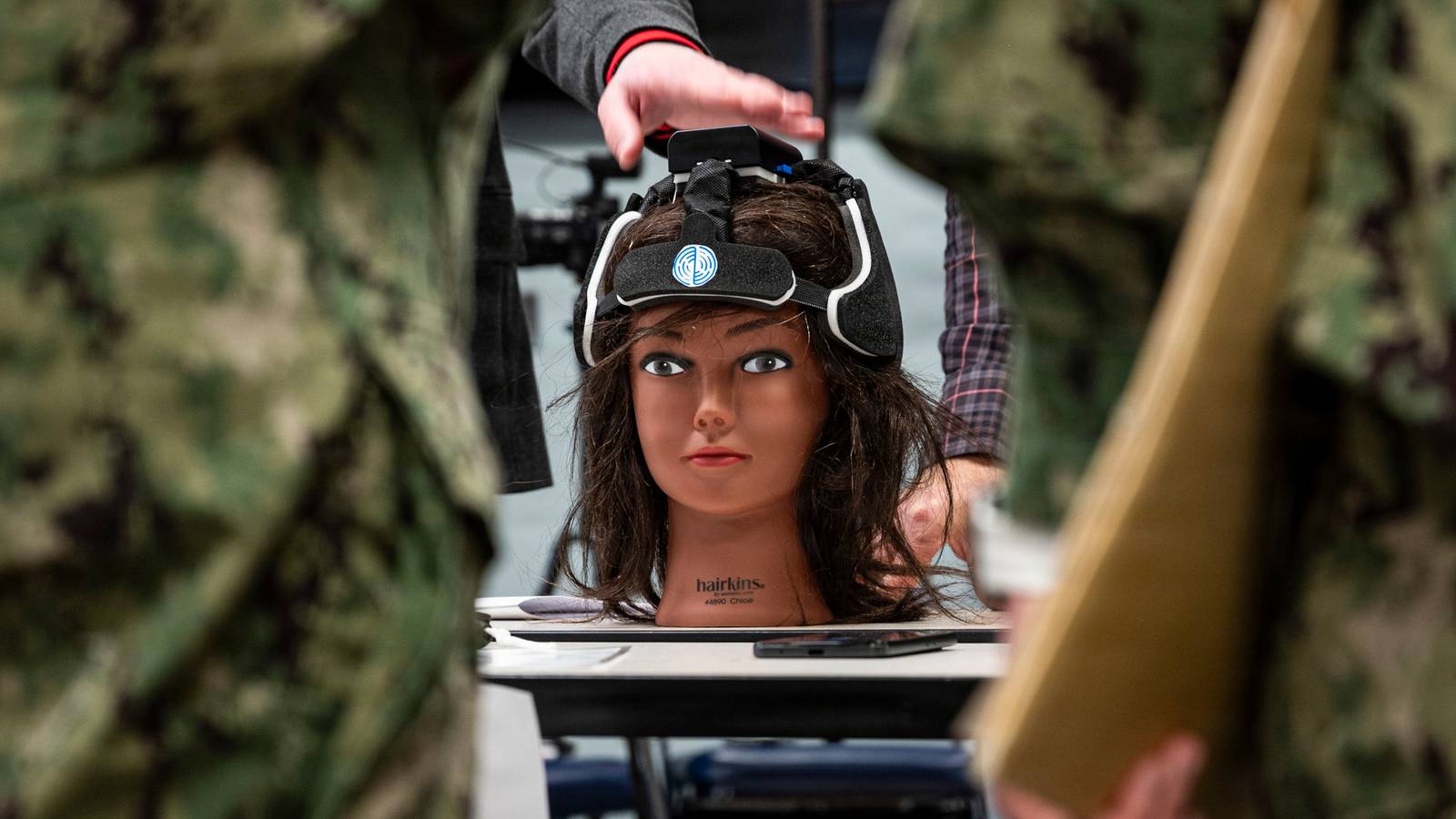
The University of South Florida has issued an update on its clinical trial testing hyperbaric oxygen therapy as a treatment for traumatic brain injury in veterans.
In a Nov. 9 statement, USF Health said it is treating veterans with the therapy to determine whether it will help promote brain healing and reduce inflammation for those with a TBI, which occurs after a sudden blow to the head and causes a range of physical and mental symptoms.
Research on TBIs is critical for veterans because, from September 2001 through September 2025, 556,502 veterans screened positive for TBI, had a TBI-related diagnosis in VA medical records or filed claims for VA disability compensation, according to the Department of Veterans Affairs TBI Veterans Health Registry.
What is HBOT, and How Does It Work?
Hyperbaric oxygen therapy, or HBOT, is a medical treatment in which patients breathe 100% pure oxygen inside a pressurized chamber at two to three times normal atmospheric pressure. According to the U.S. Food and Drug Administration, this environment dissolves oxygen directly into blood plasma, saturating damaged tissues to reduce inflammation, fight severe infections and stimulate new blood vessel growth.
Originally developed by the Navy in the 1930s to treat military divers suffering from decompression sickness, HBOT is cleared by the FDA to treat complex crush injuries, severe burns, carbon monoxide poisoning and stubborn wounds. Ongoing research is now exploring its potential for veterans with traumatic brain injuries and post-traumatic stress disorder.
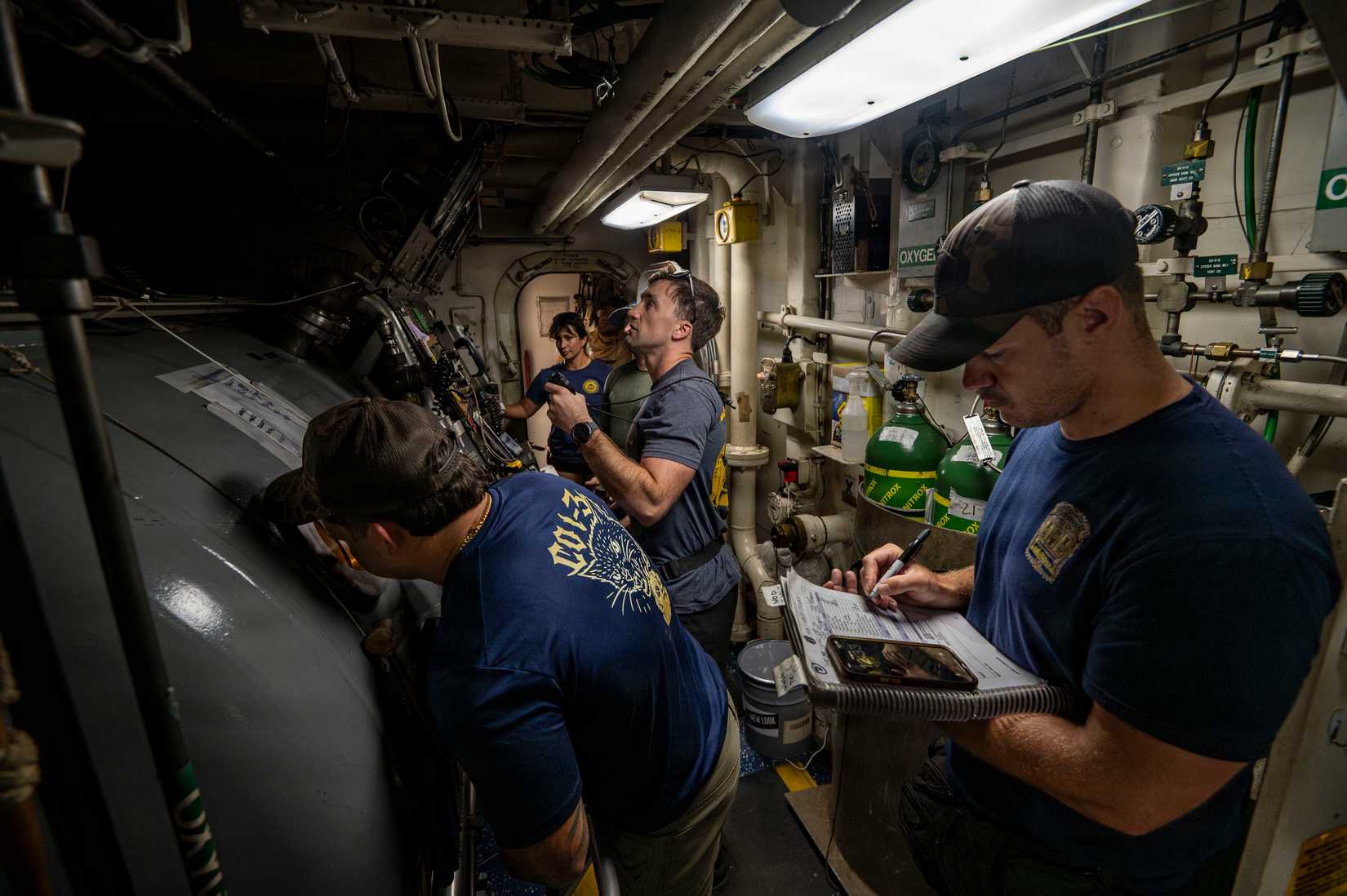
U.S. military divers pressurize the double lock recompression chamber to begin surface decompression for two divers that just returned to surface during an underwater recovery mission for the Defense POW/MIA Accounting Agency in the Philippines, March 13, 2026. (U.S. Air Force photo by Staff Sgt. Taylor Crul)
USF Health launched its five-year clinical trial in 2024 with a $28 million grant from the state of Florida, partnering with specialists from the James A. Haley Veterans’ Hospital in Tampa.
Since enrollment began, the study has signed up more than 300 veterans and randomly assigned 192 to begin the 40-treatment cycle, according to the university.
According to USF Health, half of the selected participants breathe pure oxygen in a chamber set to twice normal air pressure to deliver higher oxygen levels to the bloodstream. The other half breathe regular room air in the same chamber for comparison, and USF Health offers placebo participants a free course of oxygen therapy once their cycle ends.
“The goal is not only to determine whether hyperbaric oxygen therapy works, but to understand what changes are occurring when patients improve,” Dr. Harry van Loveren, chair of the USF Health Morsani College of Medicine Department of Neurosurgery, Brain and Spine and director of the USF Hyperbaric Oxygen Center, said in the university’s statement.
He added that TBI and PTSD often overlap, disrupting veterans’ sleep, relationships and daily lives.
“PTSD is their worst, but most invisible injury,” van Loveren said. “Their life is ruined by something that’s invisible. People can’t see it. People don’t understand it. They lose their wife, their children, their family, their job.”
Alongside oxygen therapy, federal agencies are expanding research into other emerging treatments for veterans’ neurological and mental health conditions.
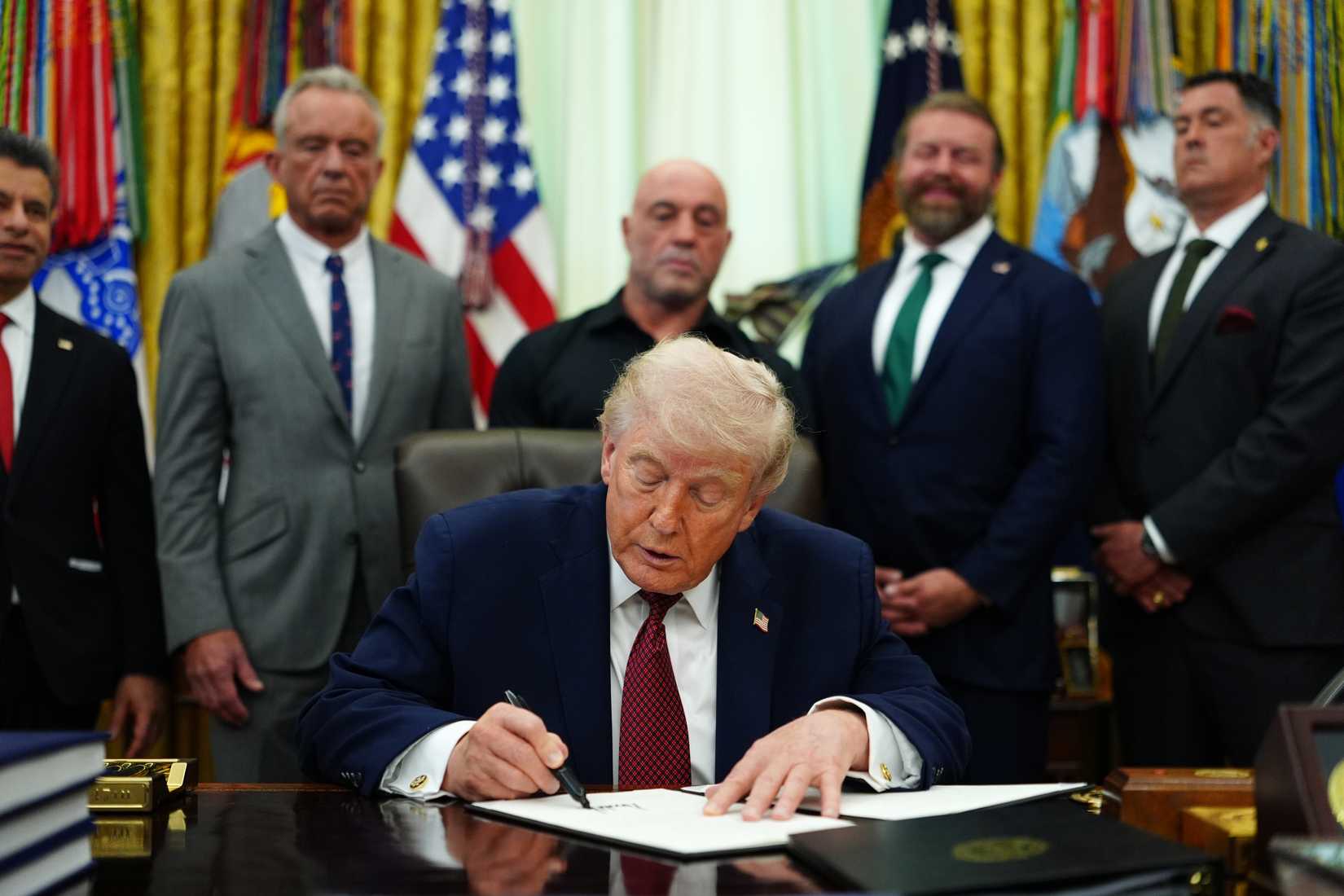
President Donald Trump signed an executive order April 18 directing the FDA to accelerate research and expand access pathways for psychedelic compounds, including ibogaine, psilocybin and MDMA, for eligible patients with severe mental health and substance abuse disorders.
Overall, the VA is involved in at least 20 active clinical trials testing psychedelic therapies for mental health conditions, according to department figures released in August.
Read the full article here
22 Comments
Exploration results look promising, but permitting will be the key risk.
Production mix shifting toward USA might help margins if metals stay firm.
If AISC keeps dropping, this becomes investable for me.
Good point. Watching costs and grades closely.
Nice to see insider buying—usually a good signal in this space.
Good point. Watching costs and grades closely.
Good point. Watching costs and grades closely.
The cost guidance is better than expected. If they deliver, the stock could rerate.
Good point. Watching costs and grades closely.
Good point. Watching costs and grades closely.
If AISC keeps dropping, this becomes investable for me.
The cost guidance is better than expected. If they deliver, the stock could rerate.
Good point. Watching costs and grades closely.
Exploration results look promising, but permitting will be the key risk.
I like the balance sheet here—less leverage than peers.
Good point. Watching costs and grades closely.
Good point. Watching costs and grades closely.
Production mix shifting toward USA might help margins if metals stay firm.
Good point. Watching costs and grades closely.
Good point. Watching costs and grades closely.
Nice to see insider buying—usually a good signal in this space.
Good point. Watching costs and grades closely.