

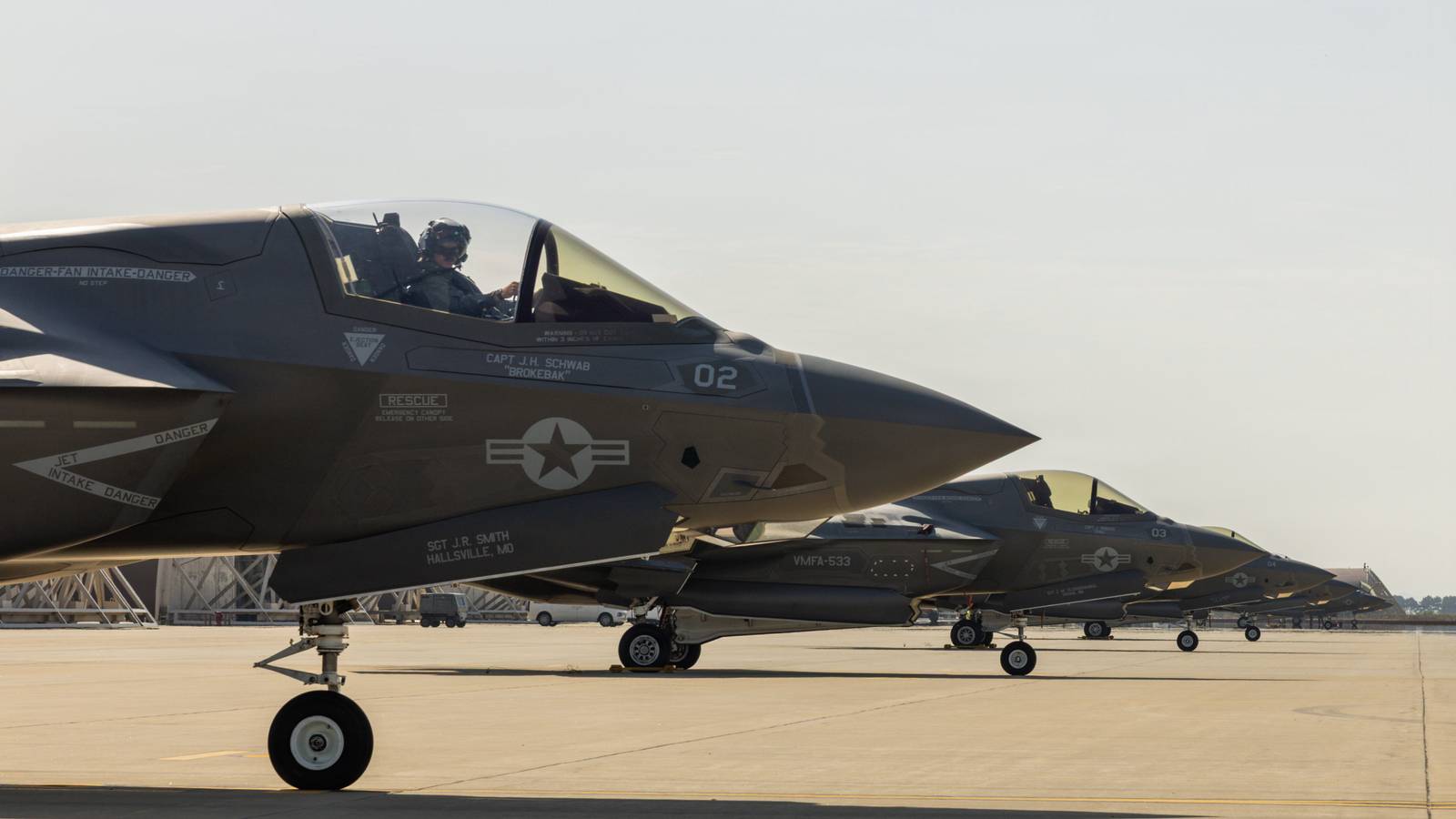
More than 1 million F-35 fighter jet parts valued at over $85 million remain unresolved in Pentagon records three years after auditors first identified their losses, according to a new federal audit.
The Nov. 9 report from the Government Accountability Office (GAO) found that the Pentagon still cannot reliably account for approximately 26 million F-35 parts valued at $31 billion, distributed among more than 700 government and contractor facilities worldwide.
The GAO also found that approximately 17,000 additional components worth at least $1.3 billion were missing from the program’s inventory database.
Incomplete records, outdated tracking systems and inadequate oversight have left officials unable to determine the full extent of losses, assess contractor liability or ensure that available parts reach aircraft requiring maintenance.
More Than $85 Million in Losses Remain Unresolved
The Pentagon’s accountability problems are not a new development.
A 2023 investigation identified more than 1 million parts valued at over $85 million that one prime contractor had recorded as lost between May 2018 and October 2022. Approximately 940,000 of those parts, worth more than $66 million, had not been submitted for government review.
The term “lost” includes equipment that was damaged or destroyed, not necessarily stolen or physically missing. However, the government must still establish what happened, determine responsibility, and document the disposition of its property.
As of March 2026, the F-35 Joint Program Office still could not establish whether the earlier losses had been resolved. The Defense Contract Management Agency had authorized a special reporting process, through which the contractor submitted approximately $28 million in losses spanning 2012 through 2025.
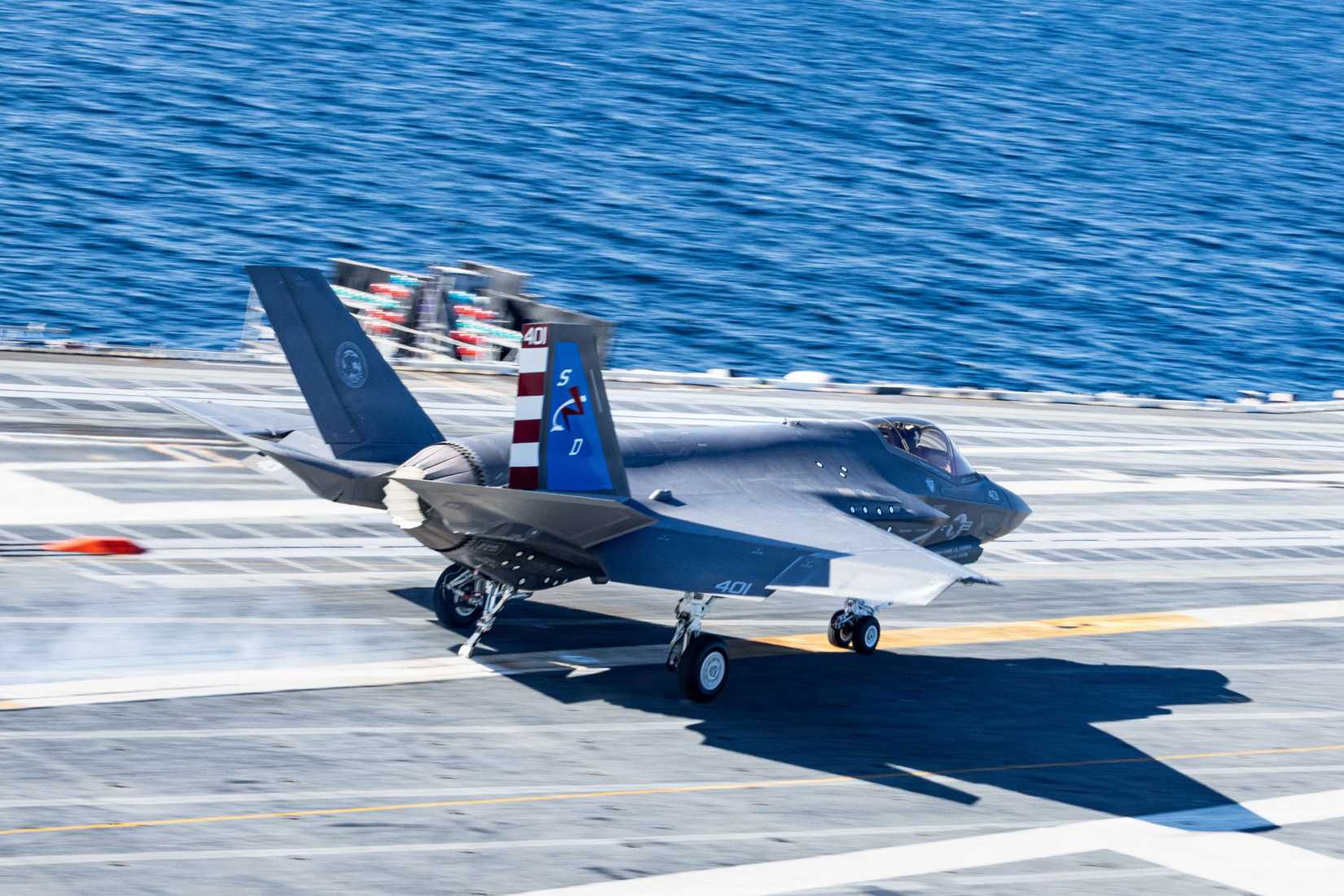
The agency determined that the contractor was financially responsible for approximately $6 million of those losses. However, because the program office had not retained adequate records, officials could not determine whether the $28 million included any of the original $85 million.
Problems continued with newer reports. Of 57 loss cases entered into a spreadsheet by April 2026, 24 were reported more than a year after discovery despite a requirement to submit documentation within 30 days.
Thousands More Parts Missing From Government Records
The Pentagon’s inventory database contains additional gaps.
As of March, approximately 17,000 components undergoing maintenance or repair, valued at $1.3 billion, had not been entered into the Enterprise Logistics Management System.
Their actual value could reach $2.5 billion after accounting for incomplete cost information and acquisition expenses.
These components were not necessarily physically missing. Their absence from official records, however, prevents the Pentagon from maintaining a reliable account of government-owned equipment.
The system also cannot exchange information directly with the property management systems maintained by Lockheed Martin—the F-35’s primary manufacturer—and Pratt & Whitney, which produces its engines.
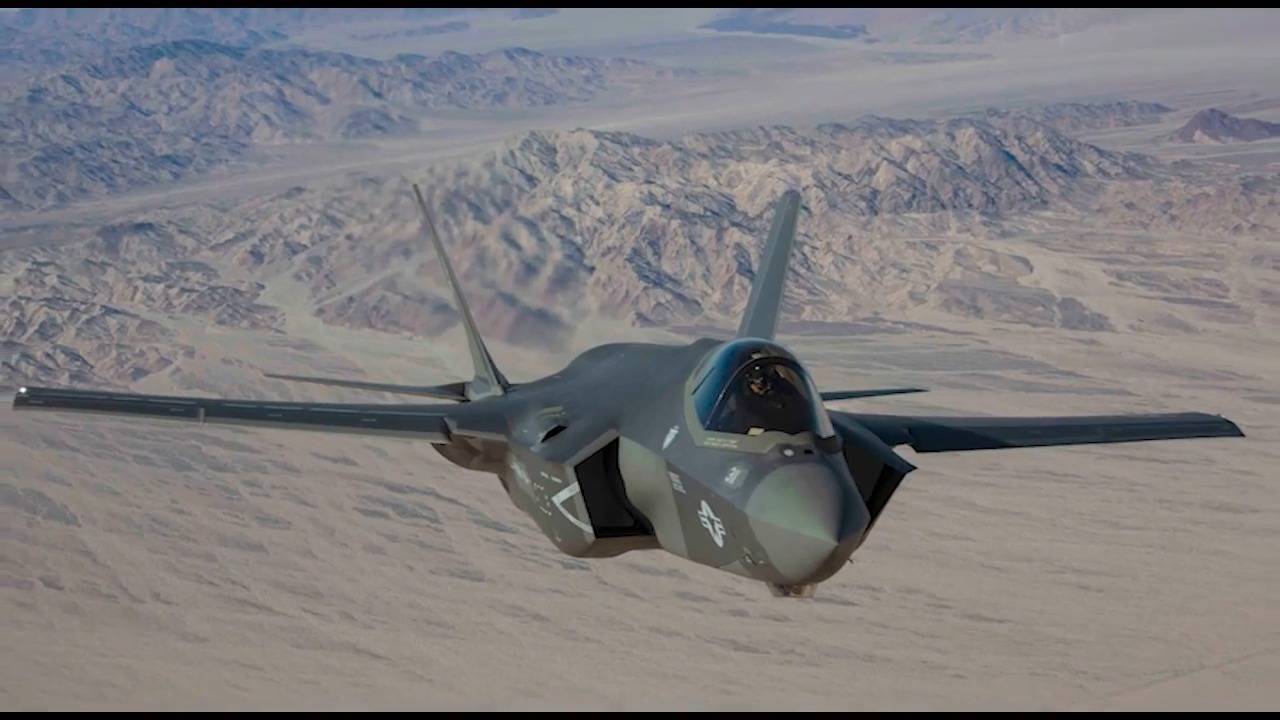
Instead, the government relies partly on quarterly contractor submissions, meaning some inventory information can be more than three months old. One December 2025 submission contained serial numbers for only 29% of parts records, while nearly 6% listed acquisition costs of one cent or less.
Even physical inventories have failed to establish an accurate baseline. The program has spent at least $17 million conducting inventories since fiscal 2020, but officials said a complete count was impractical because operations cannot simply stop at hundreds of facilities.
The Defense Contract Audit Agency is now developing a comprehensive inventory, with an initial completion target of March 2027.
Missing Parts Complicate an Already Troubled Readiness Program
The accounting failures come as the military struggles to maintain its F-35 fleet. A separate June 2026 review found that the aircraft’s mission-capable rate, measuring its availability to perform at least one assigned mission, declined from 67% in FY21, to 44% in FY25.
The full mission-capable rate, measuring availability for all assigned missions, fell from 38% to 25%. Those declines cannot be attributed solely to inventory problems, but inaccurate inventories make it harder to identify available components and determine what additional equipment the military needs to purchase.
The Pentagon’s Global Support Solution Reset strategy calls for approximately $13.7 billion in additional sustainment investment through FY31, including more than $7 billion for spare parts and other materials.
Without reliable inventories, the government risks purchasing equipment it already owns or failing to obtain components that are actually needed.
Missing F-35 Shipment Raises Security Concerns
The audit follows a separate incident involving F-35 components shipped from Australia to the United States for repairs.
The shipment was unexpectedly diverted to Hong Kong, prompting an investigation into whether sensitive military technology had reached Chinese authorities.

The shipment reportedly included a cockpit canopy and weapons-bay door incorporating radar-absorbing materials. A subsequent October report raised the possibility that a missed shipping notification contributed to the diversion. Australian Defense Minister Richard Marles acknowledged the incident but disputed suggestions that sensitive equipment had been lost.
The Pentagon confirmed that it was investigating and attempting to recover the components.
Pentagon Faces Another Deadline to Fix Its Records
The financial consequences extend across the Defense Department. Auditors have identified F-35-related accounting deficiencies since FY19, contributing to the Pentagon’s failure to obtain a clean financial audit opinion.
The NDAA for FY24 required the department to achieve an unqualified audit opinion by Dec. 31, 2028. As of August 2026, 26 of 34 previous recommendations concerning F-35 financial management remained unresolved.
The report recommends stronger monitoring of losses, specialized training and clearer responsibilities for officials managing government property. The Pentagon agreed with all four recommendations.
The F-35 Joint Program Office said it was developing new procedures and establishing direct data connections with contractor systems to improve accountability.
Read the full article here
33 Comments
Exploration results look promising, but permitting will be the key risk.
Nice to see insider buying—usually a good signal in this space.
Good point. Watching costs and grades closely.
If AISC keeps dropping, this becomes investable for me.
Exploration results look promising, but permitting will be the key risk.
Production mix shifting toward USA might help margins if metals stay firm.
Good point. Watching costs and grades closely.
If AISC keeps dropping, this becomes investable for me.
If AISC keeps dropping, this becomes investable for me.
Good point. Watching costs and grades closely.
The cost guidance is better than expected. If they deliver, the stock could rerate.
Good point. Watching costs and grades closely.
Silver leverage is strong here; beta cuts both ways though.
Good point. Watching costs and grades closely.
Good point. Watching costs and grades closely.
Nice to see insider buying—usually a good signal in this space.
Good point. Watching costs and grades closely.
Uranium names keep pushing higher—supply still tight into 2026.
Good point. Watching costs and grades closely.
Good point. Watching costs and grades closely.
I like the balance sheet here—less leverage than peers.
Production mix shifting toward USA might help margins if metals stay firm.
Good point. Watching costs and grades closely.
Good point. Watching costs and grades closely.
If AISC keeps dropping, this becomes investable for me.
Uranium names keep pushing higher—supply still tight into 2026.
Silver leverage is strong here; beta cuts both ways though.
Uranium names keep pushing higher—supply still tight into 2026.
Good point. Watching costs and grades closely.
Production mix shifting toward USA might help margins if metals stay firm.
Good point. Watching costs and grades closely.
Exploration results look promising, but permitting will be the key risk.
Uranium names keep pushing higher—supply still tight into 2026.