

Since the 1999 massacre at Columbine High School, the United States has endured 84 mass shootings at schools. Each one is its own nightmare. And after each one, the pattern feels painfully familiar: grief, political finger-pointing, promises. And then gridlock.
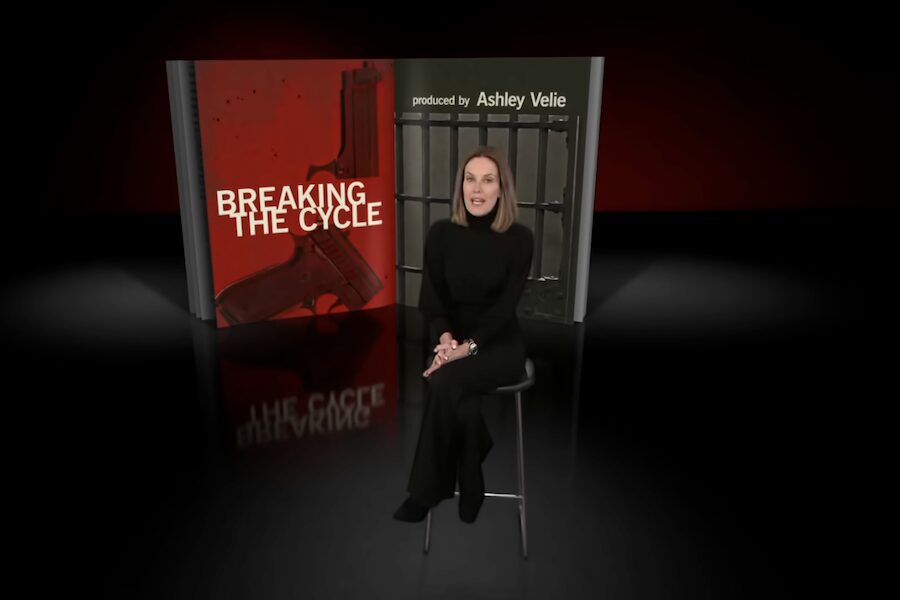
But a recent 60 Minutes report highlighted something different. In a handful of cases, prosecutors aren’t just charging the shooter. They’re charging the parents.
The most prominent example came out of Oxford, Michigan. In 2021, a 15-year-old opened fire at Oxford High School, killing four students. He later pleaded guilty and was sentenced to life in prison. But prosecutors went further, arguing his parents ignored glaring warning signs, failed to secure the firearm, and bought the handgun used in the attack just days before the shooting.
Both parents were convicted of involuntary manslaughter and sentenced to at least 10 years in prison—the first time in U.S. history parents were held criminally responsible for a mass school shooting carried out by their child.
Now, in Georgia, the father of a teen accused of a 2024 school shooting is on trial under a similar theory: that red flags were missed, warnings ignored, and responsibility abdicated.
So here’s the uncomfortable question: Where does accountability begin and end?
In the Oxford case, there were documented warning signs. Teachers flagged disturbing behavior. The student reportedly wrote violent messages and drew graphic images just hours before the attack. His parents were called in. They declined to take him home. The backpack was never searched.
But critics argue the school itself fumbled its response. An independent review later concluded the tragedy was avoidable. Lawsuits against the district were dismissed under Michigan’s government immunity laws.
That raises another question: Why are parents criminally liable but institutions often aren’t?
Researchers cited in the report found that over 90% of school shooters broadcast their plans in advance. Most were in crisis. Many had experienced neglect, trauma, or instability. According to criminologists who’ve interviewed mass shooters directly, nearly all said someone could have stopped them.
The debate now centers on prevention. Is prosecuting parents a meaningful deterrent or simply the only lever prosecutors have left to pull? Does it create stronger gun storage practices and parental vigilance? Or does it risk criminalizing tragedy?
And what about mental health funding? A bipartisan bill after Uvalde allocated $1 billion for school mental health grants. Most of that funding was later discontinued.
So here we are.
Gun-related violence remains a leading cause of death among minors in America (mostly due to gangs and drugs). Security theater—metal detectors, clear backpacks, drills—may make adults feel proactive. But data suggests early intervention, threat assessment teams, and school-based mental health support are far more effective.
Still, the core question remains:
If a parent ignores clear warning signs and gives a troubled teen access to a firearm, should they face prison time? If schools fail to follow their own protocols, should they face liability too? Is this about justice or about trying to break a cycle no one seems able to stop?
We’ll ask it plainly:
Should parents of school shooters be prosecuted? And if so, where do we draw the line?
*** Buy and Sell on GunsAmerica! ***
Read the full article here
36 Comments
I like the balance sheet here—less leverage than peers.
Good point. Watching costs and grades closely.
Good point. Watching costs and grades closely.
Production mix shifting toward USA might help margins if metals stay firm.
Nice to see insider buying—usually a good signal in this space.
Good point. Watching costs and grades closely.
If AISC keeps dropping, this becomes investable for me.
Good point. Watching costs and grades closely.
Good point. Watching costs and grades closely.
Nice to see insider buying—usually a good signal in this space.
Interesting update on Should Parents of School Shooters Be Prosecuted?. Curious how the grades will trend next quarter.
Good point. Watching costs and grades closely.
Silver leverage is strong here; beta cuts both ways though.
Good point. Watching costs and grades closely.
Nice to see insider buying—usually a good signal in this space.
Nice to see insider buying—usually a good signal in this space.
Good point. Watching costs and grades closely.
Good point. Watching costs and grades closely.
Nice to see insider buying—usually a good signal in this space.
Good point. Watching costs and grades closely.
The cost guidance is better than expected. If they deliver, the stock could rerate.
Good point. Watching costs and grades closely.
Good point. Watching costs and grades closely.
Silver leverage is strong here; beta cuts both ways though.
Good point. Watching costs and grades closely.
Good point. Watching costs and grades closely.
Interesting update on Should Parents of School Shooters Be Prosecuted?. Curious how the grades will trend next quarter.
Good point. Watching costs and grades closely.
The cost guidance is better than expected. If they deliver, the stock could rerate.
Good point. Watching costs and grades closely.
Nice to see insider buying—usually a good signal in this space.
Exploration results look promising, but permitting will be the key risk.
Good point. Watching costs and grades closely.
The cost guidance is better than expected. If they deliver, the stock could rerate.
Good point. Watching costs and grades closely.
Good point. Watching costs and grades closely.