

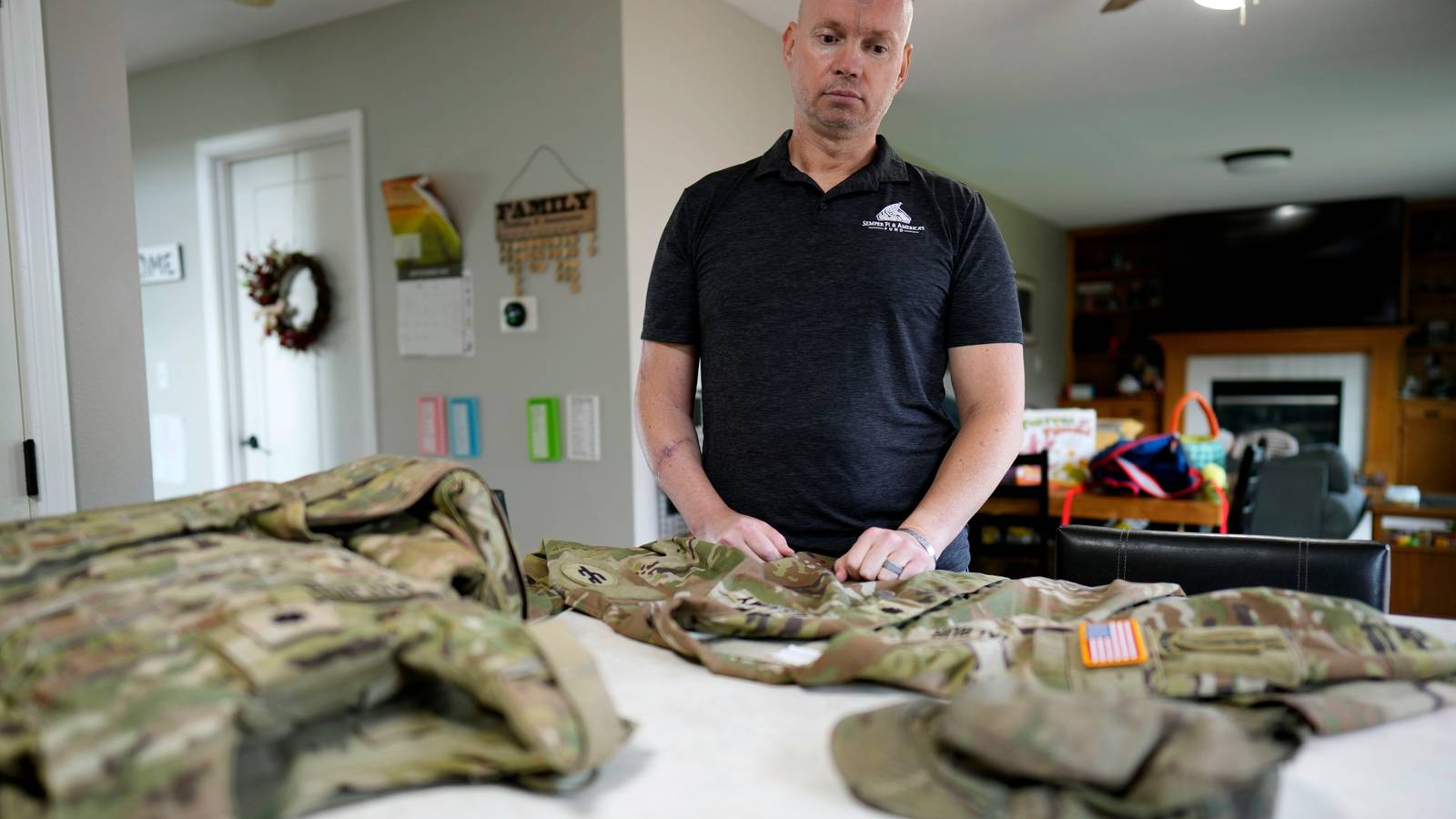
Multiple soldiers who were wounded in an Iranian drone strike earlier this year have since accused the military health care system of failing to adequately support them in their recovery.
Six U.S. Army Reserve soldiers died and more than 30 suffered wounds when an Iranian one-way attack drone struck a tactical operation center March 1 at Port Shuaiba in Kuwait, on the second day of the still ongoing conflict.
Nine U.S. service members who were wounded in the attack told the Associated Press on Monday that the military failed to give them appropriate medical care in the aftermath of the attack, forcing them to instead get treatment on their own.
The Pentagon and the Army declined to comment to the Associated Press. Military.com reached out to both services for comment.
Injured Soldiers Speak Out
Army Lt. Col. Arturo Lincón suffered injuries when shrapnel hit his jaw and neck, severing an artery and embedding in a vertebra.
Medical staff told him he had a traumatic brain injury, he told the AP, due to the force of the blast that ruptured his eardrum.
He added that even though his injuries put him at risk of a stroke, the Army did not deem his injuries were serious enough to be admitted to Landstuhl Regional Medical Center in Germany. The Army instead told him to schedule outpatient appointments.
“I was just kind of on my own, at least it felt like that,” Lincón, a veteran of wars in Iraq and Afghanistan, told the AP.
Lincón added that he went days without pain medication and spent seven weeks getting specialized outpatient care at Walter Reed National Military Medical Center in Maryland prior to being sent home to Kansas. =
He said he still has shrapnel in his back because it was too close to his spinal cord to remove without the risk of paralysis.
Troops ‘Frustrated’ by Conditions
In another case, Maj. Stephen Ramsbottom told the AP he waited over four months to receive MRI results after medics removed shrapnel from his head.
“I’ve had to build my own case for everything,” Ramsbottom said. “It’s very frustrating.”

Maj. Billy Key said he did not receive specialized care until mid-April after suffering a head injury, hearing loss, and smoke inhalation that caused lung damage in the attack.
“It took too long,” he said.
Other service members said they were left treating each other and that they did not receive proper treatment until they returned to America.
War Wages On
The war continues into its seventh month. Over the weekend, the military repositioned its B-1 bombers from RAF Fairford to mitigate threats.
Regional escalation intensified as Yemeni government forces, supported by a Saudi-led coalition, launched a counteroffensive to recapture the strategic port city of Mocha near the Bab al-Mandeb strait from Iran-backed Houthis.
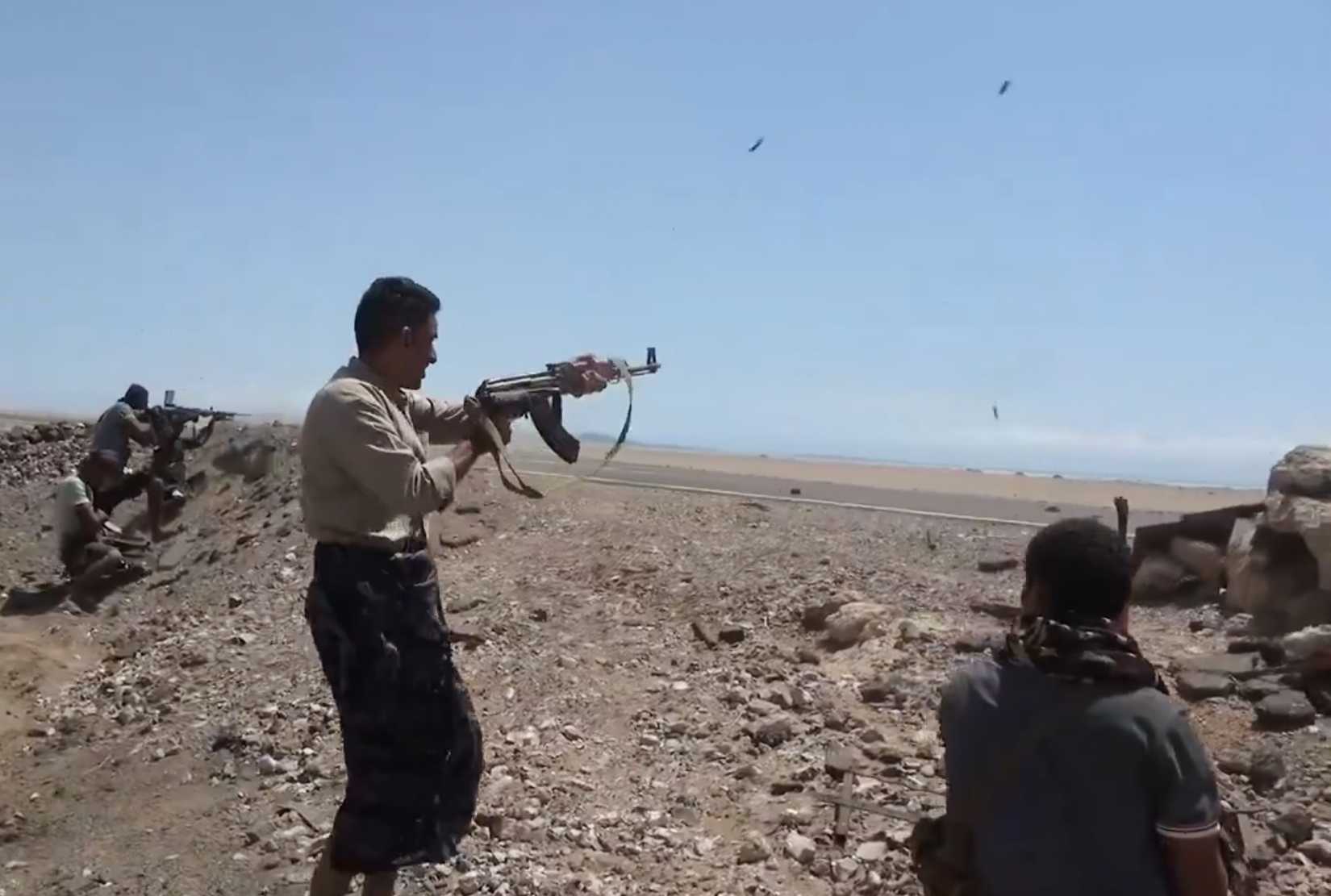
In response, Houthi forces launched retaliatory missile strikes targeting Saudi airports and energy infrastructure.
On Monday, U.S. Central Command (CENTCOM) announced that its forces redirected the 130th commercial vessel in the Middle East during strict enforcement of the ongoing U.S. naval blockade against Iran. The Strait of Hormuz has become a global oil chokepoint, in turn leading to increased oil and diesel prices in the states.
In addition to redirecting 130 vessels, CENTCOM said American forces have disabled three ships that refused to comply. It has reportedly destroyed 13 Islamic Revolutionary Guard Corps commercial vessels violating the blockade over the past 12 weeks.
“The U.S. military remains intensely focused on this mission,” said Adm. Brad Cooper, CENTCOM commander, in a statement. “We will swiftly act against any vessels trying to run the blockade. Our forces are highly trained, professional, and lethal.”
Nineteen service members have now died and over 800 Americans have been wounded in the Iran conflict, according to the Pentagon’s own data.
Read the full article here
49 Comments
I like the balance sheet here—less leverage than peers.
Good point. Watching costs and grades closely.
Good point. Watching costs and grades closely.
Exploration results look promising, but permitting will be the key risk.
Good point. Watching costs and grades closely.
Good point. Watching costs and grades closely.
I like the balance sheet here—less leverage than peers.
Good point. Watching costs and grades closely.
Interesting update on Soldiers Wounded by Iranian Drone Strike Accuse Military Health Care System of Failing Them. Curious how the grades will trend next quarter.
Good point. Watching costs and grades closely.
Good point. Watching costs and grades closely.
If AISC keeps dropping, this becomes investable for me.
Good point. Watching costs and grades closely.
Production mix shifting toward USA might help margins if metals stay firm.
Good point. Watching costs and grades closely.
I like the balance sheet here—less leverage than peers.
Production mix shifting toward USA might help margins if metals stay firm.
Good point. Watching costs and grades closely.
The cost guidance is better than expected. If they deliver, the stock could rerate.
Good point. Watching costs and grades closely.
Uranium names keep pushing higher—supply still tight into 2026.
The cost guidance is better than expected. If they deliver, the stock could rerate.
Good point. Watching costs and grades closely.
Silver leverage is strong here; beta cuts both ways though.
Good point. Watching costs and grades closely.
Good point. Watching costs and grades closely.
Production mix shifting toward USA might help margins if metals stay firm.
Good point. Watching costs and grades closely.
I like the balance sheet here—less leverage than peers.
Good point. Watching costs and grades closely.
Good point. Watching costs and grades closely.
Silver leverage is strong here; beta cuts both ways though.
Good point. Watching costs and grades closely.
Nice to see insider buying—usually a good signal in this space.
Good point. Watching costs and grades closely.
Nice to see insider buying—usually a good signal in this space.
Interesting update on Soldiers Wounded by Iranian Drone Strike Accuse Military Health Care System of Failing Them. Curious how the grades will trend next quarter.
Good point. Watching costs and grades closely.
Good point. Watching costs and grades closely.
The cost guidance is better than expected. If they deliver, the stock could rerate.
Good point. Watching costs and grades closely.
Nice to see insider buying—usually a good signal in this space.
Good point. Watching costs and grades closely.
Silver leverage is strong here; beta cuts both ways though.
Good point. Watching costs and grades closely.
Good point. Watching costs and grades closely.
Nice to see insider buying—usually a good signal in this space.
Nice to see insider buying—usually a good signal in this space.
Uranium names keep pushing higher—supply still tight into 2026.