

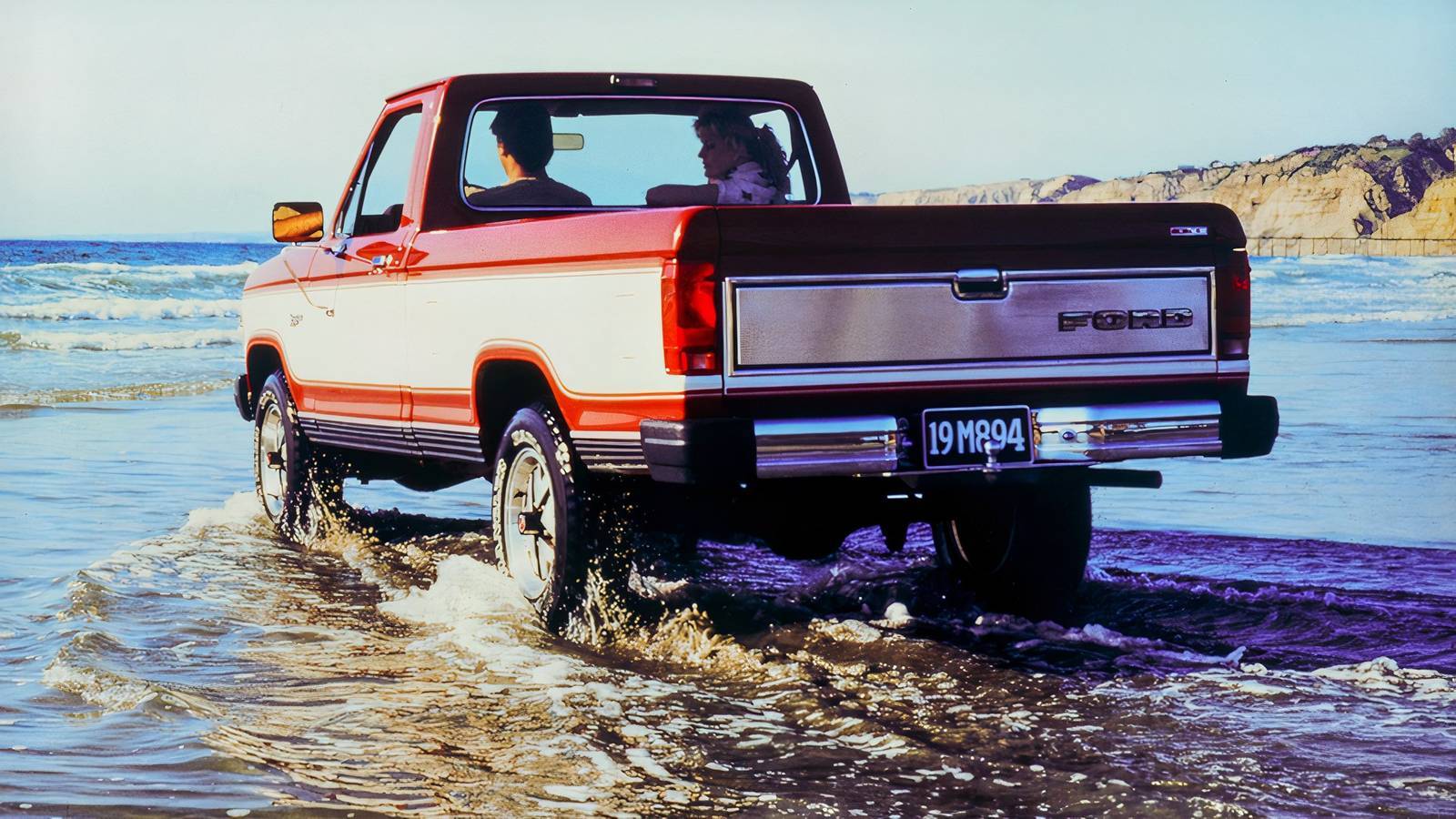
Mitsubishi and Ford worked together in the 1980s to produce pickup trucks for the American market. That’s a partnership that still boggles the mind today, 40 years later. The partnership is made all the more surprising by the fact that Chrysler held a 15% stake in Mitsubishi Motors Corporation in the early 1980s, so Mitsubishi apparently had a pretty mercenary attitude about who it would and wouldn’t do business with.
A New York Times report from June 1982 states that Mitsubishi was on board for a “three-year agreement” which would see the Japanese brand selling “up to 75,000 2.3-liter turbo engines to Ford” each year. This resulted in a whole bunch of Mitsubishi-powered turbodiesel Fords on American highways throughout the decade. Here’s how that worked out for Ford Ranger buyers in the mid-1980s.
Diesel Trucks Made Up A Growing Niche In The Early 1980s
Diesel has always been a small niche in the US, but it was on a slight uptick in the early 1980s. One study, from the Transportation Research Record, suggests that diesels made up only 0.4% of all new vehicle sales in 1977, but the number was up to 4.3% in 1980, and peaked at 6.1% in 1981. This brief boom period would quickly peter out by the end of the decade, but not before creating a fleeting moment of opportunity for savvy truck-makers.
The first Mitsubishi-powered Ford Ranger rolled off the assembly line in 1984, for the 1985 model year, a couple of years into the first-gen Ranger’s lifecycle. These trucks packed 4D55s, part of the Mitsubishi Astron engine family.
|
1985 Turbodiesel Ford Ranger |
|
|
Engine |
2.3-Liter Turbodiesel 4-Cylinder |
|
Power |
86 hp |
|
Torque |
125–134 lb-ft @ 2,000 rpm |
|
Transmission |
5-Speed Manual |
|
Drivetrain |
Rear or All-Wheel Drive |
Available from the 1985 to 1987 model years, the mid-1980s turbodiesel Ranger was prized primarily for its generous low-end torque for the time, delivering 125 lb-ft at just 2,000 rpm. The Ranger outpaces some new trucks on fuel economy, too, averaging 27 miles to the gallon, combined, and up to 30 MPG on the highway.
Ford Wanted To Compete In The Diesel Segment, But Lacked The Time And Resources To Capitalize
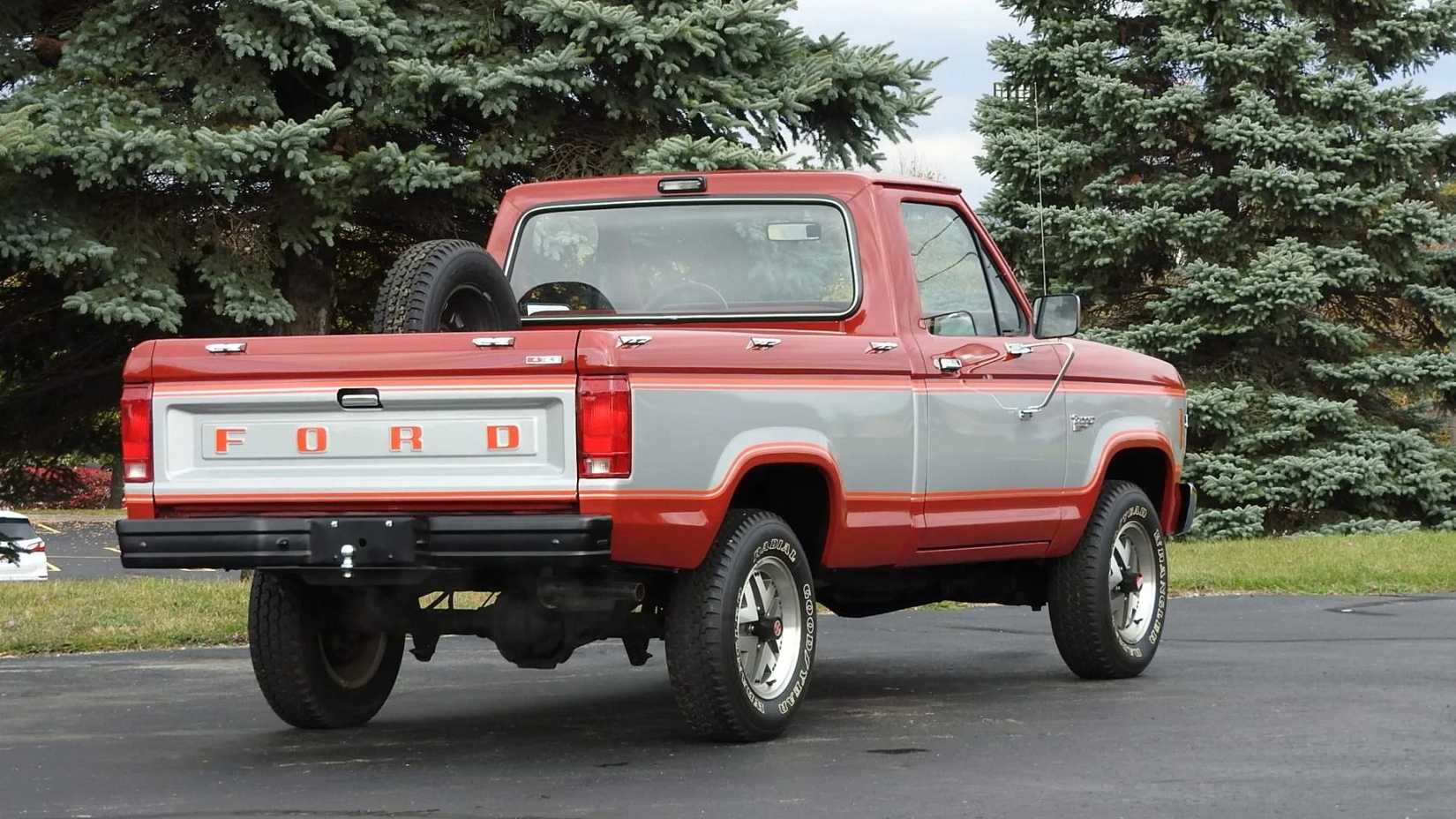
Before working with Mitsubishi, Ford had actually signed a deal with International Harvester to supply a 6.9-liter engine for use in super-duty pickups and vans, and, later, a 7.3-liter powerplant, ultimately laying the groundwork for the Power Stroke family in the mid-1990s. Ford was looking for partners in order to stay competitive with General Motors, which had just launched the 6.2-liter Detroit Diesel.
Research, design, marketing, production, and implementation for a brand-new powerplant is expensive and time-consuming. We don’t know exactly what Ford would eventually spend creating the Power Stroke, but when the brand was in legal contention with International Harvester (known by this point as Navistar), numbers like “$2 billion” were being thrown around, so we’re not talking a weekend project you can throw together with a few buddies and a six-pack, here.
Meanwhile, Ford had to hit the market quick with a range of diesel engines for its light-duty and super-duty pickups, or leave all that money on the table as GM dominated the segment. Ford would wind up developing its own diesel powerplants in the long run, but the brand needed a quick-fix at the time, and a three-year partnership with Mitsubishi was one way to get there.
Sources: Ford, Mitsubishi, New York Times, Transportation Research Record, EngineCode.uk.
Read the full article on CarBuzz
This article originally appeared on CarBuzz and is republished here with permission.
Read the full article here
29 Comments
Uranium names keep pushing higher—supply still tight into 2026.
Good point. Watching costs and grades closely.
Silver leverage is strong here; beta cuts both ways though.
Good point. Watching costs and grades closely.
If AISC keeps dropping, this becomes investable for me.
Nice to see insider buying—usually a good signal in this space.
Good point. Watching costs and grades closely.
Good point. Watching costs and grades closely.
Silver leverage is strong here; beta cuts both ways though.
Good point. Watching costs and grades closely.
Good point. Watching costs and grades closely.
Nice to see insider buying—usually a good signal in this space.
Good point. Watching costs and grades closely.
Nice to see insider buying—usually a good signal in this space.
Good point. Watching costs and grades closely.
Good point. Watching costs and grades closely.
The cost guidance is better than expected. If they deliver, the stock could rerate.
Production mix shifting toward USA might help margins if metals stay firm.
Good point. Watching costs and grades closely.
Good point. Watching costs and grades closely.
I like the balance sheet here—less leverage than peers.
Nice to see insider buying—usually a good signal in this space.
Interesting update on The Ford Ranger Powered By A Mitsubishi Diesel Engine. Curious how the grades will trend next quarter.
Good point. Watching costs and grades closely.
The cost guidance is better than expected. If they deliver, the stock could rerate.
Good point. Watching costs and grades closely.
Good point. Watching costs and grades closely.
Silver leverage is strong here; beta cuts both ways though.
Good point. Watching costs and grades closely.