

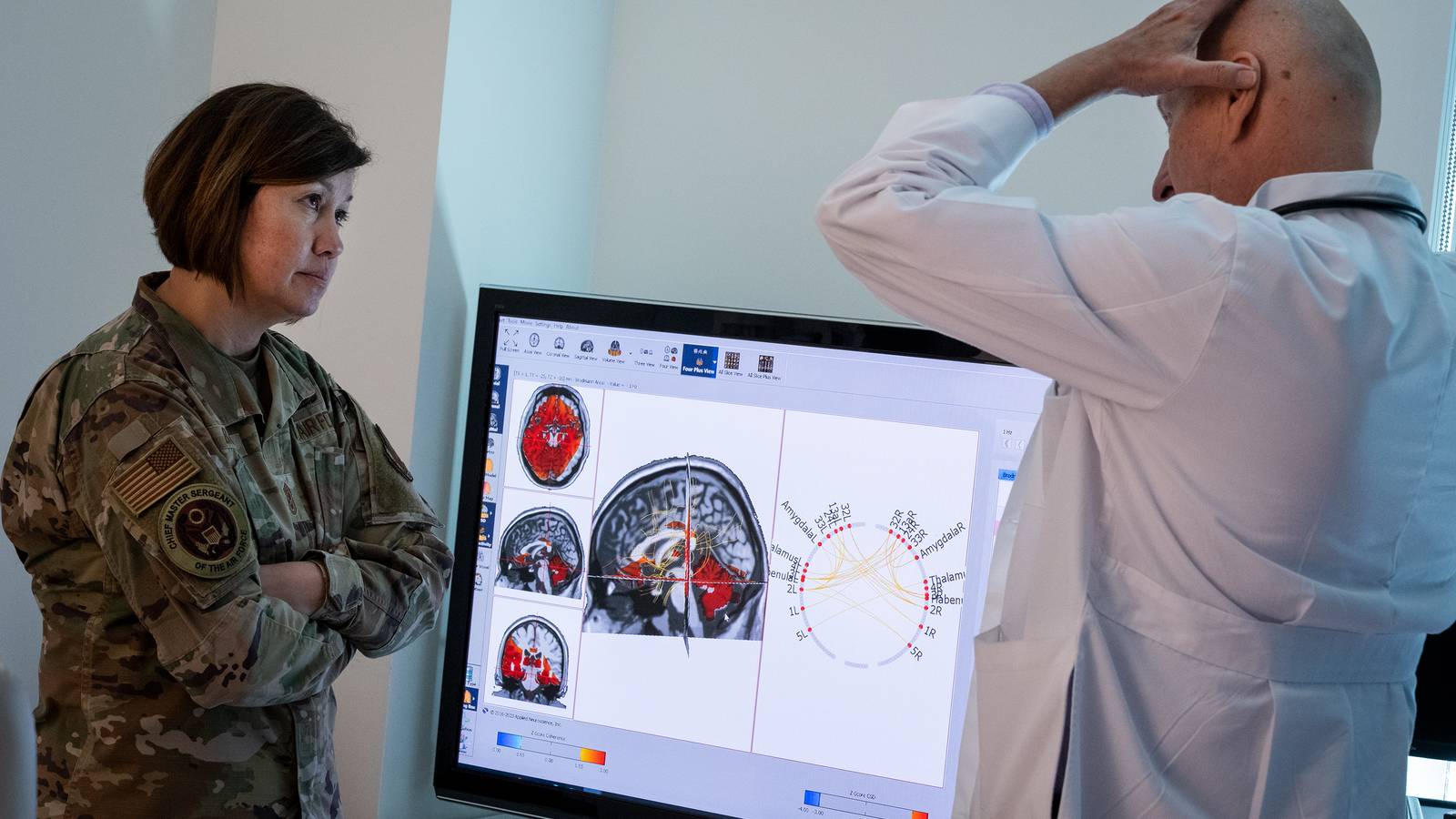
Veteran advocacy groups have called for more funding and research into traumatic brain injuries (TBI) after newly released data from the Department of Veterans Affairs (VA) documented a surge in reported cases.
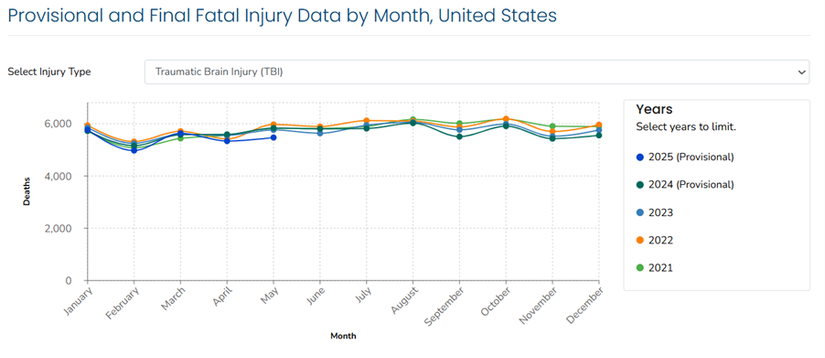
The new VA data shows that the number of cases of TBI reported to the VA grew by 26% between 2021 and 2025, with more than 28,000 cases a year.
It also found that from 2001 to 2025, roughly 556,502 veterans screened positive for TBI or a TBI-related diagnosis in VA medical records, or filed claims for VA disability compensation.
The nonprofit Disabled American Veterans (DAV) and military health research group Invisible Wounds Foundation, in a joint statement, called on Congress to “act now” to fund “research to prevent, diagnose and treat TBI,” which occurs when a sudden blow to the head causes damage to the brain.
The statement was issued by DAV National Commander Coleman Nee and Invisible Foundations CEO Shannon Connell.
“A TBI diagnosis shouldn’t be a life sentence,” the advocates said in their statement. “Promising research is underway to improve diagnostic and treatment solutions.
“We call on Congress to increase funding and direct greater focus toward service member and veteran-centered TBI research. The health and well-being of those who have taken the oath to protect our nation are at stake.”
TBI Advancements
While Congress is being called upon for funding increases, lawmakers on Capitol Hill have done the opposite in recent years—leading to drastic cuts.
Congress decreased spending on TBI research and treatment from $175 million in Fiscal Year 2024, to $40.5 million in FY26, according to multiple reports. Those cuts occurred simultaneously as VA data revealed a 26% surge in TBI cases among post-9/11 veterans.
On July 20, the House of Representatives unanimously passed bipartisan legislation introduced by Rep. Frank Pallone, Jr. (D-N.J.) to reauthorize the nation’s TBI programs through 2030. That bill awaits a Senate vote.
There have also been some major recent advancements in TBI research.
Seizures, caused by a condition called post-traumatic epilepsy (PTE) that develops after a TBI, can be prevented by treating patients with chemicals derived from the gut microbiome, according to new research from Texas A&M University’s Naresh K. Vashisht College of Medicine.
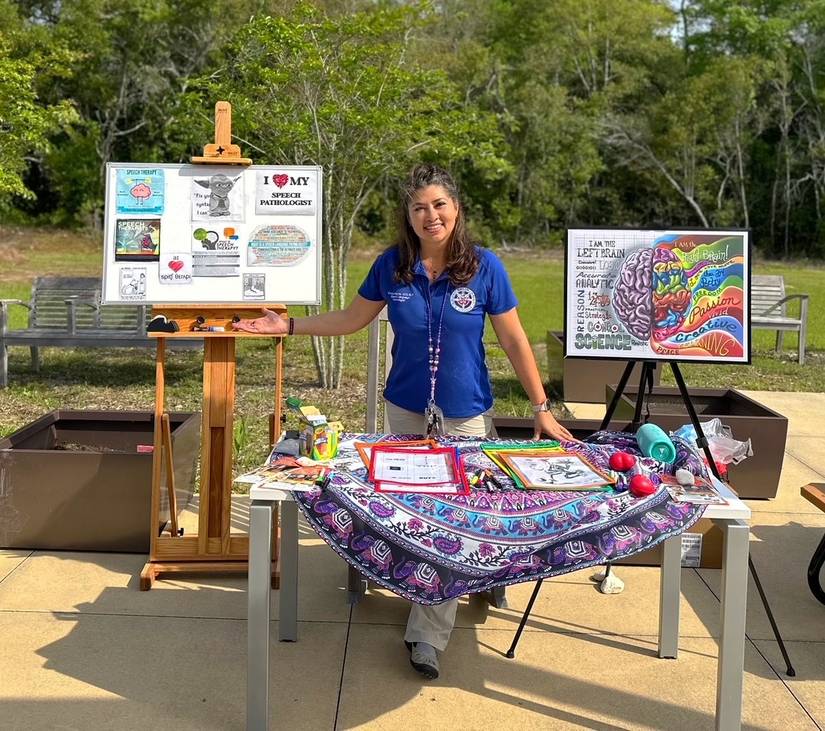
Evelyn Galvis, a speech-language pathologist at the Intrepid Spirit Center in Eglin Air Force Base during Traumatic Brain Injury Awareness Month in March 2024.
By testing on injured brain tissue, researchers found that sodium butyrate—a molecule created in the gut microbiome when bacteria breaks down food—can block enzymes called histone deacetylase (HDACs) that are triggered by brain injury and cause inflammation and other symptoms associated with PTE.
Last week, the Army announced what one official described as the “single most important advancement” in detecting TBIs.
The new handheld diagnostic device, i-STAT Alinity, is being fielded by U.S. Army medical leaders in Europe and uses a blood sample to detect biomarkers in the brain that are released when an injury occurs. The discovery of neural damage can occur in less than 15 minutes.
Read the full article here
48 Comments
Exploration results look promising, but permitting will be the key risk.
Silver leverage is strong here; beta cuts both ways though.
The cost guidance is better than expected. If they deliver, the stock could rerate.
Good point. Watching costs and grades closely.
I like the balance sheet here—less leverage than peers.
Nice to see insider buying—usually a good signal in this space.
The cost guidance is better than expected. If they deliver, the stock could rerate.
Uranium names keep pushing higher—supply still tight into 2026.
Interesting update on Traumatic Brain Injuries Spike 26% as Veterans Push More Research, Funding. Curious how the grades will trend next quarter.
Good point. Watching costs and grades closely.
I like the balance sheet here—less leverage than peers.
Good point. Watching costs and grades closely.
Interesting update on Traumatic Brain Injuries Spike 26% as Veterans Push More Research, Funding. Curious how the grades will trend next quarter.
Nice to see insider buying—usually a good signal in this space.
Good point. Watching costs and grades closely.
Good point. Watching costs and grades closely.
Exploration results look promising, but permitting will be the key risk.
Good point. Watching costs and grades closely.
Good point. Watching costs and grades closely.
Interesting update on Traumatic Brain Injuries Spike 26% as Veterans Push More Research, Funding. Curious how the grades will trend next quarter.
Good point. Watching costs and grades closely.
Interesting update on Traumatic Brain Injuries Spike 26% as Veterans Push More Research, Funding. Curious how the grades will trend next quarter.
Good point. Watching costs and grades closely.
Good point. Watching costs and grades closely.
I like the balance sheet here—less leverage than peers.
Interesting update on Traumatic Brain Injuries Spike 26% as Veterans Push More Research, Funding. Curious how the grades will trend next quarter.
Good point. Watching costs and grades closely.
Good point. Watching costs and grades closely.
I like the balance sheet here—less leverage than peers.
Good point. Watching costs and grades closely.
Good point. Watching costs and grades closely.
If AISC keeps dropping, this becomes investable for me.
Nice to see insider buying—usually a good signal in this space.
If AISC keeps dropping, this becomes investable for me.
Good point. Watching costs and grades closely.
Good point. Watching costs and grades closely.
Exploration results look promising, but permitting will be the key risk.
Good point. Watching costs and grades closely.
Exploration results look promising, but permitting will be the key risk.
Good point. Watching costs and grades closely.
Good point. Watching costs and grades closely.
Uranium names keep pushing higher—supply still tight into 2026.
Good point. Watching costs and grades closely.
Good point. Watching costs and grades closely.
I like the balance sheet here—less leverage than peers.
Good point. Watching costs and grades closely.
Good point. Watching costs and grades closely.
Production mix shifting toward USA might help margins if metals stay firm.