

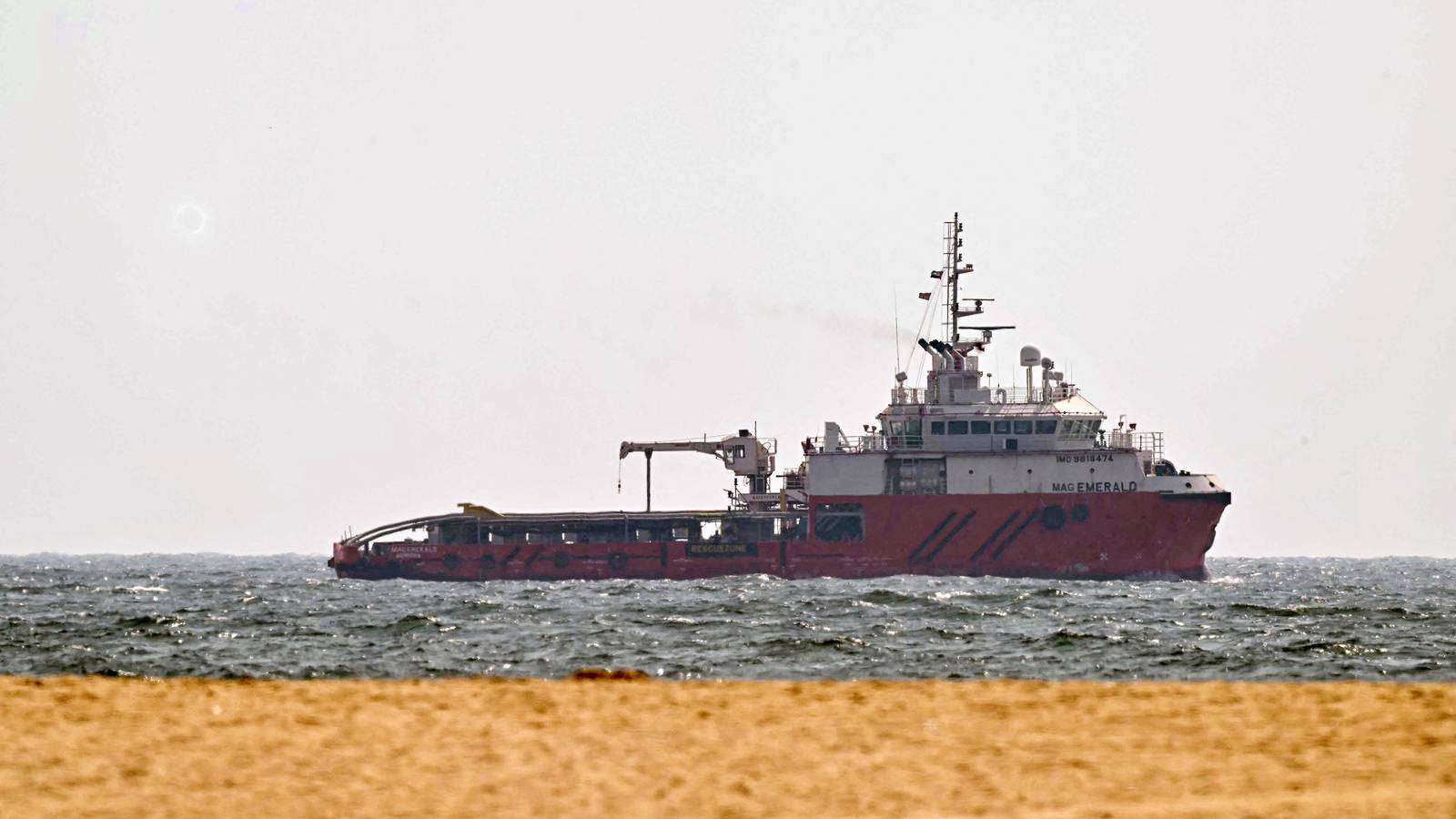
Talks between the U.S. and Iran over a permanent peace deal are continuing, according to a American official, despite two days of clashes that threatened to shatter an already fragile ceasefire.
The U.S. is still committed to finding a diplomatic solution with Iran, the official said Thursday, declining to be named discussing sensitive matters. The official described the ongoing discussions as technical talks.
The comments are likely to ease fears of a return to all-out war after the U.S. launched strikes on Iranian military targets this week, retaliating against attacks on ships in the Strait of Hormuz. Iran hit back at U.S. bases in the region, including in Kuwait and Bahrain.
The skirmishes underlined the precariousness of an interim agreement signed between Tehran and Washington in mid-June. Threats of retaliation between the warring sides have also persisted.
“An attack on infrastructure will be met with a reciprocal response,” Iran’s Supreme National Security Council secretary, Mohammad Bagher Zolghadr, said Friday, extending the warning to Israel.
Mediators including Qatar have worked in recent days to ease the soaring tensions between the U.S. and Iran, according to a person familiar with the matter.
The two countries, which have been at war since the U.S. and Israel bombarded Iran in late February, are trying to agree a permanent peace by around mid-August, though that timeline may have to be extended.
Maritime traffic through the strait has fallen this week and oil has risen, with Brent up more than 6% to $76.50 a barrel, taking its gain this year to 25%. Still, it remains far below a peak in late April of $125, when traders were more concerned about all-out conflict resuming. Since then, U.S. President Donald Trump has consistently signaled he wants to end a war the majority of Americans disapprove of and which has hit his polling numbers ahead of midterm elections in November.
Amid the new violence, Trump on Wednesday suggested the ceasefire was “over.” But he also said he would not prevent negotiations from going ahead.
Talks slowed this week as the Iran held days of funeral rites for former Supreme Leader Ali Khamenei, who was killed in an airstrike on the first day of the conflict. Khamenei was buried on Thursday in the northeastern city of Mashhad. His son and successor, Mojtaba, has not been seen in public or appeared on video since taking on his new role, sparking questions over his health and involvement in negotiations with the U.S.
The flareup and the U.S. Treasury’s decision to revoke a waiver allowing the sale of Iranian oil globally marked the biggest challenge to last month’s interim peace agreement.
The preliminary deal was meant to reopen Hormuz, a narrow waterway where a fifth of the world’s oil and liquefied natural gas transited before the war effectively brought maritime traffic to a standstill.
Both sides have traded accusations of violating the truce, with Washington saying Tehran is attacking vessels and Iran claiming the U.S. is interfering with its control of the waterway.
The same U.S. official cast Iran’s attacks on vessels in the strait as acts of terrorism and Tehran’s actions as failing to meet the interim deal’s performance-based conditions. The U.S. says Iran can only get funds held in various countries unfrozen if it meets the terms of the memorandum of understanding.
Iran has not claimed this week’s strikes on ships, including Saudi and Qatar energy tankers.
The U.S. military said Iran doesn’t control Hormuz, citing that it’s helped the transit of more than 800 commercial vessels and 380 million barrels of crude oil through the strait since early May.
Iran is insisting that ships going through the waterway seek its permission and has said it will set up a permanent management system that may involve vessels paying fees. The U.S. and many other world powers say that’s unacceptable and that ships must have free passage.
Beyond Hormuz, the U.S.- Iran talks are meant to resolve long-standing and highly-complicated issues regarding the Islamic Republic’s nuclear program. Trump, fearing Iran will build a atomic bomb, wants a moratorium on Iran enriching uranium for more than a decade. He also wants Tehran to relinquish its existing stocks of near-bomb grade uranium.
———
(With assistance from John Harney.)
___
©2026 Bloomberg L.P. Visit bloomberg.com. Distributed by Tribune Content Agency, LLC.
Read the full article here
43 Comments
Production mix shifting toward USA might help margins if metals stay firm.
Good point. Watching costs and grades closely.
Good point. Watching costs and grades closely.
Production mix shifting toward USA might help margins if metals stay firm.
Good point. Watching costs and grades closely.
Nice to see insider buying—usually a good signal in this space.
Good point. Watching costs and grades closely.
Interesting update on US Says Iran Talks to Continue Despite Hormuz Skirmishes. Curious how the grades will trend next quarter.
Good point. Watching costs and grades closely.
Uranium names keep pushing higher—supply still tight into 2026.
Good point. Watching costs and grades closely.
Exploration results look promising, but permitting will be the key risk.
Good point. Watching costs and grades closely.
Good point. Watching costs and grades closely.
Production mix shifting toward USA might help margins if metals stay firm.
Exploration results look promising, but permitting will be the key risk.
Production mix shifting toward USA might help margins if metals stay firm.
Good point. Watching costs and grades closely.
Uranium names keep pushing higher—supply still tight into 2026.
I like the balance sheet here—less leverage than peers.
Good point. Watching costs and grades closely.
The cost guidance is better than expected. If they deliver, the stock could rerate.
Good point. Watching costs and grades closely.
Good point. Watching costs and grades closely.
I like the balance sheet here—less leverage than peers.
Good point. Watching costs and grades closely.
Good point. Watching costs and grades closely.
Nice to see insider buying—usually a good signal in this space.
Nice to see insider buying—usually a good signal in this space.
Good point. Watching costs and grades closely.
Good point. Watching costs and grades closely.
Interesting update on US Says Iran Talks to Continue Despite Hormuz Skirmishes. Curious how the grades will trend next quarter.
Production mix shifting toward USA might help margins if metals stay firm.
Good point. Watching costs and grades closely.
Uranium names keep pushing higher—supply still tight into 2026.
Interesting update on US Says Iran Talks to Continue Despite Hormuz Skirmishes. Curious how the grades will trend next quarter.
Good point. Watching costs and grades closely.
Silver leverage is strong here; beta cuts both ways though.
Good point. Watching costs and grades closely.
Silver leverage is strong here; beta cuts both ways though.
Good point. Watching costs and grades closely.
Good point. Watching costs and grades closely.
Uranium names keep pushing higher—supply still tight into 2026.