

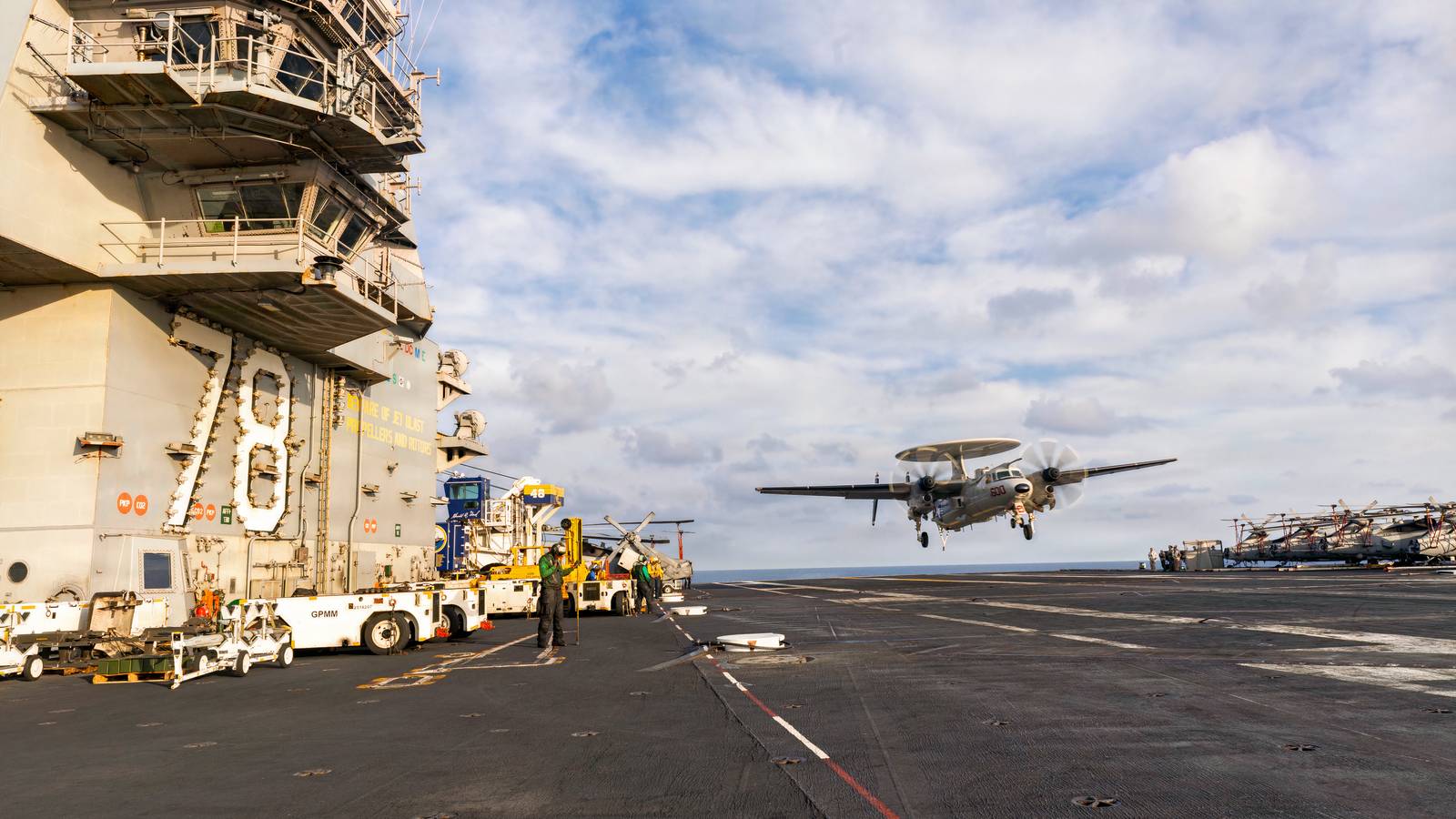
The USS Gerald R. Ford is reportedly preparing to leave the Middle East after a record 309-day deployment during the ongoing conflict with Iran.
The carrier is expected to return to the United States after more than 10 months at sea, according to The Washington Post on Wednesday. If true, it would far exceed the typical six- to seven-month deployment, marking one of the longest carrier deployments since the Vietnam War.
Military.com reached out for comment to the Department of Defense, the U.S. Navy and U.S. Central Command regarding the reported redeployment, its operational impact and whether additional forces will replace the carrier.
“We are not able to speak about future operations due to operational security,” Ferry Gene Baylon, a spokesperson for the Navy Office of Information, told Military.com on Wednesday.
Commissioned in 2017, the Ford is the Navy’s newest and most advanced aircraft carrier. It’s designed to replace the Nimitz-class and operate with a smaller crew while generating more aircraft sorties through advanced launch systems and automation. Its presence in the Middle East represents not just added capacity, but a significant portion of the Navy’s top-end combat power.
That makes the deployment notable beyond its length: Keeping one of the fleet’s most advanced carriers forward for nearly a year ties up a critical asset needed for global operations, from the Indo-Pacific to Europe.
The Ford’s deployment has been notable not just for its length but for its role in an unusually large buildup of U.S. naval power, with multiple carrier strike groups operating in or near the region at the same time — a concentration of force rarely seen in recent decades.
“We do not comment on ship movements,” a Pentagon spokesperson told Military.com on Wednesday.
The lack of detail leaves unclear whether the move reflects a routine carrier rotation or a broader adjustment in U.S. force posture as operations tied to the conflict with Iran continue.
Impact of Carrier Groups
Carrier strike groups have been central to U.S. operations in the region, providing air power, intelligence collection and maritime security support.
At the height of the buildup, three U.S. aircraft carriers were operating in or near the Middle East, a level of naval presence not seen in decades and intended to signal deterrence as tensions with Iran intensified.
That included a second carrier strike group sent to the region as tensions climbed, expanding U.S. naval presence and increasing operational demands across the fleet.
The Ford’s reported departure could represent the first step in easing that surge, though it remains unclear whether another carrier will replace it or if existing forces will absorb the mission.
Carrier deployments typically last about six to seven months, meaning the Ford’s reported 309-day deployment stretches far beyond normal operating cycles and compresses the maintenance and training timelines that follow each deployment.
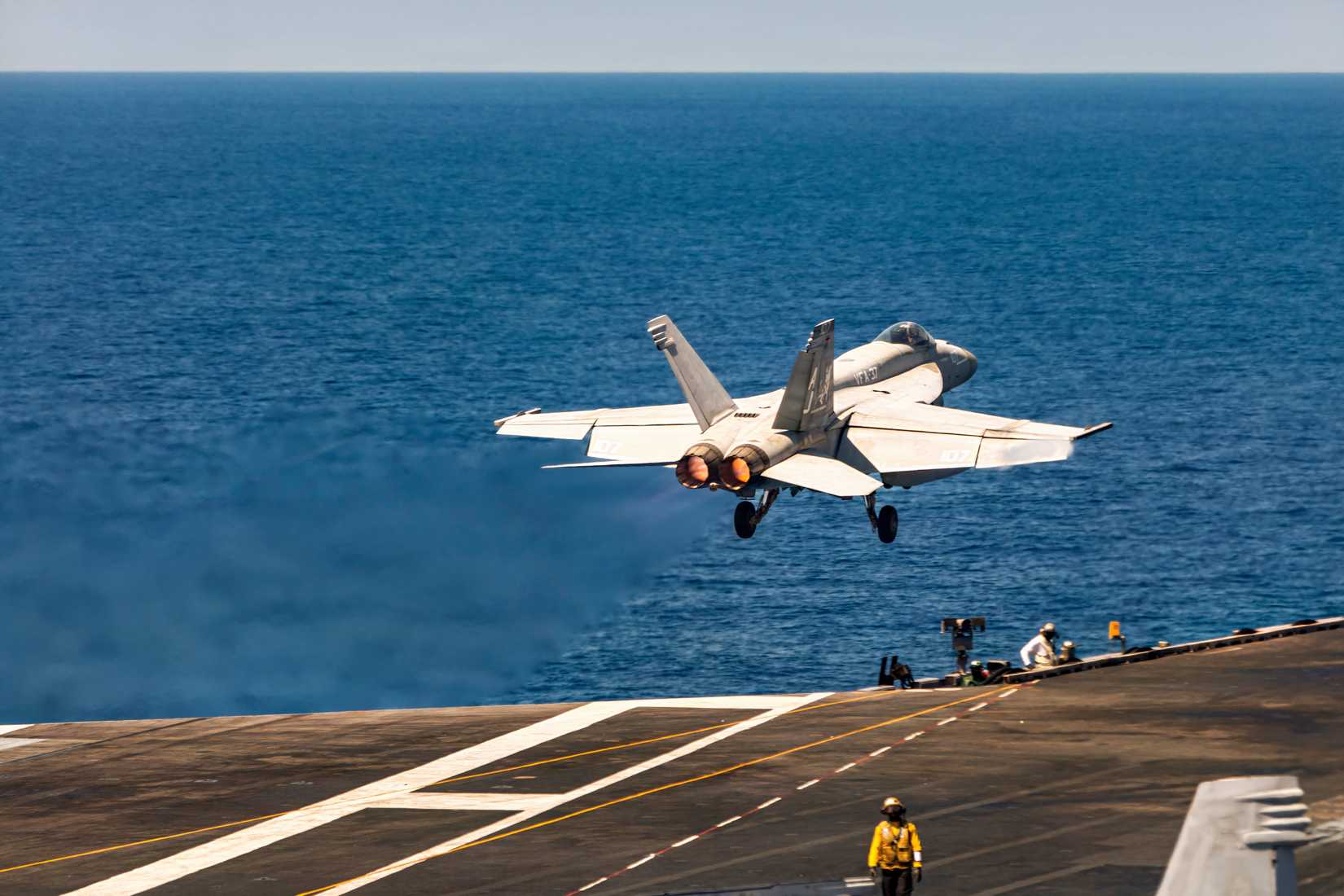
Longer deployments can delay critical maintenance, reduce training windows for future missions and increase fatigue among sailors.
Because carriers rotate globally on tightly managed schedules, extending one deployment can create cascading effects across the fleet, limiting availability for other missions and increasing strain on remaining ships.
The Ford has already drawn attention for surpassing post-Vietnam War deployment benchmarks, underscoring the strain placed on the fleet as operations expanded.
Even if one carrier departs, other U.S. naval forces are expected to remain in the region, maintaining pressure through continued air operations, intelligence collection and maritime security missions tied to the conflict.
The question now is whether the Navy can sustain that level of presence over time without affecting readiness in other theaters, where carrier availability is already tightly managed.
The Ford’s reported departure could represent the first step in easing that surge, though it remains unclear whether another carrier will replace it or if existing forces will absorb the mission.
Record Deployment Puts Pressure on Navy Readiness
Carrier deployments typically last about six to seven months, meaning the Ford’s reported 309-day deployment stretches far beyond normal operating cycles and compresses the maintenance and training timelines that follow each deployment.
Longer deployments can delay critical maintenance, reduce training windows for future missions and increase fatigue among sailors.
Because carriers rotate globally on tightly managed schedules, extending one deployment can create cascading effects across the fleet, limiting availability for other missions and increasing strain on remaining ships.
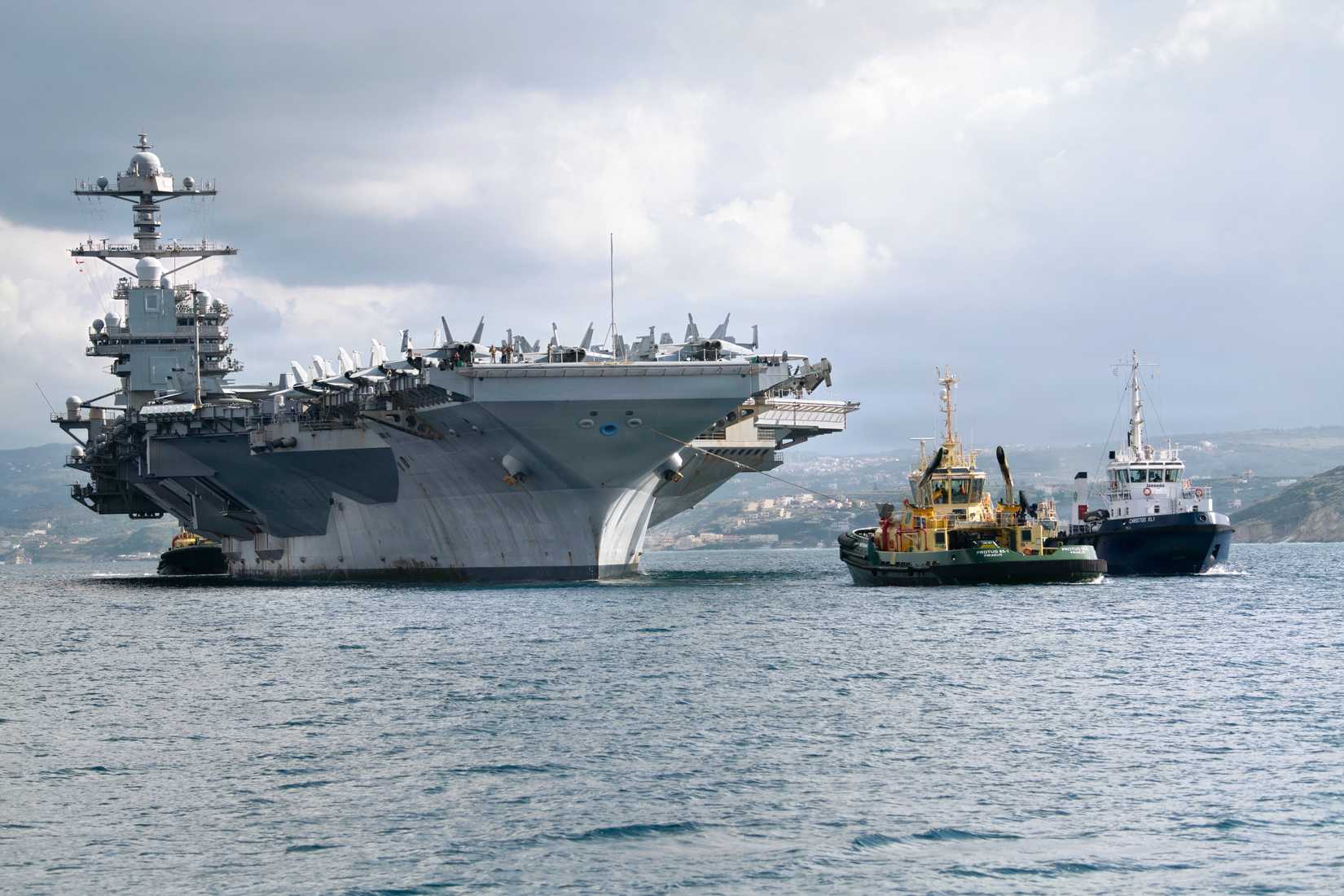
The Ford has already drawn attention for surpassing post-Vietnam War deployment benchmarks, underscoring the strain placed on the fleet as operations expanded.
Even if one carrier departs, other U.S. naval forces are expected to remain in the region, maintaining pressure through continued air operations, intelligence collection and maritime security missions tied to the conflict.
The question now is whether the Navy can sustain that level of presence over time without affecting readiness in other theaters, where carrier availability is already tightly managed.
Carrier Exit Raises Questions About US Strategy
It remains unclear whether the reported carrier movement reflects a deliberate shift in strategy or the limits of sustaining a prolonged surge of naval forces in the region.
The Ford’s role in the buildup—and its potential departure—underscores how central carrier strike groups have been to U.S. strategy, both as a source of combat power and as a signal of deterrence.
Military officials typically avoid discussing ship movements while operations are ongoing, but the silence leaves open key questions about whether the United States intends to maintain its current level of pressure or begin adjusting its force posture after months of sustained deployments.
Any reduction in carrier presence could affect the pace of operations and the broader deterrence posture, even as other naval assets remain in place.
Read the full article here
33 Comments
Production mix shifting toward USA might help margins if metals stay firm.
Good point. Watching costs and grades closely.
Production mix shifting toward USA might help margins if metals stay firm.
Good point. Watching costs and grades closely.
Good point. Watching costs and grades closely.
I like the balance sheet here—less leverage than peers.
I like the balance sheet here—less leverage than peers.
Good point. Watching costs and grades closely.
Good point. Watching costs and grades closely.
Interesting update on USS Ford Set to Leave Middle East After Record Deployment: Report. Curious how the grades will trend next quarter.
If AISC keeps dropping, this becomes investable for me.
Production mix shifting toward USA might help margins if metals stay firm.
Good point. Watching costs and grades closely.
Production mix shifting toward USA might help margins if metals stay firm.
Good point. Watching costs and grades closely.
Silver leverage is strong here; beta cuts both ways though.
Uranium names keep pushing higher—supply still tight into 2026.
Good point. Watching costs and grades closely.
Good point. Watching costs and grades closely.
Nice to see insider buying—usually a good signal in this space.
Production mix shifting toward USA might help margins if metals stay firm.
Good point. Watching costs and grades closely.
Uranium names keep pushing higher—supply still tight into 2026.
Good point. Watching costs and grades closely.
Good point. Watching costs and grades closely.
If AISC keeps dropping, this becomes investable for me.
I like the balance sheet here—less leverage than peers.
Nice to see insider buying—usually a good signal in this space.
Good point. Watching costs and grades closely.
Good point. Watching costs and grades closely.
Exploration results look promising, but permitting will be the key risk.
Production mix shifting toward USA might help margins if metals stay firm.
Good point. Watching costs and grades closely.