

Veteran advocates met last month with legislators on a daunting yet important task: finding a way to reduce the veteran suicide rate.
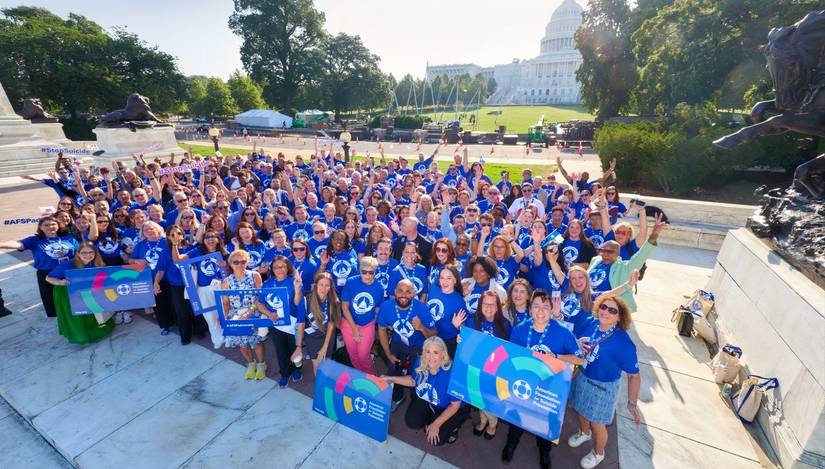
Representatives from the American Foundation for Suicide Prevention traveled to Washington D.C. for the 17th annual Advocacy Forum, taking place May 10-13, in which they advocated for two bills they hope to pass to reduce veteran suicide.
“The numbers are dire,” Laurel Stine, executive vice president and chief policy and advocacy officer for the American Foundation for Suicide Prevention, told Military.com. “In addition to that, veterans face a 35% higher suicide rate in the 12 months after separation of active military service.”
One piece of legislation includes the Daniel J. Harvey Jr. and Adam Lambert Improving Servicemember Transition to Reduce Veteran Suicide Act, which calls for expanding Veterans Affairs (VA) and Department of Defense (DoD) programs to help active-duty military members and veterans spot risk factors for suicide and reach out for mental health support.
Another bill circulating through Congress is the Barriers to Suicide Act, which if passed would install suicide-deterrent barriers on bridges and non-bridge structures deemed high risk for suicide attempts. It would accomplish that by authorizing $10 million annually to construct the barriers between Fiscal Year 2026 and Fiscal Year 2030.
Overall, suicide is the 10th leading cause of death in the U.S. with 48,824 people taking their own lives in 2024. For the veteran population, the numbers are even more staggering. Based on recent data from the VA, an average of 17.5 veterans die by suicide every day, along with 35.2 suicides per 100,000 veterans—almost double the suicide rate for non-veterans in the U.S.
Last month’s Advocacy Forum brought together more than 200 advocates from across the country. Along with promoting laws to help veterans transition to post-service life, the group is also pushing for legislation that will build architectural barriers limiting suicide attempts.
During their time in the nation’s capital, some advocates shared emotional personal stories with lawmakers, showing how suicide can have a ripple effect that rolls through devastated families and friends.
“One of the bills we advocated for was a veterans’ suicide prevention bill, and we were really pleased to take this bill on this year as our advocacy forum priority. … At the forum we were able to bring this to the attention of our volunteers so they can validate this legislation,” Stine said.
“It’s a bipartisan bill in both the House and Senate, and we feel it’s time to get this bill passed because it’s been around for a couple of sessions,” she added.
Lawmakers See Bills’ Importance
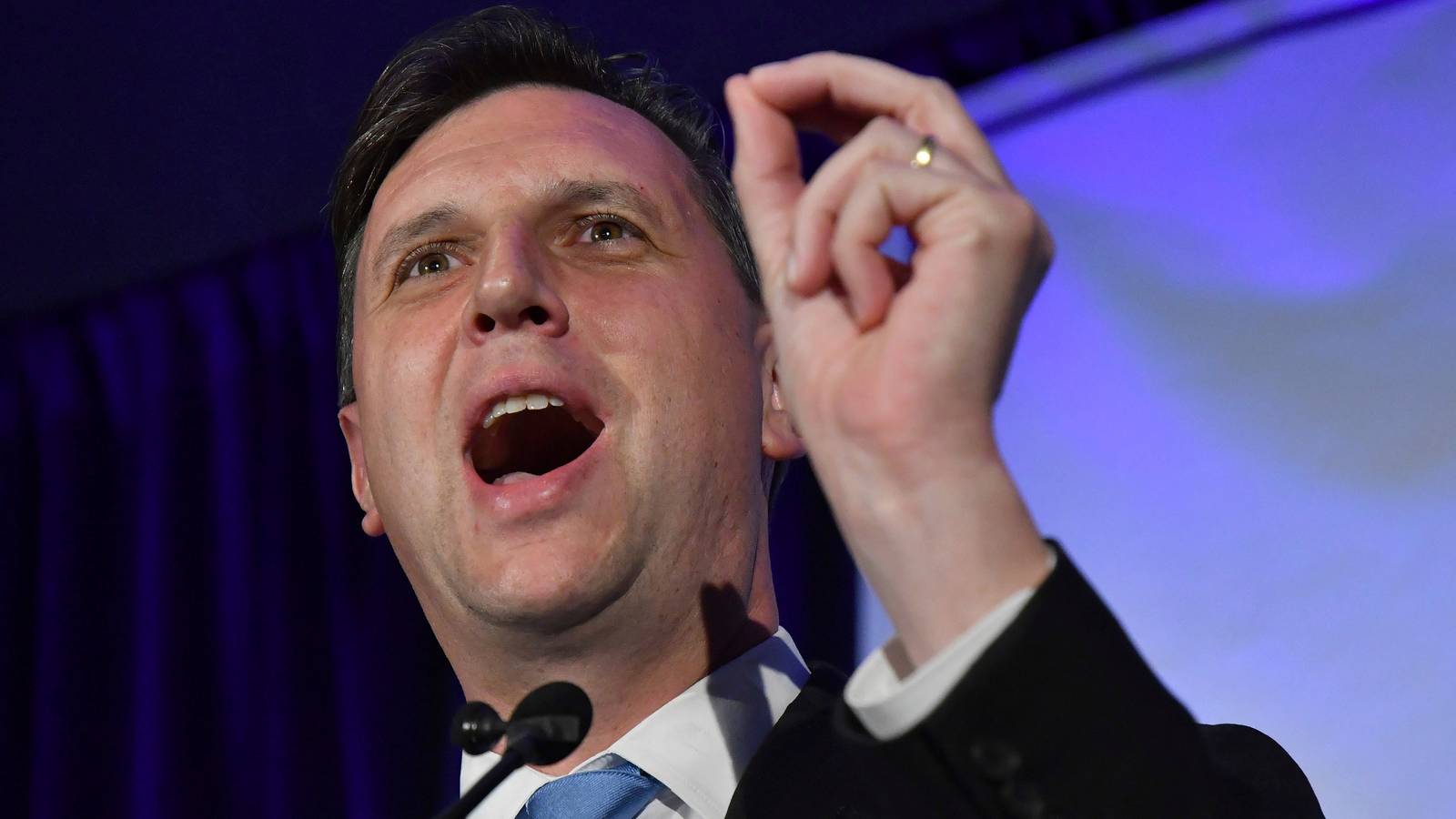
Several lawmakers have worked with their colleagues from across the aisle to craft the veteran suicide prevention bills, including congressional Reps. Seth Magaziner (D-R.I.) and Zach Nunn (R-Iowa)—original co-sponsors of the Daniel J. Harvey, Jr. and Adam Lambert Improving Service member Suicide Act.
“This bill will directly improve two programs that are proven to work in supporting veterans following their service,” Magaziner told Military.com. “The bill expands TAP to include more support for veterans dealing with post-traumatic stress disorder (PTSD), depression, substance use and loneliness.
“It also strengthens Solid Start by increasing outreach and education to veterans on VA benefits and mental health services available to them after service.”
In the Senate, Joni Ernst (R-Iowa) and Sheldon Whitehouse (D-R.I.) are co-sponsors, along with Jeff Merkley (D-Ore.) and Angus King (I-Maine).
“Given the startling statistics, they are championing that legislation knowing DOD has an existing program,” Stine said. “The Transition Assistance Program (TAP) helps active-duty military members as they’re leaving the service, so this legislation would expand that service.
“Not only does it help service members become more aware of suicide risk, but it helps them reach out for support and receive that support through these service-connected benefits.”
The bill also proposes more support for the VA’s Solid Start Program, which helps veterans find a strong path from active duty to civilian life. Through the program, the VA checks in on veterans three times during their first year of separation.
It’s common-sense legislation and it costs very little because it’s simply building on programs already in place in both the DOD and the VA.
In recent weeks, four new members of Congress have co-sponsored the bill, according to Stine. Currently, in the House of Representatives, 14 Democrats and three Republicans support the bill.
She is optimistic that more lawmakers will voice their support in the future. In the Senate, 13 Democrats support it, as do one independent who caucuses with Democrats and two Republicans.
“We were really pleased to see that support just a week after our forum, and we’re hoping for more to come,” Stine said. “We’re also campaigning for our volunteer advocates to contact their local representatives to support this bill.”
‘Best of Our Country’
Magaziner, one of the legislative co-leads of the Harvey bill, said it’s important that veterans have federal support while they’re returning to a civilian world often steeped in challenges.
Not only does the bill honor Daniel Harvey Jr., who is from Magaziner’s home state of Rhode Island, but also fellow Marine Corps veteran Adam Lambert, of Iowa. Both died by suicide.
“Lance Cpl. Daniel J. Harvey of Johnston, R.I., for whom the bill is named, represented the very best of our country through his service and his tragic death by suicide within a year of leaving the military is a reminder of why this support is so critical,” Magaziner said.

The bill was introduced June 17, 2025, and passed the House unanimously during Congress’ last session.
“The next step is for this legislation to once again be brought to the floor for a vote and then taken up in the Senate,” Magaziner said. “I will continue working with colleagues on both sides of the aisle to advance this bill through the legislative process until it is signed into law.”
Magaziner said a former service member’s first year as a veteran can often be their most crucial.
“(It’s) a time we know is critical for intervention in preventing suicide,” he said.
The legislation also received a boost nationally when it was endorsed by the American Legion following its introduction.
As nearly 18 veterans die daily by suicide, Stine and veteran advocates hope that another year doesn’t pass before the proposal is signed into law. Magaziner believes momentum from both political spectrums will move the bill forward.
“Members of both parties can agree that we owe a debt of gratitude to those who served in the Armed Forces and returned home with wounds, both visible and invisible,” Magaziner added.
Read the full article here
26 Comments
If AISC keeps dropping, this becomes investable for me.
The cost guidance is better than expected. If they deliver, the stock could rerate.
Good point. Watching costs and grades closely.
I like the balance sheet here—less leverage than peers.
I like the balance sheet here—less leverage than peers.
Good point. Watching costs and grades closely.
Uranium names keep pushing higher—supply still tight into 2026.
Production mix shifting toward USA might help margins if metals stay firm.
Good point. Watching costs and grades closely.
Good point. Watching costs and grades closely.
The cost guidance is better than expected. If they deliver, the stock could rerate.
Silver leverage is strong here; beta cuts both ways though.
Good point. Watching costs and grades closely.
Good point. Watching costs and grades closely.
Exploration results look promising, but permitting will be the key risk.
Good point. Watching costs and grades closely.
Production mix shifting toward USA might help margins if metals stay firm.
Interesting update on Veterans are Dying at About 18 Per Day. New Legislation Aims to Change That. Curious how the grades will trend next quarter.
Good point. Watching costs and grades closely.
Nice to see insider buying—usually a good signal in this space.
Uranium names keep pushing higher—supply still tight into 2026.
Good point. Watching costs and grades closely.
The cost guidance is better than expected. If they deliver, the stock could rerate.
If AISC keeps dropping, this becomes investable for me.
Good point. Watching costs and grades closely.
Good point. Watching costs and grades closely.