

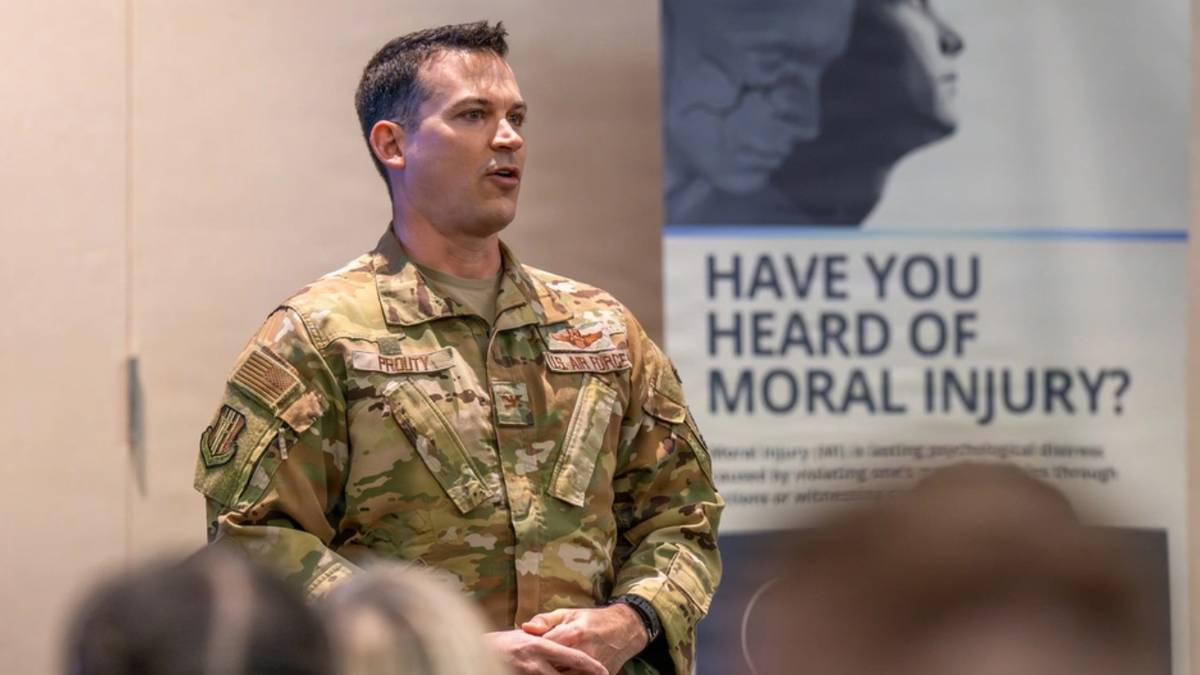
Making high-stakes decisions and dealing with the rules of engagement hits differently for U.S. service members who were exposed to human suffering and sanctioned lethal force. For some, experiences that deeply conflicted with moral beliefs left them with what we now call moral injury.
The concept of moral injury came to light through the work of psychiatrist Jonathan Shay with Vietnam Veterans back in the 1990s. Today, an estimated 955,000 military veterans experience moral injury and more than 1 million have a service-connected disability for PTSD. While the two may have similarities, they are different.
According to the Journal of Psychiatric Research, moral injury is distinct from PTSD, though veterans suffering from either have overlapping symptoms. The definition from the National Library of Medicine specifically describes moral injury as transgressions of moral beliefs or values that are committed, observed or learned about, with consequent feelings of guilt, shame, betrayal, loss of meaning, loss of trust, difficulty forgiving, self-condemnation, loss of faith or spiritual struggles.
May is the month of Mental Health Awareness, and the 2026 theme is More Good Days, Together. In recognition of this, DAV Magazine correlated suicide prevention with understanding moral injury but also shared how veterans made more progress with their healing process once they realized they were addressing the wrong mental health concern.
Identifying Moral Injury
It can be challenging at first to draw the distinctions of moral injury. Also coined as a “soul wound”, it manifests itself through deep emotional pain. Symptoms can show up as self-sabotage, social withdrawal, damaged self-perception, and outbursts of anger, guilt or anxiety. Sometimes people question their spirituality or religious beliefs due to the contradictory nature of what they experienced and what they believed to be a virtuous life. When service members have both moral injury and PTSD, it not only complicates treatment plans, but it also exacerbates substance abuse disorders, suicidal ideations and depression.
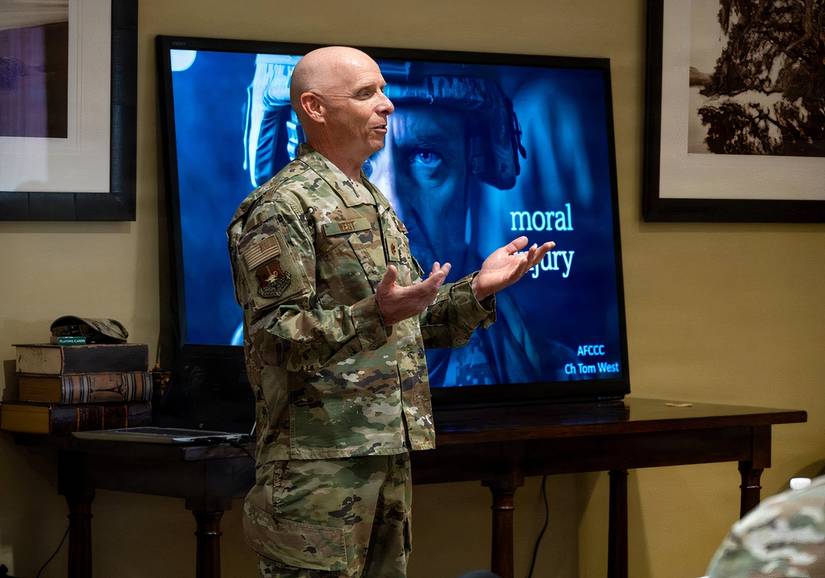
According to the U.S. Department of Veterans Affairs, a crucial component of identifying moral injury is looking at potentially morally injurious events to get to the root of guilt and shame. Multiple evaluation criteria and measures have been developed to assess the symptoms and level of impairment.
- Moral Injury Outcomes Scale
- Moral Injury and Distress Scale
- Moral Injury Questionnaire
- Moral Injury Events Scale
- Expression of Moral Injury Scale
- Trauma-Related Guilt Inventory
- Trauma-Related Shame Inventory
While more research and education are needed, in both military and non-military contexts, there is progress through promising studies on PTSD and how treatments such as Cognitive Processing Therapy can help improve mental health outcomes for those doubly impacted by moral injury.
More Good Days: Addressing Moral Injury Together
When service members and veterans experience moral injury, feelings such as “I don’t deserve good things to happen to me,” can be common. Other deep emotions and signs of distress find a way out, which are often guilt and shame.
The VA reported that more specialized trial treatments are in progress and additional studies are being done to reduce moral injury and compare treatment options with both moral injury and PTSD.
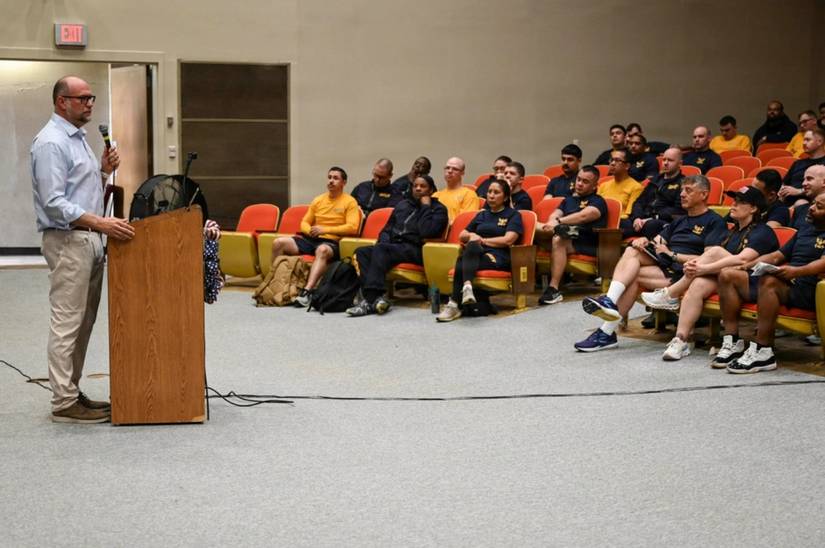
Moral injury reminds us that not all wounds are visible. There is much more awareness today than when it was formally recognized in the 1990s. Looking at the path forward, the healing process for our service members and veterans includes expanding our knowledge to create effective treatments and providing compassionate care without judgment.
As we observe Mental Health Awareness this month, we can continue to deepen this awareness, better recognize signs of moral injury and ensure the impacted members of the military community can look ahead to more good days with stronger support and understanding.
Read the full article here
37 Comments
Production mix shifting toward USA might help margins if metals stay firm.
Good point. Watching costs and grades closely.
Good point. Watching costs and grades closely.
I like the balance sheet here—less leverage than peers.
Good point. Watching costs and grades closely.
Uranium names keep pushing higher—supply still tight into 2026.
Good point. Watching costs and grades closely.
Good point. Watching costs and grades closely.
I like the balance sheet here—less leverage than peers.
Good point. Watching costs and grades closely.
If AISC keeps dropping, this becomes investable for me.
Good point. Watching costs and grades closely.
I like the balance sheet here—less leverage than peers.
Good point. Watching costs and grades closely.
Exploration results look promising, but permitting will be the key risk.
Nice to see insider buying—usually a good signal in this space.
Exploration results look promising, but permitting will be the key risk.
Good point. Watching costs and grades closely.
If AISC keeps dropping, this becomes investable for me.
Uranium names keep pushing higher—supply still tight into 2026.
Good point. Watching costs and grades closely.
Uranium names keep pushing higher—supply still tight into 2026.
Good point. Watching costs and grades closely.
Good point. Watching costs and grades closely.
Exploration results look promising, but permitting will be the key risk.
Good point. Watching costs and grades closely.
If AISC keeps dropping, this becomes investable for me.
Good point. Watching costs and grades closely.
Good point. Watching costs and grades closely.
The cost guidance is better than expected. If they deliver, the stock could rerate.
Good point. Watching costs and grades closely.
Silver leverage is strong here; beta cuts both ways though.
Production mix shifting toward USA might help margins if metals stay firm.
Silver leverage is strong here; beta cuts both ways though.
Exploration results look promising, but permitting will be the key risk.
Good point. Watching costs and grades closely.
Good point. Watching costs and grades closely.