


Enlisting in the military is one of the biggest decisions you will make in your life, and the best choice depends on your personal career goals. Are you looking for a specific job? Do you want a physical challenge? What lifestyle do you want to live? Do you want to travel? Do you want to get your college degree? The answer to these questions may help you begin the process of choosing which branch of the military to join.
Before you begin reading, I will tell you that I am a retired U.S. Air Force Major, who began military life as an Airman Basic (E-1). So, this article is not intended to convince you to join the Air Force, far from it. My family is steeped in military life. I have family who are/were retired Army, Air Force, and Coast Guard.
This article’s purpose is to give you a jumping off point, and provide information on military quality of life, careers, college benefits, and missions, so you can make an informed decision on choosing between the Army, Navy, Air Force, Marine Corps, Coast Guard and Space Force.
Military Branches at a Glance
|
Branch |
Primary Mission |
Family Life & Stability |
|---|---|---|
|
Air Force |
Air & space operations, air superiority, intelligence |
High quality of life, strong housing, shorter deployments. |
|
Army |
Ground operations, global defense |
Frequent PCS moves but strong family support networks on large installations. |
|
Navy |
Maritime security, sea power, global presence |
6–9 month deployments at sea. Shore duty offers stability. |
|
Marine Corps |
Amphibious assault & expeditionary combat |
Mission first culture. More time away from home. |
|
Coast Guard |
Maritime law enforcement, rescue, homeland security |
Mostly domestic coastal assignments. Close to civilian lifestyle. |
|
Space Force |
Space operations, satellites, orbital defense |
Minimal deployments, highest rotation stability. |
Which Military Branch Has the Best Quality of Life?
As much as we would like to quantify this question, it can’t be answered simply. I spent more than 22 years in the Air Force and it seemed to me that both the mission and my family were important. I lived in base housing more than half of those years and living conditions were exceptional. The base amenities were clean and modern, and our work-life balance was strong.
That said, quality of life depends on your family situation (married or single), and what factors you feel are most important. There is no single comprehensive survey that definitively answers this question, and most comparisons are based on perception.
Let’s look at each branch in tiers, based on some of these quality-of-life issues:
- On-base housing
- Community/Family Support
- Base Location
- Work Facilities
- Education
- Deployments
Tier 1: Air Force and Space Force
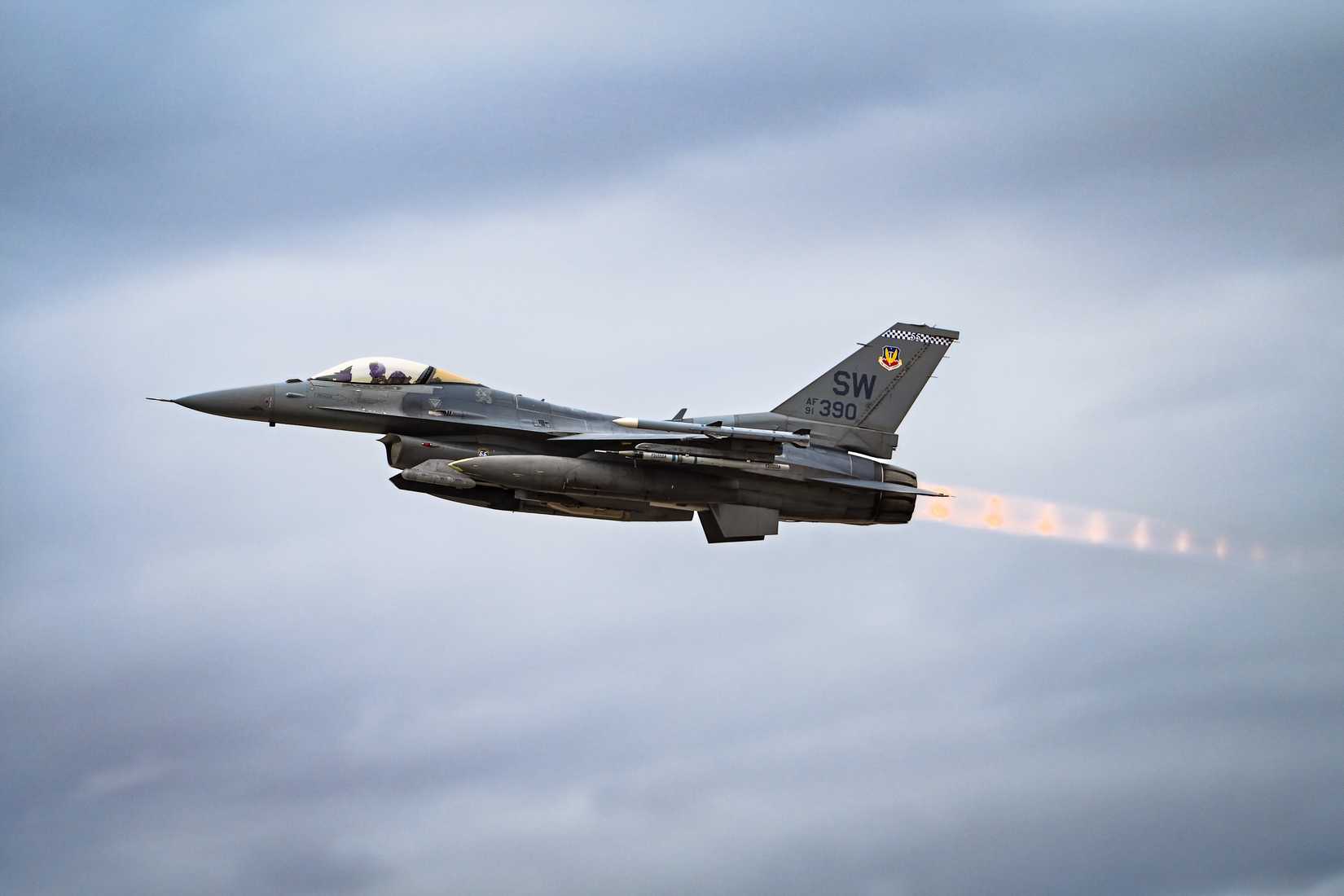
Air Force: The Air Force is known for investing in member and family comfort, whether it’s on-base shopping, on-base housing, or recreational amenities. Many bases are located near major cities, and most workplace facilities are modern and well maintained. Air Force units do deploy; however, not at the tempo of the Army, Navy, or Marines.
Space Force: The Space Force follows close behind. No surprise here because all USSF installations were once USAF bases. Facilities are highly modernized, with an emphasis on technology, and nearly all assignments are stateside. If you want stability, the USSF has it.
Tier 2: Navy and Coast Guard
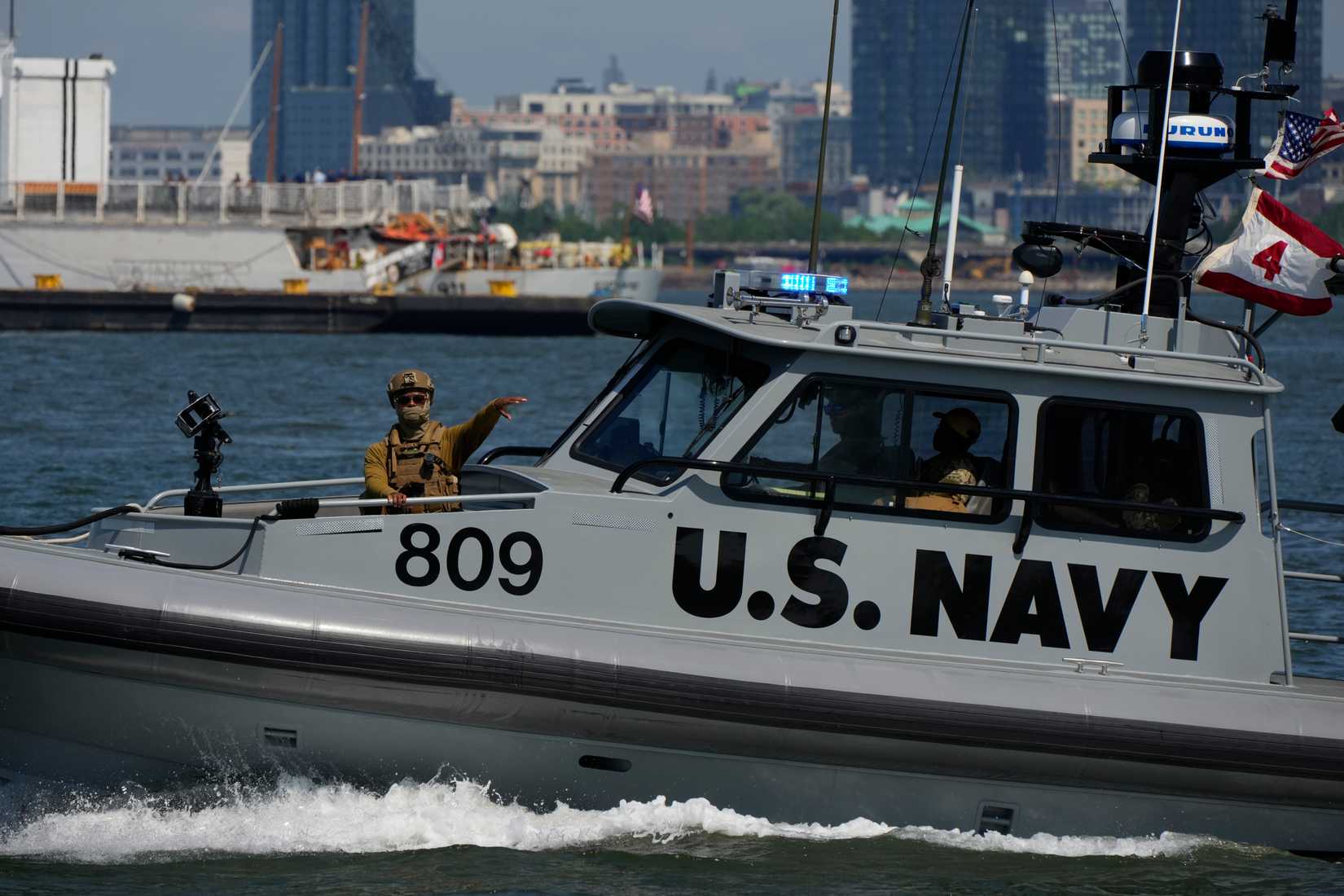
Navy: The biggest factor here is location. Quality of life is dependent on where you are performing shore-duty or sea duty. Most Navy bases rival the Air Force for modern installations with great amenities. Most Navy shore bases are in prime coastal locations.
If you are deployed on a submarine or ship, living conditions can be challenging. The Navy does take great effort to ensure that life on or under the sea is as comfortable as it can be. They offer recreational facilities and liberal higher educational opportunities.
Coast Guard: The Coast Guard has a smaller, tight-knit community feel. If you love the ocean, most bases are stationed near the U.S. coast or on major waterways. Funding is not as robust as the Air Force, Navy, or Army, so some facilities and bases can be outdated.
Tier 3: Army and Marine Corps

Army: The Army offers great opportunities for a diverse career, but often has a deployment and field training tempo greater than the other services which can be demanding for members with families. Many installations are older, but offer great family support programs.
Marine Corps: The Marines foster a great sense of camaraderie and pride, but have the most challenging training regimen. Living conditions, especially for single Marines, have been a problem, but leadership is pushing for major upgrades.
Promotion Structure
Time in Service (TIS) & Time in Grade (TIG): Every military branch requires that you have a minimum amount of time in service and time in your current rank before being eligible for promotion. This system creates a fair promotion timeline across the military.
Performance Evaluations: Performance is one of the strongest predictors of promotion, and leadership is looking for consistent, sustained excellence, leadership, and results. These are all indicators of potential for higher responsibility.
Education & Training (military and civilian): Professional military education is mandatory for most promotions, and technical training strengthens your competitiveness. Civilian education shows initiative and broadens your capabilities.
Physical Fitness: Fitness is a core readiness measure. Your scores can strengthen or hinder promotion.
Vacancies & Needs: Even if you are fully qualified, the military only promotes when there are vacancies in the next rank. Some career fields promote faster due to critical shortages, while others are slower because of overstaffing.
Quickest Promotion Path: The Army
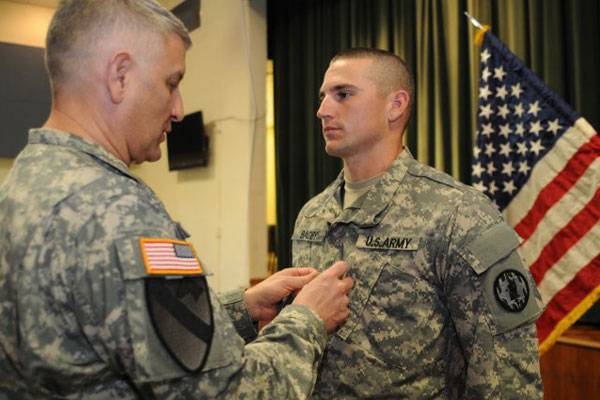
All services have relatively predictable promotion timelines for junior enlisted ranks, but you still have to meet TIS/TIG, fitness, and performance standards.Promotion to E-4 varies by branch and may be automatic, semi-automatic, or competitive depending on the service and career field. Promotions to E-5 and above are competitive across all branches.
Because the Army is the largest military branch, it has more positions and leadership roles to fill, and more opportunities for advancement. As a result, the Army often offers faster promotion opportunities in many enlisted fields, especially those in high-demand.
Note: The needs of the military can accelerate or slow normal promotion timelines.
Which Branch Travels the Most?
If you join the military to travel the world, then you might want to look into the U.S. Navy. Sailors cover more geographic distance than any other branch of the military. The Navy has roughly 300 battle-force vessels in its fleet that log more than 2.5 million miles every year across our world’s oceans.
The Navy is constantly conducting global operations in the Mediterranean, Pacific, and Indian Oceans, visiting many international ports in Europe, Asia, Africa, and South America on a typical nine-month deployment.
If you want a military job that travels, check out these options:
|
Branch |
Jobs That Travel the Most |
Why? |
|---|---|---|
|
Navy |
All shipboard specialties, Aviation |
Ship deployments, global port visits, worldwide missions, aviation operations |
|
Marine Corps |
Infantry, Combat Engineer, Aviation Crew Chief, Embassy Security Guard |
Deploy with Navy ships, global training exercises, embassy assignments |
|
Air Force |
Loadmaster, Boom Operator, Security Forces, Aircraft Maintenance, Weather Specialist |
Frequent Temporary Duty (TDY), overseas bases, global airlift missions |
|
Army |
Infantry, Aviation, Civil Affairs, Special Forces |
Rotational deployments, overseas duty stations |
|
Space Force |
Cyber Operations, Space Systems Operations |
Limited deployment cycles and TDYs |
Marines vs. Navy vs. Coast Guard Missions
While the Marines, Navy, and Coast Guard all have missions tied to the sea, they each have distinct missions and roles.
US Navy
The Navy’s mission is to protect America at sea, preserve economic prosperity, and make the seas free and safe for travel and trade. They do this by projecting sea power through operations and exercises, training, education, and taking care of their 340,000 active-duty sailors. The primary functions of the Navy are:
- Strategic Deterrence
- Sea Control
- Power Projection
- Maritime Security
- Sealift
Marine Corps
U.S. Marines stand ready to deploy at a moment’s notice by training for missions on land and at sea. A Marine is an expert in expeditionary and amphibious operations. Their strength comes from teamwork, with infantry, aviation, ground, and cyber forces all working together as one unit. The Marines are made up of these four elements:
- Aviation Combat
- Ground Combat
- Logistics Combat
- Command Element
Coast Guard
The Coast Guard is both a branch of the Armed Forces and a federal law enforcement agency. Their mission is to protect maritime interests crucial to our country’s security, economy, and prosperity. The missions of the Coast Guard are:
- Protection from the Sea
- Protecting the Sea
- Maritime Law Enforcement and Safety
- Maritime Transportation
Space Force Career Opportunities
The Space Force was formed in 2019, and was established from the Air Force.
If you are looking for a cutting-edge career in the USSF, there are several opportunities for those who wish to enlist, or be commissioned as an officer.
The USSF can be broken down into these primary fields:
- Space Operations: Responsible for satellite control, orbital warfare, space electronic warfare, and battle management.
- Intelligence: Perform data and imagery analysis to protect U.S. space interests.
- Cyber Operations: Defend space infrastructure, and conduct defensive/offensive cyber operations
- Engineering (Astronautical, Aeronautical, Mechanical, Electrical, Computer): Conduct research, and design/deploy space systems and spacecraft
- Acquisitions/Logistics: Responsible for procuring mission-ready technology and oversees their lifecycle.
Best Branch by Life Goal
College Benefits
Getting a college education while in the military is one of the best ways to achieve your career goal. It worked for me. I used the civilian education benefits to get my college degree while I was enlisted as a pathway to a commissioned Air Force officer. All military branches support members in pursuing a college degree through federal programs like the GI Bill, Military Tuition Assistance, and Student Loan Repayment Programs. However, the Air Force and Navy provide some of the best opportunities to both serve full-time and focus on your education.
Family Life
Family life is an important element when choosing which branch of the military to join and you will want to know that your family is considered. What is housing like? Will I be separated from my family frequently? What support services and amenities are available on base?
Here are some things to consider when it comes to family life in the military and which branch provides them better than others:
Tier 1:Air Force & Coast Guard
- Air Force: I have some experience in military family life. My wife and I raised two kids in the military, and I can attest to the high quality of family life in the Air Force. We had excellent on-base housing, I had a steady work schedule with minimal TDYs, and the bases had excellent amenities (day care, dining facilities, shopping, recreation, and family support programs).
- Coast Guard: The Coast Guard is a close second. All members are stationed in the U.S. with a daily mission to protect the nation’s shores. Taking care of family is a key part of the Coast Guard mission and programs are available to enhance the morale and quality of life for members and their families. Work-life balance and a sense of community is also important to the Coast Guard.
Tier 2: Army and Navy
- Army: Army family life tries to balance a sense of community, and robust family support programs due to the demanding operations tempo, field training, and frequent rotational deployments to Korea, Europe and the Middle East. The Army is dedicated to supporting families with family needs like housing, daycare programs for kids, counseling, and healthcare.
- Navy: The Navy has a very distinct lifestyle for families. Because the Navy’s primary mission happens at sea, those assigned to sea duty go through a series of separations and homecomings. Those assigned to shore duty have more stable and predictable schedules. The Navy has a robust Fleet and Family Support Program that promotes self-reliance and resiliency of Sailors and their families.
Tier 3: Marine Corps
- Marine Corps: The Corps’ warfighter-first mindset creates a strong sense of pride, but can lead to an unpredictable lifestyle for families. Spouses are sometimes expected to be independent and manage the household through sudden and long separations due to training and deployments. The Marines have robust readiness programs like L.I.N.K.S. (Lifestyle, Insights, Networking, Knowledge, and Skills), which promotes positive adjustment for Marine Corps families.
Non-Combat & Technical Careers
While combat roles often get the spotlight, the vast majority of military positions are non-combat operations that keep the force running and equipped with cutting-edge capabilities. If you are looking for a career that translates directly into high-paying civilian jobs, without serving on the front lines, these technical and professional fields offer some of the strongest pathways available.
High-Demand Technical Specialties
- Cyber & Information Technology: Every branch relies on cyber professionals to protect national security networks, analyze threat intelligence, and defend satellite communication systems. Roles range from Cyber Warfare Technicians to Network Defense Specialists.
- Aviation Maintenance & Logistics: Behind every aircraft and ship is a massive team of engine technicians, avionics specialists, and supply chain managers who oversee millions of dollars in equipment and operational logistics.
- Engineering & Electronics: From maintaining advanced radar systems on Navy vessels to managing infrastructure on Air Force bases or Space Force launch sites, military engineers gain hands-on experience with equipment most civilians never touch.
- Intelligence & Analytics: Intelligence specialists gather, decode, and analyze data from satellite imagery, signals, and human intelligence to help leaders make critical strategic decisions in real time.
- Healthcare & Medical: From combat medics and surgical technicians to military doctors and nurses, the military operates its own complete healthcare system, offering world-class medical training and certifications.
Combat Roles
Before looking at specific branches, it helps to understand how combat roles are split across land, air, and sea. Each domain serves a unique purpose on the battlefield and offers a very different day-to-day experience:
Ground Forces (Boots on the Ground)
- What they do: Ground combat focuses on controlling territory, securing key locations, and direct tactical operations on land.
- Key Roles: Infantry riflemen, tank and armor crews, field artillery teams, and elite units like the Army Green Berets.
- What it’s like: High physical demands, strong team camaraderie, and working outdoors in rugged environments.
Air Superiority (Owning the Skies)
- What they do: Controlling airspace to protect friendly forces on the ground, gathering aerial intelligence, and conducting precision strikes.
- Key Roles: Fighter pilots, bomber crews, drone operators, and specialized air controllers who direct air support from the ground.
- What it’s like: Cutting-edge technology, fast-paced decision-making, and extensive technical classroom and simulator training.
Maritime Dominance (Ruling the Oceans)
- What they do: Securing global ocean lanes, projecting power from international waters, and conducting amphibious or coastal operations.
- Key Roles: Naval aviators flying off aircraft carriers, submarine crews, warship weapons specialists, and Navy SEALs.
- What it’s like: Traveling the ocean, living and working closely with a ship crew, and mastering water-based tactics.
Whether you see yourself on land, in the air, or at sea, matching your physical drive and technical interest to the right combat domain is essential. Army and Marine Corps lead ground operations, the Air Force and Space Force dominate air and space, while the Navy and Coast Guard secure maritime environments.
Which Path Is Right for You?
Choosing to join the military is a life-changing decision, but finding the right path comes down to aligning your personal goals, career aspirations, and desired lifestyle with what each branch uniquely has to offer. Whether you thrive on the high-tech innovations of the Air Force and Space Force, the grounded camaraderie and rapid advancement of the Army, or the maritime adventures of the Navy and Coast Guard, there is a place tailored to your strengths. Take the time to reflect on what matters most to your future, ask the right questions, and choose the branch that doesn’t just ask for your service, but actively serves your long-term vision for success.
Key Takeaways
- Match your goals and lifestyle to a branch → mission, travel, family life, education, and career growth matter.
- Air Force & Space Force lead in quality/stability; Navy/Coast Guard = sea travel; Army/Marines = highest tempo.
- Army often offers fastest promotions; Air Force/Navy best for education; technical roles translate to civilian careers.
FAQ
Is there a “best” military branch to join?
No. Your ideal branch depends on lifestyle, job interests, education goals, and how much travel or physical challenge you want.
Which branch promotes the fastest?
The U.S. Army. Because the Army is the largest military branch, the Army consistently promotes the fastest across most enlisted ranks.
Which branch is best for college benefits?
Air Force and Navy. Every Air Force member is automatically enrolled in the Community College of the Air Force, and the Navy offers a comprehensive civilian education program, including fully funded associate degrees.
What careers does the Space Force offer?
The Space Force focuses on space operations, cyber, intelligence, engineering, and acquisitions.
The Space Force focuses on space operations, cyber, intelligence, engineering, and acquisitions.
The Space Force focuses on space operations, cyber, intelligence, engineering, and acquisitions.
What factors should I consider before choosing a branch?
Before choosing which branch of the military to join, you should evaluate the following factors:
- Lifestyle
- Travel
- Job type
- Education goals
- Family needs
Read the full article here
44 Comments
Uranium names keep pushing higher—supply still tight into 2026.
Good point. Watching costs and grades closely.
Uranium names keep pushing higher—supply still tight into 2026.
If AISC keeps dropping, this becomes investable for me.
Good point. Watching costs and grades closely.
Uranium names keep pushing higher—supply still tight into 2026.
Good point. Watching costs and grades closely.
Good point. Watching costs and grades closely.
Silver leverage is strong here; beta cuts both ways though.
The cost guidance is better than expected. If they deliver, the stock could rerate.
Good point. Watching costs and grades closely.
Good point. Watching costs and grades closely.
Nice to see insider buying—usually a good signal in this space.
Silver leverage is strong here; beta cuts both ways though.
Good point. Watching costs and grades closely.
Good point. Watching costs and grades closely.
I like the balance sheet here—less leverage than peers.
Good point. Watching costs and grades closely.
Uranium names keep pushing higher—supply still tight into 2026.
Good point. Watching costs and grades closely.
Good point. Watching costs and grades closely.
Uranium names keep pushing higher—supply still tight into 2026.
Good point. Watching costs and grades closely.
I like the balance sheet here—less leverage than peers.
Production mix shifting toward USA might help margins if metals stay firm.
Interesting update on Which Military Branch ACTUALLY Has the Best Quality of Life?. Curious how the grades will trend next quarter.
Production mix shifting toward USA might help margins if metals stay firm.
Exploration results look promising, but permitting will be the key risk.
Good point. Watching costs and grades closely.
Exploration results look promising, but permitting will be the key risk.
Good point. Watching costs and grades closely.
Production mix shifting toward USA might help margins if metals stay firm.
If AISC keeps dropping, this becomes investable for me.
Good point. Watching costs and grades closely.
Good point. Watching costs and grades closely.
Nice to see insider buying—usually a good signal in this space.
Production mix shifting toward USA might help margins if metals stay firm.
Good point. Watching costs and grades closely.
Interesting update on Which Military Branch ACTUALLY Has the Best Quality of Life?. Curious how the grades will trend next quarter.
Good point. Watching costs and grades closely.
Good point. Watching costs and grades closely.
Nice to see insider buying—usually a good signal in this space.
Good point. Watching costs and grades closely.
Good point. Watching costs and grades closely.