

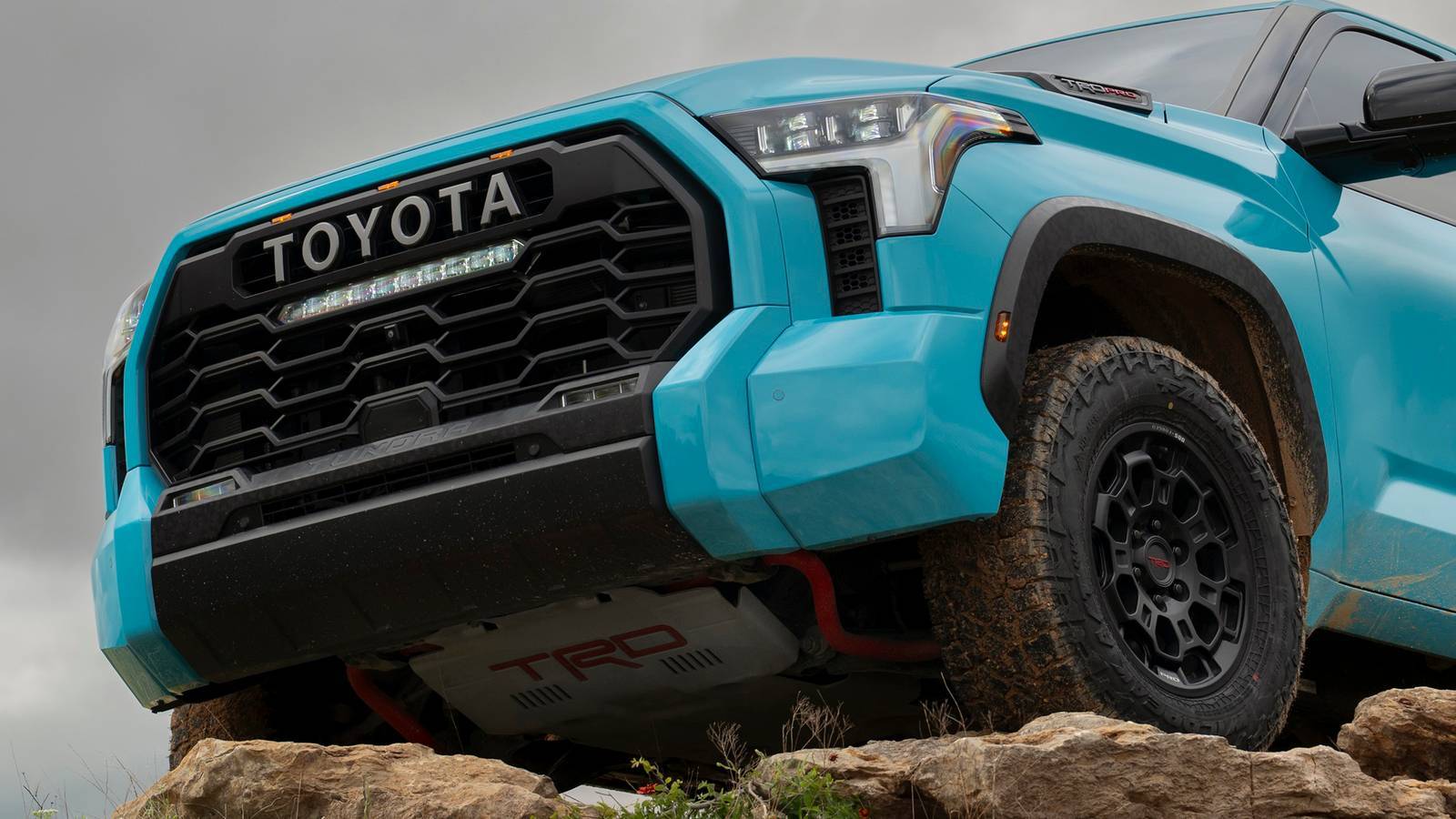
It’s very disconcerting to think of metal shavings circulating in engine oil, but the issue is an increasing concern for some Toyota owners. In certain Toyota service departments, oil drainage containers sit alongside partially disassembled Tundras waiting for replacement engines, and the repercussions may be shaking confidence in Toyota’s marketplace.
Toyota Replaced One Of America’s Most Trusted V8 Truck Engines
|
2022 Toyota Tundra i-Force Specifications |
|
|---|---|
|
Engine |
3.4-liter twin-turbocharged V6 (V35A-FTS) |
|
Transmission |
Ten-speed automatic |
|
Drivetrain |
Front-wheel drive or four-wheel drive |
|
Power |
Starting at 348 hp |
|
Torque |
Starting at 405 lb-ft |
Toyota was very bullish when it launched its second-generation Tundra for the 2007 model year, and it leaned heavily on the vehicle’s 5.7-liter 3UR-FE V8 engine. This engine had a strong reputation for durability and represented what buyers had come to expect from Toyota. It was relatively simple, over-engineered, and delivered strong towing performance and smooth power delivery.
Owners could rack up significant annual mileage without major concern. While there were some dramatic engine failures here and there, Toyota typically had fewer than competitors. And while many challengers tried to beat the Tundra in the marketplace by offering updated technology, better interiors, or stronger fuel economy, buyers remained steadfast. They continued to view the Tundra as a very safe long-term ownership bet, even as the surrounding market started to change.
The late 2010s and early 2020s saw a period of rapid transformation in the auto industry. For example, Ford leaned heavily on turbocharged truck engines through its EcoBoost range. Pickup makers had to pay close attention to fuel economy targets and developing emissions regulations. For Toyota, the situation started to make large naturally aspirated V8s like the 3UR-FE hard to justify.
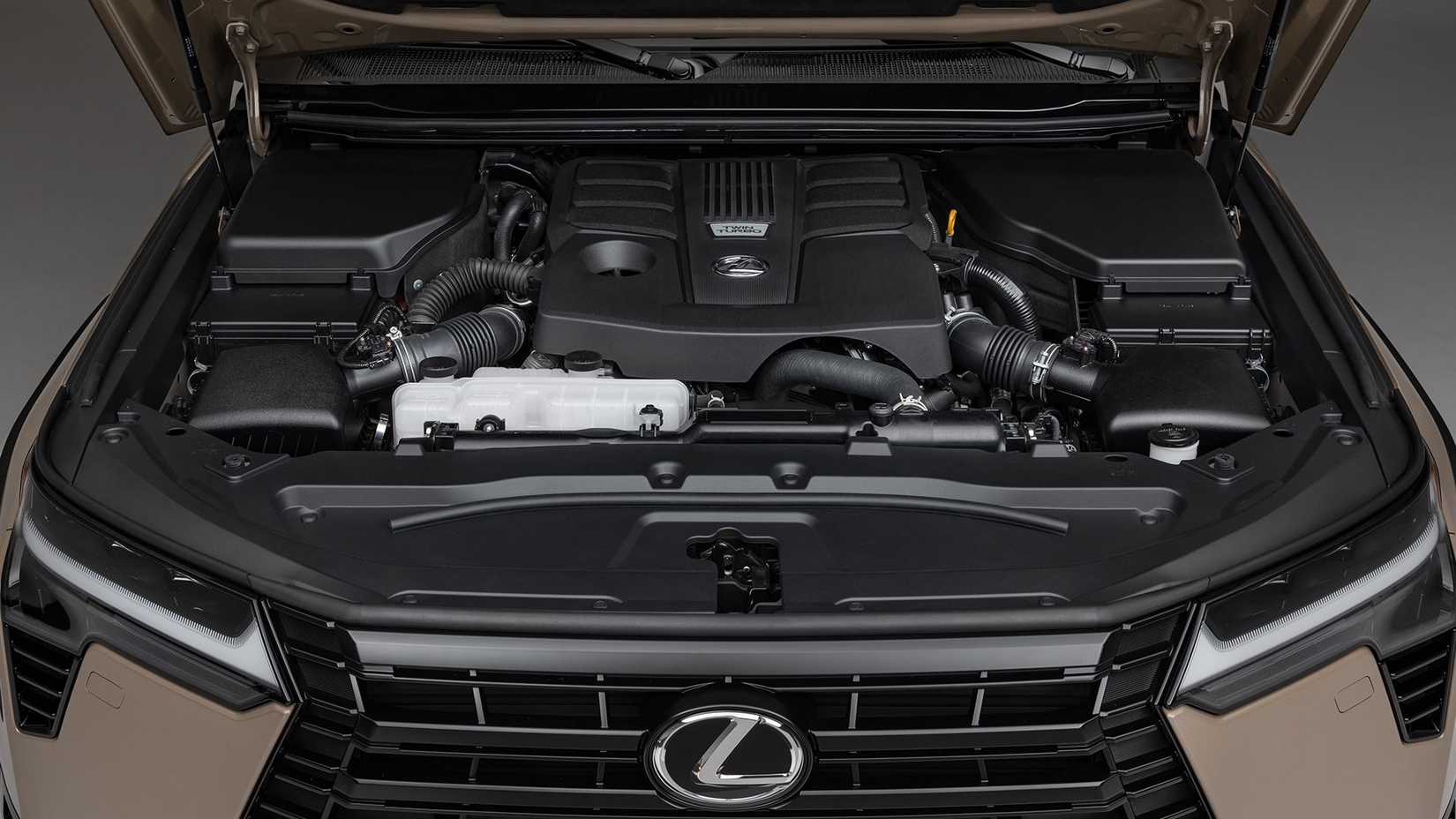
Toyota’s answer to this new world was a 3.5-liter twin-turbo V6, known internally as the V35A-FTS. This engine was already in use within the Lexus LS and now appeared in the redesigned 2022 Tundra. In the standard i-Force form, it produced up to 389 hp and 479 lb-ft of torque. The hybridized i-Force Max made 437 hp and 583 lb-ft of torque.
The engine seemed competitive and powerful, with torque arriving much earlier than it did in the old V8. Owners would get better fuel economy and better towing performance. Paired with a modern ten-speed automatic transmission, this new truck felt far more refined and quicker than the old version.
The Recall Story Became Much Bigger Than Toyota Expected
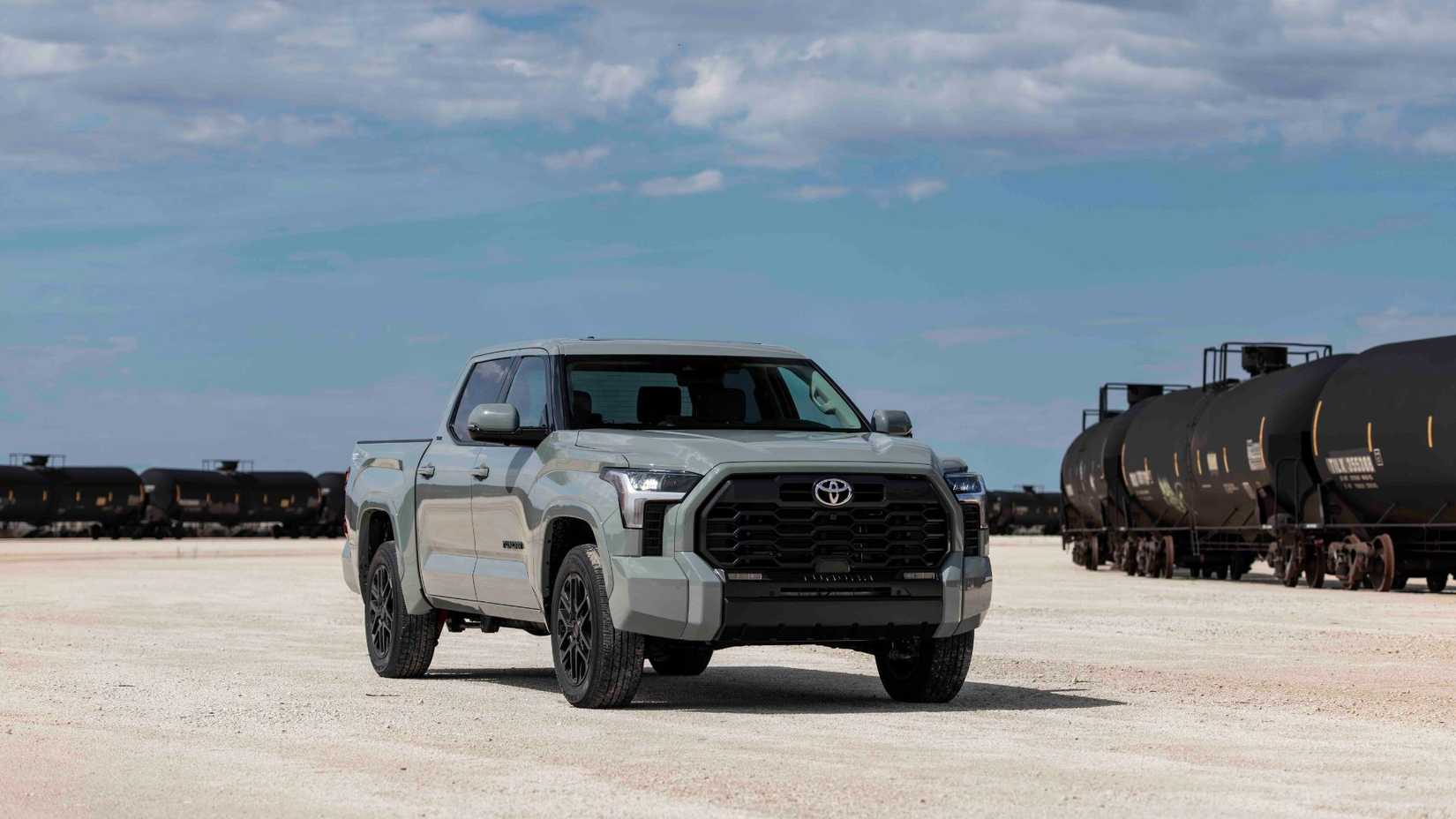
Clouds appeared on the Tundra’s horizon in 2024, when Toyota announced a recall campaign. This potentially affected approximately 102,000 Toyota Tundra and Lexus LX vehicles with the newer engine and centered around some potentially serious issues. According to the National Highway Traffic Safety Administration, Toyota may not have removed all machining debris from the engine assembly process. There was a risk of sudden loss of power or even complete engine seizure if the material damaged the engine’s bearings.
Toyota characterized this as a manufacturing contamination issue limited to specific production periods, rather than a systemic issue or a broader flaw in the engine’s design. The company authorized complete engine replacement for these vehicles from the 2022 and 2023 model years, instead of even attempting any internal repairs.
Despite the company’s proactive approach, the problem continued to grow for Toyota, leading to an expanded recall. In late 2025, the company announced further issues affecting around 127,000 vehicles, including newer Tundras as well as Lexus GX and LX models, which have slightly different tunes of the V35A engine.
Of particular concern, some of these affected engines may have been built after Toyota became aware of the original issues and implemented some manufacturing corrections. The situation caused speculation in the Toyota enthusiast community about whether the problem with these powerplants was more widespread.
By May 2026, the issue had developed further with another recall campaign affecting about 44,000 Tundras. Taken together, these issues had now affected almost 270,000 vehicles through those various campaigns. And these recalls now presented a much higher level of concern for a company that had built its reputation around solid engineering consistency.
Read the full article on CarBuzz
This article originally appeared on CarBuzz and is republished here with permission.
Read the full article here
34 Comments
Nice to see insider buying—usually a good signal in this space.
Nice to see insider buying—usually a good signal in this space.
Silver leverage is strong here; beta cuts both ways though.
Good point. Watching costs and grades closely.
Silver leverage is strong here; beta cuts both ways though.
Good point. Watching costs and grades closely.
Nice to see insider buying—usually a good signal in this space.
Good point. Watching costs and grades closely.
Good point. Watching costs and grades closely.
Exploration results look promising, but permitting will be the key risk.
Good point. Watching costs and grades closely.
Good point. Watching costs and grades closely.
Silver leverage is strong here; beta cuts both ways though.
Good point. Watching costs and grades closely.
Good point. Watching costs and grades closely.
I like the balance sheet here—less leverage than peers.
Good point. Watching costs and grades closely.
Production mix shifting toward USA might help margins if metals stay firm.
Good point. Watching costs and grades closely.
Good point. Watching costs and grades closely.
Exploration results look promising, but permitting will be the key risk.
Nice to see insider buying—usually a good signal in this space.
Good point. Watching costs and grades closely.
Good point. Watching costs and grades closely.
Uranium names keep pushing higher—supply still tight into 2026.
Good point. Watching costs and grades closely.
Production mix shifting toward USA might help margins if metals stay firm.
Good point. Watching costs and grades closely.
Good point. Watching costs and grades closely.
Nice to see insider buying—usually a good signal in this space.
Good point. Watching costs and grades closely.
The cost guidance is better than expected. If they deliver, the stock could rerate.
Good point. Watching costs and grades closely.
Good point. Watching costs and grades closely.