

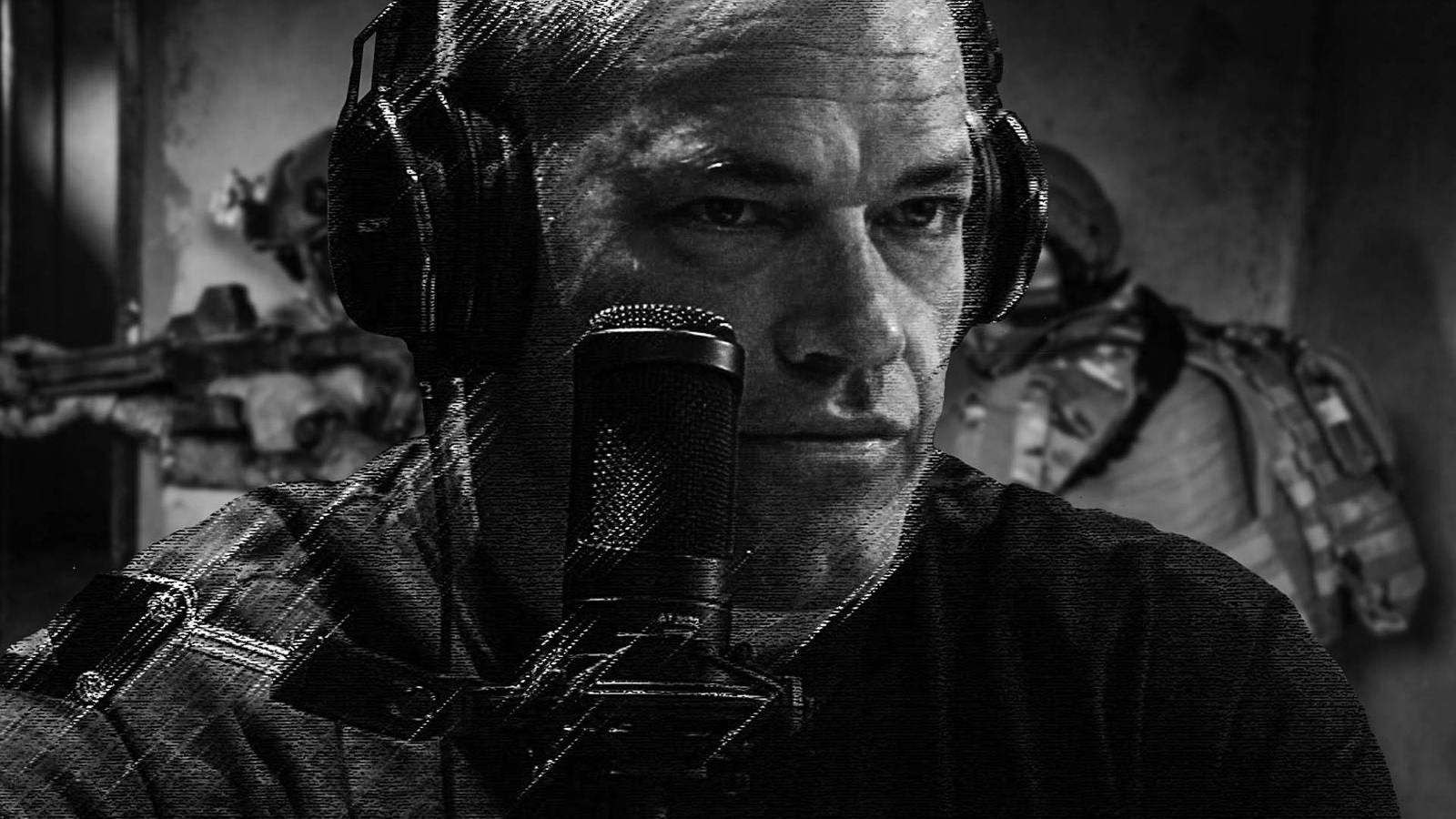
Decades of movies and television have reinforced the image of a military leader shouting orders, intimidating subordinates and demanding immediate compliance.
Retired Navy SEAL commander Jocko Willink believes that approach reveals something very different from strength. It reveals a failure of leadership.
If you have to yell and scream at your people, you’ve made about 47 different mistakes as a leader already, Willink said during an exclusive interview with Military.com.
Willink, the bestselling co-author of Extreme Ownership: How U.S. Navy SEALs Lead and Win, has spent much of his post-military career helping organizations understand leadership lessons developed during his military service.
His message challenges the stereotype of the hard-charging military commander whose authority depends on intimidation. Effective leadership, he argues, requires something far more difficult to establish than obedience: trust.
A Decade After Extreme Ownership, What Has Changed?
When Willink and fellow former Navy SEAL Leif Babin published Extreme Ownership in 2015, they introduced readers to leadership principles developed during their military careers, including combat operations in Iraq.
More than a decade later, Willink says those principles remain remarkably consistent.
The four laws of combat leadership that I taught when I was in the SEAL teams are the exact same four laws of combat leadership that I now teach to companies all over the world, he said.
Those laws, cover and move, simple, prioritize and execute, and decentralized command, remain central to his approach. But years of teaching leadership have helped him better explain how those principles work in practice.
“When you continually teach things over and over again, then you definitely get better at teaching them, and you figure out better ways to explain them,” Willink said.
That refinement has led him to focus more closely on something he believes leaders often misunderstand: relationships.

Five Elements That Define Effective Leadership
Willink told Military.com that he had long emphasized the importance of relationships, even arguing that they can be more important than the chain of command.
But he eventually realized he had never clearly defined what building a relationship actually required.
“I used to talk about relationships all the time and how building relationships is important and how relationships are more important than the chain of command,” he said.
He found that people often confused building relationships with superficial gestures, such as taking someone to lunch or leaving a small gift on a desk. Those actions alone, he argued, do not establish a meaningful connection.
Instead, he identified five essential components: trust, listening, respect, influence and care.
If I don’t trust you and you don’t trust me, do we have a relationship? No, Willink explained.
The same principle applies to the other components. Without mutual listening, respect, influence and care, a relationship lacks the foundation necessary for effective leadership.
Perhaps the most important part of his framework is that those qualities must work in both directions.
“If I want you to treat me with respect, I better treat you with respect,” Willink said. “If I want to have influence over you, I better allow you to have influence over me.” He continued: “If I want you to care about me, I better care about you.”
For military leaders accustomed to operating within a clearly defined hierarchy, that philosophy carries an important distinction. Rank provides authority, but it does not automatically create trust.
A commander can issue an order because of the position they hold. Building a team that understands the mission, exercises initiative and remains committed under pressure requires more than positional authority.

Why Authoritarian Leadership Falls Short
Willink believes one of the biggest misconceptions about military leadership is the assumption that effective commanders must be intimidating.
“I think people are always surprised,” he said, explaining that many civilians associate military leadership with authoritarian behavior.
He acknowledged that tyrannical leaders exist in both military and civilian organizations. But he rejected the idea that their ability to achieve short-term results makes them effective.
He noted that such commanders may complete their assignments through sheer determination, even while damaging the organizations they lead.
They probably pull it off just through sheer willpower and broken morale, but they push through it, he said. But that is not good leadership.
The same dynamic, he added, exists outside the military. “Are there tyrannical leaders in the civilian sector? Yes, there are. Are they good leaders? Nope. People don’t like working for them.”
Willink said challenging that misconception became particularly important after he retired from military service and began working with civilian organizations.
He wanted people to understand that the stereotypical image of a military commander screaming at subordinates did not reflect the leadership approach he had practiced.
“I never yelled at anybody that worked for me,” he said. “Never, you know, never yelled and screamed. Just didn’t have to.”
His point is not that leaders should avoid enforcing standards or confronting poor performance. Rather, effective leaders should develop the communication, expectations and relationships necessary to address problems before they reach the point of shouting.
That perspective also reflects the central message of Extreme Ownership: Leaders must examine their own responsibility for a team’s performance rather than automatically placing blame on subordinates.
What Band of Brothers Reveals About Leadership
Willink also challenged the notion that previous generations of service members responded better to authoritarian leadership.
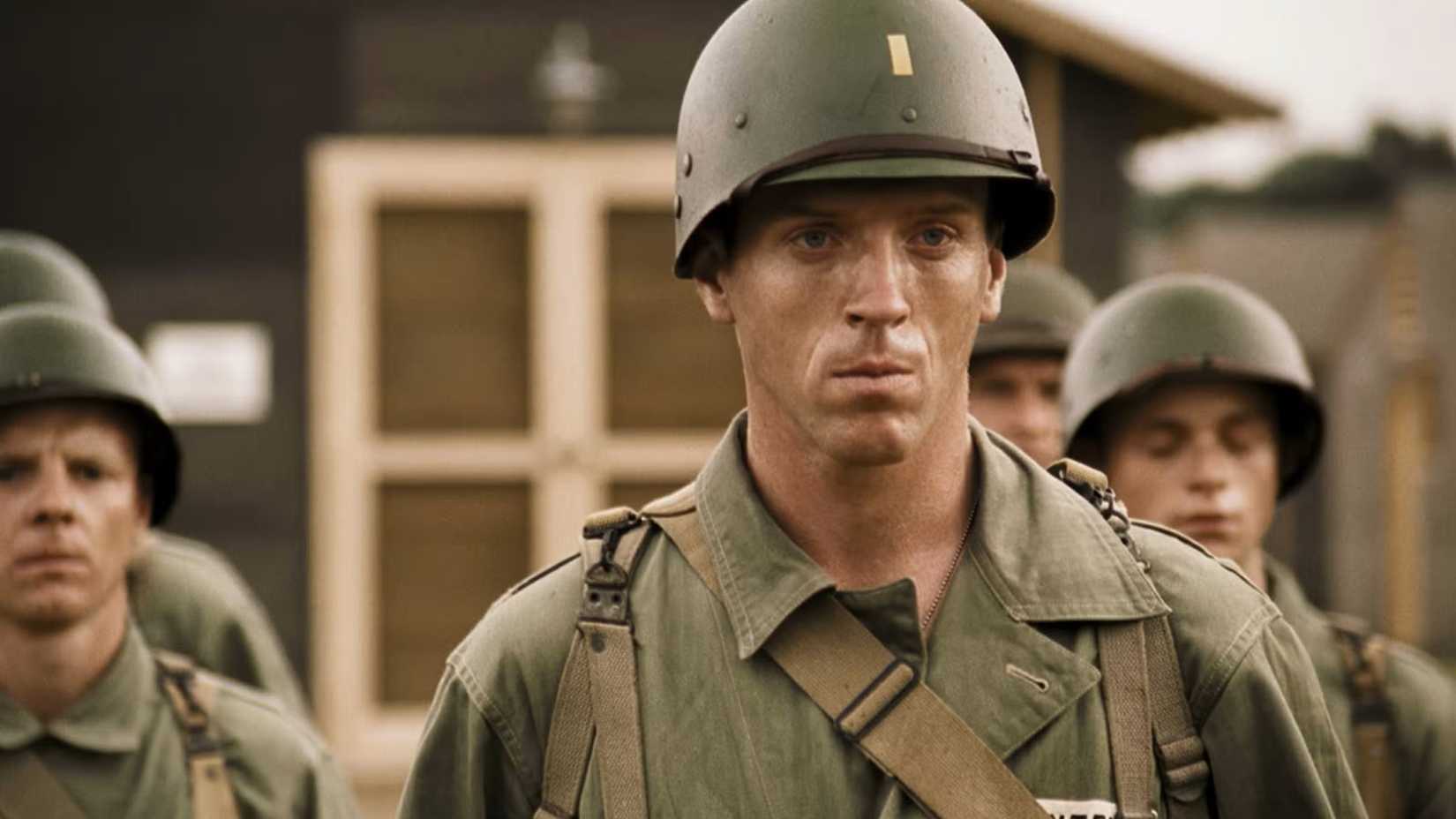
He pointed to Band of Brothers, the acclaimed account of Easy Company during World War II, as an example of how leadership principles transcend generations.
In the story, Capt. Herbert Sobel and Richard Winters demonstrate sharply different approaches to leading soldiers. Willink described Sobel as a commander who relied heavily on intimidation and failed to establish meaningful relationships with his men.
“Captain Sobel … yelled and screamed at people and didn’t treat them with respect and didn’t listen [to] what they had to say, and didn’t put any trust in them,” he said.
Winters represented the opposite approach. “Dick Winters … listened to his guys, was humble, treated them with respect, and they loved him and would follow him anywhere,” Willink said.
For Willink, the contrast undermines the familiar argument that military leadership was more effective when service members simply obeyed orders without question.
Even during World War II, he argued, soldiers recognized the difference between authority based on intimidation and leadership built on trust.
That’s World War Two, the greatest generation, and guess what? Good leadership back then looked the same as good leadership looks now.
Accountability Without Intimidation
Willink’s argument does not diminish the importance of discipline, performance or accountability. Those expectations remain central to his leadership philosophy.
But his emphasis on relationships highlights a distinction between achieving compliance and building an effective organization.
A leader who relies on intimidation may receive an immediate response. That does not necessarily mean the team is developing the trust and initiative required to perform when the leader is absent. The principle is especially relevant to decentralized command, one of the four laws Willink continues to teach.
In military operations, commanders cannot personally supervise every decision. Subordinates must understand the mission and exercise judgment as circumstances change.
That requires confidence in the people carrying out the mission and trust in the leaders who established it. Willink’s five relationship components offer a practical foundation for developing that confidence.
Listening helps leaders understand problems before they escalate. Respect encourages open communication. Mutual influence allows people to share information and ideas. Care demonstrates that individuals matter beyond their immediate assignments.
And trust ties those behaviors together.
None of those qualities requires a leader to compromise standards. Instead, they create an environment where accountability can exist without intimidation.
Leadership Principles That Endure
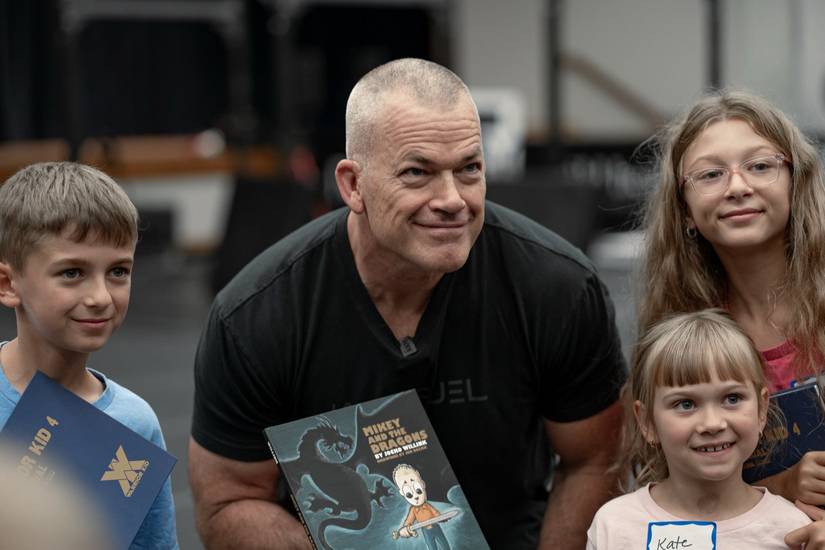
Willink told Military.com that he has written another leadership book, which he expects to be released in approximately a year.
Although he did not disclose its title, he said it would introduce a somewhat different perspective while building on the lessons he has spent years teaching.
His continuing work reflects an evolution in how he communicates leadership principles rather than a rejection of what he learned during his military career. The fundamentals, he believes, have endured.
That message has implications beyond the military. Organizations across industries continue struggling with morale, retention, accountability and the challenge of developing effective leaders.
Willink’s perspective suggests that the answer is not necessarily more authority, stricter control or louder demands.
It may begin with leaders examining the relationships they have built and accepting responsibility for the environment they create.
For a retired Navy SEAL commander known for his emphasis on discipline and toughness, the message is strikingly simple. The strongest leaders do not need to shout to be heard.
Read the full article here
37 Comments
Interesting update on Why Yelling Means You Failed. Curious how the grades will trend next quarter.
Nice to see insider buying—usually a good signal in this space.
Good point. Watching costs and grades closely.
Silver leverage is strong here; beta cuts both ways though.
Good point. Watching costs and grades closely.
Good point. Watching costs and grades closely.
Production mix shifting toward USA might help margins if metals stay firm.
Good point. Watching costs and grades closely.
Exploration results look promising, but permitting will be the key risk.
Good point. Watching costs and grades closely.
If AISC keeps dropping, this becomes investable for me.
Good point. Watching costs and grades closely.
Uranium names keep pushing higher—supply still tight into 2026.
Uranium names keep pushing higher—supply still tight into 2026.
Good point. Watching costs and grades closely.
Good point. Watching costs and grades closely.
Production mix shifting toward USA might help margins if metals stay firm.
Good point. Watching costs and grades closely.
Production mix shifting toward USA might help margins if metals stay firm.
Uranium names keep pushing higher—supply still tight into 2026.
Good point. Watching costs and grades closely.
The cost guidance is better than expected. If they deliver, the stock could rerate.
Uranium names keep pushing higher—supply still tight into 2026.
Good point. Watching costs and grades closely.
Good point. Watching costs and grades closely.
I like the balance sheet here—less leverage than peers.
Good point. Watching costs and grades closely.
Interesting update on Why Yelling Means You Failed. Curious how the grades will trend next quarter.
Interesting update on Why Yelling Means You Failed. Curious how the grades will trend next quarter.
The cost guidance is better than expected. If they deliver, the stock could rerate.
Silver leverage is strong here; beta cuts both ways though.
Good point. Watching costs and grades closely.
Good point. Watching costs and grades closely.
Exploration results look promising, but permitting will be the key risk.
If AISC keeps dropping, this becomes investable for me.
Good point. Watching costs and grades closely.
Good point. Watching costs and grades closely.